Executive Overview
In the rapidly evolving landscape of mobile communication, the ability to maintain coherent, multi-faceted conversations is becoming a significant competitive frontier. Google is currently testing a transformative update for its flagship messaging platform, Google Messages: the integration of "threaded replies." This development, first identified through deep-code analysis by Android Authority, aims to solve one of the most pervasive pain points in modern digital communication—the "chaotic feed" syndrome common in active group chats. By allowing users to anchor replies to specific messages rather than merely appending them to the bottom of a linear scroll, Google is signaling a shift toward more structured, contextual, and efficient interpersonal communication. This report examines the technical implications, user experience enhancements, and broader market strategy behind this impending feature.
Detailed Chronology: From Linear Streams to Threaded Architecture
The history of text messaging is rooted in the "linear feed"—a chronological, sequential display of messages that worked perfectly for 1:1 SMS communication in the early 2000s. However, as group chats have ballooned into hubs for professional coordination, family logistics, and social planning, the limitations of the linear feed have become glaringly apparent.
The Problem: The "Context Collapse"
In a group chat with five or more participants, the speed of incoming messages often outpaces the ability to reply. If Participant A asks a question about dinner plans, but Participants B and C spend the next three minutes discussing a local sports event, Participant A’s original inquiry is buried. When a late responder finally addresses the dinner question, it is frequently misconstrued or lost in the noise of the ongoing, unrelated conversation.
The Proposed Solution
Google’s implementation, currently hidden within the development builds of the Google Messages application, introduces a visual hierarchy designed to restore context. Based on current observations:
- Visual Anchoring: When a user replies to a specific message, a vertical line appears on the left-hand side of the chat bubble, physically tethering the response to its parent message.
- Dynamic UI Indicators: A simple reply manifests as a straight connecting line, while deeper, multi-layered exchanges introduce a visual "loop," signaling a burgeoning sub-conversation.
- The Dedicated Thread View: The most significant addition is the introduction of reply counters. Beneath a message, a small numerical indicator displays the number of responses. Tapping this counter isolates the conversation, causing the main chat to recede into a dimmed background, leaving only the focused thread. This creates a dedicated "sandbox" for sub-conversations, complete with its own reply box and an "X" button to seamlessly return to the main feed.
Supporting Context & Metrics: Why Structure Matters
The necessity for threaded replies is backed by the increasing complexity of how we use our devices. Research into digital communication habits suggests that "context switching"—the cognitive load required to jump between disparate topics in a single group chat—dramatically reduces the efficacy of communication and increases user frustration.
The Competitive Landscape
It is impossible to discuss this update without addressing the "Apple effect." Apple’s iMessage has long utilized threaded replies, a feature that has become a hallmark of its user experience and a frequent point of contention in the cross-platform "green bubble vs. blue bubble" discourse.
For years, Android users have cited the lack of feature parity with iMessage as a primary reason for switching platforms. By adopting this architectural pattern, Google is not just "borrowing from Apple’s playbook," as critics might suggest; it is adopting a standardized industry convention. Much like the adoption of universal symbols (e.g., the "thumbs up" icon or the "forward" arrow), threaded replies have become an expectation of modern messaging software.
Feature Versatility
Google’s implementation appears to be robust. Early indicators suggest the system is not limited to plain text. The threaded interface supports:
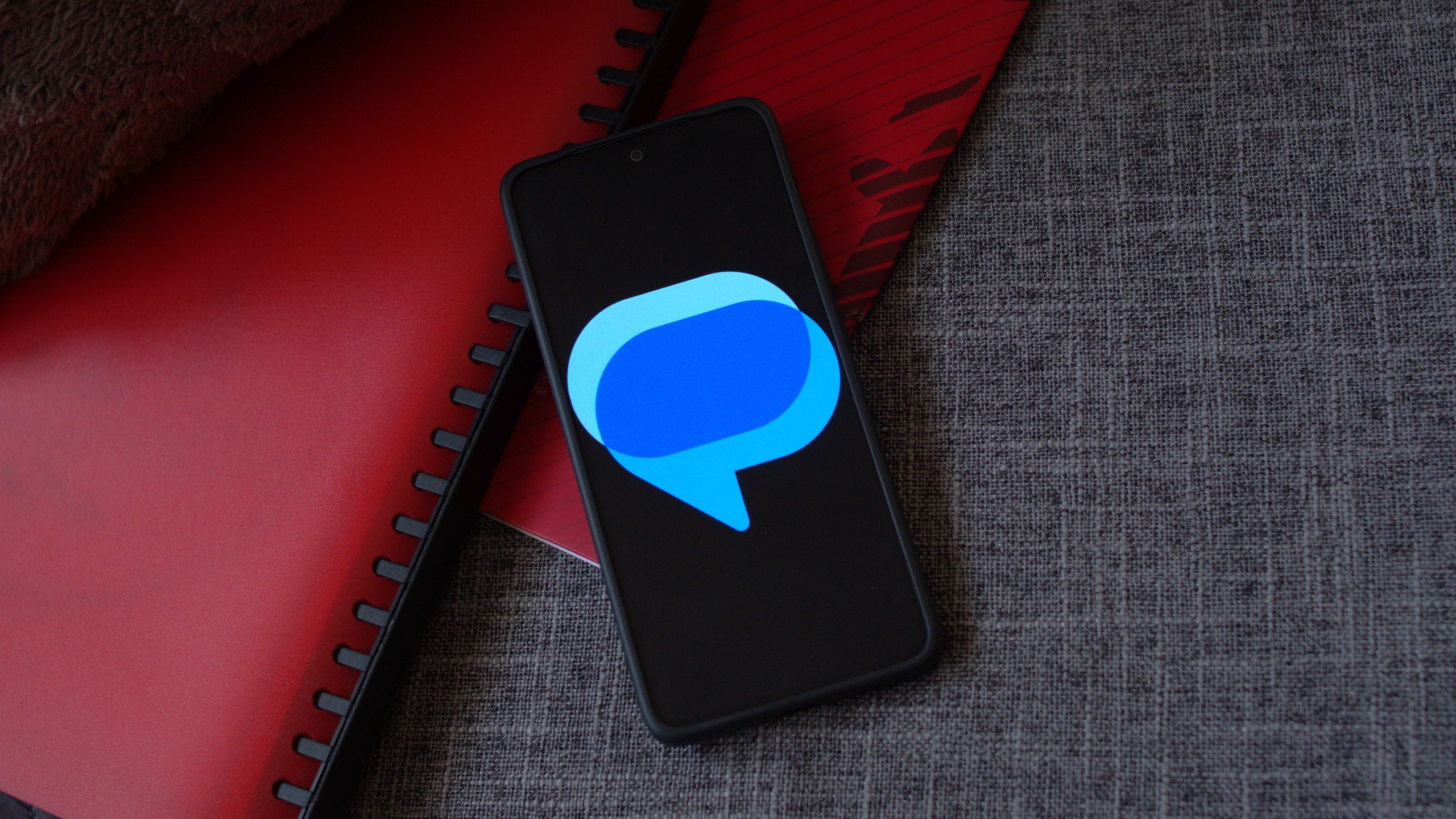
- Multimedia Integration: Images and video clips can be the anchors of a thread, allowing users to discuss specific photos without flooding the chat with duplicate images or vague descriptions.
- Reaction Syncing: Emojis and reactions attached to messages will likely integrate into the visual thread, ensuring that social feedback remains as contextual as the text itself.
Official Statements and Industry Silence
As of this writing, Google has maintained a position of strategic silence regarding the timeline for a public rollout. This is standard operating procedure for the company, which frequently tests features in "dogfooding" environments or early-access beta programs before committing to a stable release.
However, the maturity of the code suggests that the feature is well beyond the conceptual phase. The visual assets and the logic for the "thread-switching" UI appear polished, indicating that this is a high-priority project for the Android team. While no official press release has been issued, the inclusion of these files in the latest APK (Android Package) teardowns suggests that a public beta—or at least a limited rollout for Google One subscribers—is likely on the horizon.
Future Outlook: The Evolution of Google Messages
The move toward threaded replies is part of a larger, more ambitious roadmap for Google Messages. Over the past twenty-four months, the platform has undergone a radical transformation, shifting from a legacy SMS/MMS client to a full-featured Rich Communication Services (RCS) powerhouse.
Beyond Threads: The Vision for AI Integration
The logical next step for threaded replies is the integration of Google’s Gemini AI. One can envision a future where, in a particularly busy group chat, an AI assistant provides a "thread summary." If a user has been away from their phone for two hours, the AI could highlight the specific threads that require their attention, saving them from having to read through fifty messages to find the one that concerns them.
The Challenges Ahead
Despite the clear benefits, Google faces significant hurdles:
- Fragmentation: Because Google Messages relies on RCS, which must be supported by carriers, there is a risk that threaded replies may not function correctly if the participants in a group chat are using different versions of the app or if one party is still relegated to legacy SMS protocols.
- User Onboarding: Adding complexity to a UI always carries the risk of alienating users who prefer the simplicity of a linear feed. Google must ensure that the transition to threads is intuitive enough that it doesn’t require a tutorial for the average user.
- Cross-Platform Compatibility: The biggest question remains: how will these threads manifest when communicating with non-Android users? If the "thread" is broken or arrives as a plain-text quote when received by an iPhone, the utility is significantly diminished.
Conclusion
Google’s experimentation with threaded replies represents a maturation of the Android messaging ecosystem. By acknowledging that modern communication is inherently multi-threaded, Google is taking a necessary step toward parity with premium messaging platforms. While the feature is currently experimental and lacks a formal release date, it stands as a testament to the company’s commitment to refining the user experience.
As we move toward a more connected, fast-paced digital future, the ability to organize our thoughts—and the conversations we have with those closest to us—will be the defining factor in which apps survive and which ones fade into obsolescence. For now, the "threaded reply" is the missing piece of the puzzle, and its arrival will undoubtedly make the Google Messages experience significantly more cohesive, manageable, and, most importantly, human.