Executive Overview
The promise of modern e-commerce marketplaces—such as Amazon, Walmart, and other major digital platforms—has long been democratizing retail. Even the smallest home-based enterprise can effortlessly upload a catalog, tap into multi-million-consumer networks, and scale a business in a matter of months. Yet, this high-stakes convenience carries an existential vulnerability: absolute economic dependence on centralized platform operators.
For thousands of independent merchants, a single algorithmic flag, a disputed authenticity claim, or a sudden policy shift can lead to frozen revenue, trapped inventory, and catastrophic business disruption overnight. Without recourse, transparency, or a formalized avenue for appeal, third-party sellers have historically found themselves subject to the whims of corporate algorithms and opaque trust-and-safety departments.
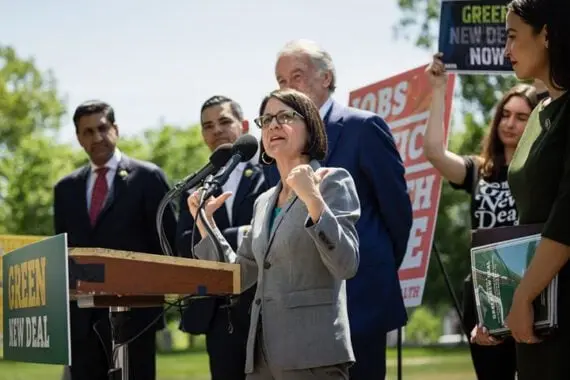
That dynamic could fundamentally shift. Introduced in the U.S. House of Representatives on July 21, 2026, the Online Sellers’ Bill of Rights Act of 2026 (H.R. 9799) aims to inject commercial due process into the ecosystem of digital marketplaces. Spearheaded by Representative Becca Balint (D-Vt.) alongside a coalition of congressional co-sponsors, the federal bill proposes strict guardrails around how dominant platforms handle policy enforcement, inventory holds, and frozen funds.
While the legislation explicitly preserves the legal rights of marketplaces to police counterfeits, combat fraud, and enforce product safety protocols, it establishes a hard legal ceiling on penal practices. By capping inventory and payment holds at 30 days, mandating individualized explanations for suspensions, and introducing robust enforcement mechanisms—including a private right of action for aggrieved merchants—H.R. 9799 represents the most aggressive legislative push yet to rebalance power between tech giants and the third-party merchants who fuel their product ecosystems.
Detailed Chronology
Understanding the legislative trajectory of H.R. 9799 requires examining the escalating tensions between digital platform operators and third-party vendors over the past decade.
- Pre-2020: The Wild West of Platform Governance. As marketplace models exploded, platforms operated with near-total immunity under Section 230 of the Communications Decency Act and broad contractual terms of service. Sellers experienced sudden account deactivations with little to no explanation, and capital recovery could take up to half a year or more.
- 2021–2024: Growing Congressional Scrutiny. Bipartisan antitrust investigations and antitrust hearings in the House Judiciary Committee began highlighting the predatory nature of marketplace self-preferencing and arbitrary account closures. Merchant advocacy groups increasingly lobbied for federal intervention, citing countless examples of legitimate businesses going bankrupt due to withheld funds during routine compliance audits.
- July 21, 2026: Official Introduction of H.R. 9799. Representative Becca Balint, joined by key co-sponsors, formally introduced the Online Sellers’ Bill of Rights Act of 2026 in the U.S. House of Representatives. The bill was immediately referred to the House Judiciary Committee for evaluation.
- Late July 2026: Legal scholars, merchant associations, and e-commerce analysts began dissecting the bill’s provisions, noting its aggressive enforcement tools, including FTC oversight and a private right of action that bypasses standard mandatory arbitration clauses.
- The Present Outlook: The bill sits before the House Judiciary Committee. While legislative prognosticators debate its chances of passing a divided Congress, the proposal has already reshaped the national conversation regarding platform governance and digital labor rights.
Supporting Context & Metrics
To appreciate the gravity of H.R. 9799, one must evaluate the operational realities of selling on modern digital marketplaces. Third-party merchants account for a massive share of total unit sales on major platforms—often exceeding 60% of total physical goods sold on sites like Amazon.
The Economics of Stranded Inventory and Frozen Cash
When an automated system flags a product for a potential policy violation—such as a false positive for intellectual property infringement or a safety complaint—the immediate operational fallout includes:
- Payment Freezes: Platforms routinely withhold earnings distributions to cover potential customer chargebacks or regulatory liabilities. For a small business operating on thin margins, a 90-day or 120-day revenue freeze spells insolvency.
- Stranded Inventory: Physical goods stored in platform fulfillment centers (such as FBA warehouses) are locked away, accruing storage fees while generating zero revenue.
- Algorithmic Opacity: Sellers traditionally receive copy-paste, template-driven denial emails that cite vague sections of terms-of-service agreements without providing supporting documentation, invoices, or specific context.
Key Provisions of H.R. 9799
The proposed legislation addresses these pain points through five structural pillars:
- 30-Day Limit on Inventory Holds: Platforms can no longer trap merchant merchandise indefinitely under suspicion of counterfeiting. Holds cannot exceed 30 calendar days unless the marketplace presents clear, affirmative evidence that the goods are unlawful.
- 30-Day Limit on Payment Holds: Frozen merchant funds must be released within 30 days unless the platform can prove with evidence—rather than mere suspicion—that the capital derives from illicit transactions.
- Gated Product Grace Periods: If a marketplace introduces a new restriction on an existing product category, it must grant sellers at least 30 days to clear remaining stock or arrange for free merchandise returns.
- Advanced Notice for Policy Shifts: Marketplaces must provide at least 30 days’ written notice before implementing material changes to fees, commissions, compliance requirements, or listing rules.
- Individualized Enforcement and Appeals: Generic template notifications are banned. Marketplaces must disclose the exact policy violated, relevant facts, proposed penalties, a clear appeals pathway, and an anticipated resolution timeline.
Official Statements & Legislative Intent
The framing behind H.R. 9799 centers on the concept of "commercial due process." Lawmakers and small-business advocates argue that digital infrastructure providers have effectively become public utilities for retail, necessitating basic standards of fairness.

"Online marketplaces offer incredible reach for small businesses, but that reach should not come at the cost of basic economic security," noted early legislative analyses surrounding the bill’s rollout. "When an algorithm can arbitrarily lock a family-owned business out of its revenue stream for months with zero explanation, the system is fundamentally broken. This bill doesn’t tie the hands of platforms looking to stop actual fraudsters; it simply demands accountability, transparency, and fairness."
Proponents emphasize that legitimate entrepreneurs are often forced into protracted, unresponsive support ticket loops when trying to clear their names. By forcing platforms to substantiate their claims with evidence rather than suspicion, the bill seeks to professionalize marketplace dispute resolution.
Conversely, major retail and technology trade associations are expected to push back fiercely. Industry critics of the bill argue that arbitrary timelines could hamstring platforms’ ability to rapidly respond to sophisticated counterfeiting rings and scam networks that continuously evolve tactics. Tech lobbyists are anticipated to argue that mandating 30-day releases for complex fraud investigations could expose consumers to unsafe or fraudulent goods while investigations remain ongoing.
Future Outlook & Legal Exposure
If H.R. 9799 successfully navigates the legislative process and is enacted into law, its implementation mechanisms carry immense legal teeth that will fundamentally alter corporate compliance for Big Tech.
Regulatory and Civil Enforcement
- FTC Rulemaking: The legislation grants the Federal Trade Commission 180 days post-enactment to formulate binding rules. Violations of these rules will be legally classified as unfair methods of competition under the Federal Trade Commission Act.
- State Attorney General Authority: State AGs are empowered to initiate civil actions on behalf of state residents, creating a multi-front compliance challenge for national marketplaces.
- Private Right of Action: Perhaps the most radical element of H.R. 9799 is that it allows injured sellers to sue directly in federal court—bypassing mandatory corporate arbitration clauses that typically insulate platforms from class-action lawsuits and individual litigation.
- Treble Damages: Successful plaintiffs can recover up to three times their actual financial damages, alongside court costs and reasonable attorney fees. This financial exposure ensures that marketplaces will take compliance obligations very seriously.
Defining the Scope: The "Dominant Platform" Dilemma
Despite its comprehensive framework, H.R. 9799 faces a notable definitional hurdle regarding its scope. The bill targets "critical trading partners"—entities capable of restricting a business’s access to customers. Yet, it applies specifically to third-party sellers operating on a "dominant platform."
Crucially, the current text of the legislation does not establish a hard revenue, transaction volume, or user-market-share threshold to define dominance. While retail giants like Amazon and Walmart clearly fall within the crosshairs, ambiguity remains over whether the law would capture niche or specialized secondary platforms such as eBay, Etsy, Poshmark, or specialized hobbyist marketplaces.
Legal experts predict that if the bill advances, defining precise statutory thresholds will be one of the most heavily debated amendments during committee markups. Whether the FTC can successfully clarify these boundaries through future rulemaking without inviting immediate federal court challenges remains one of the defining questions for the future of digital commerce regulation.
As the House Judiciary Committee weighs the merits of H.R. 9799, millions of e-commerce entrepreneurs watch closely, hoping for a future where digital growth is matched by digital justice.