
Executive Overview
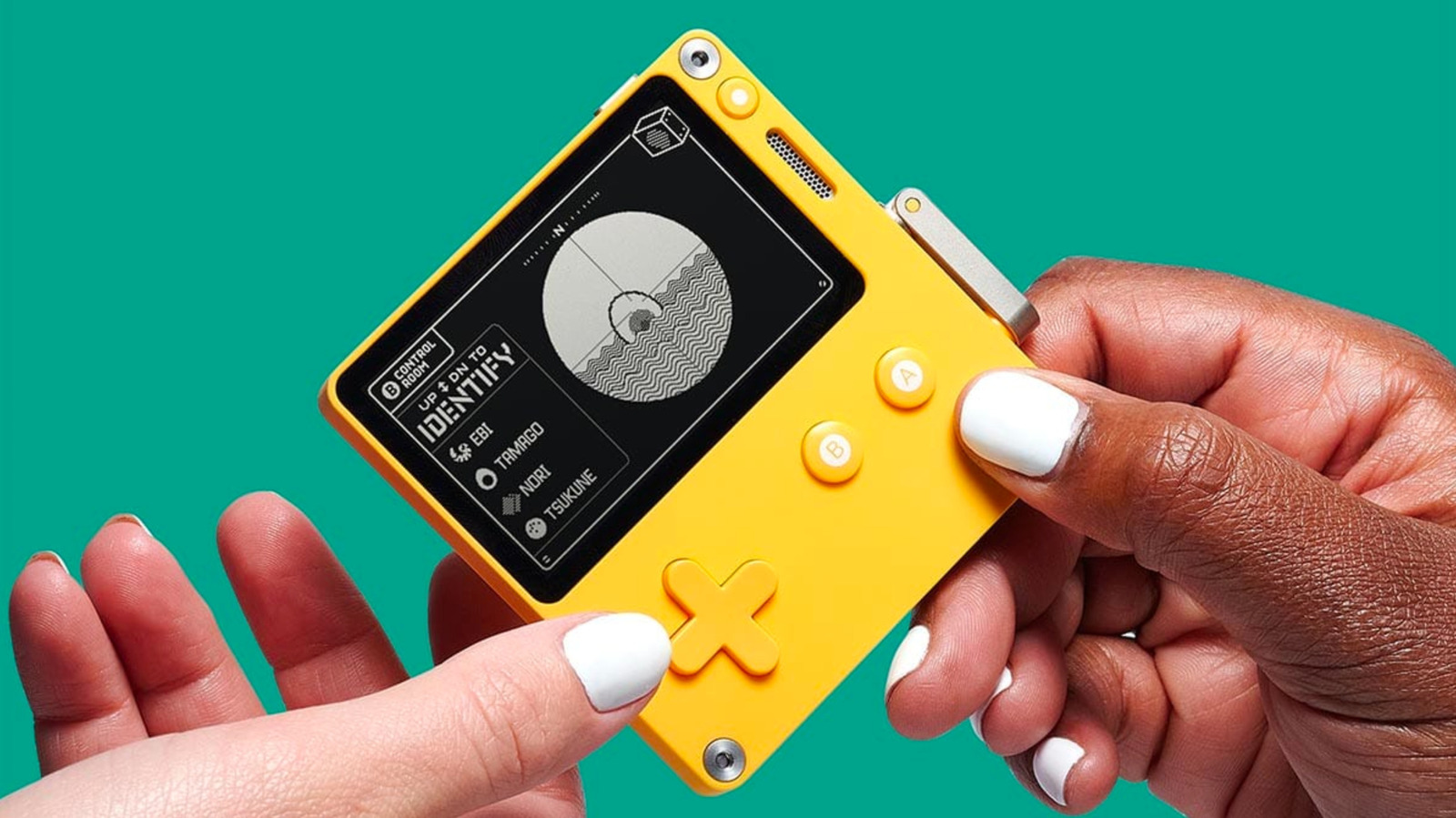
In an extraordinary display of corporate transparency and consumer advocacy, software publisher and hardware developer Panic—best known for its quirky, vibrant yellow handheld gaming console, the Playdate—has taken the commendable step of refunding US tariff fees directly to its customers. The move comes in the wake of a landmark February 2026 Supreme Court decision that formally struck down the Trump administration’s sweeping global import tariffs, ruling the regime unlawful.
While major multinational conglomerates, including tech and retail giants like Amazon, Sony, and Nintendo, have faced intense public scrutiny and subsequent class-action lawsuits for retaining tariff-related surcharges, Panic has chosen a radically different path. Rather than pocketing the returned duties reclaimed from the US government, the boutique games company has built a custom backend system to trace, process, and return these funds to the players who originally footed the bill.
Panic’s decision highlights a profound philosophical divide in modern commerce. While corporate standard practice typically dictates that once an extra transactional cost is absorbed by the consumer at checkout, it vanishes into company margins or is allocated to legal reserves, Panic CEO Cabel Sasser’s perspective was disarmingly simple: "It’s just not our money to keep, and it felt really good to give it back."
This deep-dive investigation examines how Panic executed this consumer refund initiative, the complex legal landscape forged by the Supreme Court’s tariff rulings, the contrasting behaviors of major consumer electronics corporations, and what this precedent means for corporate accountability in international trade disputes.
Detailed Chronology: From Executive Orders to Consumer Refunds
To understand the weight of Panic’s decision, one must trace the timeline of the US tariff regime, its implementation at checkout counters, and the legal battles that ultimately brought it down.
1. The Implementation of the Tariff Regime
Under the trade policies enacted by the Trump administration, electronics manufactured overseas and imported into the United States were hit with aggressive, broad-based import tariffs. For boutique hardware developers like Panic—whose Playdate consoles are manufactured abroad—these duties represented a substantial, escalating overhead cost.
Rather than quietly absorbing the fees and risking insolvency, or inflating the baseline retail price of the Playdate from the outset in a way that might penalize future buyers, Panic made the controversial choice to itemize the fee at checkout. When customers placed an order for a Playdate, they were explicitly billed for the exact tariff the US government was levying on that specific unit.
[Playdate Manufactured Overseas]
       │
       ▼
[US Customs & Border Protection Levies Tariff]
       │
       ▼
[Panic Itemizes Tariff Fee at Consumer Checkout (Up to 19%)]
       │
       ▼
[Customer Pays Total Price including Tariff]
At its peak, this surcharge added up to an extra 19 percent to the cost of a Playdate. Panic treated the charge transparently, handling it like an explicit tax line item rather than hiding it within inflated base MSRPs or shipping estimates.
2. The Supreme Court Ruling (February 2026)
For years, trade associations, economists, and major corporations fought the legality of the administration’s sweeping executive-action tariffs. The legal battle finally culminated on February 20, 2026, when the US Supreme Court officially ruled the global tariff regime unconstitutional and unlawful, determining that the executive branch had vastly overstepped its statutory authority under trade laws.
This ruling opened the floodgates for companies to petition the federal government for the return of billions of dollars in collected duties. Panic immediately applied for its reimbursement.
3. Untangling the Logistics of the Refund
Reclaiming funds from the federal government is rarely a swift process. It took months of bureaucratic filing, auditing, and processing before Panic successfully secured its refund from Uncle Sam.
However, receiving the money was only half the battle. Unlike wholesale importers who deal in B2B transactions, Panic had to track individual retail consumers who had purchased the Playdate months or even years prior. The company ceased applying the 19 percent tariff fee to new orders on April 21, shortly after the legal landscape shifted. Yet, executing refunds for past buyers required building an entirely new processing infrastructure.
By August 2026, the system was fully operational. Customers began receiving automated email notifications informing them that the tariffs they had paid years prior were heading back to their credit cards and PayPal accounts.
Supporting Context & Metrics: The Corporate Landscape of Unlawful Duties
Panic’s decision to disburse refunds stands in stark contrast to the wider consumer electronics industry. While the Supreme Court ruling triggered celebrations among trade advocacy groups, it also triggered a silent panic within corporate boardrooms regarding what to do with the reclaimed billions.
The Shipping Giants vs. Retail Giants
So far, logistics and shipping conglomerates such as FedEx, UPS, and DHL have established pathways to return tariff-related processing fees and duties to their enterprise and retail clients. However, downstream consumer-facing platforms and hardware developers have been largely tight-lipped.
The financial stakes are immense. Major retail and technology ecosystems processed millions of transactions during the height of the tariff regime. By baking the extra tariff costs into price hikes, subscription fees, or explicit checkout fees without promising contingent refunds, companies effectively widened their profit margins under the guise of geopolitical necessity.
The Legal Backlash: Class-Action Lawsuits
Because the vast majority of corporations chose to quietly absorb the returned government funds as unexpected corporate windfalls, consumers have taken matters into their own hands. A wave of high-profile class-action lawsuits has swept across federal courts:
- Amazon: Facing fierce litigation for allegedly retaining tariff surcharges passed down to third-party sellers and end consumers.
- Sony: Hit with class-action complaints claiming the electronics giant profited unlawfully from tariff-induced price spikes on PlayStation hardware and accessories without issuing downward adjustments or consumer rebates.
- Nintendo: Beyond facing separate lawsuits from consumers demanding a rebate on tariff-burdened Switch consoles, Nintendo notably took the proactive (though self-interested) step of suing the US government directly, though it has not signaled any intention of sharing potential windfalls with individual players.
The table below illustrates the contrasting responses across different tiers of the commerce sector:
| Entity Type | Notable Companies | Response to Tariff Repeal | Consumer Refund Status |
|---|---|---|---|
| Boutique Hardware | Panic (Playdate) | Applied for government refund & built custom backend to return funds. | 100% Refunded to retail buyers. |
| Logistics Providers | FedEx, UPS, DHL | Complied with regulatory adjustments and established enterprise-tier return channels. | Partial / Conditional (Dependent on account structures). |
| Consumer Electronics | Sony, Nintendo | Filed legal objections / lawsuits against government overreach; retained surpluses. | None (Triggered consumer class-actions). |
| E-Commerce Giants | Amazon | Maintained quiet compliance with old pricing models; absorbed administrative windfalls. | None (Triggered class-action lawsuits). |
Official Statements and Insider Perspectives
The narrative surrounding Panic’s refunds is best captured through direct statements from its leadership and the transparent communication sent directly to its user base.
When the dust settled and the logistics were finalized, Panic CEO Cabel Sasser offered a remarkably grounded assessment to industry publication Game Developer:
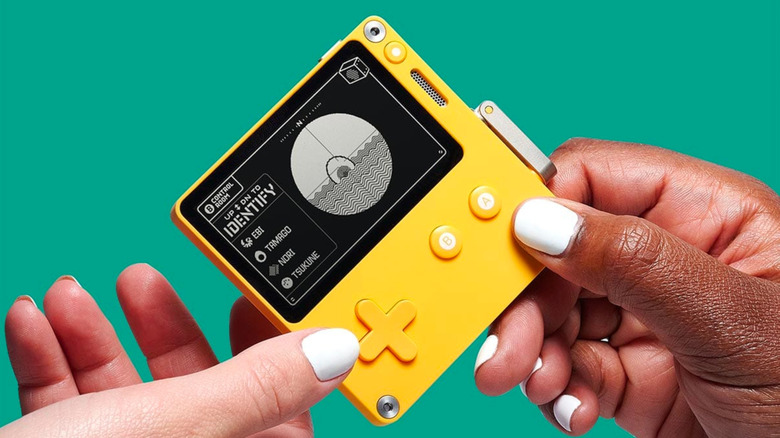
"It’s just not our money to keep, and it felt really good to give it back. That’s an easy way to know you made the right decision."
This sentiment was mirrored in the direct correspondence sent to Playdate owners who had endured the extra financial hit during the console’s rollout. In an email detailing the mechanics of the refund, the company laid out its ethical framework clearly:
"When you ordered from us, we charged you for the tariff we were being charged by the US government for every Playdate we manufactured. We treated it like any other tax, and passed it along as a line item at checkout."
By treating the tariff strictly as a pass-through administrative burden—rather than an opportunity to expand margins or pad financial buffers—Panic demonstrated a level of corporate integrity rarely seen in consumer tech hardware.
Future Outlook: Setting a New Standard for Consumer Trust
Panic’s actions have created an awkward precedent for the rest of the consumer electronics industry. By proving that it is logistically possible to trace, reclaim, and redistribute unlawful government tariffs back to individual retail buyers, the boutique developer has stripped away the primary excuse used by larger corporations: that tracing micro-transactions to everyday consumers is simply too difficult.
What This Means for Future Trade Disputes
As global trade policies remain volatile and subject to shifting executive actions, international supply chains will undoubtedly face future legal challenges and tariff adjustments.
- Heightened Consumer Awareness: Consumers are increasingly conscious of supply chain economics, shipping surcharges, and import duties. The wave of class-action lawsuits against Amazon, Sony, and Nintendo proves that buyers will no longer passively accept price hikes attributed to geopolitical shifts without demanding legal accountability.
- The "Panic Standard": While massive publicly traded corporations beholden to quarterly earnings reports and aggressive shareholder demands may continue to pocket unexpected regulatory windfalls, smaller, community-driven developers now have a playbook for building immense brand loyalty. The goodwill generated by Panic’s refunds far outweighs the temporary administrative headache of building a refund portal.
- Legal Precedent: If the ongoing class-action lawsuits against the retail giants succeed, courts may establish a legal obligation forcing companies to return government-reclaimed duties to end-users. Should that occur, Panic’s voluntary choice will look less like an eccentric outlier and more like visionary foresight.
Conclusion
The story of the Playdate tariff refunds is a refreshing narrative in an era dominated by corporate consolidation and opaque pricing strategies. Panic didn’t have to return the money; legally and customarily, companies that absorb costs at checkout are under no immediate obligation to retroactively balance their books with retail buyers when regulations change.
Yet, by choosing to return every cent of those unlawful duties, Panic has reinforced a vital truth: in a crowded marketplace, radical transparency and genuine respect for the consumer remain one of the most powerful competitive advantages a company can possess.