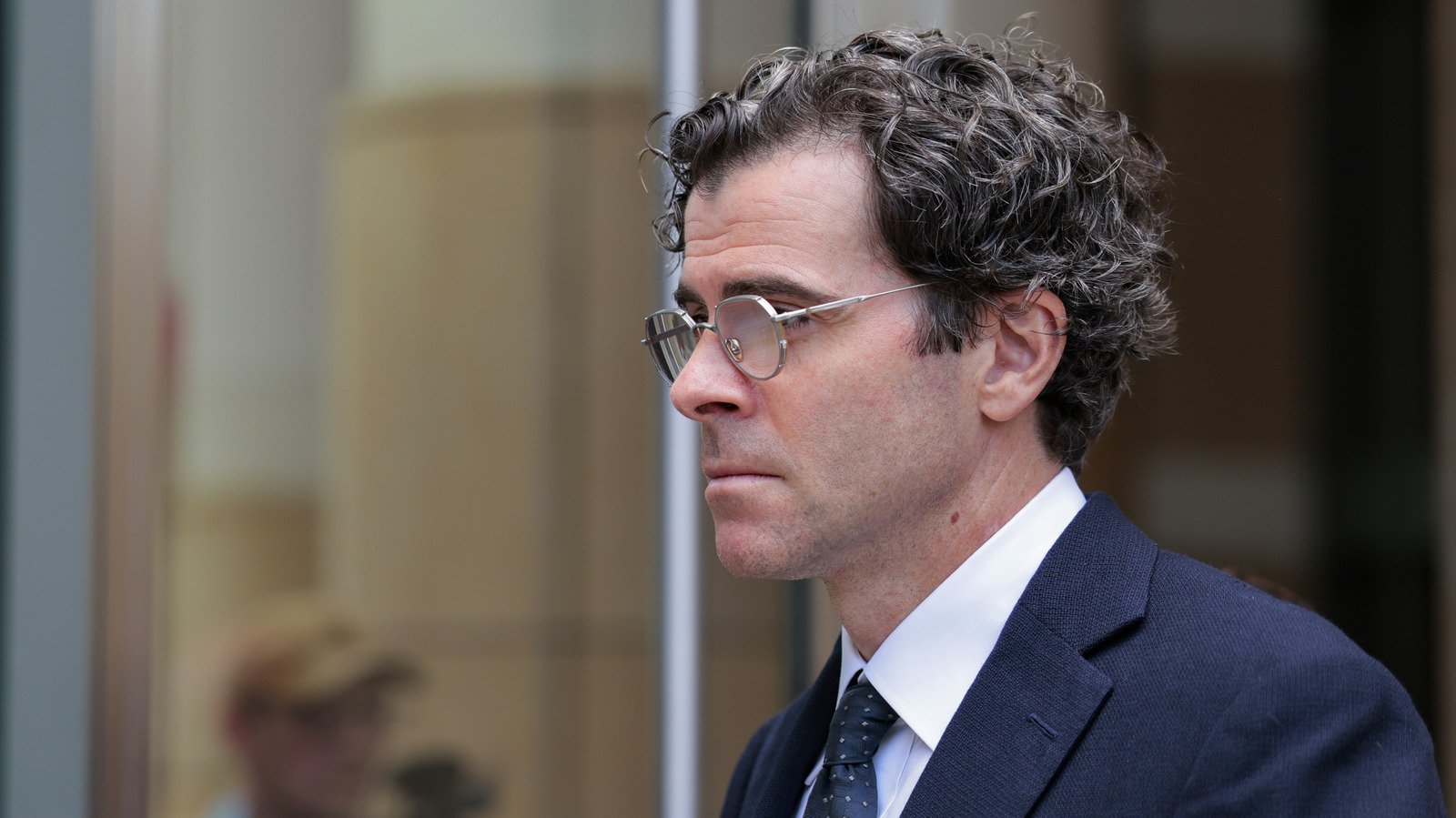
In what is rapidly shaping up to be one of the most consequential legal battles in the history of the tech industry, Instagram head Adam Mosseri took the stand as the first high-profile executive to testify in Meta’s sprawling social media addiction trial. The high-stakes courtroom drama pits Meta against a coalition of attorneys general representing dozens of U.S. states. Plaintiffs are advancing aggressive arguments that Meta deliberately engineered its applications to "hook" vulnerable youth, intentionally prioritizing engagement metrics over teen safety despite holding internal research that clearly highlighted the psychological and physical harms being inflicted on young users.
Mosseri’s testimony quickly descended into intense scrutiny over corporate transparency, internal compliance strategies, and the real-world efficacy of safety features designed to curb compulsive scrolling. Among the most explosive revelations to emerge on the witness stand was Mosseri’s assertion that it was "news to me" when confronted with evidence that a company attorney had instructed Instagram employees to scrub specific, damning statistics from a leadership presentation regarding teen exposure to dangerous content.
As Meta faces potential financial penalties reaching a staggering $1.4 trillion—alongside demands for sweeping, fundamental structural overhauls of how its platforms are designed and operated—Mosseri’s appearance marks a critical turning point. The trial not only places the leadership of Instagram under an unforgiving microscope, but it also casts deep shadows over the internal mechanisms tech conglomerates use to balance legal liability, public relations, and user safety. With CEO Mark Zuckerberg and other high-ranking current and former executives slated to take the stand before the gavel falls, the unfolding proceedings threaten to permanently reshape the regulatory landscape of the modern internet.
Detailed Chronology of the Testimony
The 2023 Slide Deck Controversy
The legal proceedings took a dramatic turn when prosecutors introduced a 2023 internal presentation prepared by Instagram designers and researchers focusing explicitly on teen safety on the platform. The slide deck contained alarming data points indicating that content pertaining to severe mental health challenges—specifically suicide, self-injury, and eating disorders—attracted a "disproportionately large teen audience." According to the findings within the deck, the audience for this high-risk content was two-and-a-half times larger among teenagers than among adults. Furthermore, the presentation revealed that content classified as "non-recommendable" for minors was nonetheless being consumed by teenagers at a rate 1.5 times higher than that of adult demographics.
However, internal chat logs and messages revealed during the trial showed that a Meta corporate lawyer subsequently intervened, advising the Instagram employees responsible for the presentation to strip out these specific metrics. The stated intent was to "limit" Mosseri’s "exposure to this information."
When pressed about this deliberate curation of data, Mosseri maintained under oath that he had never participated in or encouraged any conversation aimed at restricting his own access to critical information.
"I’m not a legal expert, so I’m not sure what the reasons might be for removing information from presentations before they get to me, but [I’m] not trying to encourage my team to hide anything," Mosseri testified.
He explained his understanding that corporate legal teams routinely review materials to ensure legal compliance and factual accuracy, particularly when regulatory implications are involved. However, the revelation that vital safety data was actively filtered out before reaching the chief executive drew sharp skepticism from the courtroom.
Francesco Fogu’s Cross-Examination
Prior to Mosseri’s appearance, Instagram’s Director of Product Design, Francesco Fogu, testified extensively about the July 2023 presentation and the behind-the-scenes negotiations over what data could safely be included. Fogu expressed personal shock at the legal directive, stating he had never previously been instructed to "hide data from leadership." He noted that while the hard statistics were scrubbed from the main visual slides, he was ultimately permitted to communicate the data "vocally" to leadership, and that the underlying reports remained accessible via hyperlinks embedded within the presentation documents.
During rigorous cross-examination by Meta’s defense counsel, Fogu defended the ultimate utility of the presentation, arguing it served as the vital "catalyst" that directly spurred the creation of Instagram’s modernized teen accounts.
Despite this defense, Fogu faced aggressive questioning from Judge Yvonne Gonzalez Rogers regarding platform metrics, particularly concerning the "take a break" feature—a tool rolled out in 2021 designed to prompt users to step away from endless scrolling. When Judge Gonzalez Rogers pressed Fogu on whether he knew the highest adoption rate the feature had ever achieved, the product design director admitted he did not know.
"You’re the head of this and you don’t know what the highest it’s ever been," Judge Gonzalez Rogers pressed.
"I do not create the dashboards for collecting data. I do not read data. That’s not my job. I just trust my team," Fogu responded.
"And yet, even though you have to trust them, even though you have to design things, you have no idea what those numbers are as you sit here today," the judge countered.
Supporting Context & Metrics: The "Take a Break" Feature Under Fire
The efficacy and adoption rates of Meta’s "take a break" feature became a central flashpoint throughout the testimonies of both Fogu and Mosseri, serving as a microcosm of the broader debate over whether tech companies implement safety tools as genuine solutions or merely as superficial public relations shields.
Disappointing Adoption Rates Among Teens
Internal data and expert testimony painted a bleak picture of how users actually interacted with the tool. George Volichenko, a former data scientist at Meta, testified that the "take a break" feature suffered from a "very low and disappointing" adoption rate among teenagers following its rollout in 2022. According to Volichenko’s analysis of early telemetry data, a negligible 0.165 percent of teenagers initially opted to activate a 10-minute break from the platform. While adoption figures eventually crept upward to a modest 0.2 percent, Volichenko characterized the feature as inherently "easy to dismiss" by young users deeply entrenched in algorithmic loops.
When data regarding the feature’s abysmal initial uptake—peaking at a mere 1.8 percent across all users when introduced in 2021—was brought up in court, Fogu repeatedly demurred, stating he could not verify the accuracy of the statistics.
Mosseri Defends Platform Interventions
Facing intense questioning about these low adoption metrics, Mosseri expressed visible frustration with the courtroom’s laser focus on a single, isolated feature. He argued that judging the company’s entire safety architecture based on the initial uptake of "take a break" ignores the broader, systemic changes Meta has subsequently introduced.
Mosseri pointed to the newly established mandatory Instagram teen accounts—which enforce strict time limits and parental controls by default for users under the age of 16—as a paradigm shift in how the platform protects minors.
"There are many features that are effective, there are many features that are ineffective," Mosseri argued on the stand. To contextualize platform engagement, he added, "One in 50 people today will post a photo or a video to Instagram. That’s a 2% participation rate."
Official Statements and Legal Stakes
The ongoing litigation represents an existential threat to Meta’s business model and operating philosophy. The coalition of state attorneys general is pursuing extraordinary remedies, seeking financial penalties that could climb as high as $1.4 trillion. Beyond monetary damages, plaintiffs are petitioning the court to issue sweeping injunctions that would legally compel Meta to alter foundational aspects of its app design, content recommendation algorithms, and engagement-driven mechanics.
Legal representatives for the states argue that internal documents—such as the filtered 2023 slide deck—prove that Meta executives possessed clear, unambiguous knowledge that their products were cultivating addictive behaviors and exposing vulnerable demographics to psychological harm, yet repeatedly chose mitigation strategies optimized to protect the company’s bottom line rather than children’s mental health.
Meta, conversely, contends that its leadership has consistently acted in good faith, heavily investing in safety infrastructure, developing robust parental supervision tools, and collaborating with independent child development experts. The defense maintains that holding a technology platform liable for broader societal mental health trends mischaracterizes the nature of digital communication and places an impossible regulatory burden on interactive services.
Future Outlook
As Adam Mosseri’s testimony continues, the legal pressure on Meta is slated to intensify exponentially. Mosseri’s return to the stand is expected to bring further cross-examination regarding executive accountability, internal communication protocols, and the exact timelines of when top leadership became aware of algorithmic harms.
Following Mosseri, the trial is expected to feature testimony from a parade of high-profile witnesses, culminating in an anticipated appearance by Meta CEO Mark Zuckerberg. Legal analysts suggest that the rulings emerging from this trial could set a monumental legal precedent, effectively redefining the legal liability of social media corporations for user addiction, data transparency, and youth protection. Whether the trial results in historic financial penalties or mandates structural changes to the digital ecosystem, the revelations brought to light this week have permanently altered the public and legal narrative surrounding Big Tech accountability.