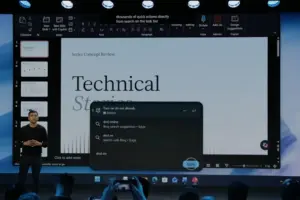
The tech industry’s gaze turns to San Francisco as Microsoft prepares to host its landmark Windows and Surface event. Billed as a defining moment for the future of personal computing, the keynote promises to pull back the curtain on the next generation of hardware, operating systems, and accelerated computing. At the center of the agenda are two of tech’s most influential leaders—Microsoft CEO Satya Nadella and NVIDIA CEO Jensen Huang—taking the stage alongside Windows and Devices chief Pavan Davuluri.
For Microsoft, the stakes could not be higher. Following a tumultuous period marked by public skepticism over early artificial intelligence rollouts and the rapid, unpredictable evolution of the Copilot+ PC ecosystem, the company needs a definitive win. Today’s event is expected to provide comprehensive details on the heavily teased Surface Laptop Ultra and the revolutionary NVIDIA RTX Spark superchip architecture.
Beyond hardware, industry watchers anticipate major updates regarding "Agentic AI" integration within Windows—an evolution designed to move AI from simple prompt-response tools to autonomous digital assistants capable of executing complex workflows. With live coverage set to capture every major announcement, this event marks a critical turning point in how Microsoft and its hardware partners envision the PC of the late 2020s.
Detailed Chronology: The Road to the 2026 Windows & Surface Showcase
To understand the weight of today’s announcements, it is necessary to retrace the timeline of how Microsoft and NVIDIA engineered this hardware convergence.
Early 2026: The Initial Tease at Microsoft Build
The foundation for today’s showcase was quietly laid earlier this year during Microsoft’s Build developer conference. Amid a packed agenda of cloud architecture updates and developer tools, Microsoft offered the tech world a brief, tantalizing glimpse of the Surface Laptop Ultra. Even in its preliminary form, the device turned heads. Industry insiders immediately recognized it as a departure from standard iterative updates; it was engineered from the ground up to leverage elite graphics and machine-learning architecture through a partnership with NVIDIA.
Late Summer 2026: Escalating Teasers and Industry Speculation
As summer drew to a close, the marketing machinery surrounding the event shifted into high gear. Microsoft utilized social channels—most notably through official handles on X (formerly Twitter) and YouTube—to officially confirm the joint appearance of Satya Nadella and Jensen Huang. The inclusion of the NVIDIA RTX Spark brand in joint promotional material signaled that this event was not merely a routine Surface refresh, but a watershed moment for Windows-on-NVIDIA hardware integration.
October 2026: The San Francisco Gathering
Today’s proceedings, scheduled for a one-hour live broadcast originating from San Francisco at 10:00 AM PT (1:00 PM ET), bring together key stakeholders from the PC ecosystem. Senior tech journalists and hardware analysts are stationed on-site to break down the announcements in real time, tracking how Microsoft plans to reconcile its ambitious AI software roadmap with tangible, high-performance consumer hardware.
Supporting Context & Metrics: Unpacking the Surface Laptop Ultra and RTX Spark
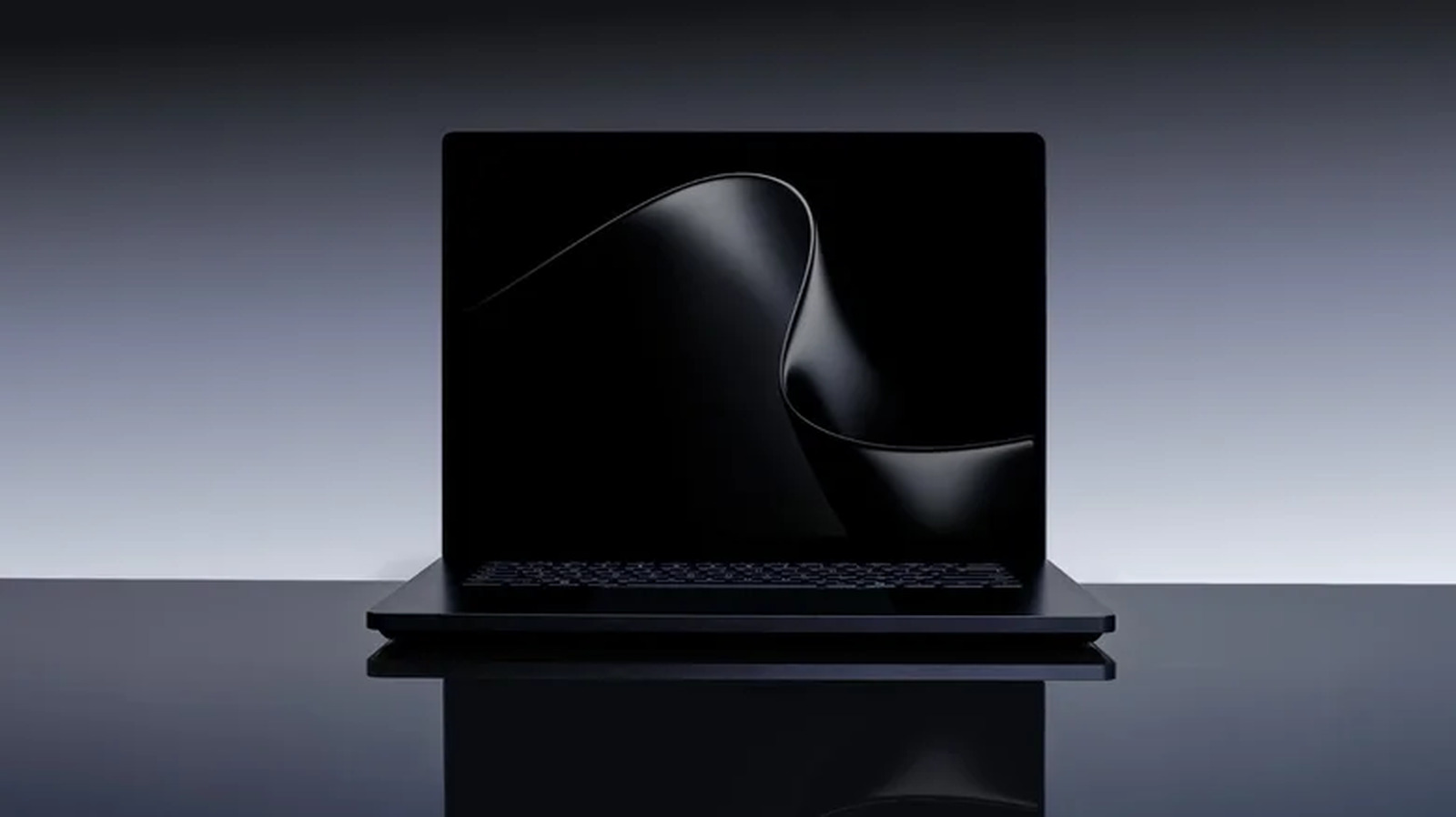
The hardware taking center stage today represents a radical shift in mobile computing engineering. The Surface Laptop Ultra is positioned as the most powerful computing device ever to bear the Surface moniker, driven by the sheer computational throughput of the NVIDIA RTX Spark platform.
Hardware Specifications and Ergonomic Design
- Display Technology: A stunning 15-inch mini-LED panel capable of hitting a blinding 2,000 nits of peak brightness, offering unprecedented HDR performance and outdoor legibility for creative professionals.
- Processing Architecture: Powered by the NVIDIA RTX Spark superchip, bringing enterprise-grade parallel processing and real-time ray tracing capabilities directly to an ultra-thin laptop form factor.
- Input and Interaction: Features the largest trackpad ever engineered by Microsoft, coupled with haptic feedback improvements designed to rival the best trackpads in the industry.
- Connectivity: In an era where modern ultraportables are shedding legacy ports in pursuit of thinness, the Surface Laptop Ultra bucks the trend by offering a generous array of inputs, including USB-C, USB-A, and a full-sized SD card reader—a massive win for photographers, videographers, and power users.
The Software Horizon: Agentic AI and the Redemption of Copilot+
Hardware is only half the equation. Microsoft’s software strategy must navigate a delicate path today. The initial rollout of Copilot+ PCs faced headwinds, characterized by user privacy concerns, high hardware entry barriers, and features that occasionally felt more like marketing gimmicks than essential productivity enhancements.
To course-correct, Microsoft is expected to introduce deeply integrated Agentic AI capabilities into the Windows operating system. Unlike passive chatbot assistants, Agentic AI architectures are designed to act autonomously on behalf of the user—managing files, automating cross-application workflows, and predicting user needs across complex multi-step tasks. Coupled with the local processing muscle of the NVIDIA RTX Spark, these features will theoretically run locally, addressing previous privacy and latency criticisms head-on.
Official Statements and Industry Perspectives
The collaborative nature of today’s event underscores a shifting paradigm in Silicon Valley: the traditional boundaries between operating system developers, silicon designers, and original equipment manufacturers (OEMs) are blurring.
In the lead-up to the event, Microsoft’s marketing communications highlighted the holistic nature of the upcoming announcements, noting that attendees will witness "the latest innovations across Windows, NVIDIA RTX Spark, Surface, and the broader PC ecosystem."
Industry analysts point out that Jensen Huang’s presence on stage alongside Satya Nadella signifies a deeper integration of NVIDIA’s technology stack into the consumer Windows experience than ever before. For years, Windows laptops relied primarily on integrated graphics or standard discrete GPUs for specialized workloads. The introduction of the RTX Spark architecture suggests a dedicated push to make advanced AI workflows, high-end gaming, and professional rendering standard expectations for high-end consumer laptops.
However, challenges remain. Pavan Davuluri, leading Windows and Devices, faces the formidable task of convincing developers and enterprise buyers that these cutting-edge hardware-software integrations justify premium pricing points in an uncertain global economic climate.
Future Outlook: What This Means for the PC Ecosystem
As the livestream wraps up and the first hands-on impressions ripple across the tech landscape, the long-term implications of the Microsoft-NVIDIA partnership will begin to crystallize.
- The Evolution of the Premium Laptop: If the Surface Laptop Ultra lives up to its spec sheet—combining a 2,000-nit mini-LED display, a robust port selection, and RTX Spark processing power—it will establish a new benchmark for what professional-grade Windows machines should offer. Competitors like Apple, Dell, and HP will be forced to respond with similarly accelerated architectures.
- The Maturation of AI on the Desktop: The pivot toward Agentic AI will test whether consumers are ready for autonomous operating system features. If Microsoft can deliver a reliable, secure, and genuinely helpful AI assistant that operates locally via powerful silicon, it could successfully revitalize the sluggish PC upgrade cycle.
- Ecosystem Harmonization: The close collaboration between Microsoft and NVIDIA points toward a future where hardware and AI models are co-designed from the silicon up. This tight integration may ultimately solve the fragmentation issues that plagued early AI PC rollouts.
The announcements made in San Francisco today will reverberate through the consumer electronics market for years to come. Whether the Surface Laptop Ultra and the NVIDIA RTX Spark can deliver on their lofty promises remains to be seen, but one thing is certain: the era of standard personal computing has officially evolved.