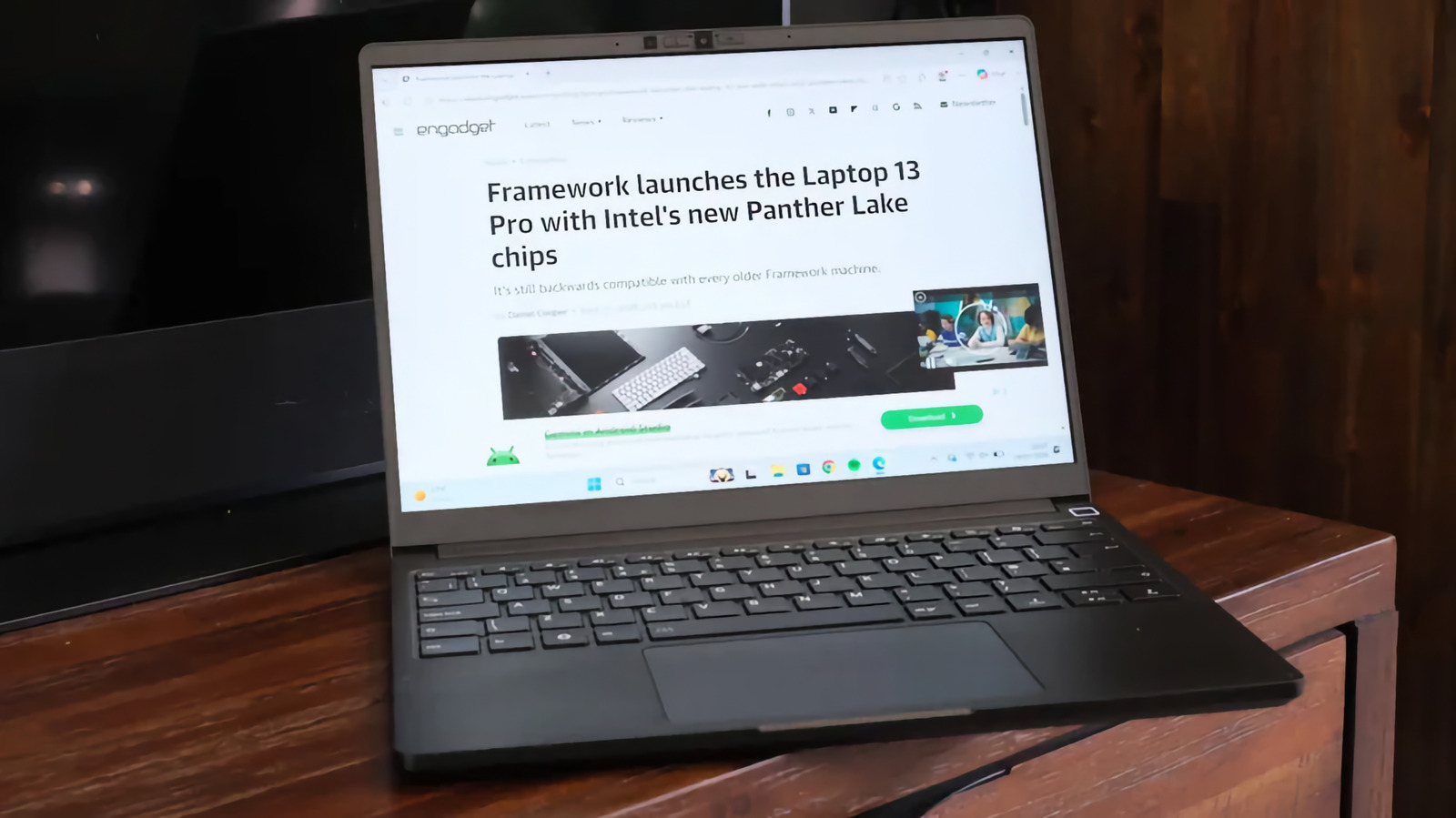
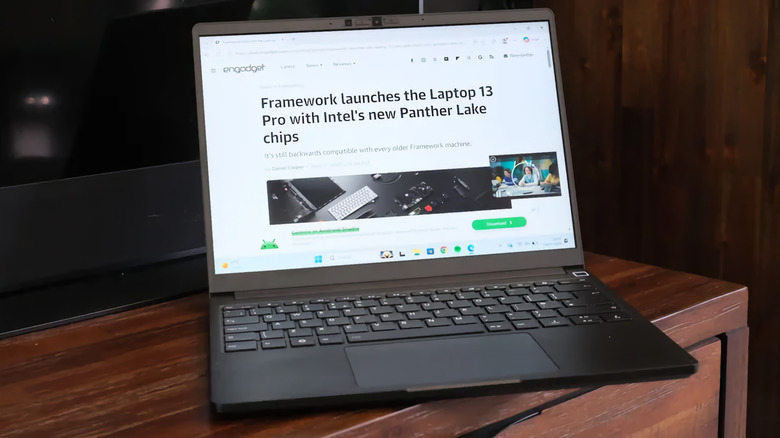
Framework Computer, the celebrated consumer electronics manufacturer renowned for its modular, highly repairable, and sustainably upgradeable laptops, has confirmed that customer personal data was compromised in a third-party cybersecurity incident. In an official notification dispatched to its customer base late Thursday, August 6, the company revealed that unauthorized actors gained access to internal business databases managed by an external software provider, Metabase.
According to the disclosures, the exposed dataset encompasses sensitive personally identifiable information (PII), including customer full names, login IP addresses, physical shipping and billing addresses, telephone numbers, and email addresses. Fortunately, Framework has categorically assured its users that financial information, including credit card numbers and banking details, remained entirely unexposed and secure, as payment processing is handled through isolated, dedicated payment gateways separate from the compromised provider.
While the data breach impacts a broad swath of Framework’s clientele, the incident highlights the pervasive vulnerabilities inherent in modern digital supply chains. Framework itself was not directly breached at its network perimeter; rather, the attack leveraged a sophisticated exploit against Metabase, the business intelligence and database software provider used by Framework and countless other global enterprises.
For Framework, this security lapse arrives at a profoundly delicate juncture in its corporate lifecycle. The company has spent years cultivating a fiercely loyal community of tech enthusiasts, right-to-repair advocates, and eco-conscious consumers by championing hardware longevity and transparency. However, this data exposure compounds a grueling period of operational and financial strain. Over the preceding months, Framework has navigated severe supply chain turbulence—most notably a punishing global RAM shortage that forced abrupt, dramatic price hikes and frustrating preorder adjustments.
As regulatory bodies scrutinize data privacy practices and customers grow increasingly weary of corporate data exposures, this incident serves as a critical test of Framework’s foundational ethos: accountability, radical transparency, and continuous improvement in the face of adversity.
Detailed Chronology of the Incident
Understanding the trajectory of the Framework data breach requires tracing the timeline from the initial discovery of the vulnerability to the coordinated incident response executed by both Metabase and Framework.
The August 3 Discovery
The security event originated within the infrastructure of Metabase, the third-party business intelligence platform leveraged by Framework for internal data analytics and database management. On August 3, security teams at Metabase identified suspicious activity and confirmed an active intrusion into their systems. Immediate containment protocols were initiated to halt the unauthorized access and isolate the affected environments.
According to technical advisories published by Metabase, the threat actor successfully infiltrated the system by exploiting a previously unknown security flaw—commonly referred to in the cybersecurity industry as a zero-day vulnerability. Because the flaw was entirely unpatched and unknown prior to the attack, traditional security monitoring tools failed to prevent the initial ingress.
Investigation and Vendor Response
Following the initial containment on August 3, Metabase mobilized internal incident response teams alongside a specialized third-party forensic investigation firm. The objective of this partnership was to conduct a comprehensive root-cause analysis, map the exact movement of the attacker within the network, and determine the full scope of data exfiltration.
Metabase released a formal security advisory outlining its preliminary findings. The provider confirmed that the zero-day vulnerability had been successfully identified, isolated, and patched across its infrastructure. However, Metabase emphasized that its forensic investigation remains ongoing. In an incident update shared directly with Framework, Metabase noted: "We are working with a third-party forensic investigation firm to understand the full nature and scope of the event."
Framework’s Internal Audit and Remediation
Upon receiving formal notification from Metabase regarding the breach of the shared business databases, Framework’s internal security and IT teams swung into action. Recognizing the urgency of the situation, the company executed a series of immediate defensive maneuvers to secure its corporate ecosystem:
Credential Rotation: Framework immediately invalidated and rotated all internal administrative credentials, API keys, and access tokens associated with Metabase and connected enterprise systems.
Access Auditing: A rigorous forensic audit was conducted to review system logs, verifying that the breach was strictly quarantined within the external Metabase infrastructure. Framework confirmed that there were no unauthorized changes to administrative access controls or internal corporate networks outside of the third-party vendor platform.
Vendor Evaluation: In the wake of the incident, Framework leadership initiated a comprehensive policy review regarding third-party vendor risk management. The company has pledged to overhaul its data storage and sharing methodologies, minimizing the footprint of sensitive customer data shared with external analytics and database providers.
Supporting Context & Metrics: Navigating a Triple Crisis
The timing of this data breach could scarcely be worse for Framework. The hardware manufacturer is currently attempting to stabilize its market position while fighting fires on three distinct fronts: supply chain instability, component price inflation, and now, enterprise security remediation.
The Global RAM Shortage and Price Volatility
Throughout late 2023 and into the current calendar year, the global semiconductor and memory markets have experienced severe supply disruptions, driving up the cost of dynamic random-access memory (DRAM). While mega-corporations like Apple, Dell, and Lenovo possess the financial muscle and long-term procurement contracts to weather such storms, smaller, independent manufacturers like Framework absorb the full brunt of market volatility.
In January, Framework took the difficult step of adjusting its hardware pricing upward, citing soaring component acquisition costs. By March, the situation had deteriorated further, forcing the company to implement a second round of steep price increases across its product stack—with some desktop and modular upgrades seeing dramatic cost surges.
Preorder Fallout and Compromised Specifications
The apex of Framework’s operational turbulence arrived alongside the rollout and preorder phase of its highly anticipated product lines, including the Framework Laptop 13 Pro powered by cutting-edge mobile processors, and the innovative eGPU expansion kits designed for the Laptop 16.
Faced with a debilitating memory market, Framework found itself unable to source sufficient quantities of RAM at sustainable prices to fulfill preorders according to original specifications. In an unprecedented move that threatened to alienate its core enthusiast base, the company was forced to ship certain preorders with lower RAM capacities than originally advertised. While Framework offered full financial refunds and compensation options to customers unwilling to accept the modified configurations, the logistical friction and reputational damage were palpable.
The Cumulative Impact on Customer Trust
In the consumer technology sector, hardware can be engineered, manufactured, and shipped, but consumer trust is an intangible asset that takes years to build and moments to shatter. Framework’s brand loyalty has historically been anchored in its counter-cultural rejection of planned obsolescence. Customers buy Framework laptops not just because they are modular, but because they believe in the company’s corporate integrity and transparent communication.
The convergence of memory-driven price hikes, modified hardware specifications, and now a third-party data breach places immense strain on that trust. While the data breach originated externally via Metabase, modern consumers rarely draw fine distinctions between a brand and its chosen software vendors; to the affected user, a breach of Framework’s customer database is a breach of Framework itself.
Official Statements and Corporate Communication
Transparency has historically been Framework’s calling card, and the company’s leadership moved quickly to address the incident through direct, unvarnished communication with its customer base.
The Customer Notification Email
Distributed late Thursday, August 6, the official notification email sent by Framework sought to balance transparency with reassurance. The company outlined precisely what information was compromised while clearly demarcating what data remained protected.
The notification read, in part:
"Framework has notified all of its customers that their data was exposed in a breach. Customer names, login IPs, addresses, phone numbers and emails were accessed during a hack of the company’s business database provider Metabase. Payment information was not included in the breach."
By explicitly confirming the exclusion of financial records—specifically credit card numbers, CVV codes, and banking credentials—Framework preempted the panic that typically accompanies financial fraud risks in major cyber incidents.
Metabase’s Disclosure
Metabase, the software vendor at the center of the security event, published an exhaustive security update on its corporate blog. The vendor detailed the nature of the zero-day exploit and outlined the steps taken to remediate the vulnerability.
Metabase’s public statements emphasized accountability while underscoring the collaborative nature of the ongoing forensic investigation:
"Someone used an unknown (0-day) vulnerability to access data, which Metabase has now identified and patched. Our findings and security recommendations are preliminary as of now. We are working with a third-party forensic investigation firm to understand the full nature and scope of the event."
Future Outlook: Rebuilding Resilience
As the dust settles on the immediate containment phase of the Framework data breach, the company faces a clear imperative: transform this crisis into an institutional catalyst for enhanced security, operational hardening, and customer engagement.
Elevating Third-Party Risk Management
The incident serves as a sobering reminder that an organization’s security posture is only as strong as its weakest vendor link. Supply chain attacks—wherein threat actors bypass heavily defended corporate perimeters by targeting third-party software-as-a-service (SaaS) providers—are on the rise globally.
For Framework, the mandate moving forward involves a fundamental re-evaluation of its third-party data governance framework. This includes:
Data Minimization: Restricting the volume of personally identifiable information stored within third-party analytics and database platforms.
Rigorous Vendor Auditing: Implementing continuous security assessments, penetration testing requirements, and compliance verifications for all external software partners.
Enhanced Monitoring: Deploying advanced endpoint detection and response (EDR) solutions that monitor data flows between core enterprise systems and external vendor environments in real-time.
Re-Engaging the Community
Framework’s ultimate strength lies in its passionate, highly vocal community. Historically, the company has navigated past missteps by leaning into radical honesty, admitting operational mistakes, and engaging directly with users on forums, Reddit, and social media channels.
To restore absolute confidence, Framework must maintain open channels of communication as Metabase and its forensic partners finalize their investigation. Providing regular updates regarding the scope of the breach, regulatory notifications, and concrete steps taken to secure customer data will be vital in repairing any frayed bonds of trust.
The Road Ahead for Sustainable Computing
Despite the turbulence of the past year—spanning component shortages, pricing volatility, and now a cybersecurity incident—Framework remains the standard-bearer for the right-to-repair movement. The demand for sustainable, upgradeable, and ethically manufactured personal computing devices has never been higher.
By aggressively addressing its security vulnerabilities, tightening its digital supply chain, and staying true to its core mission of user empowerment, Framework possesses the resilience necessary to weather this storm. The journey ahead will require vigilance and discipline, but for an enterprise built on the premise of fixing what is broken, this latest challenge may ultimately yield a stronger, more secure foundation for the future.