
Executive Overview
In the modern digital economy, the chasm between stagnant online ventures and seven-figure enterprises rarely comes down to product superiority or capital reserves. Instead, it rests on a foundational discipline that is frequently misunderstood and under-valued: copywriting.

Across the digital landscape, the most successful customer acquisition engines are built not on expensive, unfocused ad spends, but on precision-engineered written marketing channels. From high-converting blog posts and viral social media architectures to deeply targeted email newsletters, words remain the ultimate currency of digital conversion.
However, a dangerous misconception persists within the industry: the belief that great copywriting is synonymous with eloquent prose, flowery vocabulary, or literary brilliance. In reality, exceptional copywriters are masters of clarity, conciseness, and economic conversion. They do not write to win literary awards; they write to drive measurable return on investment (ROI).
This comprehensive investigative report breaks down the definitive framework for transforming raw writing into a high-leverage growth asset. Drawing from industry-tested methodologies, elite market research techniques, and hard-won lessons from the front lines of digital commerce, this guide outlines the ten essential pillars required to elevate your copywriting from a creative hobby into a predictable, revenue-generating powerhouse.

Detailed Chronology: The Evolution of High-Performance Copywriting
To understand how modern copywriting drives multi-million-dollar outcomes, one must examine the progression of how copywriters extract, test, and deploy language that compels human action. Over the past decade, the craft has evolved from intuition-based persuasion into a data-backed, systematic science.

Phase 1: Deep Discovery and Voice-of-Customer Research
Historically, copywriters sat in isolation, attempting to dream up clever hooks and persuasive angles from a blank document. Modern methodology completely reverses this approach. Exceptional copywriters begin by immersing themselves entirely in the psychological reality of the consumer.

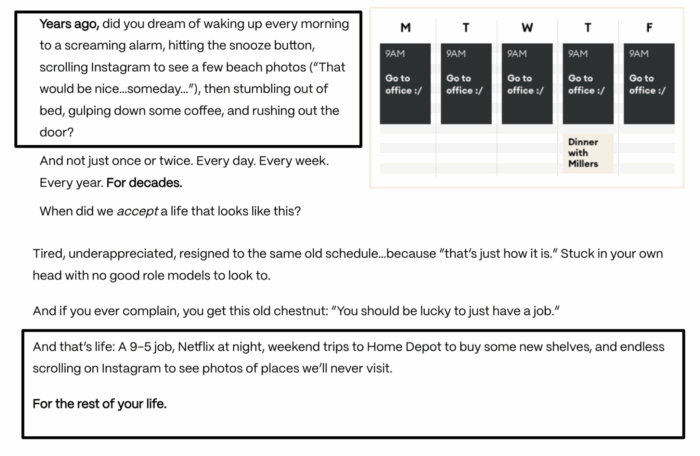
- Mapping the Current Reality: Rather than opening with generic value propositions (e.g., "Learn how to make more money"), top-tier copywriters mirror the exact environmental and psychological friction points of their audience. Consider Ramit Sethi’s landing pages for his flagship program, Earnable. Instead of generic claims, Sethi captures attention by detailing the exact mundane realities of his prospects: the 9-to-5 grind, evening television routines, weekend errands, and endless social media scrolling. This builds instant psychological resonance.
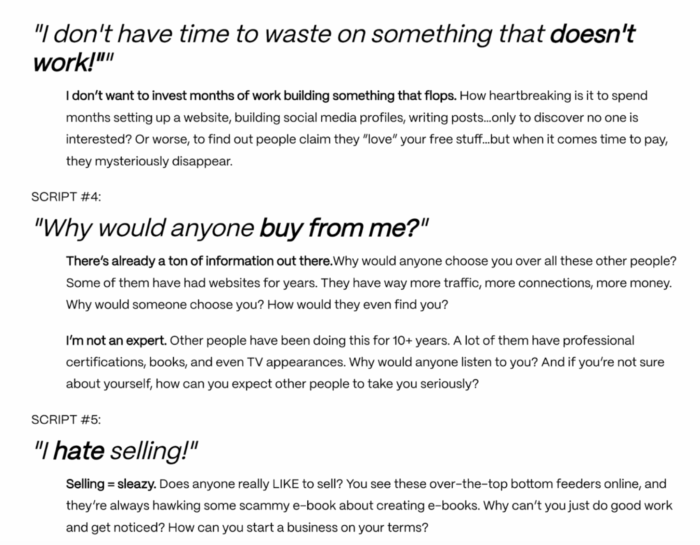
- Leveraging Sales Data and AI: Because modern copywriters often operate under tight deadlines, conducting dozens of live interviews prior to drafting is rarely feasible. Instead, professionals deploy a modern workflow: harvesting sales call transcripts, downloading customer service logs, and feeding them into advanced large language models (LLMs) like ChatGPT. By prompting these tools to analyze call data, copywriters instantly extract the most prevalent customer objections, hidden anxieties, and precise vernacular used by buyers.
- Mining Niche Communities: Platforms like Reddit and specialized Facebook groups serve as goldmines for unvarnished consumer sentiment. Analyzing threads within specific niches reveals not just what customers want, but the exact emotional friction keeping them awake at night.
Phase 2: Competitive Intelligence and Swipe File Architecture
Reinventing the wheel in copywriting is an expensive mistake. Leading competitors in any given industry have already invested hundreds of thousands of dollars testing headlines, angles, and emotional triggers.

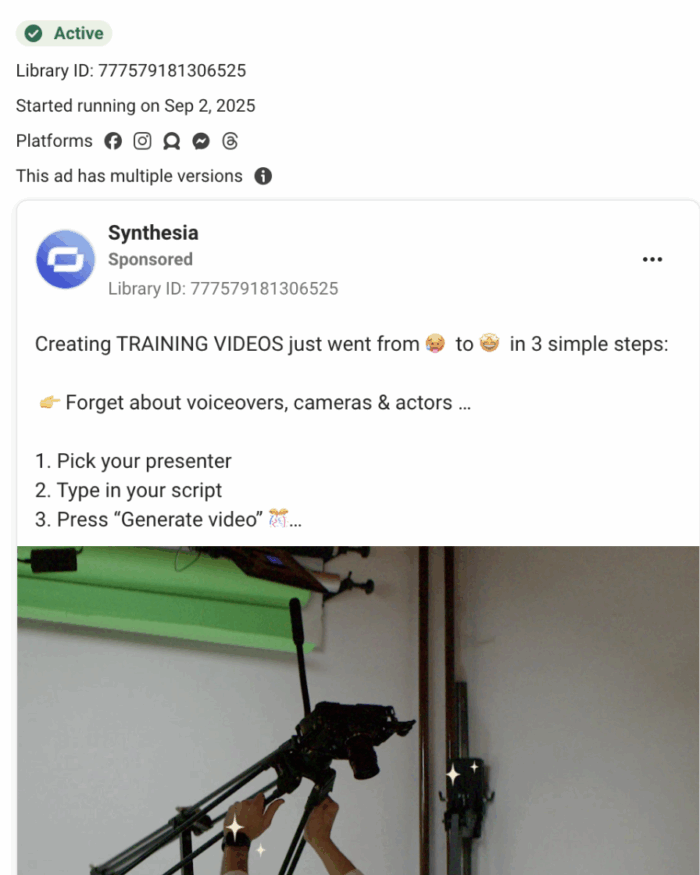
- The Ad Library Advantage: Modern copywriters routinely audit platforms like the Meta Ad Library and LinkedIn Ad Library. By identifying ads that have run continuously for weeks or months, researchers can isolate winning angles. A long-running ad for a corporate training software like Synthesia immediately signals that the friction point of coordinating live video shoots is a high-converting hook.
- Building Curated Swipe Files: Professionals maintain aggressive repositories of high-performing headlines, sales letters, and ad creative. Platforms like SwipeFile.com, curated by veteran copywriter Neville Medhora, allow practitioners to study historical and modern masterclasses in direct response marketing.
Phase 3: Systematic Execution and Process Optimization
Writer’s block is the byproduct of an unstructured writing process. Elite copywriters rely on strict, repeatable frameworks that compartmentalize research, drafting, and editing.
- The Modular Writing Process: By separating research from drafting, writers ensure that every piece of content contains a balanced architecture of pain points, logical bridges, objection handlers, and compelling calls-to-action (CTAs).
- Deliberate Practice via Personal Projects: The most accelerated path to copywriting mastery is not writing for speculative clients, but building and marketing one’s own digital assets. Whether launching an affiliate marketing blog, building a niche software tool via modern development platforms like Lovable, or scaling a dropshipping storefront, driving direct traffic and managing purchase intent forces a writer to learn the immutable laws of conversion economics.
Supporting Context & Metrics: Measuring the ROI of Words
One of the greatest challenges in the copywriting industry is attributing revenue directly to written assets. Amateurs equate high traffic volume or vanity metrics (likes, shares, and superficial engagement) with success. Professionals track bottom-line economic impact.

Channel-Specific ROI Frameworks
-
LinkedIn and Twitter/X Ghostwriting:

- The Trap: Chasing algorithmic impressions and high comment counts from non-buyers.
- The Metric: Analyzing the profile titles and decision-making authority of engaged users. If you sell B2B enterprise software, engagement from junior interns is worthless; engagement from Sales Directors and Chief Marketing Officers signifies high-intent traction. Furthermore, adding specific attribution fields ("How did you hear about us?") to conversion funnels bridges the gap between social content and closed revenue.
-
SEO Blog Content:

- The Trap: Measuring success purely by raw monthly unique visitors.
- The Metric: Implementing robust conversion tracking within analytics suites (such as Google Analytics 4) to track form submissions, demo requests, and product purchases originating from organic search traffic. A blog post driving 500 targeted enterprise buyers is infinitely more valuable than one driving 50,000 casual browsers.
-
Sales Pages and Email Funnels:

- The Metric: Direct attribution through tracked checkout links, promo codes, and automated email revenue metrics (Earnings Per Subscriber / EPS).
Official Statements and Industry Insights
The transformation of copywriting from a creative art into a rigorous, data-driven science has been championed by some of the digital world’s most successful entrepreneurs and educators.

Reflecting on the psychological foundations of audience acquisition, industry leaders emphasize that successful marketing is less about persuasion and more about deep empathy. As noted by modern digital strategists, “Great copywriters deeply understand the exact situation prospects are experiencing and repeat it back to them, proving that you intimately comprehend the pain of their reality.”

Furthermore, the integration of artificial intelligence into the modern copywriting stack has redefined efficiency. Rather than relying on AI to blindly generate entire sales letters—which invariably results in generic, uninspired prose—elite practitioners utilize AI as an analytical partner. Prompts designed to extract pain points, rephrase complex sentences for absolute clarity, and source authentic expert quotes from industry professionals have transformed the editorial workflow.

Finally, the timeless philosophy of execution underscores the entire discipline. As famed investor Naval Ravikant famously observed: "Be impatient with action and patient with results." This duality remains the ultimate guiding principle for building a sustainable, high-yielding copywriting career.

Future Outlook: The Path to High-Earning Copywriting
As artificial intelligence continues to commoditize baseline content creation, the value of human copywriters is shifting upward. The market no longer pays a premium for those who can merely string words together; it rewards those who understand customer psychology, platform algorithms, and revenue attribution.

The future belongs to the T-shaped copywriter: professionals who maintain broad competence across digital marketing fundamentals (SEO, email marketing, personal branding, paid acquisition) while developing deep mastery over a single high-impact platform.

For aspiring digital entrepreneurs and copywriters navigating this complex landscape, the journey can often feel isolated and fraught with trial and error. Accelerating this trajectory requires direct access to proven frameworks, real-world case studies, and rigorous, unvarnished peer feedback from seasoned seven-figure operators.

By committing to relentless daily execution, mastering the voice of the customer, and relentlessly tracking the economic ROI of your words, you can transform copywriting from a simple creative outlet into the foundational engine of a highly lucrative digital business.