Executive Overview
Heading off to university is a quintessential rite of passage, marked by the bittersweet transition from the comforts of home to the independent chaos of student halls. For generations, the standard university packing ritual involved a mishmash of thrift-store pots, hand-me-down bedding, and whatever budget-friendly stationery a student could scrounge together. However, a modern retail trend has upended this traditional narrative.
British high-street stalwart John Lewis recently published its official university packing checklist, and the internet—spearheaded by an unrelenting wave of viral TikTok commentary—is having a field day roasting it. Rather than focusing on budget-conscious essentials, the retailer’s luxury-leaning guide reads more like a curated catalog for high-flying executives than cash-strapped freshers. From a £495 Marc Jacobs tote bag to an £80 spice rack carousel, an £185 Ralph Lauren quarter-zip pullover, and a £50 electronic pepper mill, the recommendations seem entirely detached from the financial reality facing modern students.
This mismatch between luxury retail marketing and the harsh economic climate of the ongoing cost-of-living crisis has ignited a broader cultural conversation. With student loans failing to keep pace with soaring inflation, rent hikes, and daily living expenses, high-end "student essentials" are more than just a laughing matter—they are emblematic of a wider disconnect in consumer markets. This report explores the viral backlash against John Lewis’s luxury guide, examines the economic pressures facing today’s university entrants, and offers a practical, budget-friendly blueprint to help students gear up for higher education without draining their bank accounts.
Detailed Chronology: From Catalog Release to Viral Backlash
The Genesis of the Controversy
The friction began quietly when John Lewis updated its annual online resource portal, releasing what it framed as the definitive "What to Take to University Checklist." Designed to capture the lucrative back-to-university market—a crucial retail period second only to Christmas—the guide aimed to position the department store as a one-stop shop for incoming undergraduates and anxious parents alike.
However, a quick scan of the inventory revealed price points that left seasoned consumers and recent graduates bewildered. Instead of practical dorm-room necessities, the curation leaned heavily into aesthetic-driven, high-ticket luxury goods. Social media users were quick to screenshot and share the most egregious entries, setting the stage for a digital reckoning.
The TikTok Takedown
Within days of the checklist going live, content creators on TikTok began dissecting the inventory piece by piece. Videos mocking the "Wall Street fresher" aesthetic quickly amassed millions of views. Creators juxtaposed the reality of cramped, mold-prone university halls with John Lewis’s luxury suggestions, creating a comedic contrast that resonated deeply with students across the UK.
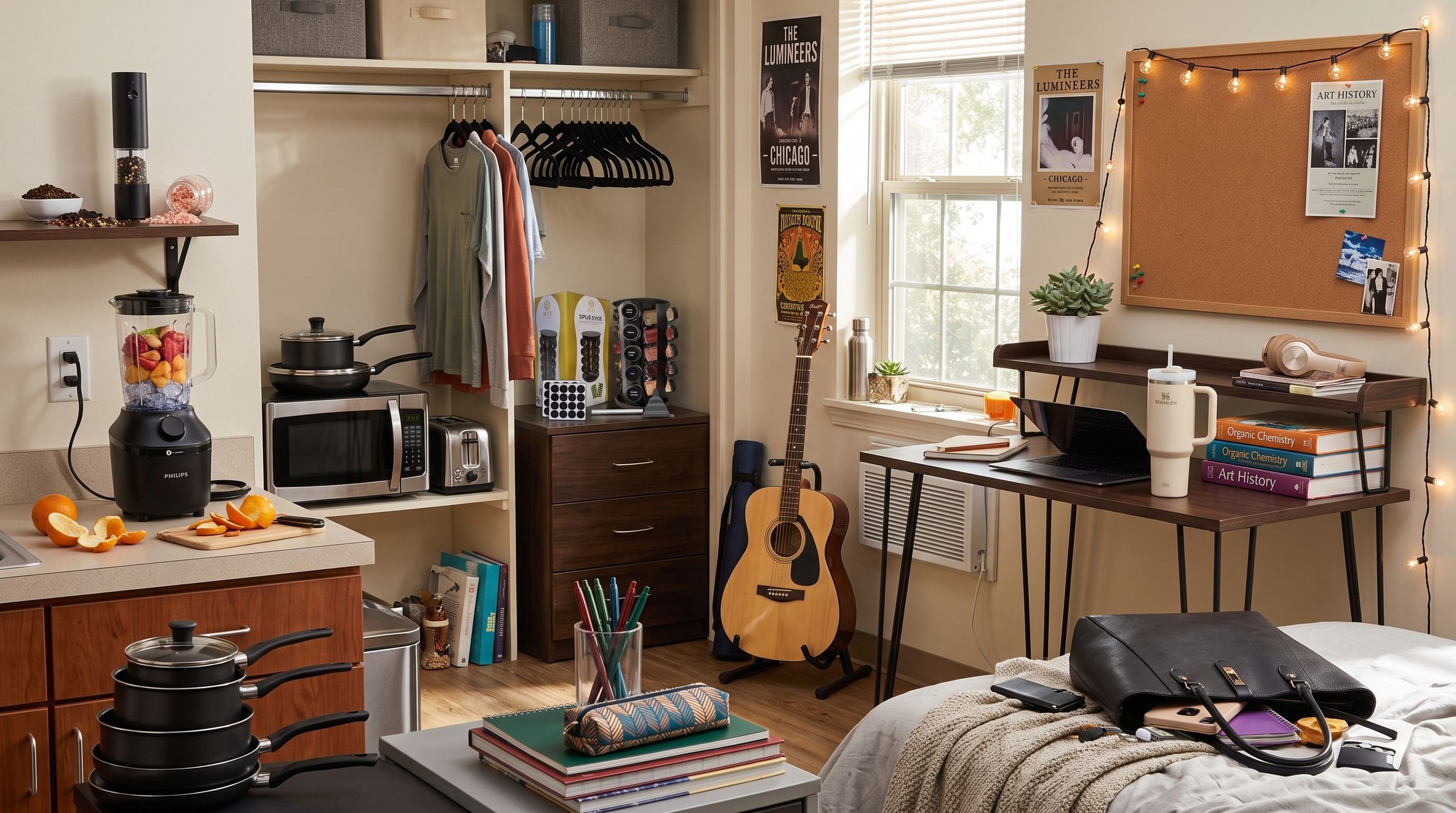
Comment sections flooded with personal anecdotes of university survival. Many pointed out that fitting a £399 desk into a standard-issue university room—which typically measures roughly three by four meters and already comes furnished with institutional-grade furniture—was physically impossible. Others questioned the logic of packing up to 40 "Standard" velvet clothes hangers when the average student wardrobe struggles to hold half that amount.
As the saturation of satirical reviews increased, mainstream media outlets picked up the story, transforming what started as a localized social media roasting into a national discussion about consumerism, class divides, and student poverty in higher education.
Supporting Context & Metrics: The Anatomy of a Luxury List
To understand why the John Lewis checklist caused such a stir, one must examine the specific items highlighted by critics and weigh them against the financial realities of contemporary student life.
The High-End Inventory Breakdown
A closer look at the controversial items featured on the checklist reveals a distinct tilt toward aspirational branding and luxury lifestyle goods:
- The £495 Marc Jacobs Tote: Marketed as a versatile everyday bag for lectures, it costs more than the average monthly maintenance loan allowance allocated for food and utilities in many regions.
- The £399 Desk: Overlooking the fact that almost all university accommodations provide a built-in desk, this premium furniture piece assumes students have both the space and the disposable income to upgrade institutional interiors.
- The £185 Ralph Lauren Quarter-Zip: Aimed at freshers hoping to project a Wall Street aesthetic, this garment highlights how university fashion has increasingly intersected with high-end streetwear and corporate-casual trends.
- The £80 Spice Rack Carousel & £50 Cole & Mason Electronic Pepper Mill: While culinary enthusiasm is commendable, outfitting a shared student kitchen—infamous for burnt toast and communal friction—with gourmet culinary accessories feels fundamentally mismatched with communal living conditions.
- The Rose Quartz Stanley Quencher: A ubiquitous status symbol on campuses worldwide, this viral insulated cup remains a staple of modern hydration culture, though at a premium price point.
The Financial Realities of Modern Student Life
The backlash against these recommendations cannot be separated from the broader economic landscape. According to recent studies by student finance platforms and consumer advocacy groups, the value of maintenance loans has consistently failed to keep pace with inflation and soaring student accommodation costs.
| Financial Metric | Estimated Average (UK/Global Context) | Impact on Students |
|---|---|---|
| Average Monthly Maintenance Loan | Varies by region (~£450–£750/month) | Frequently consumed entirely by rent before food or utilities are factored in. |
| Average Student Accommodation Rent | Rising significantly year-on-year | Leaves minimal disposable income for non-essential lifestyle upgrades. |
| Cost of John Lewis "Luxury" List | £1,200+ for curated items | Exceeds the total discretionary budget for an entire semester. |
When students are forced to choose between paying for mandatory course textbooks, groceries, and heating, suggestions to invest in an £80 spice rack carousel appear tone-deaf at best and predatory at worst.
Official Perspectives and Market Response
While John Lewis has not issued a formal, apologetic retraction regarding the specific pricing of its checklist, retail analysts and consumer behavior experts have weighed in on the philosophy behind such marketing campaigns.
The Retailer’s Strategy: Aspirational Curation
From a retail merchandising perspective, department stores like John Lewis operate on a dual mandate: providing functional utility while selling an aspirational lifestyle. Back-to-university guides are historically designed to appeal not just to the students themselves, but crucially to affluent parents—often dubbed the "Bank of Mom and Dad"—who may be willing to subsidize their child’s transition to independence with higher-quality, long-lasting goods.
Industry analysts note that high-street retailers frequently inflate the upper boundary of their product recommendations to anchor consumer perception. By showcasing premium items alongside more moderately priced alternatives, stores hope to capture a wide spectrum of spenders. However, in an economic climate where the median consumer is hyper-aware of every penny, this strategy carries a distinct risk of alienating core shoppers.
Consumer Advocacy and the Shift Toward Pragmatism
In response to tone-deaf luxury guides, consumer watchdogs and frugal lifestyle influencers have rallied to provide actionable alternatives. The narrative has shifted decisively from "what you should buy to look the part" to "what you actually need to survive and thrive academically."
Educational psychologists and university support staff have also chimed in, noting that excessive materialism during freshers’ week can exacerbate feelings of inadequacy and financial anxiety among lower-income students. Creating an inclusive campus environment begins with normalizing modest living arrangements and shifting the focus away from superficial status symbols.
Future Outlook: Smart Budgeting for the Modern Student
For incoming freshers looking to sidestep the financial trap of luxury packing lists, the key lies in strategic, intentional purchasing. Modern students do not need a £399 desk or a designer tote bag to excel in their studies. Instead, resources should be channeled toward tools that directly impact academic performance and well-being.
The Thrifty Student Survival Guide: High-Rated, Low-Cost Alternatives
If you want to capture the organized, aesthetically pleasing vibe of a curated university checklist without blowing your entire budget, consider these budget-friendly, highly-rated alternatives (all boasting stellar consumer ratings of 4.5 stars or higher on platforms like Amazon):
- Dorm Organization: Skip the luxury velvet hangers priced at premium department store rates. Multi-packs of standard non-slip velvet hangers are widely available online for a fraction of the cost, saving both wardrobe space and money.
- Hydration Culture: Instead of chasing hyper-expensive viral flasks, insulated stainless steel water bottles from trusted budget brands offer identical thermal retention properties at a quarter of the price.
- Kitchen & Culinary Gear: Leave the electronic pepper mills and designer spice carousels behind. A simple, sturdy set of manual grinders and second-hand cookware sourced from local charity shops or online marketplace groups will serve you far better in a communal kitchen.
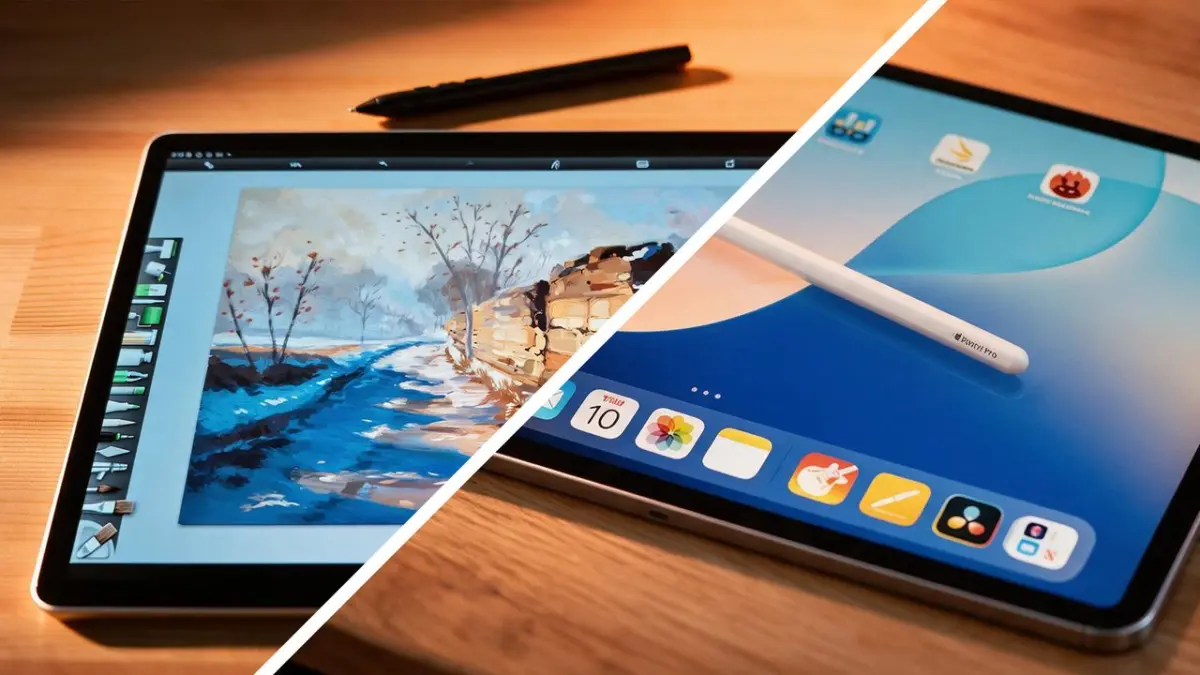
- Academic Essentials: Prioritize your funds where they matter most. Invest your savings into reliable technology—such as one of the best student-friendly laptops or a versatile digital drawing tablet—which will form the bedrock of your academic success throughout your degree.
Conclusion
The roasting of John Lewis’s university packing list on TikTok is more than just a passing internet joke; it is a symptom of a deeper cultural fatigue with out-of-touch consumerism. As higher education becomes increasingly financialized, the ability to laugh at absurdly priced luxury goods offers a brief, unifying catharsis for students navigating tough economic waters.
Ultimately, university success is defined by curiosity, resilience, and academic dedication—none of which can be purchased off a department store shelf. By filtering out the noise of luxury marketing and focusing on practical, cost-effective essentials, students can step onto campus with confidence, knowing their bank accounts are intact for the journey ahead.