Executive Overview
On October 9, 2026, Apple officially signaled the arrival of iOS 27.2, the first major incremental update following the rocky, bug-plagued rollout of the original iOS 27 platform. Designed to stabilize the user experience—particularly for the hardware-heavy iPhone 18 Pro—the update serves as a critical bridge between the initial launch of the latest mobile operating system and the more expansive features expected in the coming year.
While the primary impetus for this release is stability, Apple has used this opportunity to push forward its "Apple Intelligence" initiative and overhaul core utility applications. Most notably, the Health app has undergone a significant architectural redesign, positioning it as a centralized hub for holistic wellness. From the integration of advanced computer vision for fitness tracking to the expansion of localized language support for Siri AI, iOS 27.2 represents a calculated effort to refine the intersection of biometric data, artificial intelligence, and daily user convenience.
Detailed Chronology: From Launch Glitches to 27.2
The journey to iOS 27.2 began in the late summer of 2026. The initial launch of iOS 27 was met with significant backlash from power users and casual consumers alike. Reports of system instability, battery drain, and thermal throttling on the newly released iPhone 18 Pro series created a PR hurdle for Apple.
- September 2026: The immediate release of iOS 27.0.1 served as a "hotfix" to address critical kernel panics and display flickering reported by early adopters.
- Early October 2026: Beta testing for iOS 27.2 accelerated, signaling to the developer community that Apple was ready to move beyond mere bug-fixing into functional expansion.
- October 9, 2026: The official announcement of the 27.2 build, focusing on long-term health metrics, accessibility, and UI refinements.
The current update is currently in the hands of the beta community. For those willing to accept the inherent risks of pre-release software, the update can be installed via the Apple Beta Software Program. However, we strongly advise a comprehensive iCloud or local encrypted backup before proceeding, as the complexity of the new Health app’s database migrations carries a non-zero risk of data corruption.
Supporting Context & Metrics: The Health App Overhaul
The centerpiece of this update is undeniably the Health app. Apple’s long-term strategy involves moving from a reactive health tracker—counting steps and heart rate—to a predictive wellness platform.
The "Longevity" Framework
The new "Longevity" tab is the most substantial addition to the ecosystem. It aggregates data across seven distinct pillars:

- Metabolic Health: Integrating with third-party glucose monitors and dietary tracking.
- Mental Wellbeing: Analyzing HRV (Heart Rate Variability) and cognitive recovery patterns.
- Nutrition: Enhanced logging capabilities that interface with machine learning to estimate caloric and macronutrient density from photos.
- Movement & Flexibility: Utilizing the iPhone 18 Pro’s improved LiDAR and wide-angle sensors to perform "form analysis" during workouts.
- Heart Health: Advanced diagnostic alerts that correlate with physical activity peaks.
- Sleep Architecture: Deep-dive analysis into REM and Deep Sleep cycles.
- Auditory Health: Environmental noise analysis integrated with headphone usage.
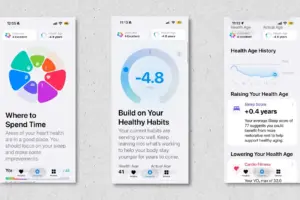
The "Health Age" feature, which utilizes a composite score based on the above metrics to estimate one’s biological age relative to chronological age, is expected to be a major talking point. Furthermore, the ability for the iPhone to visually audit exercise form—tracking flexibility, balance, and strength—marks a significant leap in how mobile devices participate in athletic training.
Intelligence in Action: Expanding "Call Context"
Apple Intelligence continues to permeate the OS, specifically within the Phone and FaceTime applications. "Call Context" is a prime example of proactive computing. By scanning metadata from calendars, emails, and notes, the system anticipates the nature of an incoming or outgoing call.
In iOS 27.2, this feature gains "Anniversary Alerts." While some critics might argue that technology is eroding our ability to remember personal milestones, the feature is undeniably useful for managing complex social and professional schedules. If you are on a call with a contact and the device identifies an upcoming anniversary or birthday, a subtle, unobtrusive alert appears on the Dynamic Island, providing the user with a social "safety net."
Accessibility and User Experience
The inclusion of American Sign Language (ASL) support in FaceTime is a long-awaited milestone. Originally hinted at during the May 2026 accessibility summit, this API allows for the integration of real-time sign language interpretation during video calls. This is a massive step forward for inclusivity, ensuring that deaf and hard-of-hearing users are not relegated to text-based communication when video is a viable option.
UI Refinements: A Visual Shift
Apple’s design language is subtly shifting. In the Music app, the aggressive use of red accents—a staple of the Apple Music identity—is being dialed back in favor of a cleaner, more neutral black-and-white aesthetic. This change, while minor, aligns with the "pro-grade" minimalism Apple has been pushing across its iPadOS and macOS ecosystems.
Additionally, the Podcasts app has undergone a labeling change, shifting from "Up Next" to "New Episodes," a semantic tweak aimed at helping users differentiate between queued content and fresh, unplayed media.

Official Statements and Developer Guidance
While Apple rarely comments on specific bugs, the focus on the iPhone 18 Pro within the 27.2 patch notes suggests an internal prioritization of hardware-software synergy. By expanding Siri AI to include French, Japanese, Korean, Portuguese, and Spanish, Apple is signaling that it is finally ready to scale its generative AI capabilities to a global audience.
Developers have been instructed to ensure their apps are compatible with the new "Excluded Apps" framework for Siri. This allows users to granularly control which apps have permission to interact with the device’s AI core, addressing privacy concerns that were raised during the initial iOS 27 launch.
Future Outlook: What Lies Ahead?
The rollout of iOS 27.2 suggests that Apple is entering a "refinement phase." The era of massive, sweeping OS changes that disrupt user workflows is being replaced by a more modular, AI-driven update cycle.
Looking forward, the roadmap for 2027 likely includes:
- System-Level Profiles: As noted, the current Apple TV profiles implementation on iPad is a half-measure. We expect Apple to eventually move toward a true multi-user system for the iPhone, allowing for "Work" and "Personal" personas that are completely siloed at the hardware level.
- Deeper AI Integration: With Siri AI now supporting more languages, the next frontier will be local on-device processing for more complex, multi-modal tasks, reducing the latency currently seen in cloud-reliant requests.
As we move into the final quarter of 2026, the success of iOS 27.2 will likely be measured by its ability to restore user confidence in the iPhone 18 Pro hardware. For the average user, these changes might seem incremental, but when viewed as a whole, they represent a significant maturation of the Apple ecosystem. The move toward holistic health tracking, combined with smarter, more proactive AI features, suggests that Apple is positioning the iPhone not just as a communication tool, but as a comprehensive health and lifestyle companion.
For now, the advice remains clear: if you are experiencing stability issues with your current build, the update to 27.2 is not just recommended—it is essential.