
Executive Overview
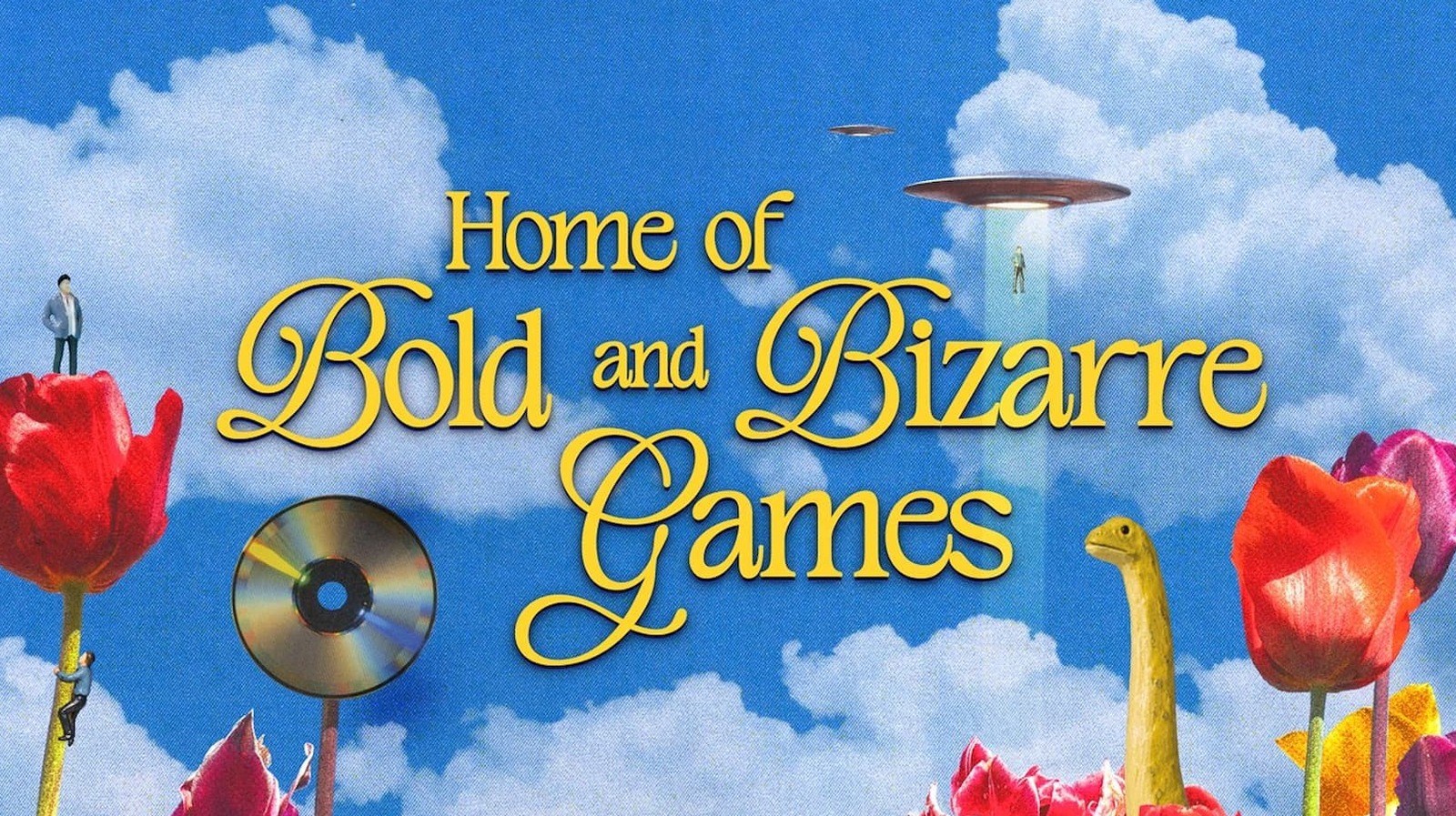
In an era dominated by algorithmic discoverability, data-driven homogenization, and the creeping normalization of generative artificial intelligence in creative pipelines, the independent games landscape has found an outspoken champion. Curator-turned-publisher Pantaloon has officially launched The Playbill, a fresh subscription service engineered specifically to champion the eccentric, the experimental, and the delightfully weird corners of indie game development.
Positioned as an indie-centric alternative to monoliths like Xbox Game Pass, the Playbill introduces a distinct ethos to digital distribution: a strict, uncompromising ban on generative AI. By explicitly refusing to platform any project utilizing synthetic assets, machine learning art, or AI-generated writing, Pantaloon is planting a flag in the ground for human artistry.
Priced accessibly at $5 per month or $60 annually, the service marries a revolving digital storefront with curated bundles, community-driven alternate reality games (ARGs), and an innovative key-based subscription model. For players fatigued by algorithmic recommendations and developers crushed under the weight of saturated digital storefronts, the Playbill offers a refreshing return to the roots of grassroots game discovery.
Detailed Chronology: From Curated Newsletter to Indie Publisher
Pantaloon’s journey to becoming a publisher and subscription service provider is a testament to organic community building in the modern digital age. The entity did not emerge overnight as a venture-capital-backed corporate giant; rather, it evolved deliberately from a niche, highly engaged enthusiast community.
The Newsletter Genesis
Before entering the publishing sphere, the minds behind Pantaloon cultivated an audience of over 50,000 dedicated newsletter subscribers. This community was not built on passive consumption. Instead, Pantaloon engaged its readership through complex, interactive puzzles. Subscribers who successfully solved these challenges were rewarded with game keys, while others could purchase codes for a tightly curated selection of hand-picked indie titles. This interactive model forged a deep bond of trust between the curators and their audience, laying the structural groundwork for what would eventually become the Playbill.
Transitioning to Publishing
Buoyed by a loyal and active readership, Pantaloon made the natural leap from curator to publisher. By funding, supporting, and platforming independent developers, the company began assembling a distinct portfolio of games characterized by stylistic risk-taking and eccentric design principles.
The Launch of the Playbill
Culminating months of strategic planning, Pantaloon officially pulled back the curtain on the Playbill. Designed as a direct bridge between avant-garde developers and hungry players, the service debuted with an initial lineup boasting a diverse mix of acclaimed third-party hits and proprietary Pantaloon-published titles.
Crucially, the service integrated its historical roots by retaining free-to-access interactive puzzles, alternate reality games (ARGs), and community features directly on the platform. With the debut of timed exclusives like Virtue: Prologue, the Playbill signaled that it was not merely a retrospective vault of older games, but an active, breathing ecosystem for fresh indie experiences.
Supporting Context & Metrics: How the Playbill Model Operates
To understand the Playbill, one must look closely at its mechanics. Operating differently from traditional all-you-can-eat subscription models, Pantaloon has engineered a key-based system designed to ensure sustainable economics for both the publisher and the participating developers.
The Financial and Structural Breakdown
- Pricing: The "Primo" subscription tier costs $5 per month or $60 per year.
- The Initial Library: At launch, the service features 13 distinct titles spanning third-party gems and first-party releases.
- Key-Based Cycling: Unlike cloud-streaming or continuous digital libraries where games remain indefinitely, the Playbill operates on a key-based allocation. When Pantaloon runs out of keys for a specific title, the game cycles out of rotation, making room for new additions on a regular basis.
Annual vs. Monthly Subscriber Dynamics
Pantaloon has carefully structured its incentives to reward long-term commitment while balancing the economic realities of indie distribution:
- Annual Subscribers: Those who opt for the $60 yearly pass receive immediate access to all 13 titles in the launch lineup, alongside every new title introduced throughout their subscription cycle.
- Monthly Subscribers: Monthly members receive a guaranteed, curated game each month. Because these monthly drops are tied to bespoke partnerships, subscribers cannot manually choose their monthly title. However, active monthly users can unlock access to the cumulative backlog of games after maintaining a consecutive six-month subscription—a safeguard implemented by Pantaloon to prevent "hit-and-run" subscriptions where users harvest keys and immediately cancel.
The Green Room: Demos, Playtests, and Abandoned Prototypes
Beyond the core subscription library, the Playbill features a dedicated discovery space known as The Green Room. This section grants subscribers exclusive access to early-stage demos, live playtests, and experimental "abandoned prototypes." At launch, the Green Room features interactive playtests for standout experimental concepts including Isle Goblin, Mr Magpie’s Harmless Card Game, and Lemonade Apocalypse.
The Initial Launch Lineup
The Playbill’s inaugural roster reads like a love letter to innovative game design:
- Third-Party Highlights: Buckshot Roulette, Silt, Ex Sanguis, and Cabin Factory.
- Pantaloon First-Party Titles: Sub-Verge, Occlude, It Takes a War, Boxroom, Rolla, and the acclaimed music creation simulator Offbeat.
- Timed Exclusives: Virtue: Prologue, a visual novella companion piece serving as a precursor to Virtue and a Sledgehammer.
Official Statements & Industry Philosophy
At the heart of the Playbill’s launch is a clear ideological mission. In an ecosystem increasingly dominated by platform monopolization and algorithmic recommendation loops—where games that fail to hit specific engagement metrics are buried—Pantaloon aims to restore the joy of intentional discovery.
Championing the Eccentric
Founder Jamin Smith articulated the platform’s core philosophy in statements accompanying the launch, emphasizing a desire to protect and celebrate non-traditional game development.
"We want the Playbill to be a celebration of more experimental and eccentric games," Smith explained.
Smith noted that the subscription model inherently lowers the barrier to entry, encouraging players to step outside their comfort zones and sample genres that would otherwise be swallowed by major marketplace algorithms.
The Uncompromising Stance on Generative AI
Perhaps the most notable and industry-shaking aspect of Pantaloon’s manifesto is its hardline policy against generative artificial intelligence. As major tech conglomerates and AAA studios rush to integrate automated writing, procedural art models, and synthetic voice assets into their workflows under the banner of efficiency, Pantaloon has drawn a bright red line.
"It’s also worth stating that we won’t feature or platform any games that use genAI in any form; the Playbill is a celebration of the craft of making games," Smith stated unequivocally.
By explicitly banning generative AI, Pantaloon is positioning the Playbill not just as a distribution platform, but as an ethical sanctuary for human-crafted creative expression. This stance resonates deeply with a growing segment of the gaming community—both players and developers—who view generative AI as a threat to copyright, artistic integrity, and labor standards within the industry.
Future Outlook: Can a Curated Indie Sanctuary Thrive?
As the Playbill enters its inaugural operational phase, its success will serve as a fascinating case study for the independent games sector.
Navigating Marketplace Saturation
Major digital storefronts like Steam process thousands of game releases every year, turning visibility into a luxury commodity. Curatorial platforms like the Playbill offer a vital alternative route to market. By packaging distinct, hand-selected titles into an affordable monthly or annual subscription, Pantaloon is testing whether players are willing to delegate their discovery process to trusted human curators rather than opaque machine-learning algorithms.
Challenges and Scalability
Operating a key-based subscription service comes with unique logistical hurdles. Managing developer revenue shares, handling key scarcity, and maintaining a steady influx of fresh, high-quality indie titles without diluting the service’s "bold and bizarre" identity will require careful curation. Furthermore, the restriction against generative AI—while a powerful branding and ethical pillar—will require rigorous vetting processes as AI tools become increasingly ubiquitous in indie development pipelines.
The Road Ahead
Despite these challenges, the early enthusiasm surrounding the Playbill suggests a genuine market appetite for curated, human-first gaming experiences. With upcoming titles like Virtue and a Sledgehammer on the horizon, expanding Green Room playtests, and an engaged community eager to solve Pantaloon’s signature puzzles, the service is well-positioned to carve out a sustainable niche.
Ultimately, the Playbill represents more than just a new way to buy indie games; it is a bold statement of intent. It proves that even in an age dominated by automation and algorithmic conformity, there is still a powerful, unyielding demand for human passion, eccentric creativity, and the messy, beautiful craft of making games by hand.