Executive Overview: The End of SEO as We Know It
For years, the digital marketing industry has been trapped in a feedback loop of tactical obsession. We have prioritized citation counts, "hacked" search rankings, and engaged in a relentless, soul-crushing race to update content based on shallow search volume metrics. But the rise of Artificial Intelligence (AI) search has acted as a catalyst for a long-overdue reckoning: the era of the "SEO technician" is rapidly sunsetting, replaced by the era of the strategic marketer.
AI is, at its core, deceptively simple. We have spent years overcomplicating it, treating every algorithm update as a hurdle to jump rather than an invitation to improve. By focusing on narrow visibility tricks, the industry has missed the forest for the trees. Today, how an AI system understands, represents, and recommends a brand is no longer a matter of meta-tags and keyword density; it is a synthesis of your entire digital footprint—your reputation, your authority, your audience engagement, and your cross-platform presence. To thrive in this new environment, we must stop thinking like SEOs and start acting like marketers.
Detailed Chronology: From Keyword Stuffing to Entity Synthesis
The history of search engine optimization is a history of trying to outmaneuver the machine. In the early days, it was keyword stuffing; later, it was link farms; then, it became the era of content churn—the "best spoons" article syndrome, where brands would refresh redundant content three times a week simply because their competitors were doing the same.
The Shift in Information Retrieval
The current landscape is defined by a transition from traditional keyword-based retrieval to complex information synthesis. We are moving away from a world where a user clicks a blue link to a world where an AI provides a curated, synthesized answer. This shift is characterized by three distinct stages of the information lifecycle:
- Crawling: The technical foundation. Can the machine access your site?
- Retrieval: The contextual matching. Does your content provide the answer to the user’s underlying intent?
- Citation: The ultimate validation. Does the AI trust your brand enough to cite you as an authoritative source?
Many SEOs are currently fixated on the "citation." However, as the industry matures, it is becoming clear that building an entire strategy around forcing an AI citation is the action of a halfwit. Models, interfaces, and retrieval mechanisms are volatile—they change with every version update. What remains constant is the value of an owned audience.
Supporting Context & Metrics: The Human-First Advantage
To succeed in the age of Generative AI, we must move toward an "audience-first" model. This means abandoning the reliance on search volume tools, which provide, at best, a distorted view of reality. Instead, the focus must shift to where the audience actually spends their time.
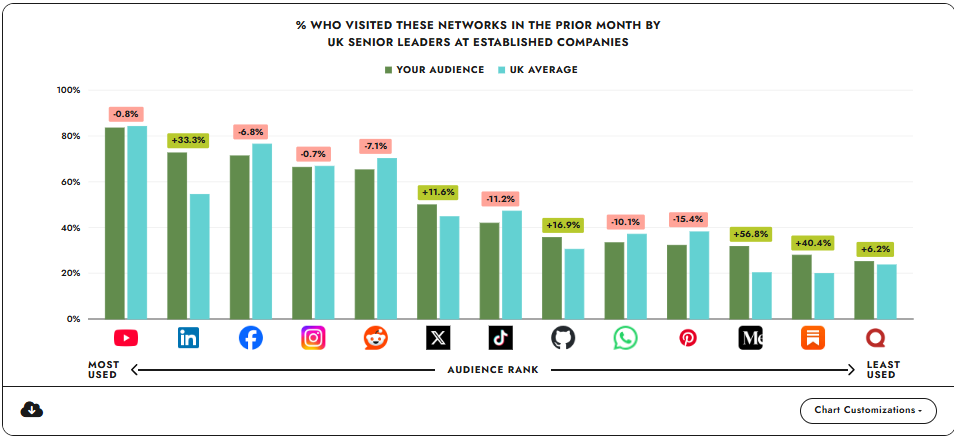
The New Toolkit for Discoverability
Tools like SparkToro allow us to map the digital lives of our target audiences. By identifying which communities they frequent, which influencers they trust, and which platforms they use, we can build a brand presence that exists outside the volatile bubble of search engine results pages (SERPs).
When we perform this research, we are essentially training our own "brand model." By asking multiple LLMs how they describe our brand, we gain a clear view of our current positioning. This research should then inform:
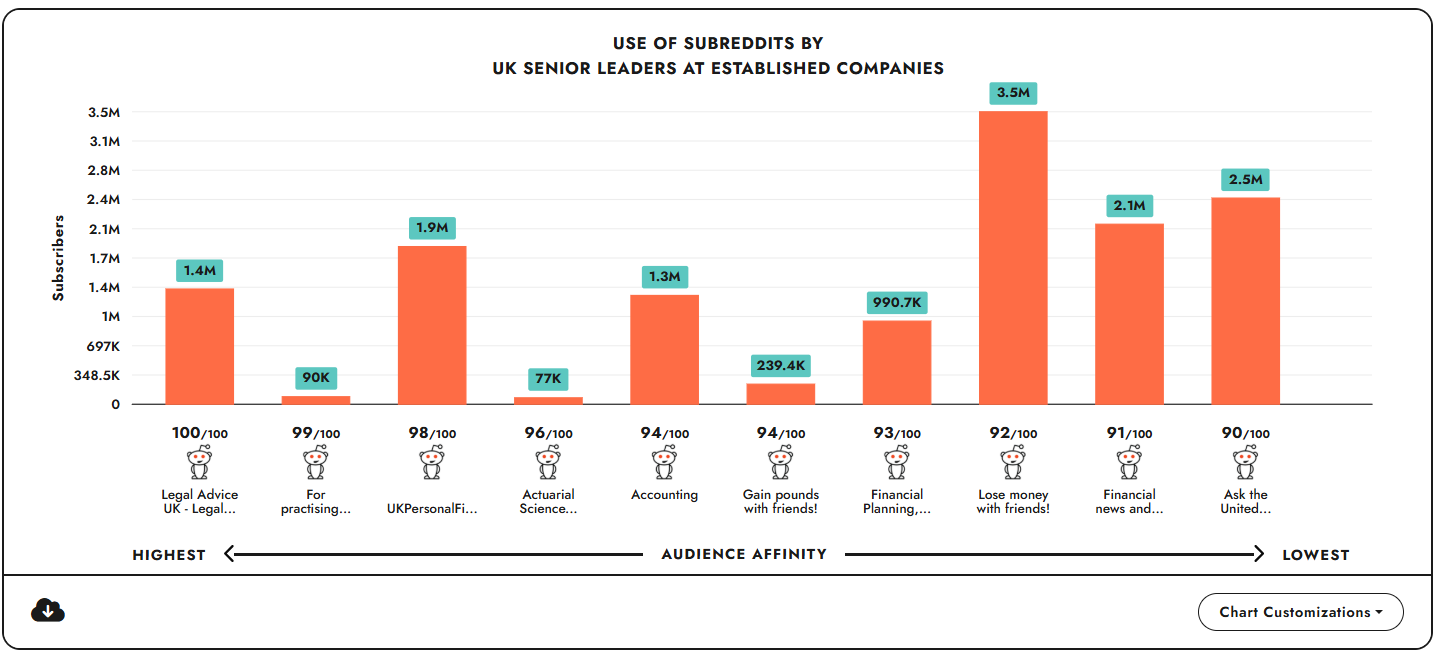
- Owned Platforms: Refining language, service positioning, and content depth to be more human-centric.
- External Influence: Identifying the publications and communities that actually sway decision-makers.
Entity Management: Controlling the Controllables
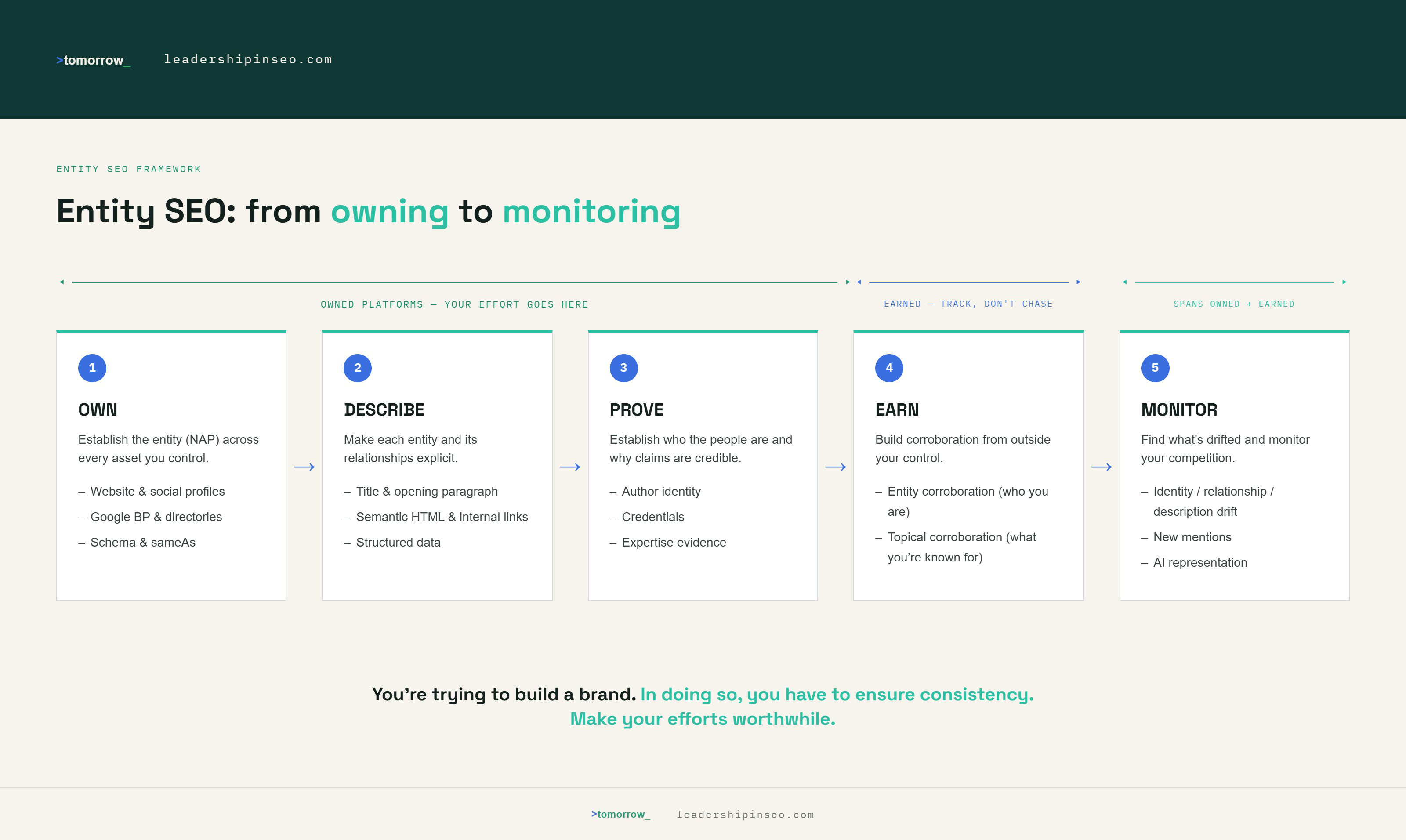
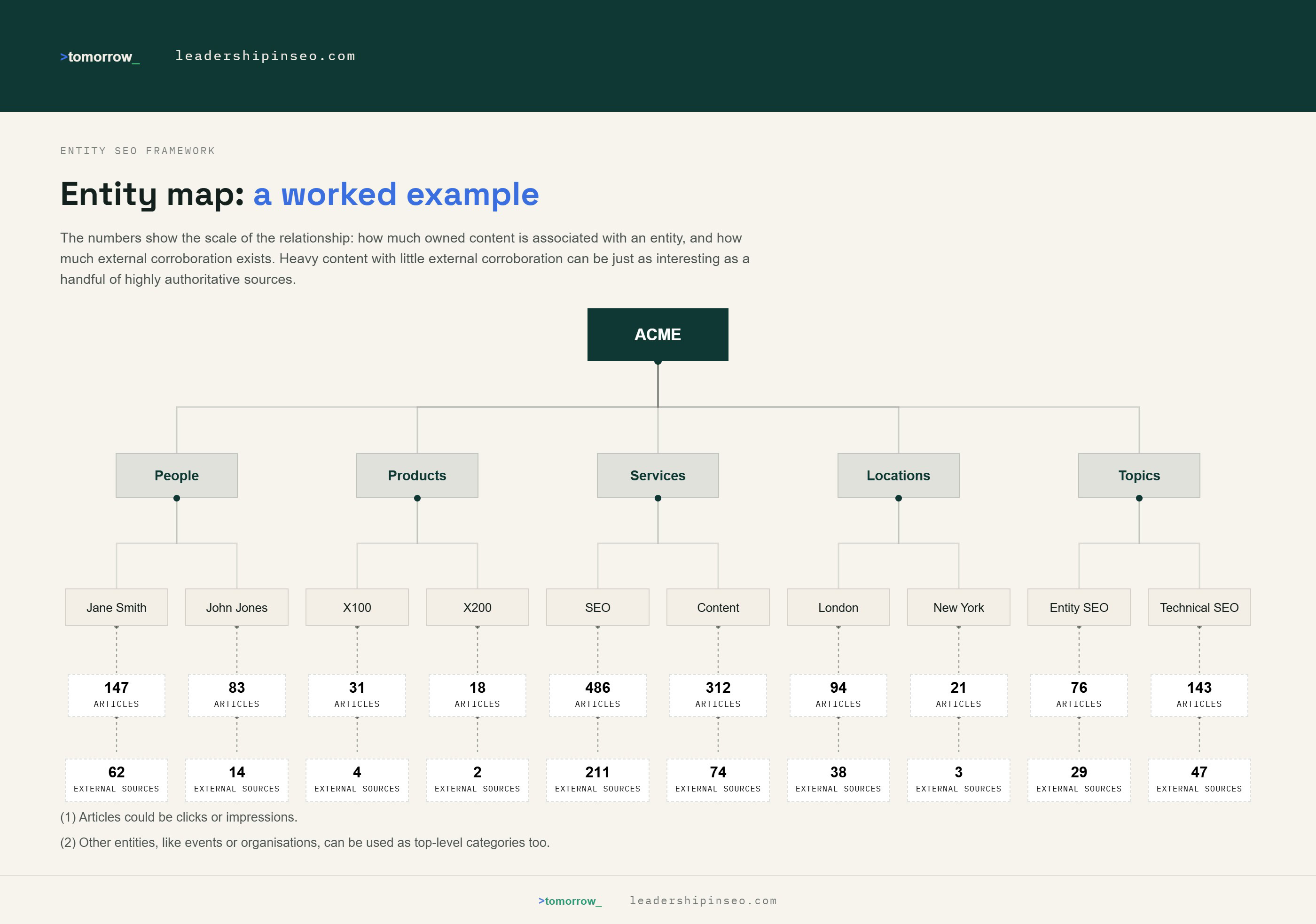
Modern information retrieval relies heavily on entity relationships. It is not enough to add Schema markup and pray for a boost. We must ensure that our digital presence—across LinkedIn, industry publications, podcasts, and personal websites—is consistent. If the wider internet provides independent, credible evidence that you are an authority, the AI will naturally reflect that. This is "controlling the controllables"—the cornerstone of modern digital presence.
Official Perspectives: The Professional Divide
The industry is currently split between those who view AI as a threat to be blocked and those who view it as a new frontier for brand authority.
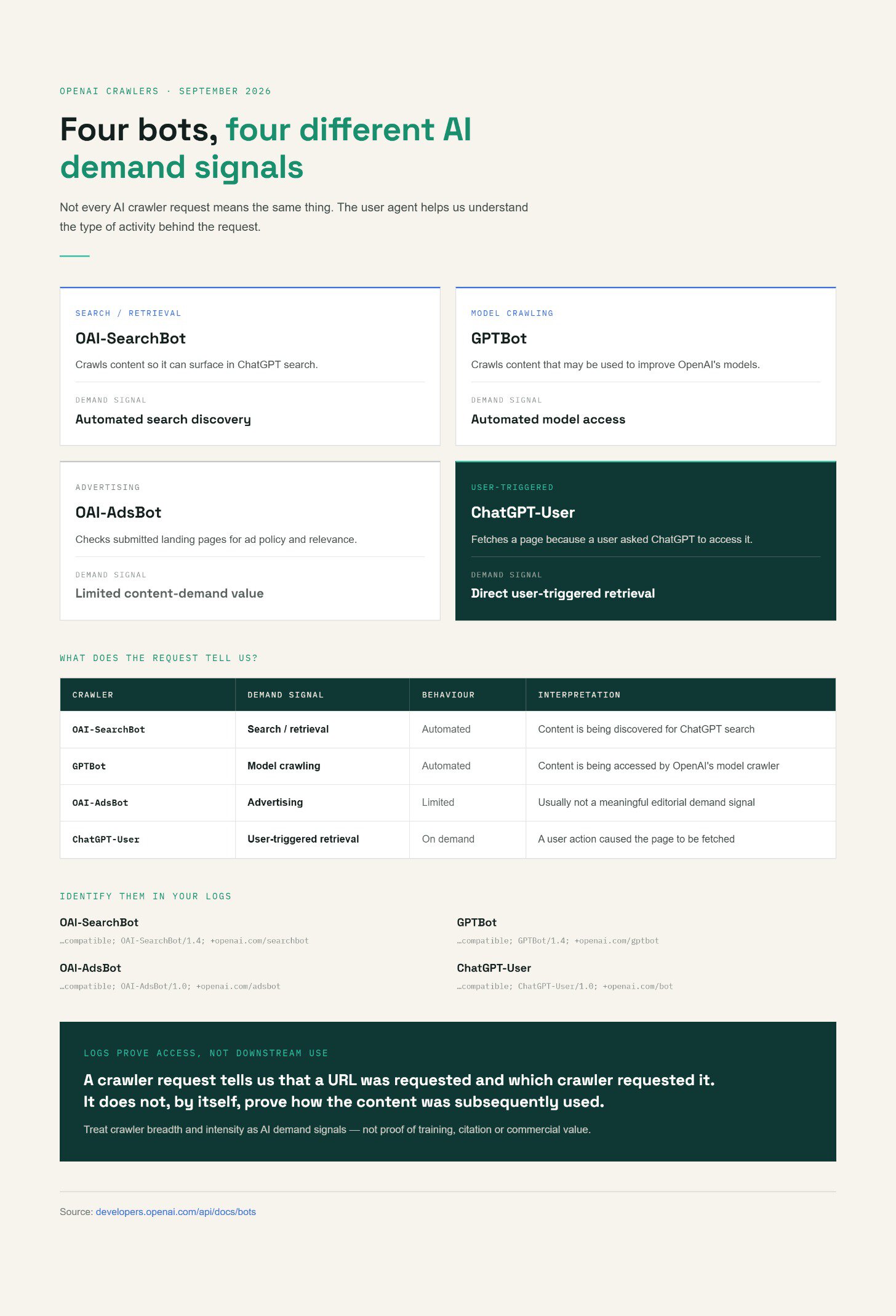
The Publisher’s Dilemma
Many large-scale publishers have opted to block AI crawlers, viewing them as parasites that scrape intellectual property to fuel commercial LLMs. While this is a valid defensive move to protect content value, it comes with a massive caveat: discoverability. By restricting access, publishers are effectively removing themselves from the future of search. The strategic move here is not a binary "block or allow," but a nuanced analysis of the trade-offs between copyright protection, content licensing, and direct audience relationship building.
The Rise of Incremental Measurement
Measurement has been broken for a decade, but AI search has made it even more complex. Since AI systems are highly personalized, there is no "rank" to track. Instead, we must look at:
- Branded Demand: Are more people searching for your brand name after an AI interaction?
- Referral Quality: Similarweb research indicates that users who receive a brand recommendation in an AI chat are 2.5 times more likely to visit the site within seven days than those who don’t.
- Incremental Lift: Measuring the impact of brand-building activities on total commercial outcomes rather than vanity metrics.
As the industry moves forward, the objective remains the same: to build a brand that people want to discover, engage with, and recommend. If an AI citation happens as a result, it is a delicious byproduct, not the primary goal.
Future Outlook: The Role of the Modern Discoverability Lead
If your business is serious about thriving in this ecosystem, you must move beyond the "siloed" SEO. The responsibility for AI discoverability is too broad for one department. It touches technical infrastructure, PR, content, data science, and commercial partnerships.
The Emergence of the "Head of Discoverability"
We need leaders who can coordinate across these disparate teams. These individuals must possess the authority to challenge internal assumptions and align marketing activities with genuine business outcomes. For the SEO professional, this is a moment of evolution. There are three paths forward:
- The Technical Architect: Mastering the complex intersection of bots, rendering, and infrastructure.
- The Brand Strategist: Focusing on influence, reputation, and audience development.
- The Commercial Partner: Specializing in content licensing, data partnerships, and monetization of proprietary assets.
Conclusion: The Competitive Advantage
The competition is currently lazy. They are obsessed with finding the "latest prompt hack" or the "newest bot block-list." While they scramble to optimize for a moving target, the smart marketer is doing the heavy lifting: building a real brand, fostering real human connections, and creating content that is actually useful.
In the end, AI search is a mirror. It reflects what is already out there in the digital ether. If your brand is truly an authority, the AI will have no choice but to recognize it. If you have spent years building a house of cards through shallow SEO tricks, you will find that the AI is, for the first time, not interested in playing along. The future belongs to those who build for humans, not for bots. It is time to stop playing the game of catch-up and start building a business that matters.