Executive Overview: The Rise of Invisible Tech
The wearable technology sector has undergone a seismic shift over the last half-decade. Where once the market was dominated by bulky, screen-heavy wrist-worn devices that demanded constant interaction, the current trend favors "invisible technology"—devices that integrate seamlessly into the user’s lifestyle without intrusive notifications or demanding interfaces. At the forefront of this movement is the Oura Ring 5, a device that has redefined the "health-first" wearable category.
As we approach the holiday shopping season, early Black Friday indicators suggest that consumer interest in form-factor-focused health tracking is at an all-time high. Amazon’s current 25% discount on the Oura Ring 5 serves as a strategic inflection point for prospective buyers. However, while the hardware engineering is undeniably impressive, the device exists within a complex ecosystem of subscription models, physical limitations, and performance trade-offs. This analysis examines whether the Oura Ring 5 represents the pinnacle of biometric tracking or a refined iteration of a niche luxury product.
Detailed Chronology: From Concept to Consumer
To understand the Oura Ring 5, one must look at the trajectory of the Oura brand. The company transitioned from a specialized sleep-tracking startup to a lifestyle brand that effectively captured the market’s desire for aesthetic health monitoring.
The Shift in Form Factor
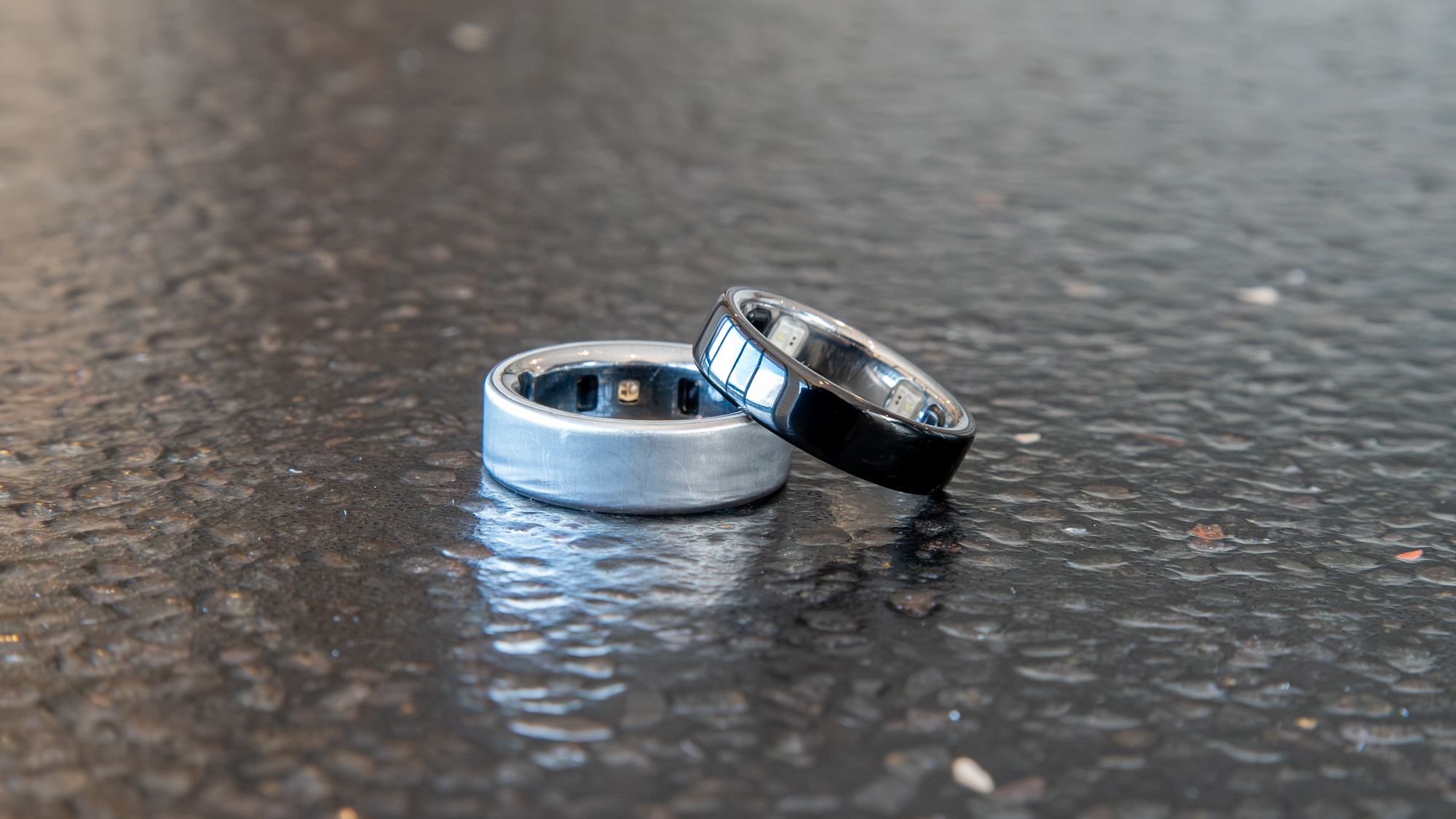
The previous generation of smart rings, while groundbreaking, often suffered from a "heft" problem. Users reported that the rings were cumbersome, particularly during high-intensity activities or during sleep. With the Ring 5, Oura pivoted toward a "barely there" philosophy. By engineering the chassis to be 40% thinner than its predecessor, the company successfully addressed the primary consumer complaint regarding comfort.
The Engineering Feat
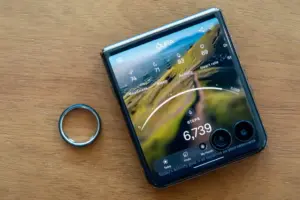
Achieving a 40% reduction in volume without sacrificing sensor integrity is a significant milestone in miniaturization. The chronology of this development highlights a move toward higher-density battery components and more efficient sensor placement. The device manages to pack heart rate, blood oxygen (SpO2), and digital temperature sensors into a frame that feels no more substantial than a standard titanium wedding band. This transition is not merely cosmetic; it represents the maturation of the smart ring from a "gadget" to a piece of daily jewelry.
Supporting Context & Metrics: Evaluating Performance
Data accuracy remains the ultimate litmus test for any health wearable. While the Oura Ring 5 excels in passive monitoring, it encounters friction when moved into the realm of active, high-intensity exercise.
The Accuracy Gap
In rigorous testing scenarios, the Ring 5 demonstrates stellar capability in tracking resting heart rate and sleep architecture. However, during high-intensity interval training (HIIT) or weightlifting, the optical sensors—which rely on blood flow detection at the finger—often struggle to match the precision of chest-strap monitors or dedicated multisport watches.
-
Metric Strengths:
- Battery Efficiency: The device boasts a six-to-nine-day lifespan, a critical metric for a device intended for 24/7 wear.
- Thermal Monitoring: The integrated digital temperature sensor provides industry-leading insights into recovery and potential illness detection.
- Ergonomics: The reduction in thickness has virtually eliminated the "pinching" sensation that plagued previous iterations during weight-based exercises.
-
Metric Weaknesses:
- Workout Heart Rate: Sporadic data capture during explosive movements remains a limitation of finger-based photoplethysmography (PPG).
- Size Availability: The current production run has reduced the range of available sizes, potentially excluding users with non-standard finger measurements.
The Subscription Conundrum
Perhaps the most contentious aspect of the Oura experience is the gated feature set. While the hardware is purchased upfront, the true depth of the data—including advanced trends and long-term analysis—is locked behind a monthly subscription. This creates a psychological barrier for consumers who are accustomed to purchasing hardware once and owning the full experience. The value proposition here relies on the user’s commitment to Oura Labs and the proprietary "Women’s Health" and "Metabolic Health" suites.
Official Statements and Industry Positioning
Oura’s internal messaging emphasizes a shift from "tracking" to "coaching." By integrating features like Oura Labs—a sandbox environment for experimental features—the company is positioning itself as a technology partner rather than just a manufacturer.
Industry analysts note that Oura is effectively trying to build a moat around its user base. By providing specialized insights into glucose tracking, meal logging, and cycle insights, they are ensuring that the device becomes a central component of the user’s healthcare regimen. This "sticky" ecosystem is a deliberate strategy to combat the hardware-only competition emerging from tech giants who lack the same depth of biometric focus.
Future Outlook: The Next Phase of Invisible Wearables
The smart ring market is entering a phase of consolidation. As the technology matures, we can expect three distinct trends to define the next generation of devices:
1. Enhanced Sensor Fusion
The "hit-or-miss" nature of heart rate data during exercise is likely the next major hurdle. Future iterations will likely incorporate multi-sensor fusion, combining PPG data with motion-sensing accelerometers and perhaps even localized electrical impedance sensing to verify pulse readings during high-motion activity.
2. The Move Toward Medical Certification
The integration of metabolic health tracking and pregnancy insights suggests that Oura is aiming for a higher tier of clinical relevance. The future of the Oura ecosystem may involve closer integration with primary care providers, where the ring serves as a diagnostic aid rather than a consumer wellness toy.
3. Market Saturation and Competition
With other major players entering the ring market, the Oura Ring 5 serves as a benchmark for aesthetic and functional balance. However, the company will need to address the subscription-fatigue currently sweeping through the consumer tech industry. Future growth will likely depend on whether they can provide enough "free" value to entice the casual user while maintaining the premium experience for the power user.
Final Verdict
If you are looking for a device that offers the most discreet form factor on the market, the Oura Ring 5—especially at its current discounted price point—is an unrivaled choice. It excels at being an "always-on" companion that provides meaningful data on sleep and recovery.
However, if your priority is high-accuracy fitness tracking during intensive athletic training, or if you are philosophically opposed to subscription-based hardware features, you may find that the Ring 5 falls short of expectations. The device is a masterpiece of design, but it is a tool with specific use cases. Before committing to the Oura ecosystem, one must weigh the beauty of the design against the ongoing cost of the data insights it provides. As we look toward the future, the Ring 5 will be remembered as the device that proved smart rings were not a passing trend, but a permanent fixture in the modern personal health toolkit.