Executive Overview: A New Era for the Galaxy S
As we approach the first quarter of 2025, the rumor mill surrounding Samsung’s upcoming flagship lineup has reached a fever pitch. While the tech giant traditionally iterates on a predictable three-tier structure, the arrival of the new year is expected to bring a significant strategic shift. New evidence, sourced from international import-export databases, indicates that Samsung is poised to expand its portfolio with the introduction of the Galaxy S27 Pro.
However, the inclusion of this middle-ground device has sparked debate among industry analysts. While the S27 Pro promises to bridge the gap between the standard models and the high-end Ultra, recent data suggests it may fall short of the top-tier performance benchmarks set by its sibling. Specifically, the S27 Pro appears to be excluded from the "Extreme" silicon reserved for the Ultra, opting instead for a standard version of Qualcomm’s latest flagship processor. This editorial explores the implications of this decision, the potential hardware trade-offs, and what it means for the consumer who prioritizes power in a compact form factor.
Detailed Chronology: The Path to the S27 Launch
The journey toward the Galaxy S27 launch has been marked by a series of high-profile leaks that paint a picture of a company undergoing a significant design and internal hardware evolution.
The Rise of the "Pro"
For years, Samsung has relied on the Galaxy S Plus model to serve as the middle ground for users who want a larger screen than the base model but aren’t quite ready to commit to the massive footprint and premium price of the Ultra. The emergence of the S27 Pro, however, suggests that Samsung is looking to segment its market further. Reports indicate that the Pro will inherit the high-end display and privacy-focused software features of the Ultra, effectively creating a "compact Ultra" for users who prefer ergonomics over the S Pen and the extreme zoom capabilities of the S27 Ultra.
The NBD Database Revelations
The most concrete evidence of this internal hierarchy comes from the NBD import-export database. By tracking logistical data and hardware manifests, analysts have identified distinct pairings of devices and chipsets. The findings are as follows:
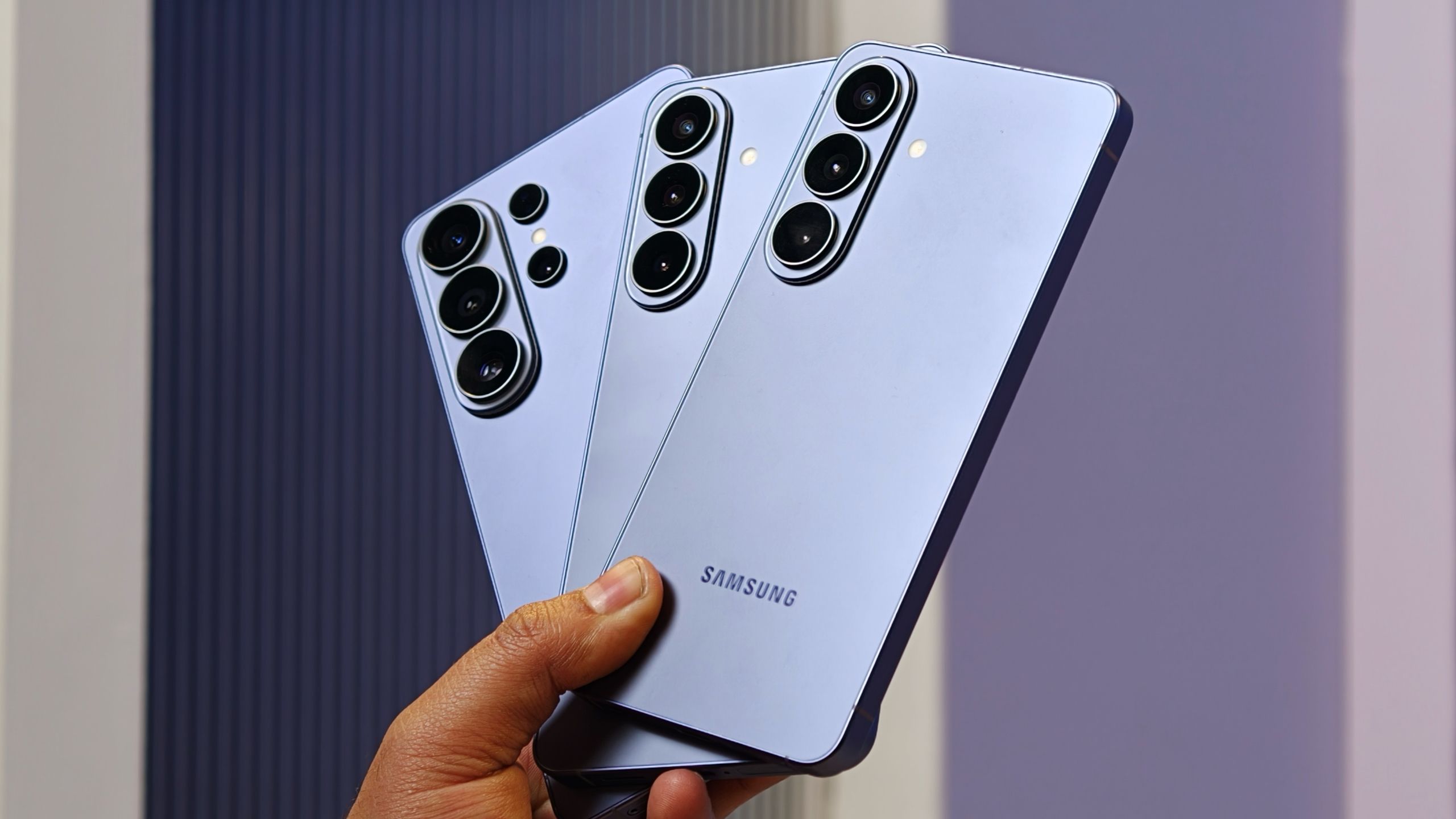
- Galaxy S27 & S27 Plus: Expected to be powered by Samsung’s proprietary Exynos 2700 chipset.
- Galaxy S27 Ultra: Positioned as the performance king, slated to receive the Qualcomm Snapdragon 8 Elite Extreme Gen 6.
- Galaxy S27 Pro: A unique outlier that, despite being a "Pro" model, is listed with the standard Snapdragon 8 Elite Gen 6, distancing it from the Ultra’s peak performance.
Supporting Context & Metrics: Why the Chipset Split Matters
To understand why the discrepancy in chipsets is causing concern, one must look at the technical architecture of Qualcomm’s current offerings.
The "Extreme" vs. Standard Divide
When Qualcomm announced the Snapdragon 8 Elite Gen 6 series, the industry noted a clear bifurcation. The "Extreme" variant is engineered for peak performance, boasting clock speeds reaching an unprecedented 5GHz. This is designed for sustained, high-intensity tasks, such as professional-grade video editing, heavy ray-traced gaming, and complex on-device AI operations.
The standard Snapdragon 8 Elite Gen 6, while still built on a cutting-edge 2nm process, is tuned for a different balance. It offers exceptional efficiency and speed, but it lacks the thermal headroom and raw frequency output of the Extreme version. By omitting the Extreme chip from the Pro, Samsung is effectively creating a performance ceiling for the device.
Thermal Management: The Hidden Factor
One of the most compelling theories regarding this decision is thermal management. The Galaxy S27 Pro is rumored to occupy a physical footprint of approximately 6.5 inches—significantly smaller than the 6.9-inch Ultra. High-clocked processors, especially those pushed to 5GHz, generate substantial heat.
If Samsung’s engineers determined that the S27 Pro’s chassis lacks the surface area for the vapor chamber cooling required to sustain the Extreme chip’s peak performance, the choice to opt for the standard variant becomes a logical, if disappointing, necessity. Maintaining a thin, ergonomic profile while avoiding thermal throttling is a delicate balancing act that often dictates the ceiling of mobile hardware.
Official Statements and Industry Commentary
While Samsung has maintained its traditional silence regarding unreleased products, industry analysts have been vocal. "Samsung is clearly trying to cater to the ‘Goldilocks’ buyer," notes one leading industry observer. "The person who wants the screen size and the privacy features of the Ultra, but doesn’t want a brick in their pocket."
However, critics argue that the "Pro" branding implies a level of excellence that should, by definition, include the best possible silicon. If the S27 Pro is marketed as a premium alternative, consumers may feel alienated if the performance gap between it and the Ultra is wider than anticipated.
Samsung’s history with the Exynos vs. Snapdragon divide has always been a point of contention among global consumers. By introducing a third chipset tier—the standard Snapdragon 8 Elite—Samsung is further complicating its ecosystem. The success of the S27 Pro will likely hinge on whether the company can effectively market the device on its display and camera prowess, rather than raw computational dominance.
The Design Evolution: A Nod to Apple?
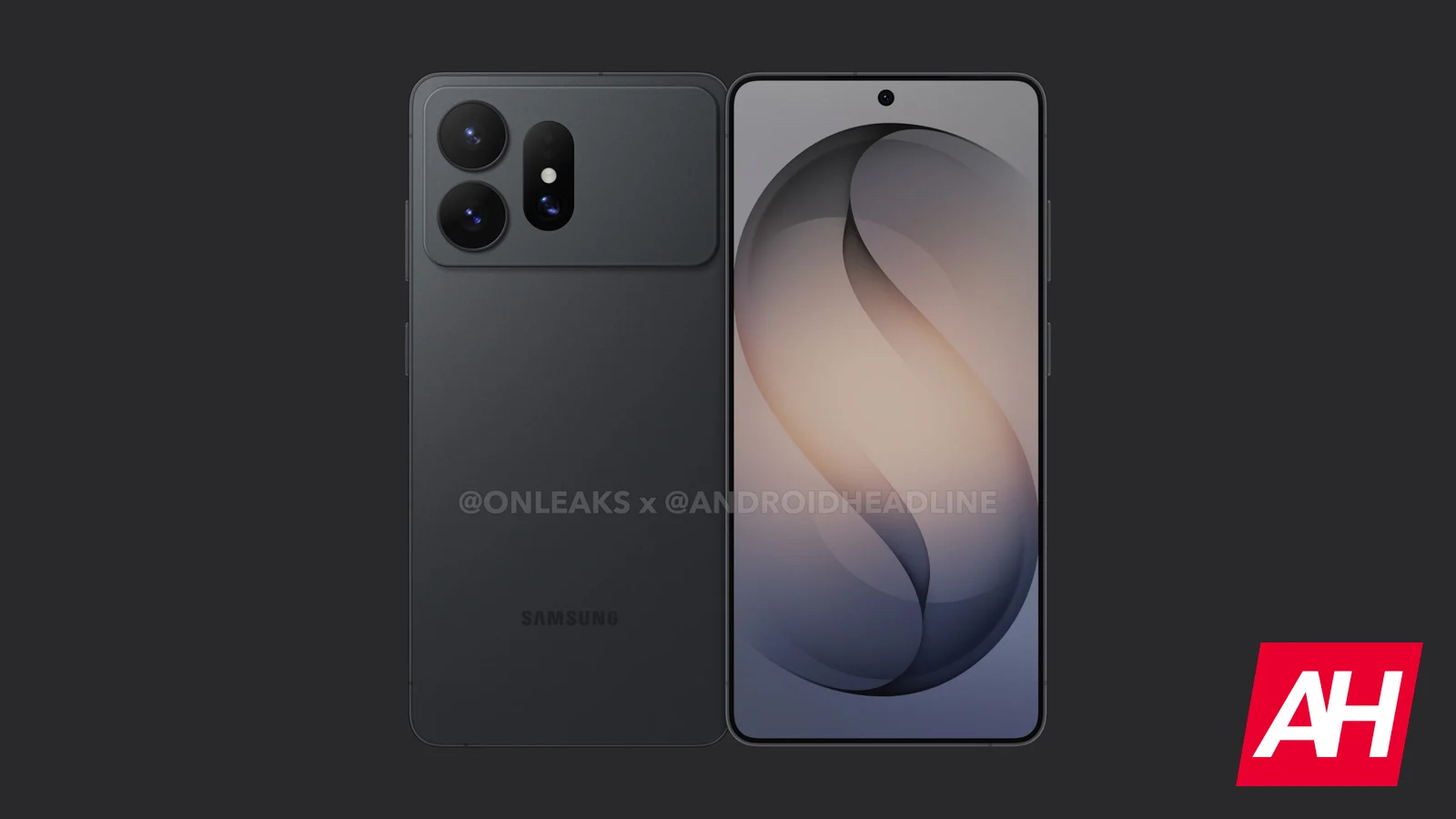
Beyond the internal components, the physical design of the S27 series is also undergoing a metamorphosis. Leaked renders suggest that the S27 Ultra is moving away from the classic vertical camera stack that defined the S22, S23, and S24 Ultra designs.
Instead, early concepts reveal a horizontal camera plateau—a design language that feels suspiciously reminiscent of the modern iPhone aesthetic. This shift is expected to be more than cosmetic; it may be an attempt to accommodate larger sensor arrays and improved optical stabilization mechanisms. If the S27 Pro adopts a similar aesthetic, it could signal a complete overhaul of the Galaxy identity, moving toward a more unified, streamlined, and "premium" industrial design that prioritizes symmetry over the stark, industrial look of the current Ultra.
Future Outlook: What to Expect in Q1 2025
As we look toward the official unveiling in Q1 2025, the narrative is clear: Samsung is diversifying. The Galaxy S27 series will not just be a collection of three phones; it will be a four-tiered ecosystem designed to capture every segment of the flagship market.
Potential Market Impact
- The S27/S27 Plus: These will likely remain the high-volume sellers, appealing to the mass market with the Exynos 2700.
- The S27 Pro: A niche, high-end offering for those who value form factor over raw power. Its success will depend on whether the "Privacy Display" and software feature set can justify a price point that sits uncomfortably close to the Ultra.
- The S27 Ultra: The uncompromising flagship, cementing its place as the definitive tool for power users.
The Final Verdict for Consumers
For the consumer, the takeaway is one of careful consideration. If you are an enthusiast who lives by benchmarks and gaming performance, the S27 Pro may not be the device for you; the Ultra remains the only logical path. However, if you are a professional who needs a device that feels premium, looks sleek, and offers the latest in software innovation without the bulk of the 6.9-inch Ultra, the S27 Pro could be the most important phone Samsung releases this year.
As always, with several months remaining before the official launch, the technical specifications remain subject to change. Samsung has been known to pivot based on early prototype testing and supply chain adjustments. Until the stage lights hit the S27 lineup in early 2025, we are left to speculate on whether this strategic move will be remembered as a masterclass in market segmentation or a confusing dilution of the "Pro" brand.
The landscape of mobile technology is becoming increasingly crowded, and with competitors pushing harder than ever, Samsung’s decision to hedge its bets with the S27 Pro is a calculated risk. Whether it pays off will ultimately be decided by the users—those who choose to carry these devices into the next generation of mobile computing.