Executive Overview
In a strategic pivot that signals a departure from traditional in-ear audio design, Samsung is officially bringing its latest wearable innovation, the Galaxy Buds On, to the United States market this November. These earbuds represent more than just a new product iteration; they signify Samsung’s aggressive entry into the high-end "clip-on" open-ear market—a segment previously dominated by niche audio brands like Shokz.
Priced at $229, the Galaxy Buds On are positioned as a premium, feature-rich audio solution for users who prioritize situational awareness. By utilizing a unique "clip-on" mechanism rather than traditional silicone ear tips, Samsung is targeting runners, commuters, and office workers who need to remain tethered to their environment without sacrificing high-fidelity sound. Bolstered by advanced Galaxy AI integration and an ergonomic design born from 119 million data points, the Buds On aim to redefine the relationship between the listener and the world around them.
Detailed Chronology: From Concept to US Launch
The journey of the Galaxy Buds On began with a clear design mandate: solve the "occlusion effect" common in traditional earbuds while maintaining comfort for extended wear.
Earlier this year, Samsung began teasing a radical departure from its established Galaxy Buds Pro and Buds FE product lines. While the company has long been a leader in Active Noise Cancellation (ANC) technology, market feedback indicated a growing subset of consumers who felt "shut off" from their surroundings. The development cycle involved rigorous physics simulations and AI-assisted optimization, ultimately resulting in a hardware form factor that weighs just 6.65 grams per unit.
Following a successful pilot launch in South Korea—where the product was met with curiosity and positive reception regarding its lightweight profile—Samsung began laying the groundwork for a global rollout. European retailer leaks earlier this autumn signaled that the US release was imminent, culminating in this November launch. The product is now set to compete in a crowded audio landscape, betting on its unique blend of "open" acoustics and "smart" software to capture market share.
The Engineering Behind the Open-Ear Experience
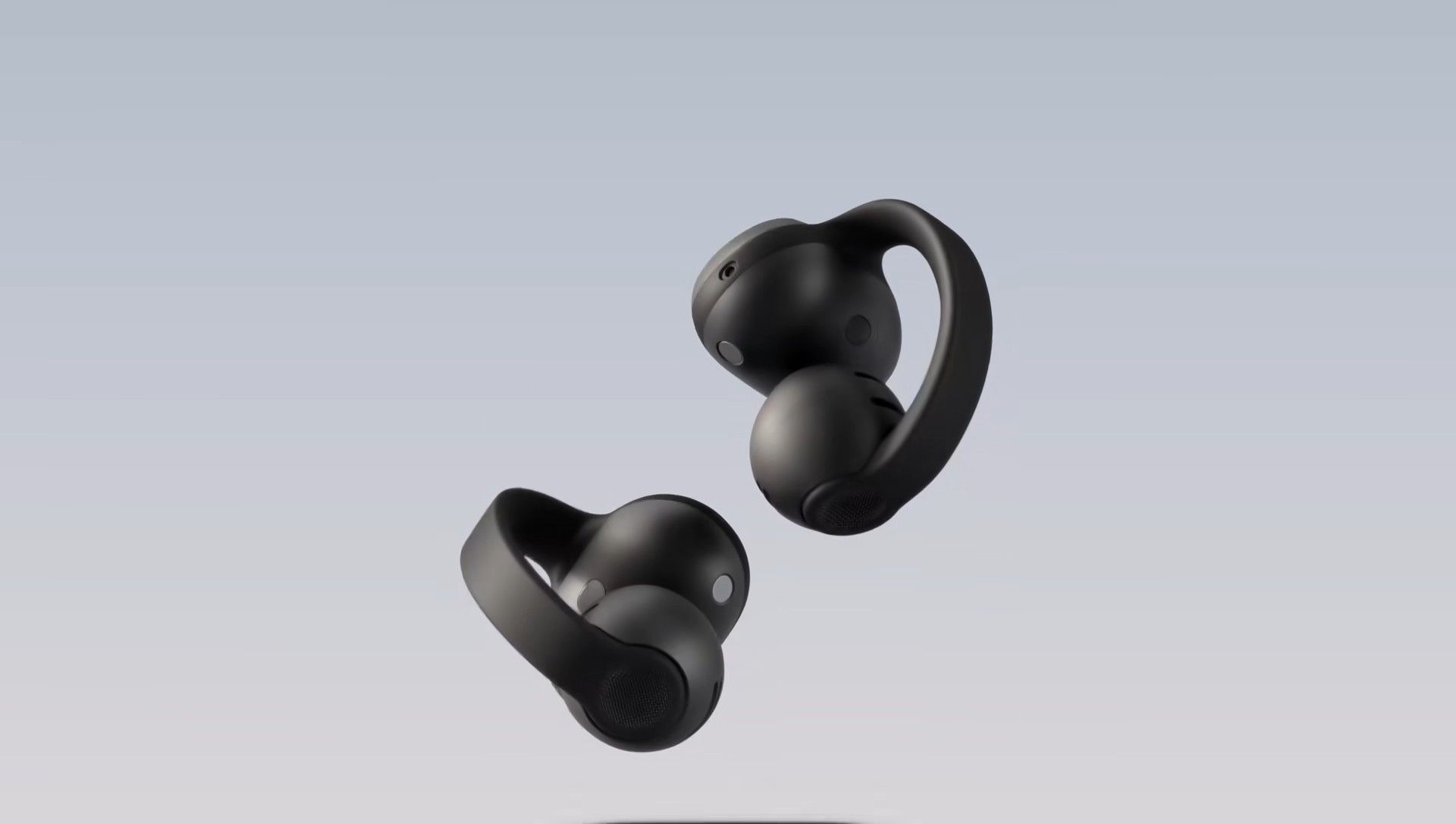
The core value proposition of the Galaxy Buds On lies in its departure from the ear canal. Unlike conventional earbuds that rely on a physical seal to produce sound, the Buds On employ an open-ear design that clips securely onto the cartilage of the ear.
Precision Ergonomics
To achieve a "universal fit," Samsung’s engineering team analyzed over 119 million individual ear data points. This massive dataset allowed the company to develop a flexible, tension-based band that adapts to various ear shapes and sizes. The result is a device that remains stable during high-intensity activities like sprinting or cycling, yet remains comfortable enough for an eight-hour workday.
Acoustic Innovation: The TwinBoost System
Samsung has integrated what it calls "TwinBoost" speakers. Traditionally, open-ear designs struggle with bass response and volume leakage, as the sound is not directed exclusively into the ear canal. To mitigate this, Samsung implemented:
- Audio Leakage Reduction: Proprietary acoustic engineering that minimizes sound dispersion, ensuring that your podcast or playlist remains private even in quiet environments like elevators or libraries.
- Dynamic Ambient Compensation: AI-driven sensors that constantly monitor environmental decibel levels. If you enter a noisy subway, the Buds On automatically adjust the output to ensure the audio remains crisp, negating the need for constant volume adjustments.
Call Clarity in Crowded Spaces
Communication is a cornerstone of the Buds On experience. Each earbud houses a triple-microphone array paired with a Voice Pickup Unit (VPU). By utilizing machine learning algorithms, the device can effectively isolate the user’s voice from ambient chaos—be it the roar of traffic or the chatter of a busy café—ensuring that professional calls remain crystal clear.
Supporting Context & Metrics: Power and Connectivity
For the power user, the technical specifications of the Galaxy Buds On provide a robust foundation for daily use.
- Battery Performance: On a single charge, users can expect up to 9.5 hours of continuous playback. When coupled with the portable charging case, the total battery life extends to an impressive 38 hours. This longevity ensures that even the most frequent travelers can go several days without needing to find a power outlet.
- The AI Ecosystem: The "On" in Galaxy Buds On is not merely a name; it is an invitation into the Galaxy AI suite. Integration with Google’s Gemini Live allows for hands-free, real-time AI assistance. Users can initiate complex queries, set reminders, or dictate notes directly through the earbuds.
- Gesture-Based Interaction: Moving beyond touch controls, the Buds On feature advanced head-tracking and motion sensing. A simple nod of the head can accept an incoming call, while a shake of the head declines it. This "hands-free" paradigm is a significant step forward for accessibility and convenience.
Official Statements and Market Positioning
Samsung has been transparent about its intent to cater to the "connected, yet aware" consumer. In recent communications, the company highlighted that the Buds On are a direct response to the "Always-On" lifestyle, where users need to be productive and entertained without losing their sensory connection to the world.
While the $229 price point places the product in the premium tier, Samsung believes the value is justified by the integration with the broader Galaxy ecosystem. By utilizing One UI, the Buds On offer a seamless "handshake" with Samsung tablets, smartphones, and smartwatches. However, the company also acknowledges that the most advanced features—such as real-time AI processing—require deep integration with the latest Samsung software, potentially alienating users who have not fully committed to the Galaxy ecosystem.
Future Outlook: The Shift Toward Ambient Computing
The release of the Galaxy Buds On is a bellwether for the future of wearable technology. We are currently witnessing a shift away from "immersive" audio—where the goal was to simulate a vacuum—toward "ambient" audio, where the goal is to augment reality.
As AI models like Gemini and Bixby continue to evolve, the physical form factor of our devices will become secondary to the intelligence they provide. The Galaxy Buds On represent a prototype for the "hearable" of the future: a device that serves as a permanent, invisible interface between the user and their digital life.
The Competition
Samsung’s move will undoubtedly put pressure on competitors. While brands like Shokz have pioneered bone-conduction technology, they have historically lagged behind in the software and smart-feature departments. By bringing the weight of the Galaxy AI ecosystem to an open-ear form factor, Samsung is forcing other manufacturers to either iterate on their software capabilities or risk becoming hardware-only commodities.
What Lies Ahead
Looking forward, the industry is expected to watch the "take-rate" of these earbuds closely. If the Galaxy Buds On succeed, we can expect to see a rapid migration of ANC-focused manufacturers toward open-ear designs. Furthermore, as battery technology continues to improve, the next iteration of these devices will likely include more sophisticated health-tracking sensors, potentially measuring heart rate or blood oxygen levels directly from the ear, turning the Buds On into a comprehensive wellness wearable.
Ultimately, the Galaxy Buds On are a calculated gamble. By challenging the status quo of earbud design, Samsung is signaling that it is no longer content with just selling audio accessories; it wants to own the auditory space in which the user lives, works, and interacts with the AI-driven world. For the consumer, this means that the line between "wearing headphones" and "being connected to an intelligent assistant" has never been thinner.