Executive Overview: A New Chapter in Wearable Technology
The landscape of consumer-grade spatial computing shifted dramatically this morning as Xreal officially unveiled the pricing structure for its long-awaited "Project Aura" smart glasses. After months of speculative fervor and a highly successful reservation campaign, the curtain has been pulled back on what the company hopes will be the definitive bridge between mobile convenience and immersive extended reality (XR).
With a starting price point of $1,279 for the 12GB RAM/256GB storage model and a premium tier of $1,499 for the 16GB RAM/512GB configuration, Xreal is positioning the Aura firmly in the "prosumer" category. This is not merely an accessory for a smartphone; it is an independent, high-performance computing device designed to integrate seamlessly with the Android ecosystem while pushing the boundaries of what is possible in a 95-gram form factor. As Xreal prepares for a rollout ahead of the upcoming holiday season, the industry is watching closely to see if the Aura can turn high-concept hype into mainstream adoption.
Detailed Chronology: From Concept to Commerce
The journey to this announcement has been marked by a carefully orchestrated marketing strategy that prioritized community engagement over traditional corporate PR.
- The Early Phase (June 2024): Xreal introduced the concept of the Aura to the public, launching a paid reservation program that served as both a market-testing mechanism and a community-building exercise. The program offered early adopters a sense of exclusivity through "Launch Credits" and "Founder Priority Passes."
- The Scaling Phase (Summer 2024): Demand quickly outpaced initial estimates. CEO Chi Xu revealed that reservations surpassed the 10,000-unit milestone, forcing the company to pivot its logistical planning as two of its primary reservation tiers sold out entirely.
- The October Reveal (October 7, 2024): Following months of teasing, the official price point was set. By confirming that the flagship unit would remain under the $1,500 threshold (pre-tax), Xreal has successfully managed to meet the expectations set by its leadership earlier in the year.
- The Fulfillment Horizon: Currently, the company is prioritizing users who placed deposits. Customers in the United States, Canada, Japan, and Korea are being invited to finalize their purchases. For those holding the "Founder Priority Pass," the clock is ticking: completing the purchase by October 17 guarantees an individually numbered Founder’s Edition unit, a significant collector’s incentive for early supporters.
Supporting Context & Metrics: The Hardware Beneath the Hood
While the price tag is the headline, the technical specifications justify the investment for many enthusiasts. The Aura is not just a display device; it is a full-fledged computer for your face.
The Power of Android XR and Snapdragon
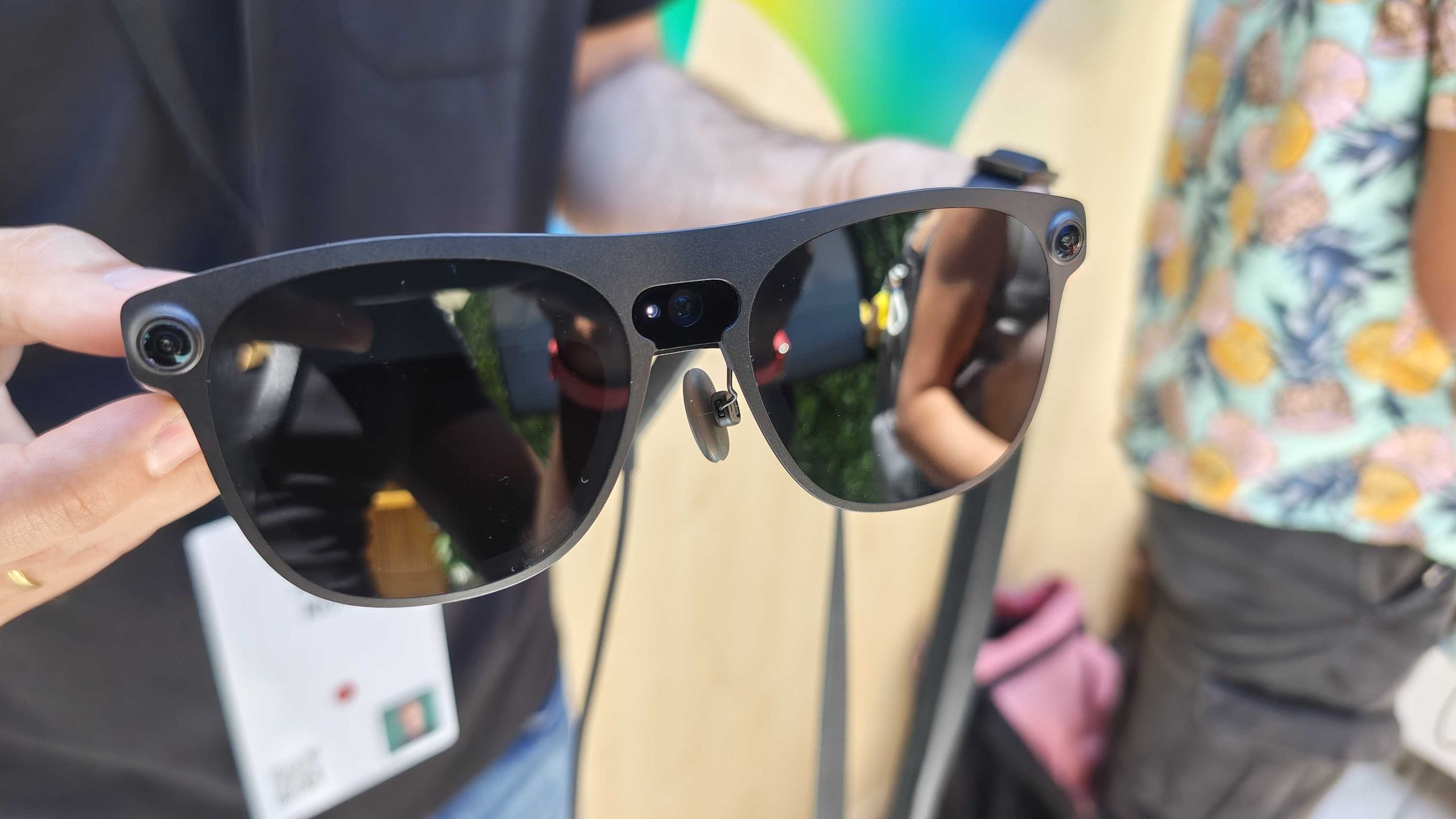
At the heart of the Aura lies Qualcomm’s Snapdragon Reality Elite platform. This is a critical differentiator for Xreal. By utilizing Google’s Android XR platform, the glasses aren’t restricted to a walled garden or proprietary software. Instead, they provide full access to the Google Play Store, allowing users to run mobile and tablet applications in a virtual, spatial environment. This decision effectively solves the "content gap" that has plagued previous generations of smart glasses—users don’t have to wait for developers to build "spatial apps" when they can simply project their favorite existing Android utilities onto a 70-degree field-of-view (FOV) canvas.
Design and Ergonomics
Weight is the primary hurdle for any wearable device, and at 95 grams, the Aura is a marvel of engineering. Balancing performance with comfort, Xreal has managed to keep the device light enough for extended wear, which is essential for its intended use cases: gaming, media consumption, and productivity. The "virtually borderless" 70-degree FOV ensures that the digital content feels immersive without the "binocular" effect that often diminishes the quality of lower-end AR displays.
Content Partnerships
Xreal is wisely leveraging partnerships to highlight the device’s capabilities. Support for the Fox Sports app, as well as high-profile narrative content like Amazon MGM Studios’ Project Hail Mary: Journey Among the Stars and Fallout: Factions, signals that the company is targeting the intersection of entertainment and gaming. By aligning with established media titans, Xreal is attempting to prove that the Aura is a device for "living" in, not just "looking at."
Official Statements and Strategic Vision
CEO Chi Xu has been the primary architect of the Aura’s public narrative. His strategy has been one of transparency, often speaking directly to the community via social media and industry forums. His promise that the final device would cost "no more than $1,500 before tax" was a risky gambit, but one that ultimately secured the company’s credibility.
In recent communications, Xreal has emphasized that the priority for the current shipment window is to reward those who took the leap of faith early. The shift from "reservation" to "fulfillment" marks a transition from a startup-style experimental phase to a mature, consumer-facing product rollout. The company has explicitly stated that those who have not yet reserved a unit can still utilize the $199 Priority Deposit program, though they are cautioned that availability may tighten as the holiday shipping window approaches.
Future Outlook: Can the Aura Sustain Momentum?
The success of the Xreal Aura will be measured by more than just its technical specs; it will be measured by its "stickiness"—how often users actually reach for these glasses instead of their phones or tablets.
The Competitive Landscape
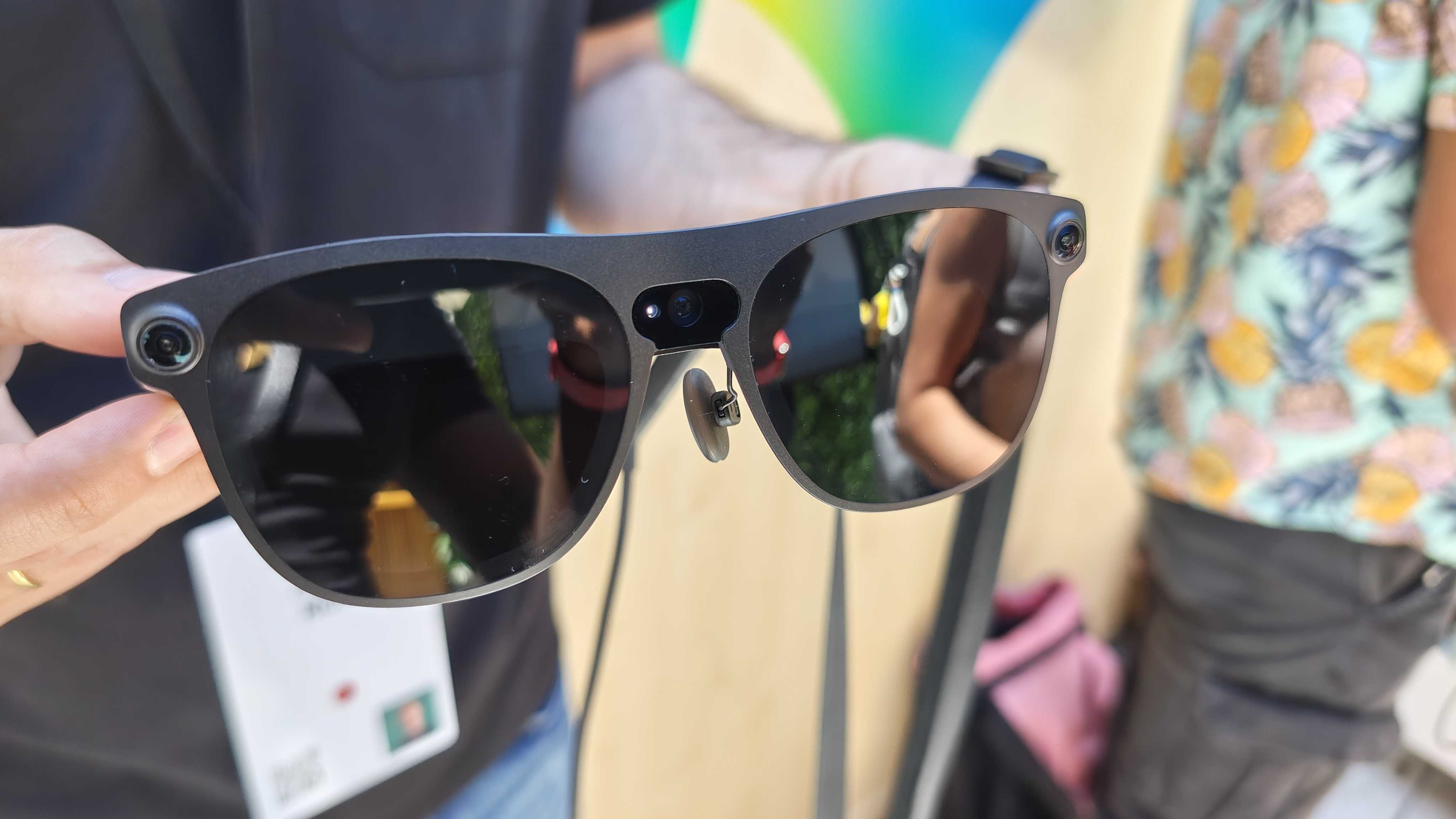
The market for AR/XR is becoming increasingly crowded. From the high-end, enterprise-focused Apple Vision Pro to more modest, display-only glasses, Xreal occupies a "Goldilocks" position. It is more powerful than the basic display-out glasses but significantly more accessible and lightweight than the fully standalone headsets that isolate the user from their environment.
The "Spatial" Transformation
The move toward "Android XR" is a pivotal strategic shift. It suggests that Xreal is banking on the idea that users want a unified experience across their devices. If the Aura can deliver a seamless transition between a smartphone app and a spatial display, it could become the "killer app" for the wearable market.
Challenges Ahead
However, the company faces significant challenges. Battery life management in such a compact frame, thermal regulation during heavy gaming sessions, and the long-term developer support for Android XR will be the true tests. If the software experience feels clunky or if the battery requires tethering to a power bank during use, the "premium" price tag may be a harder sell for the general public.
Conclusion
As the holiday season nears, the Xreal Aura stands as one of the most intriguing hardware launches of the year. It represents a bold bet on the future of personal computing—a vision where the screen is not a static object on a desk, but an fluid, responsive layer on reality itself. With over 10,000 units already reserved, the demand is clear. Whether the product lives up to the lofty expectations of its early backers remains to be seen, but one thing is certain: with the Aura, Xreal has officially graduated from the "accessory" game and has entered the "platform" race.
For now, the focus is on fulfillment. For the industry, the focus is on whether the Aura can finally make "smart glasses" a household term.