Executive Overview
For years, the narrative surrounding book-style foldable smartphones has been a tale of persistent compromises. Early adopters frequently found themselves navigating overly narrow external screens reminiscent of TV remotes, massive footprints when closed, burdensome weights, and visible creases that interrupted the immersive experience of the internal canvas. While Samsung pioneered this product category, competitors have rapidly iterated, leaving industry watchers wondering if the book-style foldable would remain an expensive niche device or truly break into the mainstream.
Enter the Samsung Galaxy Z Fold 8.
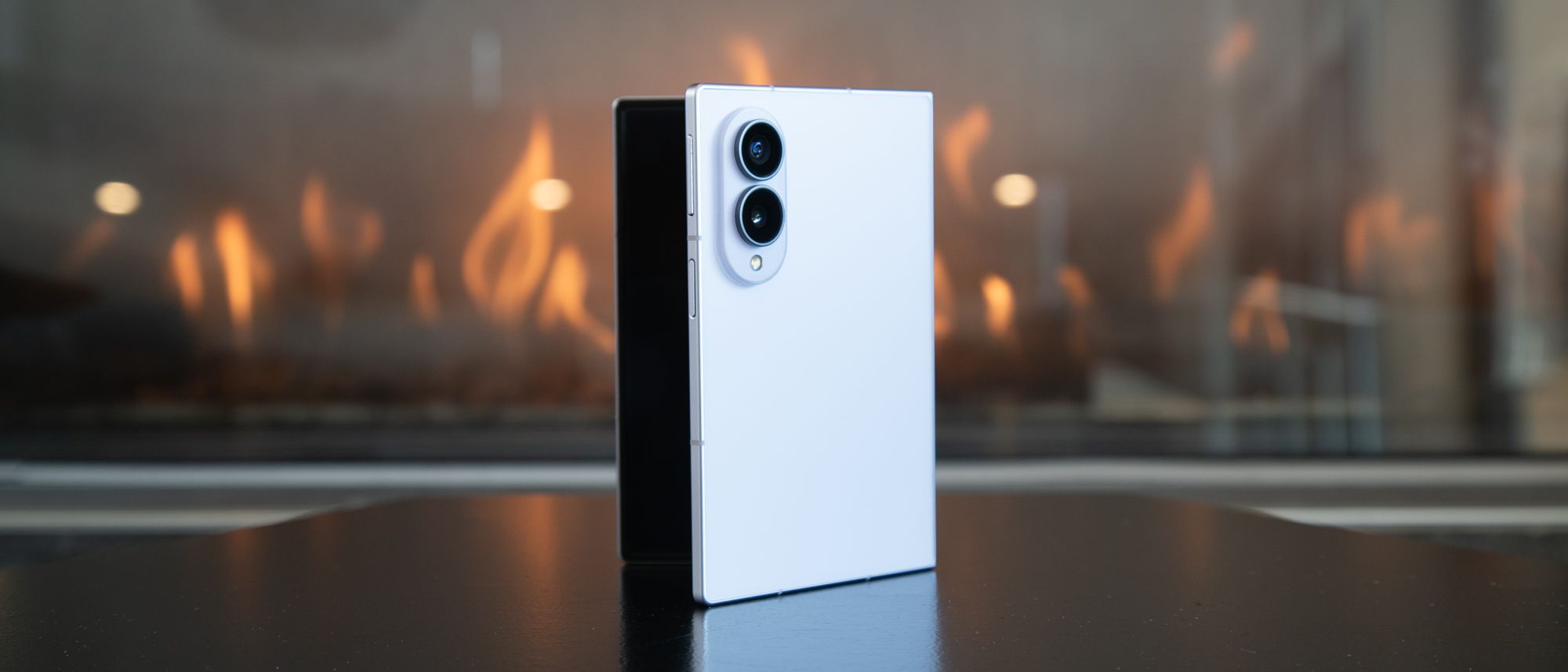
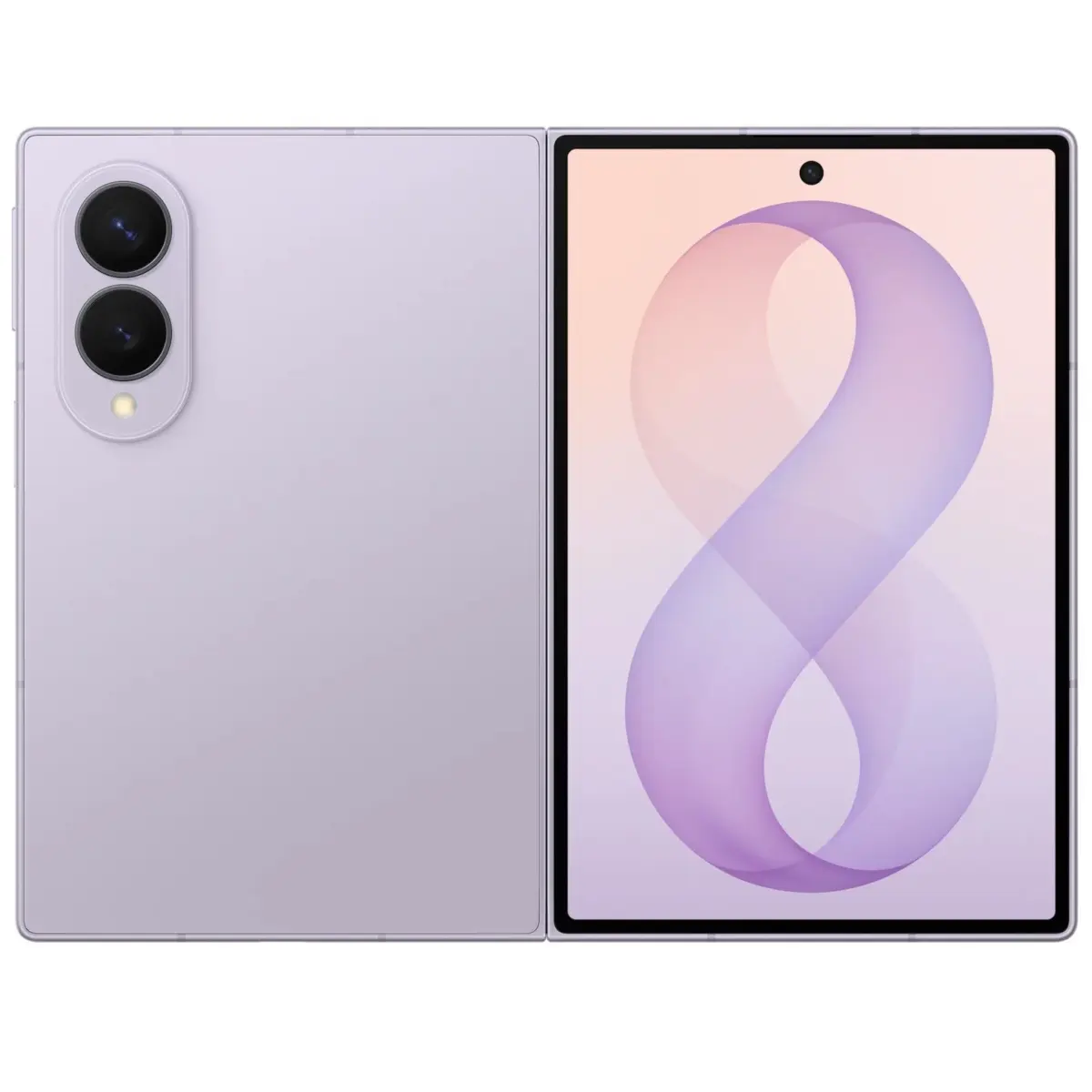
Positioned expertly in the Goldilocks zone between traditional book-style foldables and pocket-friendly flip phones, the Galaxy Z Fold 8 completely reframes what a multi-form-factor device should feel like. Boasting a shorter chassis, significantly wider displays with a 16:10 aspect ratio on the cover, top-tier performance powered by the Snapdragon 8 Elite Gen 5 for Galaxy, and an almost imperceptible crease via its new Titanium Flex display, Samsung has engineered a device that feels less like an experimental prototype and more like the ultimate smartphone evolution.
Yet, perfection remains elusive. Space constraints within its remarkably thin profile mean compromises had to be made—ranging from thermal management issues during heavy gaming sessions to the omission of a dedicated telephoto camera lens and a slightly sub-maximum battery capacity. Despite these minor hiccups, the Galaxy Z Fold 8 delivers an exceptionally fun, highly functional, and genuinely pocketable daily driver that might finally push foldables past the tipping point into mainstream consumer adoption.
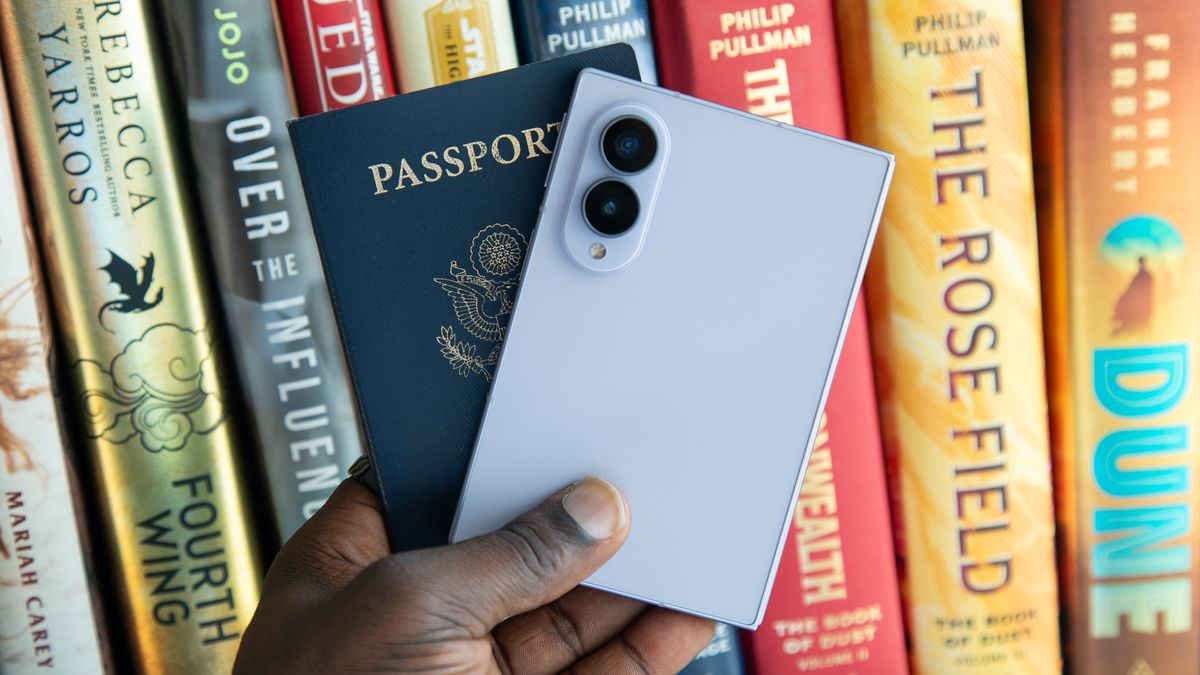
Detailed Chronology & Design Evolution: From Leaks to Real-World Handling
When initial leaks of the Galaxy Z Fold 8 surfaced across tech forums and rumor mills, reception was polarized. Many critics and long-time fans were ready to write off the shorter, wider design as an awkward misstep. However, hardware design rarely translates accurately through 2D specification sheets and leaked CAD renders.
Within moments of going hands-on with the device during a two-week testing period, initial skepticism evaporated. Samsung’s pivot toward a wider, more compact chassis transforms the ergonomics of the phone entirely. Measuring roughly the size of a standard passport when folded, the Z Fold 8 slips into pockets with an ease that outclasses almost every contemporary smartphone—including dedicated flip phones like the Motorola Razr Ultra.
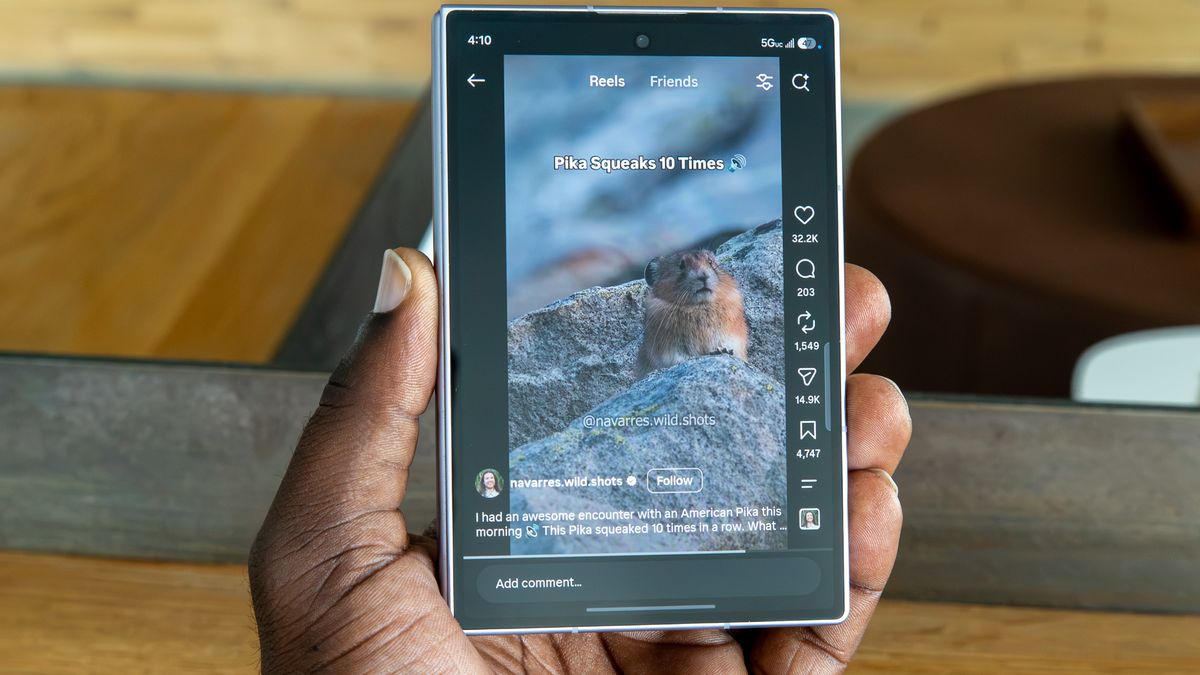
The Cover Display and App Scaling Realities
The external screen employs a 16:10 aspect ratio across a 5.5-inch LTPO AMOLED panel protected by Corning Gorilla Glass Ceramic 3. This wider layout directly addresses historical complaints about cramped typing and skewed content.
- Media Consumption: Vertical videos on platforms like Instagram Reels and TikTok display minimal black bars on the sides. Far from being a negative, these margins push UI elements away from the core video content, improving overall visibility. Long-form video streaming on YouTube and Netflix feels surprisingly natural.
- Typing and Scrolling: Because the display is wider and shorter, vertical screen real estate is slightly reduced, occasionally forcing users to scroll more frequently than they would on a traditional, ultra-tall smartphone.
The Inner Display and the Titanium Flex Hinge
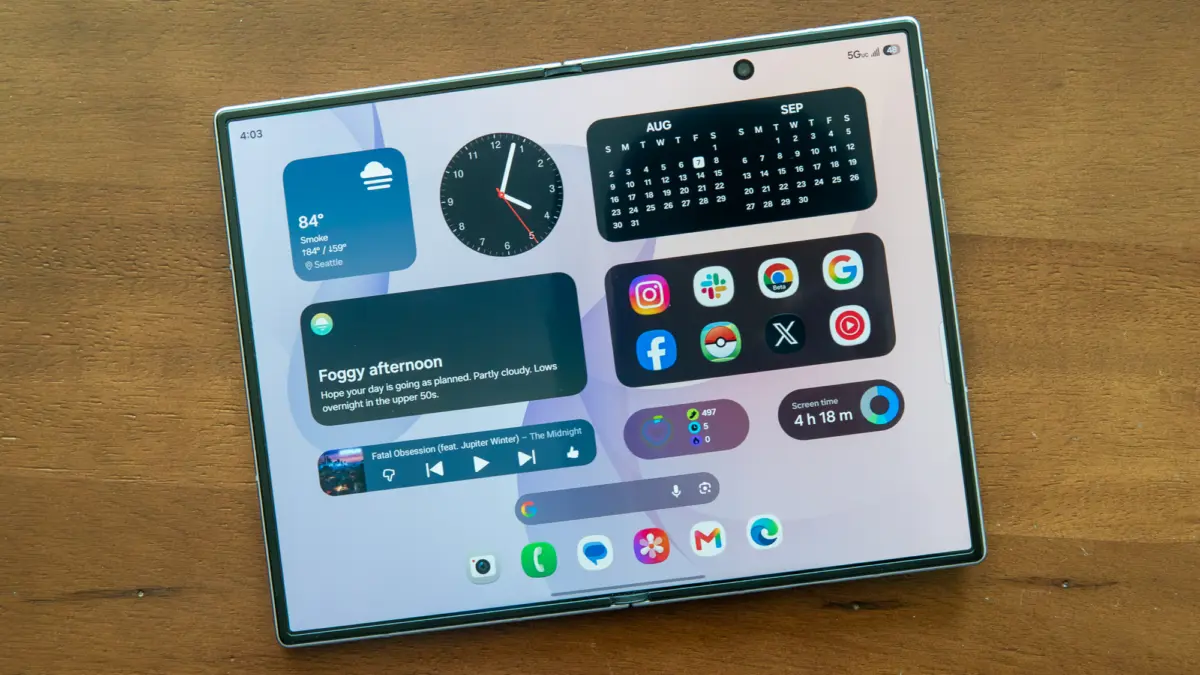
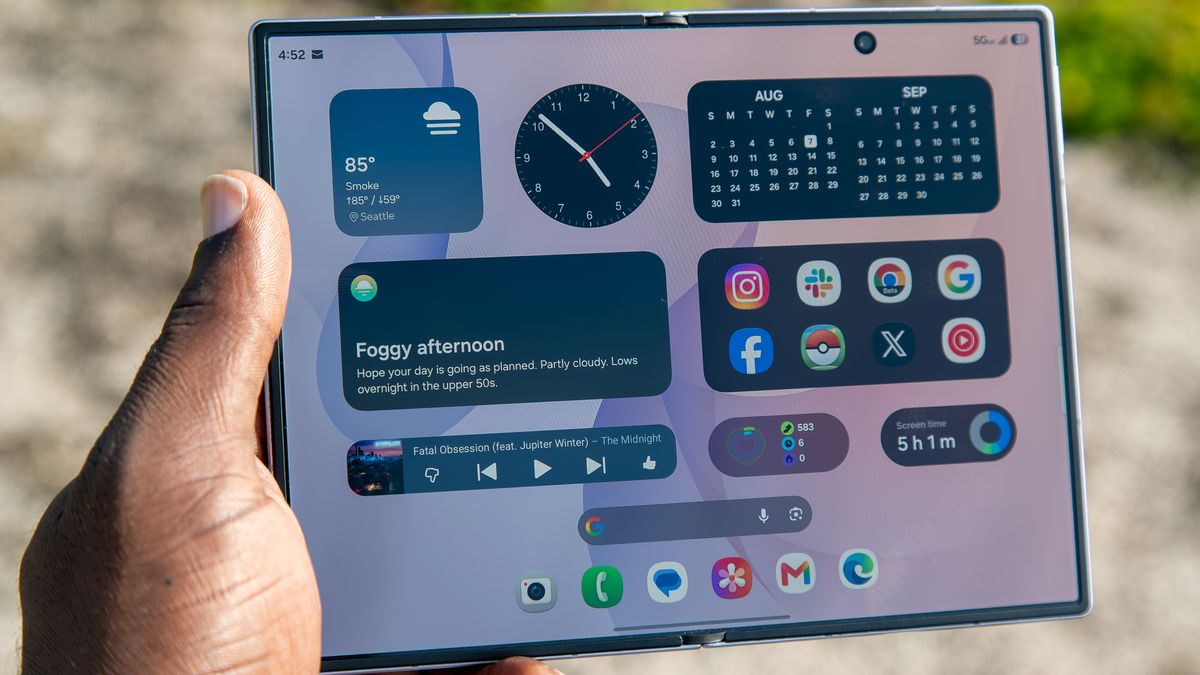
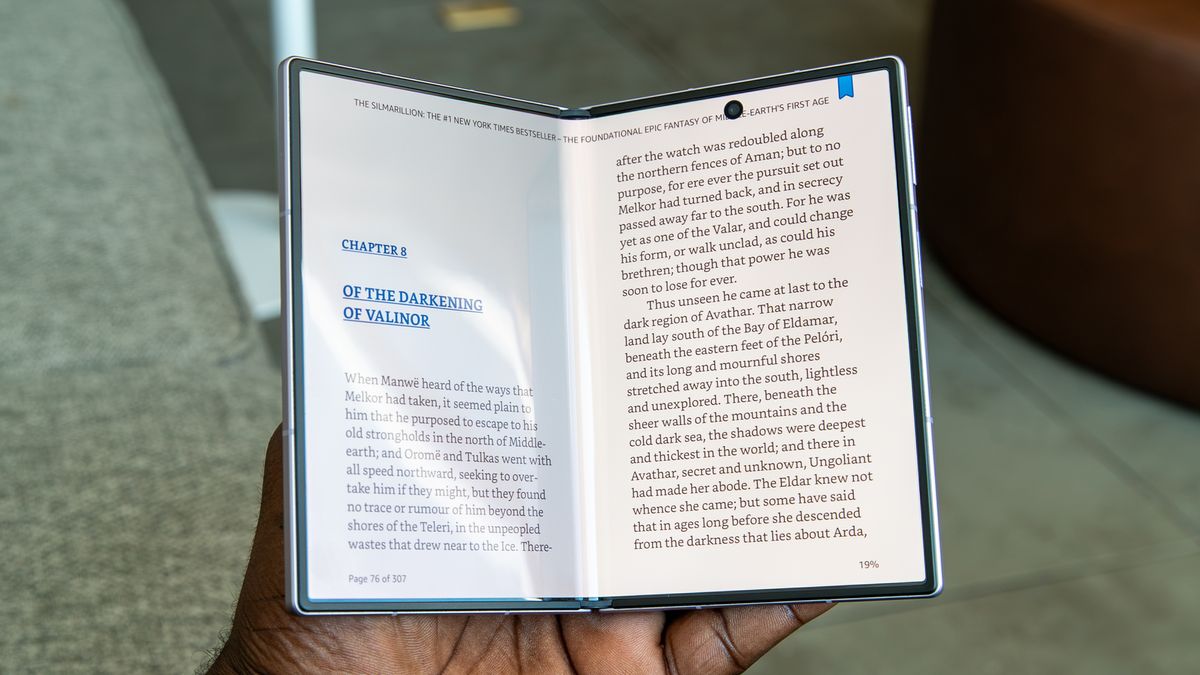
Unfolding the device reveals a sprawling 7.6-inch LTPO AMOLED internal display (1,848 x 2,448 pixels) featuring an adaptive 1–120Hz refresh rate. Thanks to the integration of Samsung’s new Titanium Flex display technology, the central crease is practically invisible to both the eye and the finger. If Apple is currently waiting for crease-free folding technology before entering the market, Samsung has just set a formidable benchmark.
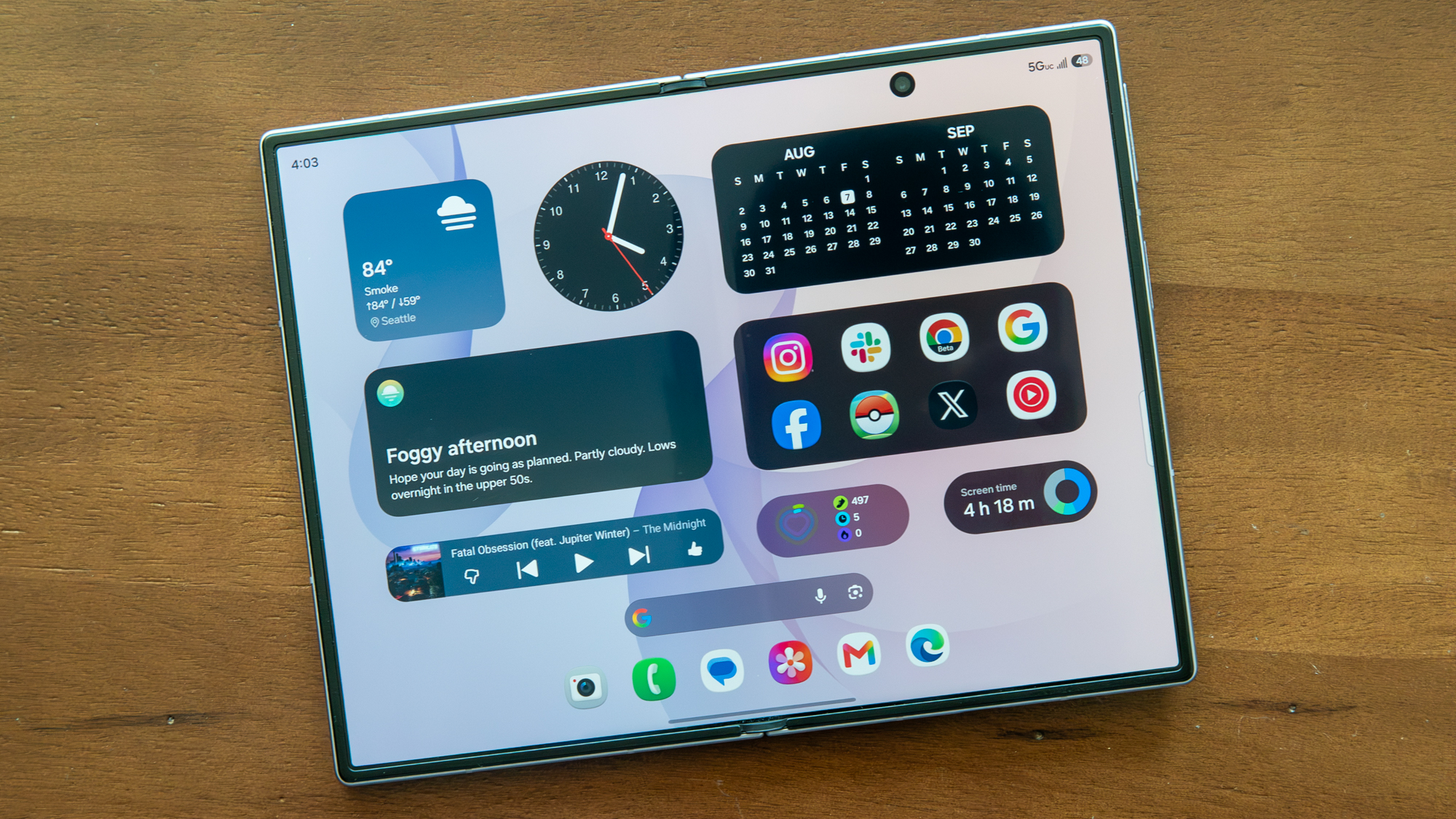
When open, the Z Fold 8 functions seamlessly as a compact tablet. Standard productivity and media apps—such as Gmail, Chrome, and YouTube Music—automatically default to tablet-optimized interfaces, bolstered by a persistent bottom taskbar that can be summoned from virtually any screen.
Supporting Context & Technical Metrics
Underneath its svelte exterior, the Galaxy Z Fold 8 packs bleeding-edge internal hardware designed to handle heavy multitasking and intensive processing workloads.
Comprehensive Technical Specifications
| Category | Samsung Galaxy Z Fold 8 Specifications |
|---|---|
| Operating System | One UI 9 (based on Android 17); guaranteed 7 years of OS upgrades |
| Displays | Inner: 7.6-inch LTPO AMOLED (1–120Hz, crease-less, 1,848 x 2,448 pixels) Outer: 5.5-inch LTPO AMOLED (120Hz, 1,248 x 1,972 pixels, Corning Gorilla Glass Ceramic 3) |
| Processor | Snapdragon 8 Elite Gen 5 for Galaxy |
| RAM Options | 12GB / 16GB |
| Storage Options | 256GB, 512GB, 1TB |
| Rear Cameras | 50MP main (OIS); 50MP ultra-wide |
| Front Cameras | 10MP (internal punch-hole); 10MP (external cover) |
| Battery & Charging | 4,800mAh; 45W wired charging, 20W wireless charging |
| Durability & IP Rating | IP48 dust and water resistance |
| Physical Dimensions | Folded: 123.9 x 81.9 x 9.7 mm Unfolded: 123.9 x 161.4 x 4.5 mm |
| Weight | 201g |
| Colorways | Lavender, Graphite, Cream, Pistachio |
Performance, Thermal Behavior, and Battery Realities
The combination of the Snapdragon 8 Elite Gen 5 for Galaxy and a baseline of 12GB of RAM ensures that day-to-day navigation, app switching, and intensive multitasking occur without stutter or frame drops.
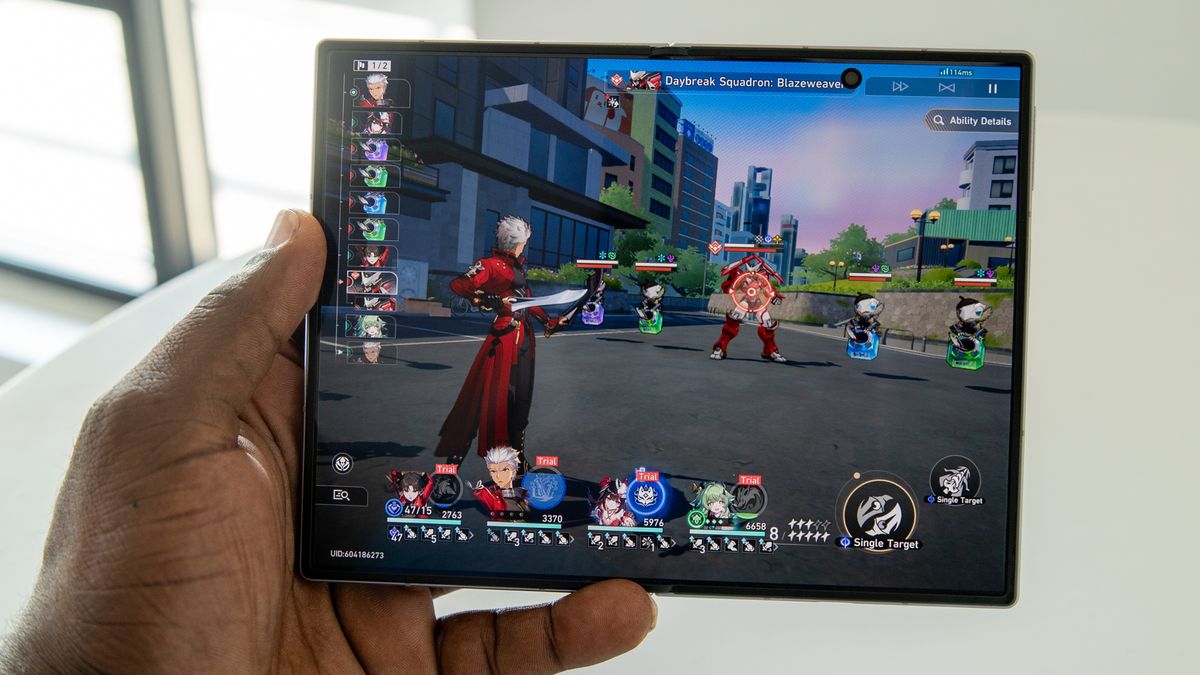
However, physics remains undefeated. Due to the phone’s remarkably thin profile (measuring just 4.5 mm when unfolded), thermal dissipation under heavy loads—specifically during graphic-intensive mobile gaming like Honkai: Star Rail—results in noticeable chassis warming.
Similarly, battery capacity sits at 4,800mAh. While this cell easily powers the device through a standard work day under moderate use, the inclusion of a 4,800mAh battery feels slightly conservative given modern advancements in silicon-carbon battery chemistry. Competitors like the Motorola Razr Ultra manage to pack 5,000mAh units into smaller footprints with faster charging speeds, leaving some users wishing Samsung had pushed the envelope further on raw battery endurance.
Software, Multitasking, and AI Integration
Running on One UI 9 (built on Android 17) with a commitment to seven years of major OS upgrades, the Z Fold 8 shines brightest when managing multiple workflows simultaneously.
Advanced Multitasking Capabilities
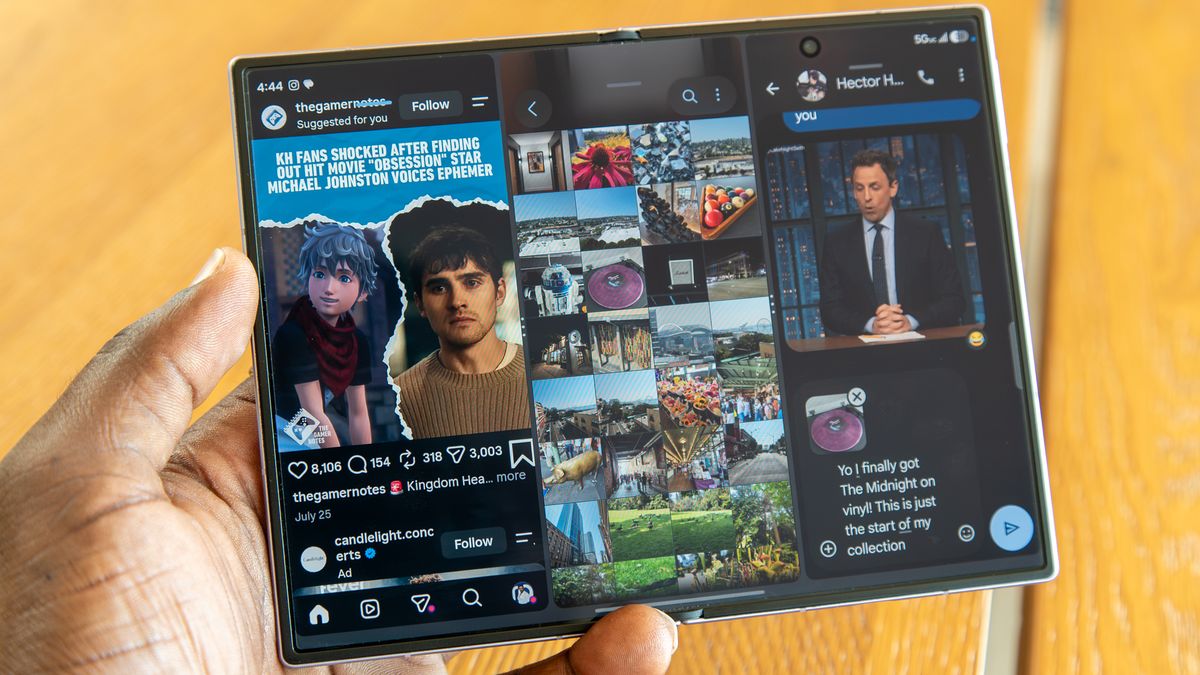
The wider inner aspect ratio redefines split-screen utility. Instead of being forced into a layout where one app dominates a full side while two cramped apps split the other, users can comfortably run three distinct apps side-by-side in vertical orientations. Cross-app drag-and-drop functionality, resizable windows, and dynamic app layout switching make this the most versatile productivity tool in the Android ecosystem.
Note on Flex Mode: Curiously, the Z Fold 8 lacks support for the Flex Mode panel found on its larger sibling (the Fold 8 Ultra) and the Flip 8. Because the hinge mechanism is optimized for flat deployment rather than holding stable intermediate angles beyond 90 degrees, hands-free tabletop viewing is somewhat limited.
Galaxy AI and Gemini Intelligence
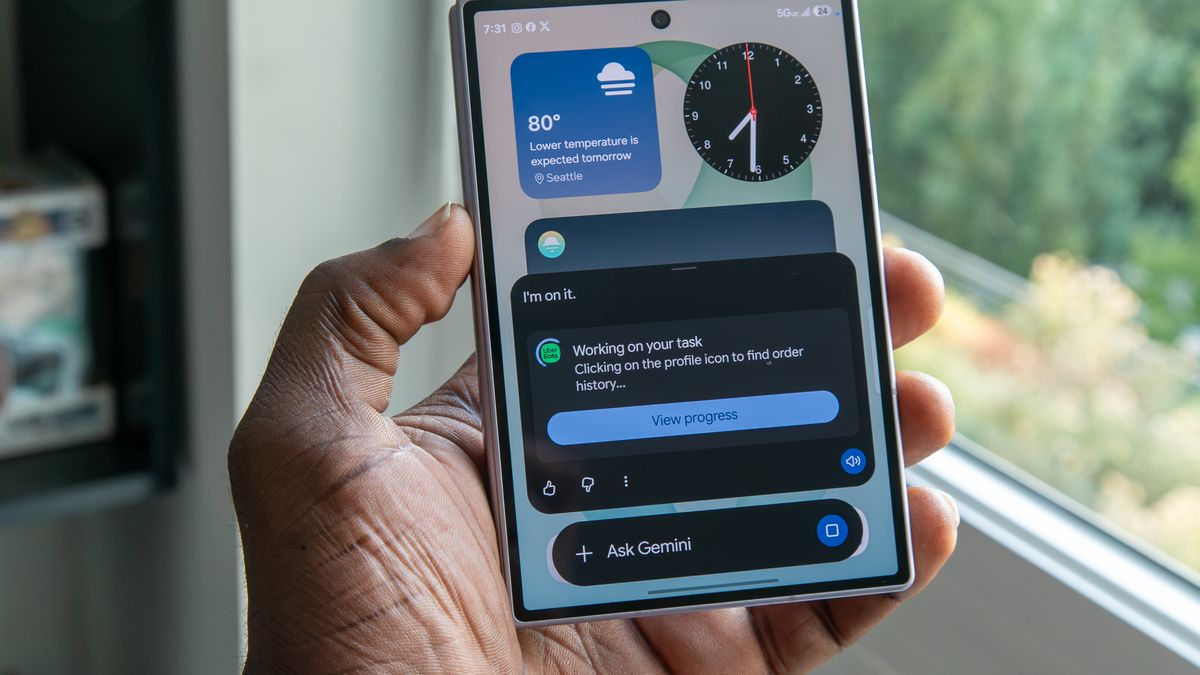
Samsung has embedded its AI suite deeply throughout One UI 9. Powered in part by Gemini Intelligence, the device provides contextual smart replies, automated writing assistants, and dynamic screen automation that extends across a growing list of third-party applications.
- Contextual Suggestions: The AI actively analyzes incoming messages, suggesting localized foreign language prompts (such as German phrases when replying to a friend) or automatically surfacing relevant applications—like popping open your calendar when a contact asks about your travel schedule.
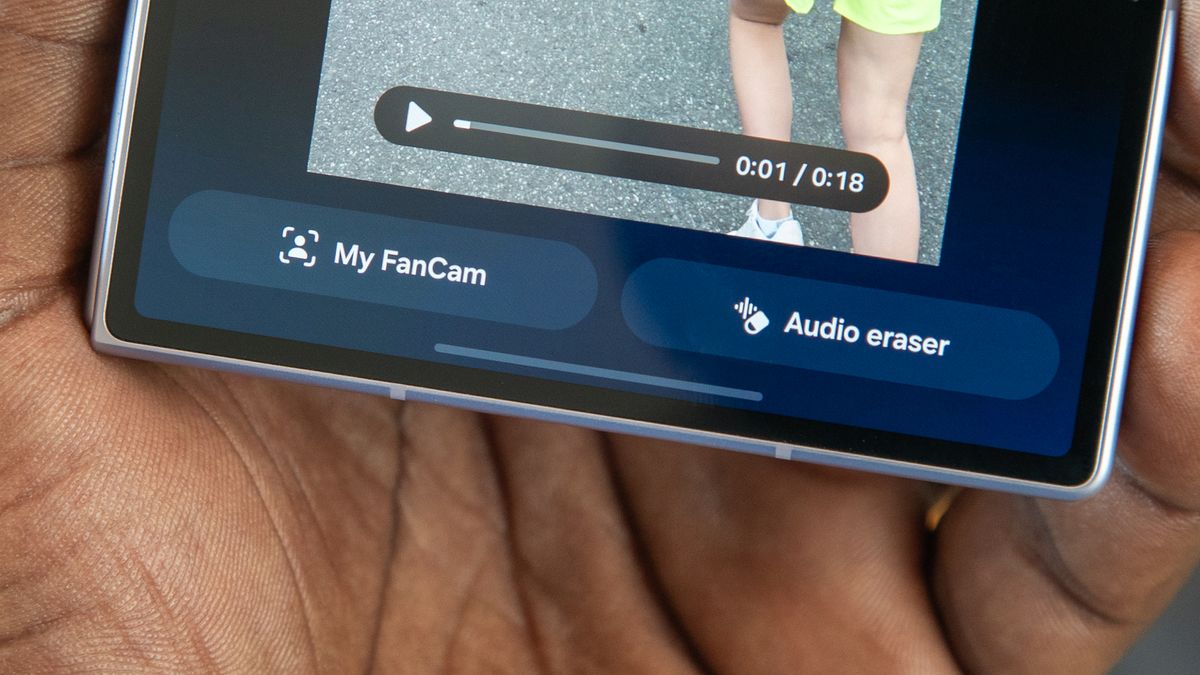
- My FanCam: A standout software feature for content creators, My FanCam utilizes advanced machine learning to isolate and track a specific subject within a moving video frame, automatically cropping the footage into a vertical, social-media-ready aspect ratio. While tracking movements can occasionally exhibit slight wobbling, it dramatically slashes manual editing times.
- Pro Creator Tools: Addressing content creation head-on, Samsung has integrated professional-grade video capture capabilities, allowing creators to shoot in LOG format and apply custom LUTs (Look-Up Tables) directly on-device for rich, cinematic color grading straight out of the box.
Official Statements and Industry Context
While Samsung executives have remained tight-lipped regarding specific sales projections, internal shifts in product strategy mirror broader industry trends. Market research consistently points toward a steady decline in consumer interest for traditional clamshell flip phones, counterbalanced by surging demand for robust, highly functional book-style foldables.
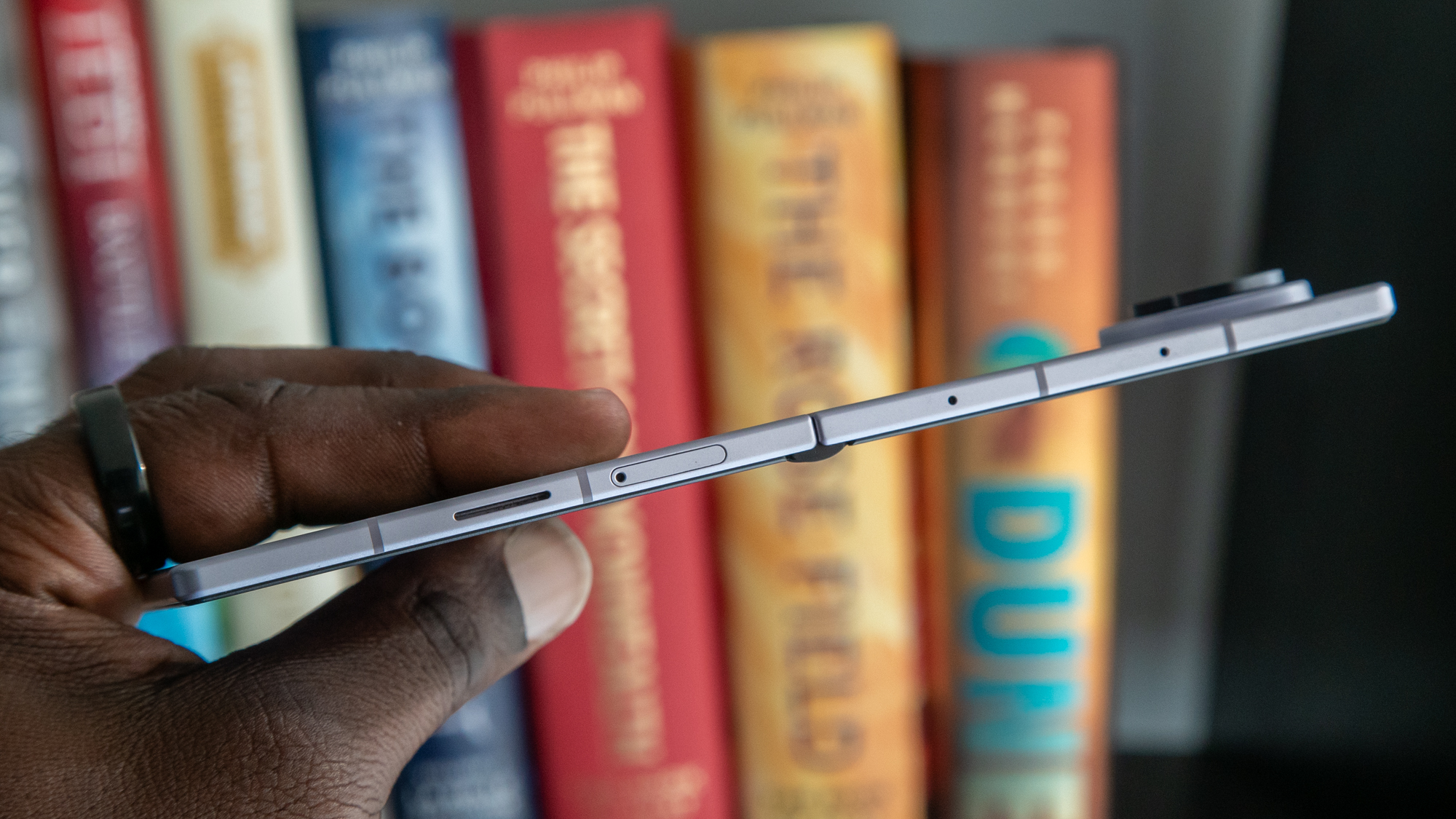
By scaling down the physical footprint, reducing weight to a mere 201 grams, and pricing the Z Fold 8 more aggressively than previous generations, Samsung is actively attempting to remove the financial and ergonomic barriers that have historically kept foldables confined to enterprise users and tech enthusiasts.
Industry analysts suggest that if any device can successfully cannibalize the fading flip phone market and usher foldables into mainstream consumer consciousness, it is a device that balances the pocketability of a passport with the expansive utility of a tablet.
Future Outlook
The Samsung Galaxy Z Fold 8 represents a watershed moment for mobile hardware design. By rejecting the awkward, ultra-tall aspect ratios of its predecessors and embracing a wider, passport-sized chassis, Samsung has solved the primary ergonomic complaint plaguing book-style foldables since their inception.
While trade-offs such as thermal throttling during extended gaming sessions, a lack of flexible hinge positioning for Flex Mode, and a slightly constrained battery capacity prevent it from achieving absolute perfection, these concessions are largely outweighed by the sheer joy of daily use.
As Samsung doubles down on seven years of software support, seamless AI integration via Gemini, and creator-focused tools like My FanCam and LOG video capture, the Galaxy Z Fold 8 does more than just update a product line. It establishes a definitive blueprint for the future of mobile computing—proving that the ultimate smartphone form factor is no longer a compromise, but a masterclass in versatility.