Executive Overview
In an era where digital streaming platforms are constantly diversifying their portfolios to secure user retention, YouTube appears to be eyeing a significant shift in its service offering. Recent reports, spearheaded by The Wall Street Journal, suggest that Google’s video giant is in active negotiations with major publishing houses to integrate a dedicated audiobook service into its YouTube Premium ecosystem.
For the average consumer, this move signals more than just a new feature—it represents a potential paradigm shift in how audio-based literature is consumed. By leveraging its massive existing user base, YouTube aims to transition from a platform defined by short-form and long-form video to an all-encompassing media hub. This potential entry, currently rumored for a 2027 rollout, positions YouTube as a direct challenger to established titans like Amazon’s Audible and the increasingly aggressive Spotify.
Detailed Chronology: From Video Repository to Audio Hub
The evolution of YouTube has been marked by a relentless pursuit of "stickiness"—ensuring that users spend as much time as possible within the Google ecosystem. While YouTube Music successfully carved out a niche against Apple Music and Spotify, the prospect of audiobooks represents a more complex logistical and legal hurdle.
The Catalyst for Change
Industry analysts point to the rise of unauthorized, AI-narrated content as a primary driver for this potential pivot. According to recent data cited by GoodEReader, roughly 45% of users who currently "listen" to audiobooks on YouTube are engaging with unofficial, often AI-generated content. These uploads frequently skirt copyright laws, presenting a dual problem for Google: a significant loss of potential revenue and a moderation nightmare regarding intellectual property rights.
By officially sanctioning audiobooks, YouTube would effectively "legitimize" the consumption of long-form audio on its platform. Rather than fighting an uphill battle against thousands of decentralized, pirated uploads, Google is exploring a strategy of "if you can’t beat them, host them." By providing high-quality, publisher-backed content, the company hopes to redirect that 45% of listeners toward a monetized, licensed experience.
The Roadmap to 2027
Current intelligence suggests that these discussions are in the preliminary stages. The timeline of 2027 provides Google with a three-year window to navigate the treacherous waters of digital rights management (DRM), royalty structures for authors, and the technical integration of audiobook players into the existing YouTube architecture.
Supporting Context & Metrics: The Battle for the Ears
To understand why YouTube would gamble on a saturated market, one must look at the competitive landscape. The audiobook industry is currently undergoing a period of hyper-growth, with a global market valuation projected to reach tens of billions by the end of the decade.
The Spotify Blueprint
Spotify’s entry into the audiobook market serves as the most relevant case study. In 2023, Spotify began offering its Premium subscribers 15 hours of audiobook listening time per month. This "freemium" hybrid model—where users get a taste of the service for free but must pay for overages—has forced Audible to reconsider its own subscription tiers.
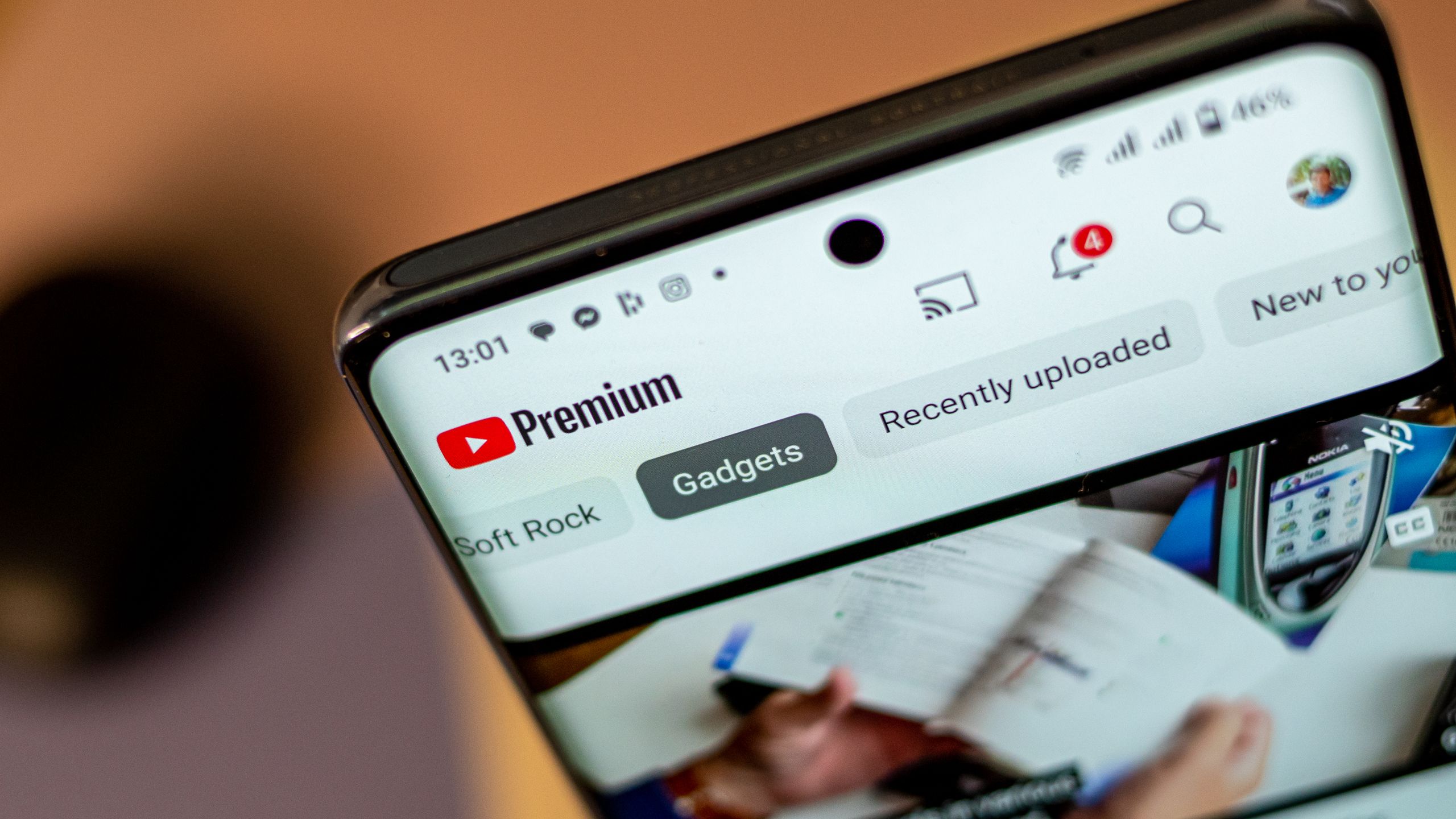
YouTube is likely analyzing these metrics closely. If Google adopts a similar "included in Premium" model, it adds immense value to the existing $16/month subscription. For many, this could be the final factor that convinces them to consolidate their streaming subscriptions, moving away from fragmented services and toward a singular, robust Google membership.
The "Audible" Dominance
Audible remains the benchmark. With a massive library and a long-standing history of exclusive content, it has cultivated a loyal subscriber base that values quality and platform stability. However, Audible’s primary weakness is its isolation; it is a platform built for one thing. YouTube’s strength, conversely, is its ubiquity. By embedding audiobooks into an app that users already open for music, education, and entertainment, YouTube reduces the "friction of entry"—the psychological barrier of needing to download and subscribe to yet another app.
The Challenge of Monetization and AI Ethics
One of the most contentious aspects of this potential expansion is the role of artificial intelligence. The current prevalence of AI-narrated audiobooks on YouTube is a double-edged sword. While it proves there is a massive appetite for audio content, it also highlights the platform’s current inability to police its own content library effectively.
The Publisher Perspective
Major publishing houses have been historically wary of tech giants, fearing the "devaluation" of their intellectual property. To secure a deal, Google will need to offer more than just a distribution platform; it will need to offer a robust anti-piracy framework. If YouTube can demonstrate that its Premium model provides better protection against AI-cloning and unauthorized distribution than the current "wild west" of the platform, publishers may be willing to sign on in droves.
The Consumer UX Dilemma
There is also the question of user experience. Can an app designed for high-resolution video effectively pivot to a seamless, long-form audio interface? The current YouTube player is optimized for visual engagement—playback speeds, chapter markers, and offline downloads are features that must be refined significantly to compete with the specialized interfaces of Audible or Storytel.
Future Outlook: A New Era for YouTube Premium?
As we look toward 2027, the success of this endeavor will hinge on three core pillars:
- Content Depth: Can YouTube secure exclusivity deals? Without best-sellers and a deep back-catalog of classics, the service will struggle to gain traction against incumbents.
- Seamless Integration: Will the transition from watching a video to listening to a book be fluid? Google’s ability to integrate this into the Android and iOS user experience will be the ultimate test of their software engineering prowess.
- Revenue Sharing: How will Google treat independent authors? If the payout structure is similar to the controversial YouTube music royalties, they may face pushback from the creative community.
The Verdict
The rumors surrounding YouTube’s entry into the audiobook market are a natural evolution of a platform that has already successfully consumed the music industry. While the technical, legal, and competitive hurdles are daunting, the potential for growth is undeniable.
For the user, the promise of an "all-in-one" subscription is compelling. If YouTube manages to execute this correctly, we may be looking at the beginning of the end for the standalone audiobook app. As Google continues to refine its "Super App" strategy, the inclusion of audiobooks isn’t just a feature—it’s a declaration that YouTube intends to be the primary destination for all human digital media consumption.
Whether this becomes a reality in 2027 remains to be seen, but one thing is clear: the incumbents, from Audible to Spotify, should be watching closely. The giant has woken up, and it is listening.