
Executive Overview
In the fast-paced ecosystem of wearable technology, finding deep discounts on premium fitness hardware is a rare occurrence. Industry leaders like Garmin have long maintained strict pricing margins on their flagship and mid-tier devices, rarely offering substantial price cuts outside of major retail holidays like Black Friday or Amazon Prime Day. However, a significant pricing shift has just emerged in the marketplace. Amazon has introduced a record-breaking 34% markdown on the popular 45mm Garmin Venu 3, driving the price down to an all-time low.
For fitness enthusiasts, casual runners, and tech consumers alike, this steep price cut presents a compelling dilemma. The Garmin Venu 3, once the reigning champion of our top-tier smartwatch recommendations, now occupies an interesting space in the market. It sits comfortably as the direct predecessor to the newly launched Garmin Venu 4. This creates a classic tech purchasing question: Is it wiser to buy the heavily discounted, battle-tested legacy model, or should consumers hold out for future markdowns on the newer, feature-rich successor?
This report provides an exhaustive, authoritative breakdown of the Garmin Venu 3 deal, exploring its hardware specifications, feature set, strengths, and software limitations relative to current market alternatives. We will examine how this device compares to its successor, evaluate its long-term value proposition for various types of athletes, and offer an analytical outlook on where the wearable market is heading as brands balance legacy inventory with next-generation innovations.
Detailed Chronology: The Evolution of the Venu Series and Current Market Dynamics
To understand the weight of Amazon’s current 34% discount on the Garmin Venu 3, one must trace the timeline of Garmin’s product lifecycle and pricing strategies. For years, Garmin has carved out a dominant niche by bridging the gap between hardcore sports data and everyday smartwatch convenience. While competitors like Apple, Samsung, and Google focus heavily on deep smartphone integration and daily charging routines, Garmin has built its reputation on surgical precision, robust build quality, and multi-day—sometimes multi-week—battery longevity.
The Rise of the Venu 3
When Garmin initially rolled out the Venu 3 (45mm), it was met with widespread critical acclaim. Reviewers lauded its vibrant AMOLED display, comprehensive wellness metrics, and the long-awaited inclusion of a built-in microphone and speaker for phone calls directly from the wrist. It quickly climbed to the top spot on multiple industry recommendation lists, establishing itself as the premier choice for users who wanted lifestyle smartwatch features without sacrificing granular fitness and recovery metrics.
As the years progressed, technology marched forward. Garmin continued to refine its ecosystem, eventually introducing the Venu 4, which currently holds the crown as the premier fitness watch on the market. Typically, when a new flagship iteration launches, older generations see gradual, phased price reductions of 10% to 20% to clear out warehouse space. A sudden, aggressive 34% price drop outside of a traditional retail holiday window represents a notable deviation from the norm, signaling aggressive inventory positioning by online retail giants.
The Pricing Breakdown
With the current Amazon promotion applied, the Garmin Venu 3 (45mm) is positioned roughly $205 lower than its modern successor, the Venu 4. For budget-conscious consumers who have tracked Garmin’s pricing history, this marks the absolute lowest price recorded for the device since its commercial debut. This pricing pivot has transformed the Venu 3 from a standard premium option into an aggressive value play, capturing the attention of prospective buyers who previously found the entry barrier too steep.
Supporting Context & Metrics: Venu 3 vs. Venu 4 Specifications
Evaluating whether the Garmin Venu 3 is worth your investment requires a granular look at how its technical specifications hold up against the modern standard set by the Venu 4 in 2026. While newer hardware invariably brings novel software capabilities, legacy models often retain surprising competitive advantages.
Hardware and Design Parity
At first glance, placing the Venu 3 side-by-side with the Venu 4 reveals an uncanny family resemblance. Both devices feature sophisticated stainless steel bezels that offer a sleek, professional aesthetic suitable for both the boardroom and the running track. Both utilize brilliant, crisp AMOLED touchscreens that remain legible under direct sunlight. Furthermore, both models house the same suite of highly accurate core health sensors, ensuring that heart rate tracking, blood oxygen saturation (SpO2) monitoring, and electrocardiogram (ECG) readings remain dependable across both generations.
Battery Life: The Legacy Advantage
Interestingly, the legacy Venu 3 actually outperforms its modern successor in one critical category: battery endurance.
- Garmin Venu 3 (45mm): Delivers up to an impressive 14 days of battery life on a single charge in smartwatch mode.
- Garmin Venu 4: While boasting cutting-edge tech, it sacrifices some battery longevity to power its enhanced processing demands and newer background algorithms.
- Build Materials: The Venu 3 utilizes a lighter polymer casing compared to some of the heavier metallic configurations found in newer lineups, making it exceptionally comfortable for 24/7 wear, including overnight sleep tracking.
Connectivity and Sensors
Both devices come equipped with robust connectivity suites, including NFC for contactless payments (Garmin Pay) and GLONASS GPS tracking for accurate outdoor route mapping. The built-in microphone and speaker function identically, allowing users with paired smartphones to take calls and interact with voice assistants directly from their wrist.
Where the Venu 3 Falls Short: Software Limitations
While the hardware remains fundamentally sound, the Venu 3 begins to show its age when evaluating software and advanced analytical frameworks. Garmin’s software ecosystem has evolved significantly since the Venu 3’s release.
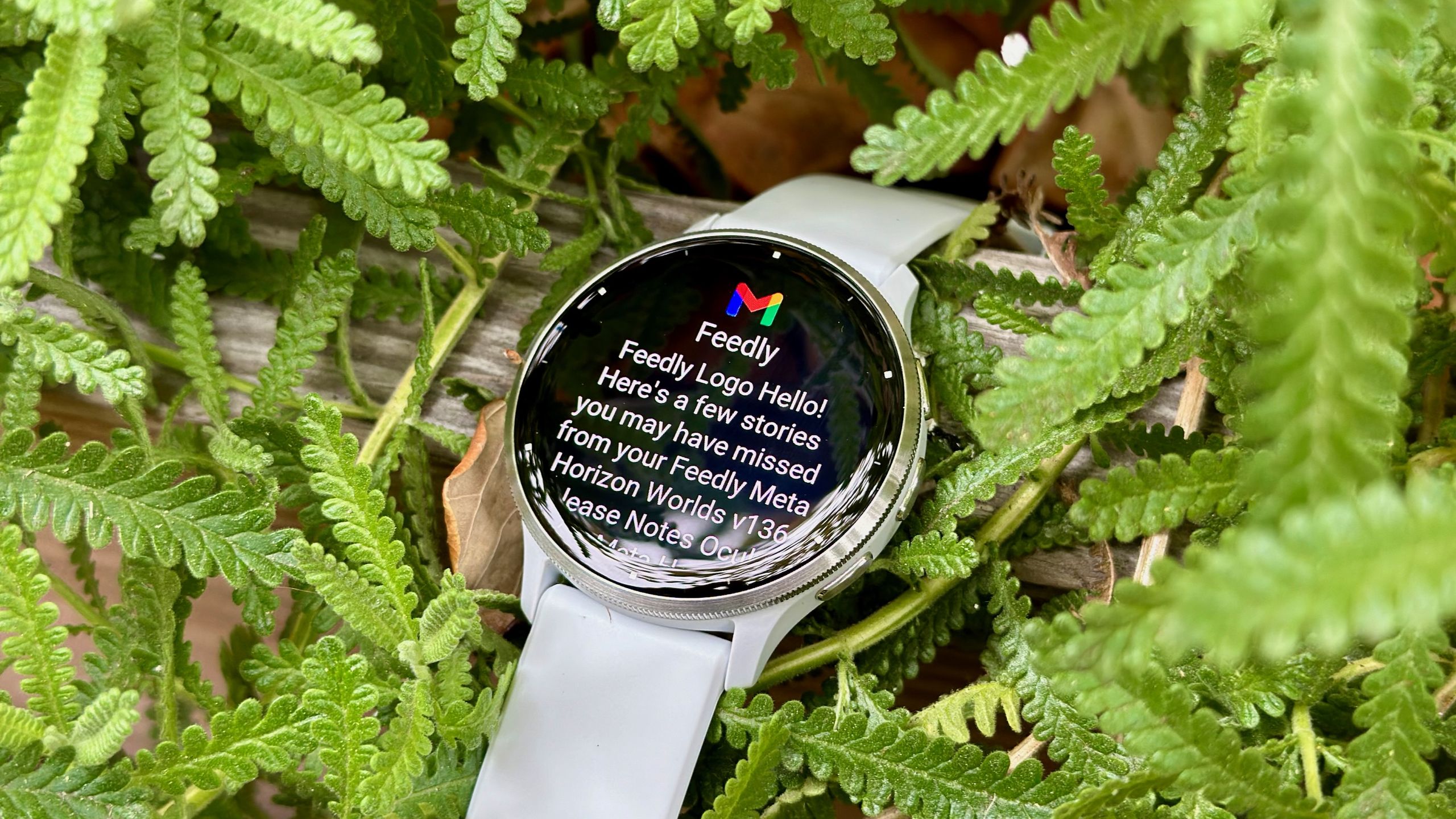
Owners of the Venu 3 miss out on several modern software additions that have rolled out to newer flagships, including:
- Advanced Fitness Coach: Personalized, dynamic training adjustments that adapt in real-time based on cumulative fatigue and recovery data.
- Health Status Dashboard: A more unified, holistic view of daily biometric trends.
- Sleep Alignment Metrics: Advanced insights that correlate sleep architecture with daily readiness scores more granularly.
- Hardware Exclusions: The Venu 3 lacks a built-in physical flashlight (a surprisingly popular utility feature on newer Garmin adventure and fitness watches) and dual-band GPS, which offers superior positioning accuracy in dense urban environments with tall skyscrapers or heavily wooded trails.
Official Statements and Industry Expert Perspectives
Industry analysts and wearable tech reviewers have weighed in heavily on the sudden price drop of the Garmin Venu 3. Market researchers point out that as consumer electronics face fluctuating demand and inflationary pressures, hardware manufacturers and third-party retailers are increasingly relying on strategic markdowns to capture price-sensitive demographics who might otherwise settle for cheaper, less accurate budget fitness trackers from lesser-known brands.
According to retail analytics observers, "A discount of this magnitude on a Tier-1 Garmin product bridges the psychological gap for consumers who view smartwatches as long-term investments rather than disposable tech."
Reviewers who have tested both the Venu 3 and Venu 4 emphasize that the core user experience remains largely intact. For the vast majority of runners, cyclists, and gym-goers, the missing software features on the Venu 3 are "nice-to-haves" rather than essential operational requirements.
An industry expert noted:
"If you are someone who tracks standard metrics—heart rate, GPS distance, VO2 Max, and Body Battery—the Venu 3 delivers 90% of the modern Garmin experience at a fraction of the cost. The software gap is primarily populated by algorithmic coaching aids rather than fundamental tracking accuracy regressions."
Future Outlook: Who Should Buy the Venu 3 Today?
As the wearable technology landscape continues to mature, consumers are increasingly forced to weigh the diminishing marginal returns of annual hardware upgrades. With the Garmin Venu 3 available at a record-low price point, market analysts project a surge in demand among specific consumer segments.
The Self-Guided Athlete
For self-directed athletes who craft their own workout routines, follow established training plans, or simply want a reliable device to log miles and monitor daily recovery without needing an AI-driven digital coach to dictate their daily pace, the Venu 3 represents an exceptional bargain. At $205 cheaper than the Venu 4, the financial savings vastly outweigh the minor software omissions.
The Entry-Level Wellness Tracker
The Venu 3 also serves as an ideal onboarding device for individuals transitioning from basic step-counting bands to a comprehensive health ecosystem. Features like Garmin’s Body Battery—which measures energy reserves throughout the day—and comprehensive sleep scoring provide actionable insights that can genuinely improve lifestyle habits, without requiring a top-tier financial commitment.
The Patient Tech Consumer
Conversely, for tech enthusiasts who demand the absolute cutting edge—such as dual-band GPS for precision mapping, a built-in flashlight, and the latest sleep alignment algorithms—holding out for future sales on the Garmin Venu 4 remains the prudent path. Eventually, market competition and product lifecycles will bring the Venu 4 down to more accessible price points as well.
Final Verdict
Amazon’s 34% discount on the Garmin Venu 3 is more than just a fleeting clearance sale; it is a strategic repositioning of a phenomenal fitness watch. For buyers willing to overlook a few generational software refinements, there has never been a better or more cost-effective time to invest in Garmin’s proven ecosystem. Whether this deal sparks a broader industry trend of aggressive mid-tier discounting remains to be seen, but for now, fitness enthusiasts have a clear window of opportunity to secure premium hardware at an unprecedented discount.