Executive Overview: The Evolution of Digital Coaching
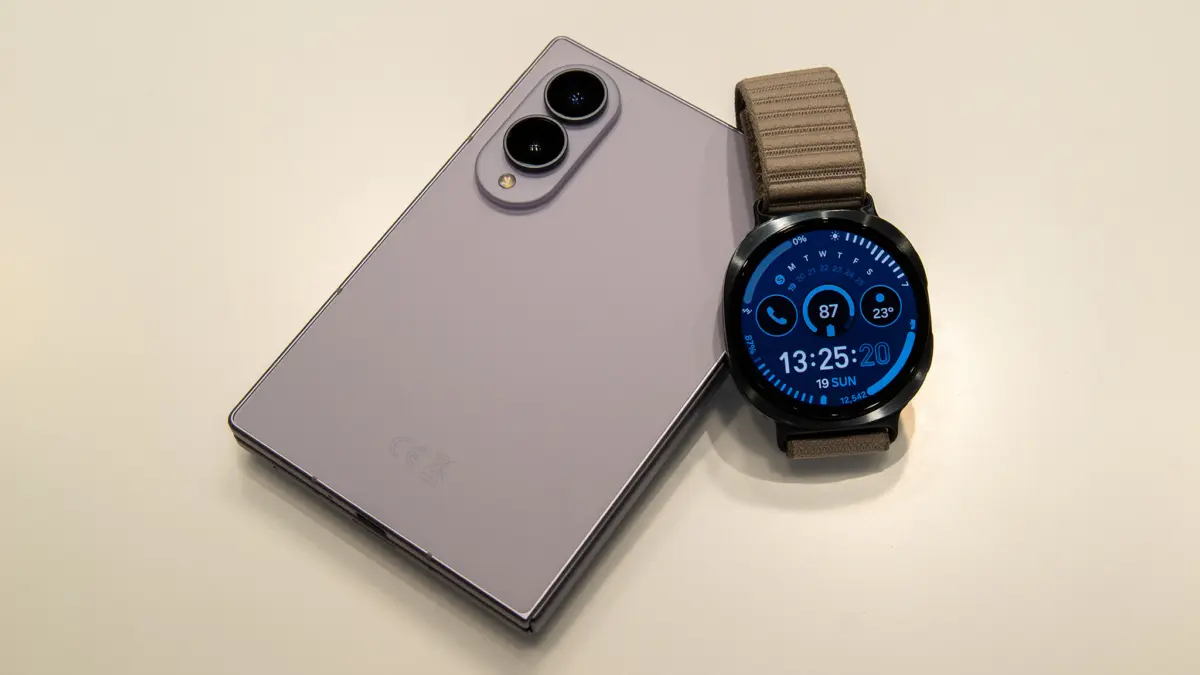
In the rapidly maturing landscape of wearable technology, the battle for user retention is no longer fought solely on hardware specifications or sensor accuracy. Instead, the current frontier is defined by how effectively companies can transform raw biometric data into actionable, life-altering habits. Samsung, a dominant player in this space, has taken a significant step toward this goal with its October 2024 update to the Samsung Health application.
Released on October 14, this update represents a strategic pivot toward accessibility and personalization. By streamlining the barrier to entry for its "Sleep Coach" and expanding the depth of its "Running Coach," Samsung is signaling a move toward more granular, user-centric wellness. These changes are not merely cosmetic; they reflect a sophisticated understanding of behavioral science, aimed at reducing user friction and providing meaningful, data-backed guidance that bridges the gap between tracking and coaching.
Detailed Chronology: Breaking Down the October Update
The October update introduces a series of refinements designed to make the Samsung Health experience more intuitive. For many users, the most significant change lies in the accessibility of the Sleep Coach module.
Lowering the Barrier: The Sleep Coach Reform
Previously, the Sleep Coach required users to commit to a relatively high bar: seven days of consistent sleep data within a one-month window before the coaching module could be initialized. For a casual user or someone with an inconsistent schedule, this requirement often acted as a deterrent, leading to low engagement rates.
With the new update, Samsung has slashed this requirement to just three days of sleep data within a two-week period. This reduction is a calculated move to capture users who are in the early stages of their wellness journey. By providing faster access to personalized coaching, Samsung is effectively shortening the "time to value," allowing users to receive actionable insights into their sleep patterns significantly sooner than before.
Data-Driven Personalization
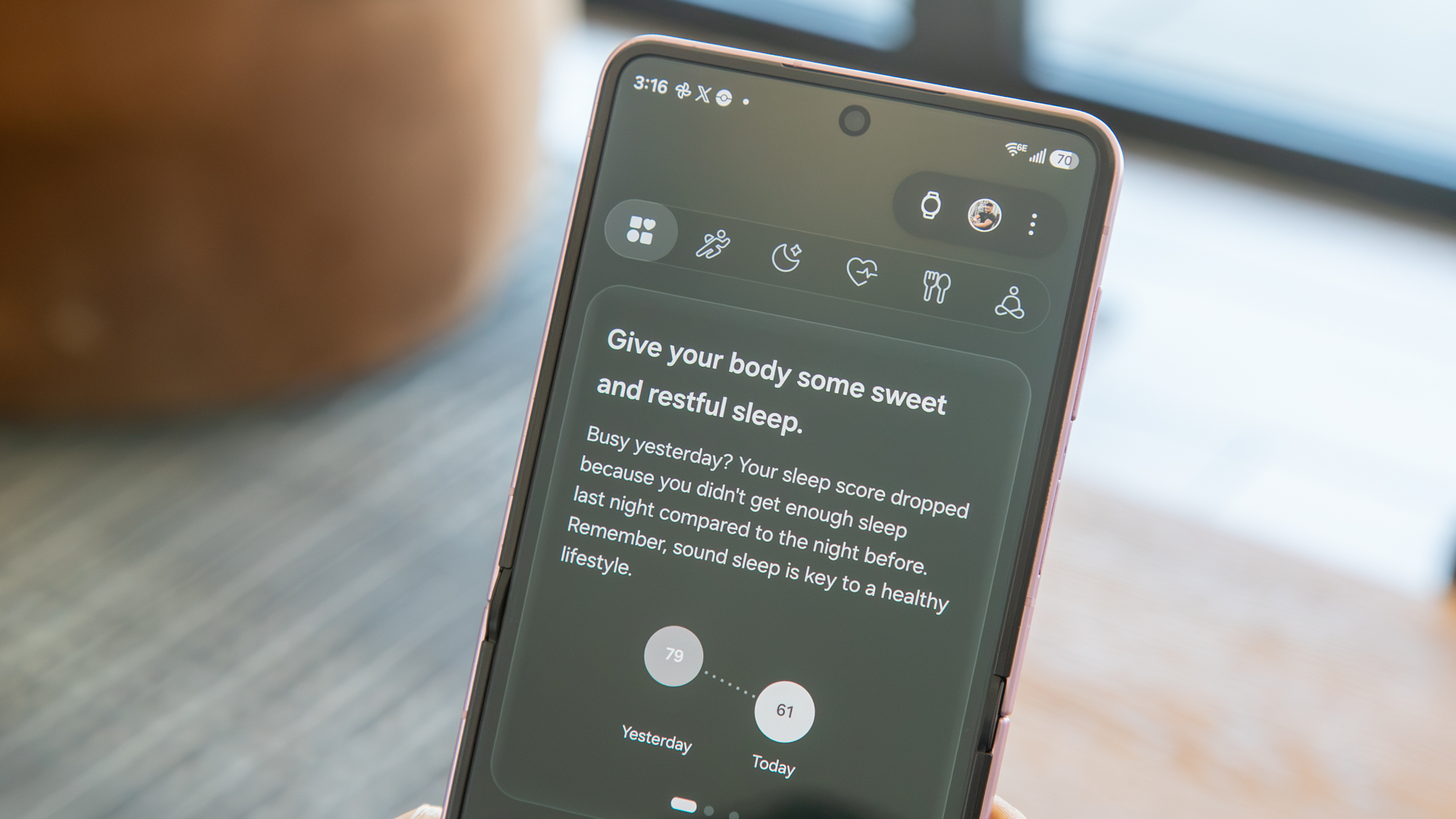
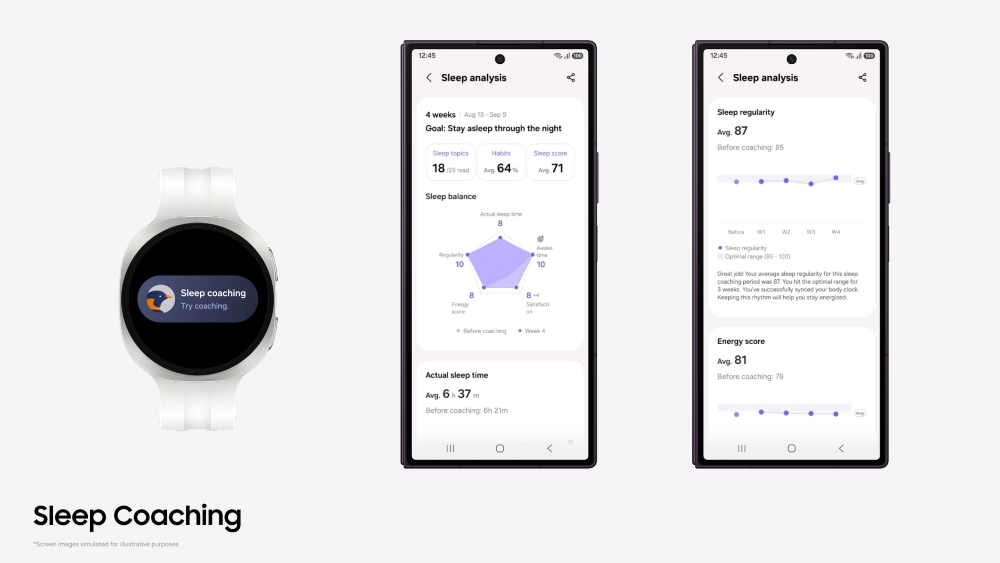
Once the threshold is met, the integration process has been overhauled. Users are now prompted to complete a comprehensive survey regarding their sleep habits—specifically focusing on regularity, sleep interruptions, and lifestyle factors such as caffeine intake.
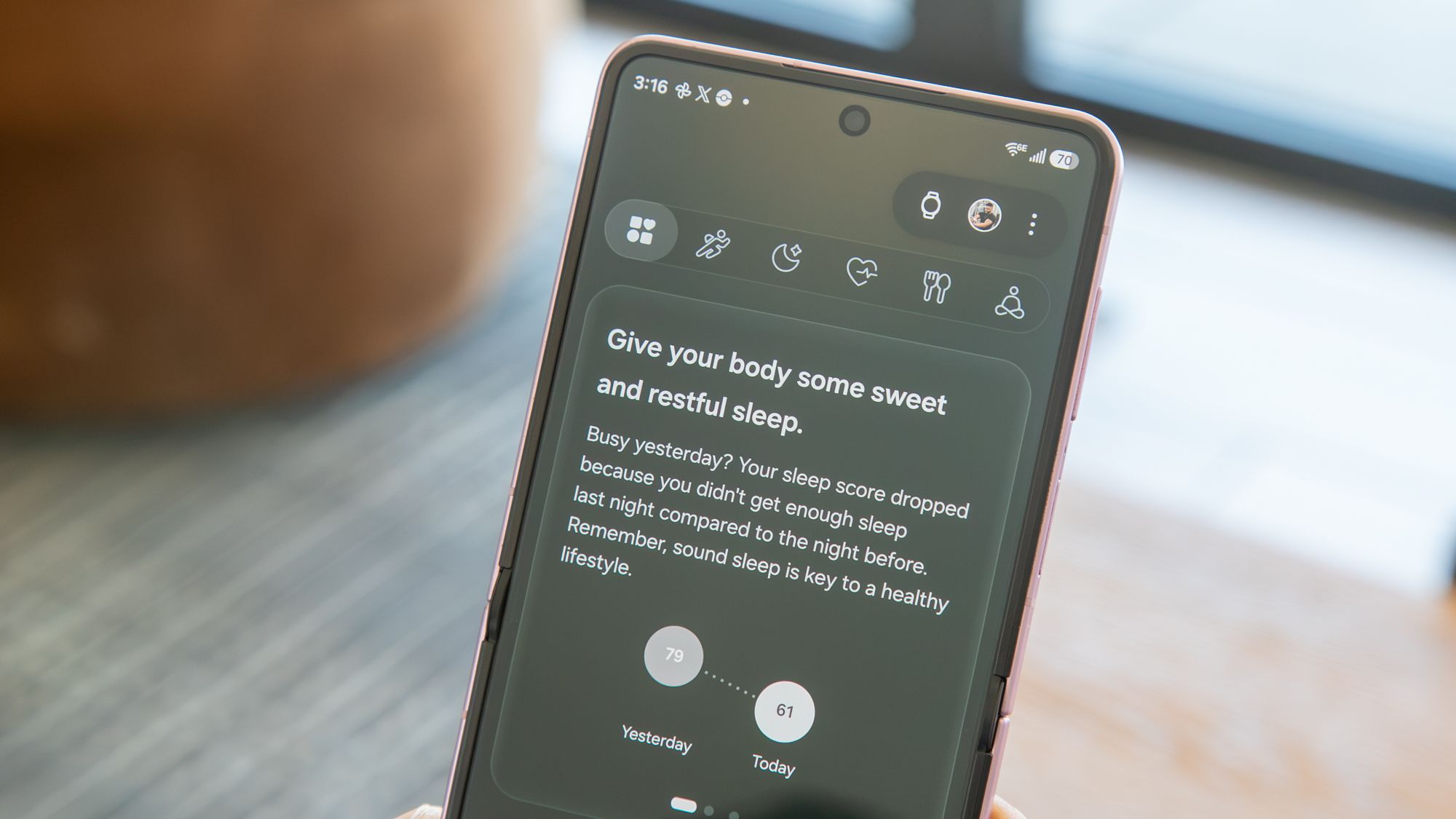
By combining this self-reported qualitative data with the quantitative sleep metrics gathered by the wearable device, the application generates a four- to eight-week tailored program. This bespoke approach ensures that the advice provided—whether it concerns wind-down routines or light exposure—is calibrated to the user’s specific challenges rather than relying on generic sleep hygiene tips.
The Sleep Balance Graph: A New Visual Language
Perhaps the most notable UI improvement is the introduction of the "Sleep Balance" graph. This tool provides a high-level, glanceable dashboard that aggregates complex metrics including total sleep time, sleep regularity, time spent awake during the night, overall sleep satisfaction, and the proprietary "Energy Score." By synthesizing these disparate data points into a single visualization, Samsung is helping users identify trends that might otherwise be buried in long-form reports.
For the Runners: Expanding the Athletic Horizon
While sleep hygiene is a primary focus, Samsung has not neglected the active user base. The Running Coach, which has seen an uptick in popularity across the Galaxy ecosystem, has undergone a structural expansion.
Advanced Tiering and Performance Benchmarks
The most significant upgrade for runners is the expansion of the training tiers, which have increased from 10 levels to 12. This shift acknowledges a growing demographic of intermediate and advanced runners who use Samsung wearables as primary training tools.
These additional tiers offer more nuanced progression, allowing experienced athletes to set higher benchmarks and engage in more rigorous challenge cycles. By providing a more expansive roadmap, Samsung is effectively increasing the "ceiling" for its users, keeping them within the Samsung Health ecosystem for longer periods as they progress from amateur to advanced training.
Seamless Integration: The Strava Partnership
Recognizing that many serious runners rely on dedicated platforms for route planning and community tracking, Samsung has doubled down on its partnership with Strava. The latest update enables a seamless import of running, trail running, and cycling routes directly into the Samsung Health app. This interoperability is crucial for the modern athlete, who often relies on a "best-of-breed" software stack. By allowing users to bring their Strava-curated adventures into the Samsung ecosystem, the company is positioning its app as a central command hub for health and performance metrics.
Supporting Context: The Science of "Vitals" and Beyond
To understand the significance of these updates, one must look at the broader framework of the Samsung Health app, particularly the features introduced ahead of the Galaxy Watch 9 launch.
The "Vitals" Framework
The "Vitals" feature remains the cornerstone of Samsung’s modern health strategy. It tracks five critical heart-related metrics:
- Heart Rate: The baseline measure of cardiovascular effort.
- Heart Rate Variability (HRV): A key indicator of autonomic nervous system health and stress resilience.
- Respiratory Rate: Providing insights into oxygenation efficiency.
- Skin Temperature: Useful for tracking recovery and identifying early signs of illness.
- Blood Oxygen (SpO2): A vital metric for both performance tracking and sleep quality monitoring.
By comparing current vitals against historical individual baselines, the app can flag anomalies that might otherwise go unnoticed. This is complemented by the "Health Heart Score," a diagnostic-adjacent feature that highlights meaningful changes in heart analytics, which the app explicitly encourages users to discuss with their healthcare providers.
AI-Driven Energy Scoring
The integration of AI into the "Energy Score" further emphasizes Samsung’s commitment to "guesswork-free" health. By analyzing activity, sleep quality, and heart rate data, the AI provides a daily numerical score that dictates the user’s recommended activity level for the day. This creates a closed-loop system: the watch tells you how you slept, suggests a workout based on that recovery, and then tracks your performance during said workout.
Official Statements and Industry Implications
While Samsung’s official communication regarding the update remains focused on "tailored guidance" and "ease of use," the broader industry implication is clear: the era of the passive tracker is over.
Industry analysts suggest that the shift toward coaching—rather than just monitoring—is a direct response to the saturation of the wearable market. Consumers are increasingly asking, "What does this data mean for me?" rather than simply asking, "How many steps did I take?" By lowering the barrier to entry for coaching and increasing the depth of training tiers, Samsung is attempting to transform the smartwatch from a novelty accessory into an essential wellness consultant.
Future Outlook: The Road Ahead
As we look toward the future, the integration of these features suggests that Samsung is moving toward a more holistic, AI-first wellness experience. We can anticipate further refinements in how these metrics interact; for instance, the potential for the Sleep Coach to automatically adjust the next day’s Running Coach intensity based on a low Sleep Balance score.
Furthermore, the emphasis on data-driven, long-term programs—such as the four- to eight-week sleep coaching—suggests that Samsung is aiming to increase the "stickiness" of its health platform. By fostering long-term engagement, the company is building a longitudinal dataset that could eventually lead to even more accurate, proactive health alerts.
In conclusion, the October update is a clear testament to Samsung’s iterative approach to health technology. By reducing friction for beginners and providing depth for power users, the company is successfully navigating the delicate balance between simplicity and sophistication. For the end user, this translates to a more responsive, intelligent, and useful tool—one that doesn’t just track the body, but actively guides the user toward a healthier, more balanced lifestyle.