Executive Overview
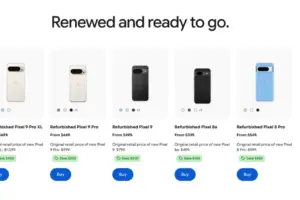
In a significant move to broaden its market footprint and democratize access to its flagship AI-integrated hardware, Google has officially integrated the Pixel 9 series into its "Certified Refurbished" program in the United States. This strategic expansion allows consumers to acquire the company’s latest high-end smartphones—including the Pixel 9, Pixel 9 Pro, and Pixel 9 Pro XL—at substantially reduced price points, starting as low as $499.
By formalizing the secondary market for its flagship devices, Google is not merely clearing inventory; it is building a circular economy that reinforces brand loyalty, lowers the barrier to entry for its software ecosystem, and competes directly with the burgeoning market for pre-owned premium handsets. This initiative comes at a time when the smartphone industry is grappling with lengthening upgrade cycles and economic headwinds, making value-oriented, high-quality alternatives more critical than ever for the average consumer.
Detailed Chronology of the Program Expansion
The inclusion of the Pixel 9 series into the official refurbished portal follows a consistent, if relatively rapid, cadence of product lifecycle management. Historically, Google has utilized its direct-to-consumer store as a primary channel for offloading inventory that has undergone rigorous industrial-scale restoration.
The emergence of these listings was first identified by industry analysts at 9to5Google, noting that the inventory appeared on the Google Store with aggressive pricing structures that effectively reposition the Pixel 9 lineup as a mid-range contender.
- Entry-level pricing: The base model Pixel 9, which debuted with a premium price tag of $799, is now listed at $499—a 37.5% reduction.
- Pro-tier accessibility: The Pixel 9 Pro and Pixel 9 Pro XL, often considered the gold standard for Google’s photography and AI capabilities, are priced at $649 and $699, respectively.
- Inventory Flux: Immediately upon launch, the base Pixel 9 model saw rapid sell-through, indicating high consumer demand for a "flagship-lite" experience at the sub-$500 price point. While the Pro models remain available at the time of reporting, the fluctuating inventory suggests that these units are highly sought after by value-conscious power users.
Supporting Context & Metrics: The Value Proposition
To understand why this development is significant, one must look at the technical rigor behind Google’s refurbishing process. Unlike third-party resellers or peer-to-peer marketplaces (such as eBay or Facebook Marketplace), Google’s program mimics the "Apple Certified" standard, which provides a level of consumer trust that is often missing in the secondary market.
The Technical Restoration Standard
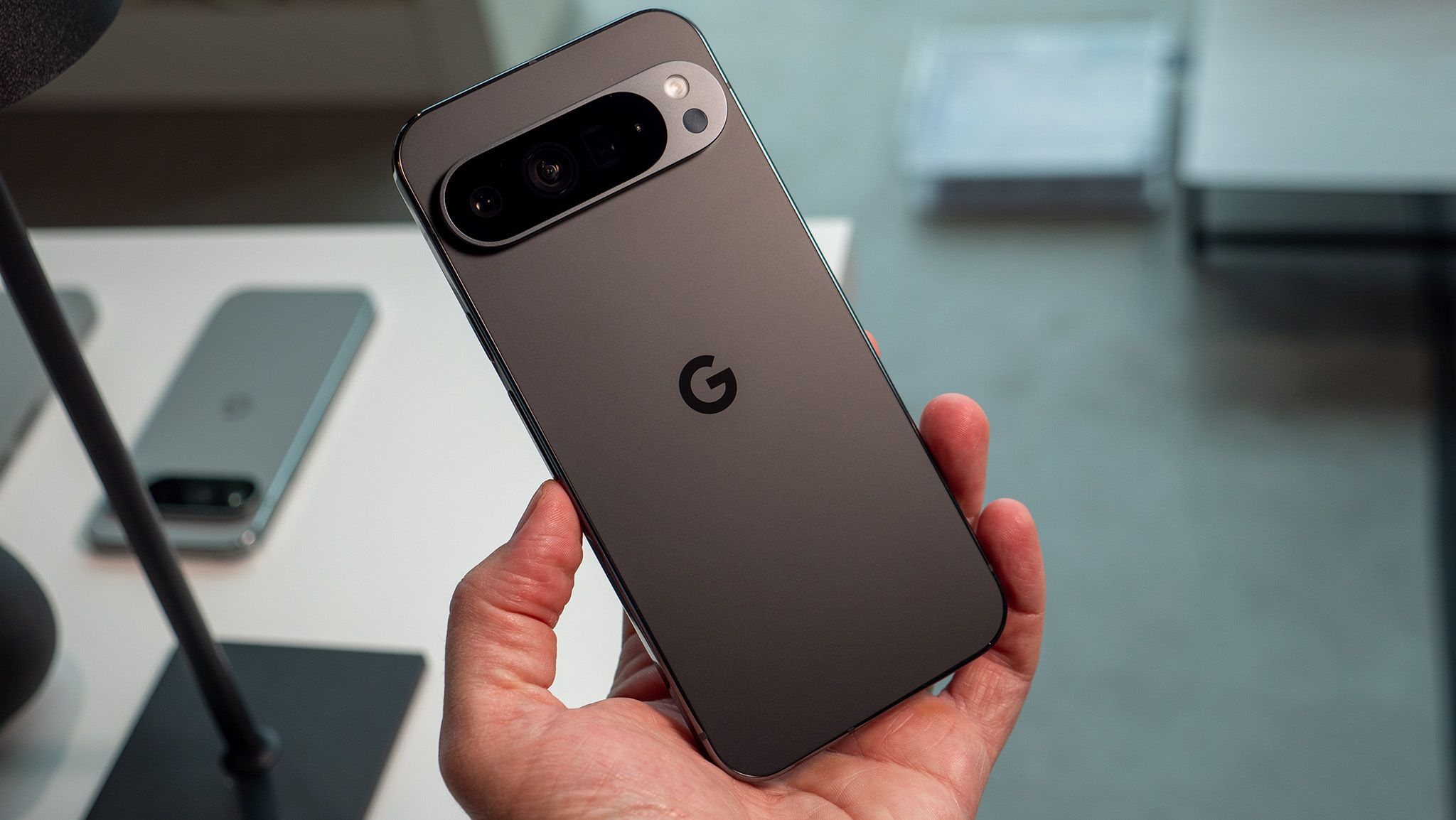
Google’s refurbishment process is not a mere "wipe and clean." According to the company’s internal protocols, every device undergoes:
- Comprehensive Inspection: A multi-point diagnostic check that assesses the integrity of the chassis, the responsiveness of the touch display, and the health of the camera arrays.
- Genuine Component Replacement: Crucially, if a component—such as a battery or a display module—fails to meet performance standards, it is replaced with genuine OEM parts. This ensures that the device maintains its IP68 water resistance rating and hardware-level security features.
- Battery Health Optimization: Batteries are tested against strict cycle-count thresholds. If a battery does not hold a charge comparable to a new unit, it is replaced, ensuring the longevity of the user experience.
- Software Integrity: Each device is factory reset and updated to the latest available version of Android, ensuring that users benefit from the full suite of security patches and AI feature drops from day one.
The "AI Plus" Incentive
To further sweeten the deal, Google is bundling a six-month subscription to its "Google AI Plus" program. This includes 2TB of cloud storage via Google One, which is a significant value-add for users who leverage Google’s cloud infrastructure for photos and document management. This strategy serves a dual purpose: it incentivizes the hardware purchase while simultaneously increasing the "stickiness" of the Google software ecosystem. Once a user becomes accustomed to 2TB of cloud storage and the advanced AI features, the likelihood of them renewing the subscription after the trial period increases, creating a recurring revenue stream for Google.
Official Statements and Market Positioning
While Google rarely issues press releases for individual product additions to the refurbished store, the move aligns with their broader mission to prioritize hardware longevity and sustainability. By extending the lifecycle of the Pixel 9, Google is effectively reducing the volume of e-waste and signaling to the market that their devices are designed to last beyond the typical one-year upgrade cycle.
Industry experts note that this move also serves as a defensive strategy. With the rise of "budget-flagships" from competitors, Google is ensuring that it captures the demographic that might otherwise gravitate toward discounted older-generation iPhones or mid-range devices from Chinese manufacturers. By offering a "certified" experience, Google removes the risk factor associated with purchasing used electronics.
Future Outlook: The Circular Economy of Tech
The decision to bring the Pixel 9 series into the refurbished market so soon after its initial release cycle suggests a shifting philosophy within Google’s hardware division. As the cost of premium silicon and display components continues to climb, the ability to offer refurbished units provides a necessary release valve for the company’s inventory management.
Impact on Resale Value
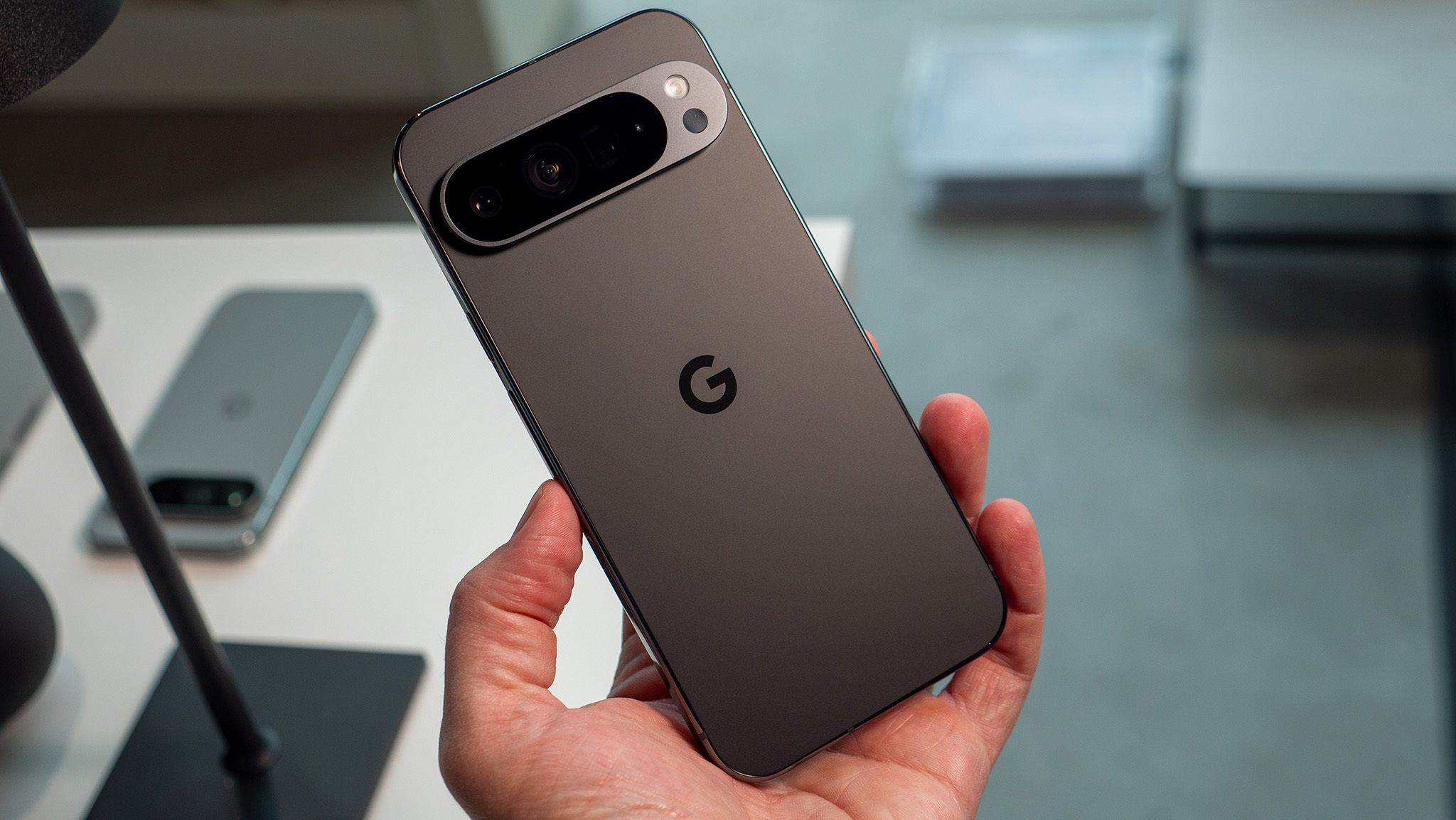
One potential consequence of this move is the stabilization of resale values for Pixel devices. By setting a "floor" price via their official store, Google provides a benchmark for the secondary market. While this may slightly depress the value of used Pixels on private marketplaces, it significantly increases the overall brand perception, as consumers are less likely to fear that a Pixel will lose all its value within six months of purchase.
Sustainability and Long-Term Support
Furthermore, Google’s commitment to seven years of software support for the Pixel 9 series makes these refurbished units an exceptionally compelling long-term investment. A user purchasing a refurbished Pixel 9 today is acquiring a device that will remain secure and feature-rich until at least 2031. This longevity is the cornerstone of the circular economy, and Google’s move to facilitate the transition of these devices to second and third owners is a clear acknowledgment of the modern consumer’s desire for durable, sustainable technology.
Conclusion: Is Now the Time to Buy?
For the average consumer, the "Certified Refurbished" Pixel 9 series represents perhaps the best value-per-dollar proposition in the smartphone market today. While some may hesitate at the label "pre-owned," the combination of Google’s official one-year limited warranty, the use of genuine replacement parts, and the inclusion of premium software services makes the trade-off negligible.
As the smartphone market continues to mature, the focus is shifting from "next-generation hardware" to "sustained software excellence." In that landscape, a refurbished Pixel 9 is not just a cheaper phone—it is a smart, sustainable, and powerful gateway into the future of mobile AI. As long as the inventory remains available, consumers looking for a flagship experience without the flagship price tag would be wise to monitor the Google Store’s refurbished portal closely.