Executive Overview: A Strategic Pivot in Software Philosophy
In a move that caught many industry observers by surprise, OnePlus has officially commenced the rollout of its stable ColorOS 17 update—built upon the foundation of Android 17—ahead of its previously announced schedule. Originally slated for an October 29 release, the update is currently reaching the flagship OnePlus 15 and the OnePlus Pad 4.
This development is far more than a mere firmware patch; it represents a pivotal shift in the company’s corporate strategy. As OnePlus continues to deepen its integration with parent company OPPO, the traditional "OxygenOS" identity, which once defined the brand as a lean, enthusiast-focused alternative to mainstream Android, is undergoing a definitive metamorphosis. By prioritizing ColorOS as its primary operating system interface, OnePlus is signaling its intention to standardize its software ecosystem, trading the nostalgia of the past for the feature-rich, deeply integrated infrastructure of the future.
Detailed Chronology: From Beta Testing to Global Deployment
The transition to ColorOS 17 began as a controlled, closed-door affair before moving into the open beta phase. For many users, the anticipation surrounding the stable build was high, particularly given the performance enhancements promised by the new Android 17 architecture.
The Phased Rollout Strategy
OnePlus confirmed the stable release via its official community forums, noting that the deployment would follow a staged approach.
- The Early Adopters: Participants who were already enrolled in the open beta program were the first to receive the over-the-air (OTA) notification. By prioritizing this cohort, OnePlus effectively utilized its most engaged user base to stress-test the stable build in real-world environments.
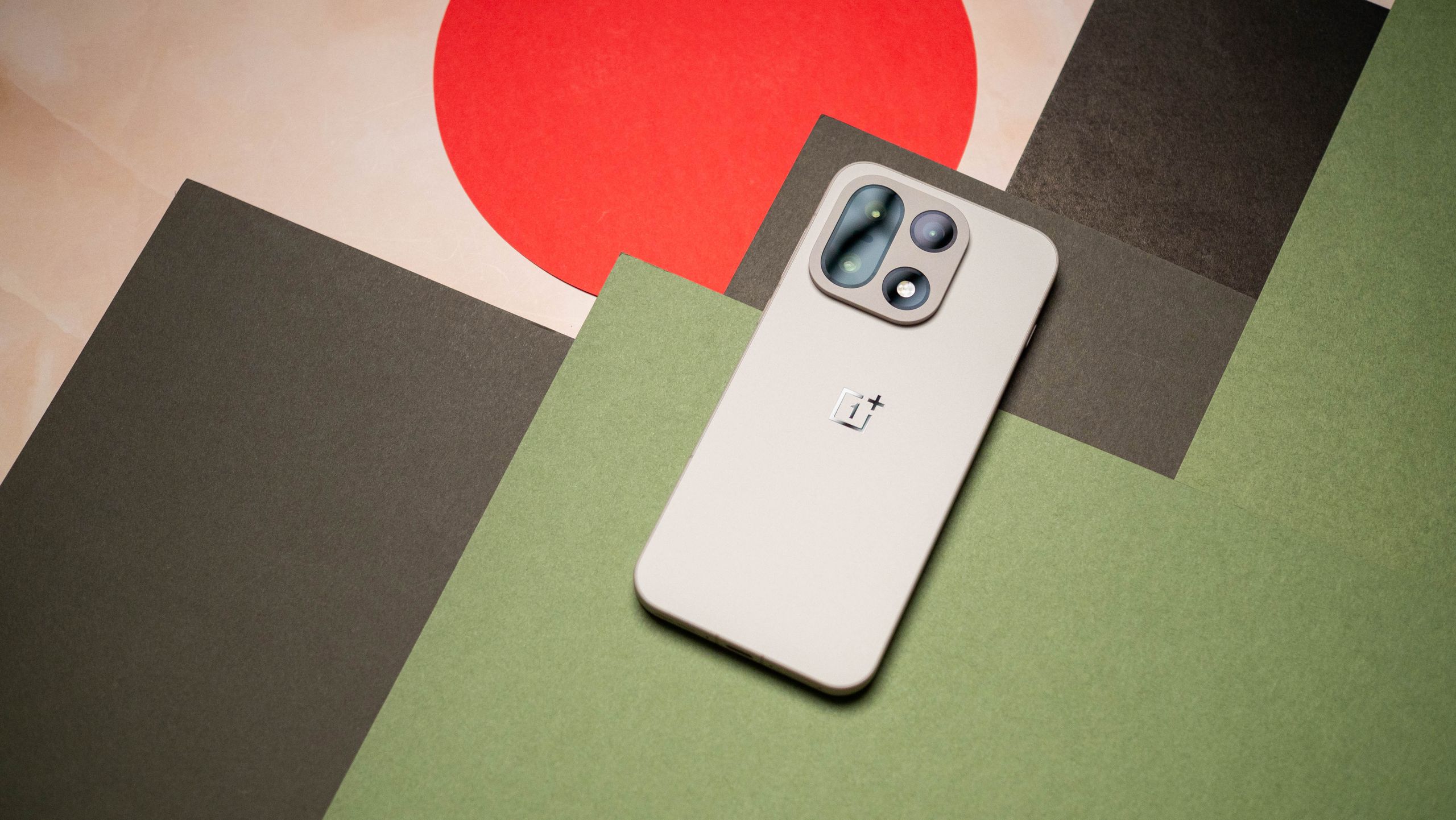
- Device Eligibility: The initial wave covers the flagship OnePlus 15 (Model CPH2745) and the OnePlus Pad 4.
- The "Regional Wrinkle": Recognizing the friction that a forced migration might cause, OnePlus has introduced a "choice-based" model for certain regions. Users who migrate to ColorOS 17 retain the option to roll back to OxygenOS. However, the company remains notably vague regarding the specific versioning of the fallback software, leaving some users concerned about the long-term stability of this revert path.
The Road Ahead
Following the initial deployment, the update schedule is set to expand rapidly. The next tier of devices earmarked for the transition includes the OnePlus 15R, the OnePlus 13, and the OnePlus 13s series. Industry experts suggest that the speed of this rollout indicates a concerted effort by OnePlus to unify its software support roadmap, reducing the overhead of maintaining disparate codebases for different global markets.
Supporting Context & Metrics: Why the Shift Matters
The transition from OxygenOS to ColorOS is a topic of intense debate within the Android community. To understand the significance of this move, one must look at the technical and market-driven factors influencing OnePlus’s decision-making.
Performance and Efficiency Metrics
ColorOS 17 is not just a cosmetic refresh; it introduces deep-level system optimizations. Key improvements include:
- Advanced Background Process Management: By leveraging the kernel-level enhancements of Android 17, ColorOS 17 aims to curb "zombie" applications that drain battery life in standby mode. Internal testing suggests a notable improvement in screen-on-time (SoT) for high-utilization users.
- Redesigned UI/UX: The update brings a overhauled animation engine that prioritizes fluid, high-frame-rate transitions. The Quick Settings panel has been modularized, allowing for a more granular level of customization that aligns with contemporary mobile design languages.
- Privacy and Security: With increased scrutiny on data handling, the new privacy dashboard offers more transparent controls over permission logging, allowing users to track which apps are accessing sensitive hardware components (camera, microphone, location) in real-time.
The "Unified" Vision
For years, OxygenOS and ColorOS have shared the same underlying code repository. The decision to finalize this transition is, in many ways, an acknowledgment of reality. By collapsing the distinction between the two, OnePlus is optimizing its engineering resources. This allows for faster deployment of security patches and a more consistent feature set across the entire product portfolio, which is essential as the company attempts to scale its hardware offerings in highly competitive markets.
Official Statements and Industry Impact
While OnePlus has been transparent about the technical rollout, its communications regarding the "identity crisis" of the brand have been more guarded.
In official community posts, the company emphasizes "innovation" and "seamless user experiences" as the primary drivers for the shift. A spokesperson noted, "Our goal is to provide a unified experience that brings the best of our hardware and software engineering together. ColorOS 17 is the manifestation of that philosophy, offering users a more robust, stable, and feature-dense platform than ever before."
However, industry analysts view this differently. "OnePlus is moving away from its niche, ‘hacker-friendly’ roots to compete directly with Samsung’s OneUI and Google’s Pixel experience," says a senior mobile analyst. "The challenge is not the quality of the software—ColorOS is objectively excellent—but the brand equity of OxygenOS. They are effectively rebranding their software to match their hardware’s premium aspirations."
Future Outlook: The End of an Era?
The broader implications of this update cannot be overstated. As OnePlus pulls back from specific North American and European market strategies, the software becomes the primary differentiator for its remaining global footprint.
What Should Users Do?
For the average consumer, the update is a welcome addition that brings modern UI trends and improved power efficiency. However, for power users who have long favored the specific aesthetic and "clean" feel of the original OxygenOS, the transition may feel like an imposition.
Expert Recommendations:
- Monitor Early Reports: Despite the stable label, it is prudent for users to wait 48 to 72 hours post-release. Keep an eye on community forums for reports of battery drain, app incompatibilities, or thermal issues.
- Backup Before Transition: Given the option to roll back, it is imperative to perform a full cloud backup. Rolling back to a previous OS version often necessitates a full factory reset, which will wipe all local data.
- Check for Compatibility: If you rely on specific "OxygenOS-only" tools or launchers, ensure they are compatible with the new ColorOS 17 environment before initiating the update.
The Verdict
The rollout of ColorOS 17 is a milestone that marks the conclusion of a multi-year journey toward total operational alignment with OPPO. While the loss of the unique OxygenOS identity may sting for longtime fans, the technical benefits—ranging from battery efficiency to a more polished, responsive interface—are undeniable. As we move further into the lifecycle of the OnePlus 15 and beyond, the success of this transition will ultimately depend on whether the company can maintain the "fast and smooth" performance that made the brand a household name in the first place.
The software landscape of the Android ecosystem is more competitive than ever, and with this update, OnePlus has firmly declared that it is no longer looking back. It is focused entirely on the future of unified, performance-driven computing.