Executive Overview
For years, the Android ecosystem faced a persistent critique from design enthusiasts and casual users alike: while competitors like Apple offered vibrant, polished, and dimensional emoji sets, Android’s iconography often felt flat, static, and utilitarian. That narrative shifted significantly with the debut of the Pixel 11 series and the accompanying release of Android 17.
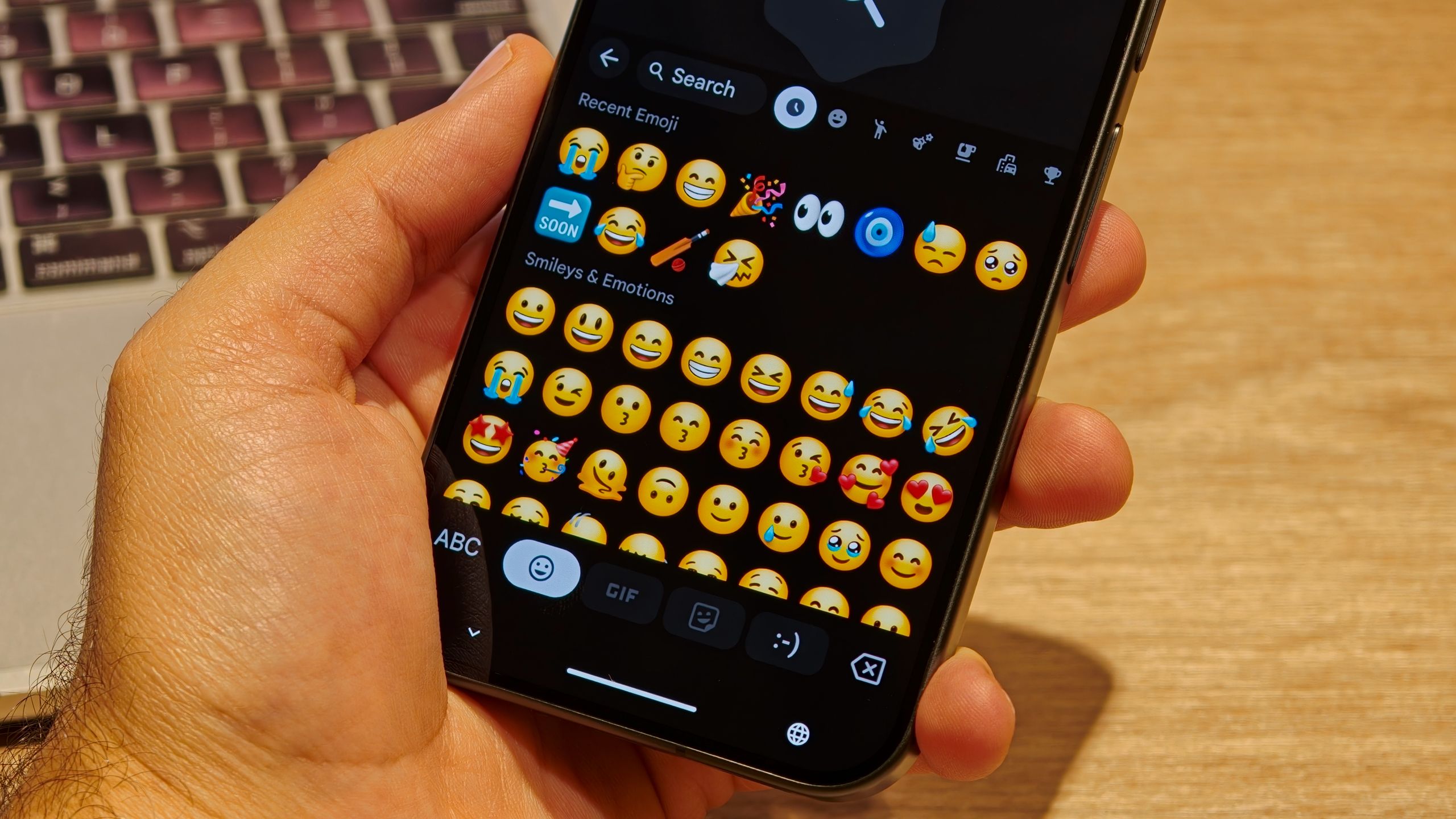
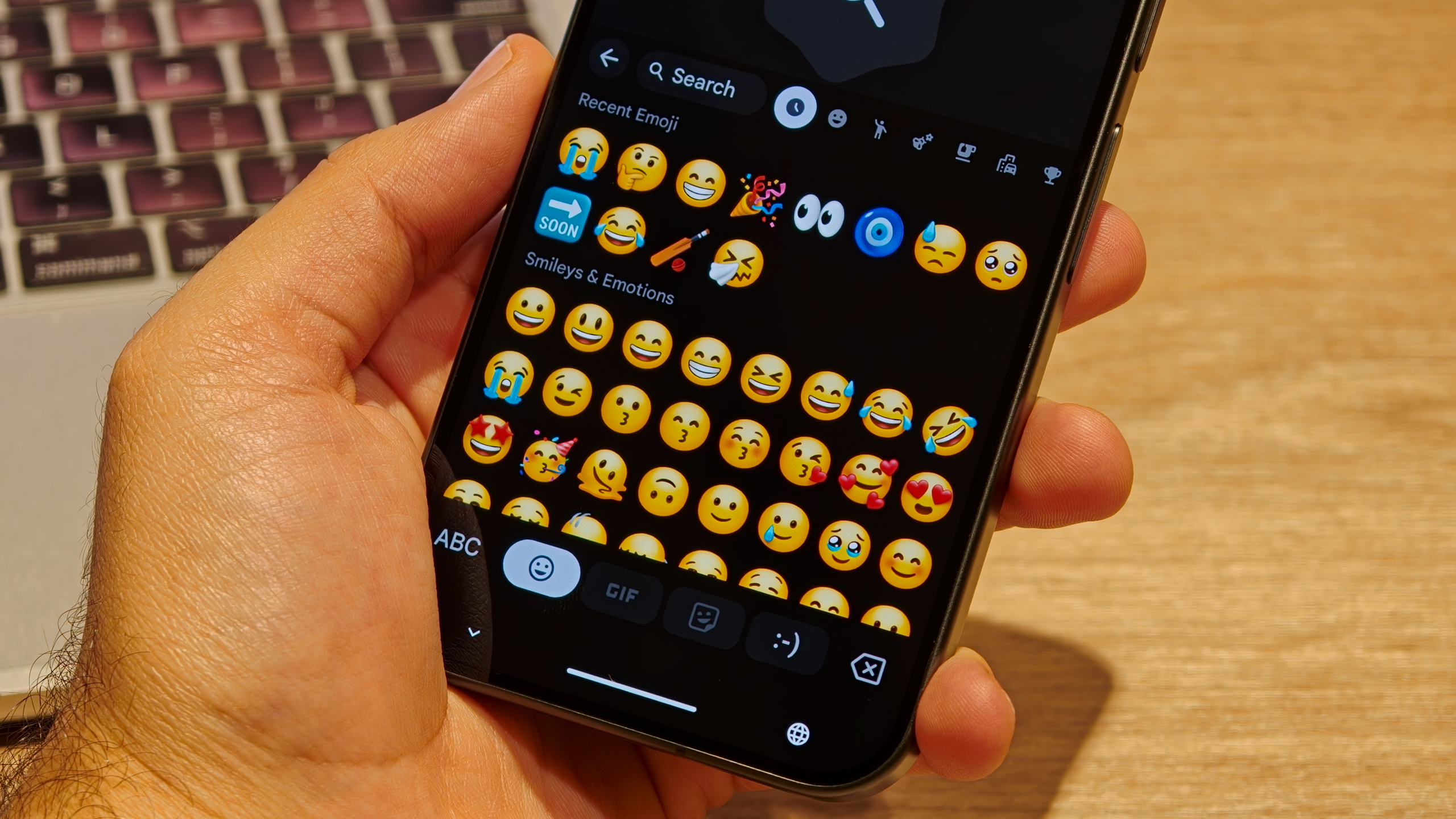
Google’s introduction of the "Noto 3D" design language marked a departure from the minimalist, two-dimensional aesthetics of the past. By leveraging sophisticated lighting, shadows, and depth-mapping techniques, these new emojis represent a major step forward in mobile visual communication. While initially locked behind the high-end barrier of the latest Pixel hardware, recent reports indicate a significant shift in strategy. Evidence gathered from the user community suggests that Google has quietly initiated a rollout of these 3D assets to older Pixel devices, signaling a broader commitment to standardizing the modern Android visual experience.
Detailed Chronology: The Evolution of Noto
The journey to the Noto 3D design language was not a sudden pivot, but a culmination of years of iterative design updates.
The Foundation
Google’s Noto (No Tofu) project has long been the backbone of Android’s typography and symbol support, aimed at ensuring that characters render correctly across all languages and scripts. Historically, however, the emoji component of this library leaned heavily into a "flat design" philosophy. While efficient, this approach lacked the emotive punch that users increasingly demanded in a social-media-driven era.
The Pixel 11 Breakthrough
When the Pixel 11 series launched, the hardware was not the only headline. The software suite—powered by Android 17—introduced a complete overhaul of the system-wide emoji set. These new designs were engineered to feel tactile, featuring soft highlights, ambient occlusion, and subtle gradients that mimic physical objects. This was more than just a fresh coat of paint; it was a fundamental rethink of how users interact with digital expressions.
The First Signs of Expansion
The shift from a "Pixel 11 Exclusive" model to a wider rollout became apparent in late 2026. A user on Reddit reported a surprising update on their Pixel 6a, noting that the standard emoji keyboard had been replaced with the new 3D iterations. Unlike previous app-based updates, this change appears to be tied to a deeper system-level integration, likely triggered by a recent Google Play system update. This discovery has set off a wave of investigation across tech forums, as users of various legacy devices attempt to determine if they are next in line for the visual upgrade.
Supporting Context & Metrics: Why Aesthetics Matter
The push for 3D emojis is not merely an exercise in vanity. In the realm of UX (User Experience) and UI (User Interface) design, the "feel" of a system is a critical metric for customer retention and brand loyalty.
Bridging the Competitor Gap
Historically, Android users have cited the emoji gap as a point of friction when communicating with iOS users. When an Android user sent a "plain" emoji, it would often look mismatched or jarring on an iPhone receiver’s screen. By aligning with a more dimensional, high-fidelity design language, Google is effectively harmonizing the cross-platform experience.
Technical Implementation and Hardware Demands
The transition to 3D assets is more resource-intensive than traditional vector-based emoji sets. Each emoji requires more memory and potentially more GPU processing to render accurately across varying screen densities. The fact that Google is now pushing these to older devices like the Pixel 6a suggests that the engineering team has successfully optimized the assets, ensuring that performance remains fluid even on hardware that is several years old.
The Role of System Updates
The observation that these updates are coming through system-level pushes rather than Gboard updates is significant. It indicates that Google is treating these emojis as a core component of the Android 17 OS environment rather than an optional keyboard feature. This ensures a consistent look across the entire interface, from third-party messaging apps to the system’s own native notifications.
The Current State of the Rollout
As of mid-October 2026, the rollout remains inconsistent. Our internal testing on devices such as the Pixel 9a and the Pixel 9 Pro—both running the latest Android 17 build—shows that the 3D set has not yet reached all users.
This indicates one of three potential scenarios:
- Phased Geographic/Carrier Rollout: Similar to major OS updates, Google may be pushing these assets in waves to monitor system stability.
- Server-Side Flagging: The feature may be active in the system code but locked behind a server-side flag that Google is enabling on a per-account or per-device basis.
- Hardware Tiering: While the Pixel 6a has shown the update, it is possible that older devices are receiving the assets through a specific security patch that has not yet reached the entire fleet of existing Pixel phones.
Regardless of the rollout method, the fact that the code is present on older devices confirms that the exclusivity period for the Pixel 11 is officially ending.
Official Statements and Industry Impact
Google has been vocal about its vision for a unified visual identity across the Android ecosystem. During the launch of Android 17, leadership emphasized that "visual accessibility and modern design are pillars of the modern Android experience."
Beyond the Pixel line, Google’s commitment extends to the broader Android Open Source Project (AOSP). The company has explicitly confirmed that the new emoji design language is intended to be available to all OEM partners, including:
- Nothing: Continuing their minimalist yet stylized design ethos.
- Motorola & Lenovo: Bringing modern flair to their diverse device lineup.
- BBK Electronics Brands (OnePlus, Oppo, Vivo): Ensuring their global user base benefits from the refreshed aesthetic.
By democratizing these design assets, Google is attempting to solve the "fragmentation of expression." When every phone in the Android ecosystem speaks the same visual language, the brand identity of Android as a whole is strengthened.
Future Outlook: What’s Next?
The arrival of 3D emojis is likely just the beginning of a larger aesthetic shift for Android. As we look toward the potential of Android 18 and beyond, we can expect several key developments:
1. Dynamic Emoji Personalization
With the rise of generative AI, there is speculation that future iterations of these 3D emojis could become "context-aware," allowing users to slightly tweak the expressions or colors of an emoji based on the tone of their text.
2. Enhanced Motion Assets
While the current Noto 3D set focuses on static imagery, the next logical step is an integration of subtle, lightweight animations. If Google can implement these without sacrificing battery life, it would represent a significant leap over static emoji sets found on competing platforms.
3. Cross-Platform Standardization
The ultimate goal is a world where emojis render with near-identical quality regardless of whether they are viewed on a high-end Pixel 11, a budget-friendly Motorola, or a desktop browser. Google’s work with the Noto font family has already achieved this for text; doing so for complex 3D assets is the next great challenge.
Final Thoughts
The rollout of the Noto 3D emojis to legacy hardware is a quiet victory for the Android user base. It demonstrates that Google is no longer content to leave older devices behind in terms of visual polish. While the rollout is currently in its nascent stages, it serves as a promising indicator of Google’s long-term strategy: creating a cohesive, high-quality, and modern experience that respects the user, regardless of when they purchased their device.
For those currently checking their Pixel 6 or 7 series devices for the update, patience is required. However, the evidence is clear—the flat, "bland" era of Android emojis is officially coming to a close, replaced by a new, dimensional standard that finally feels worthy of the hardware it lives on.