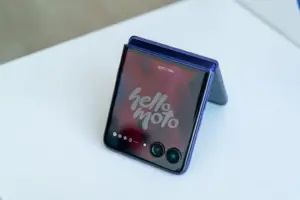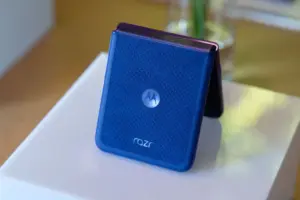
Executive Overview: A New Chapter for Foldables
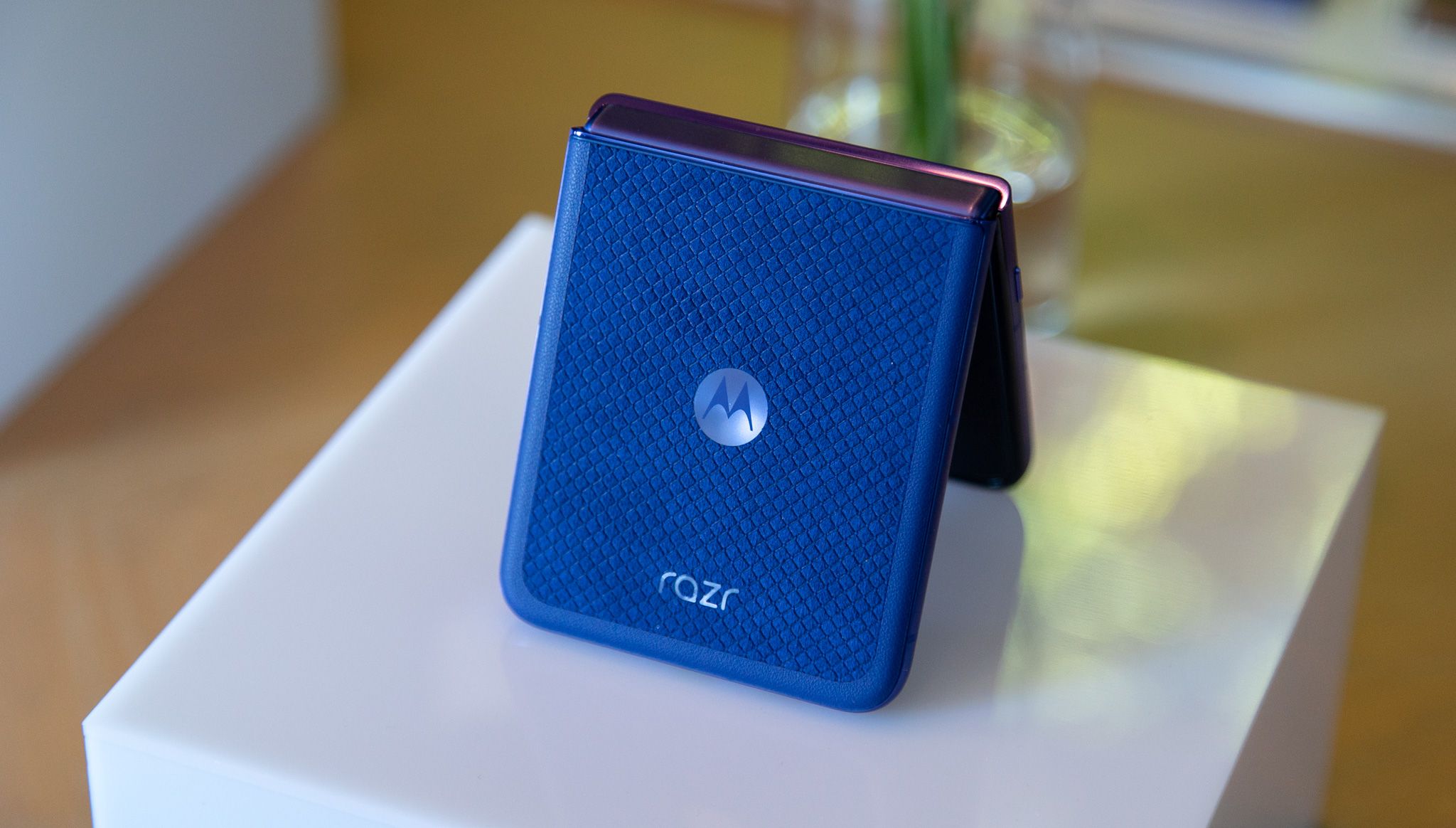
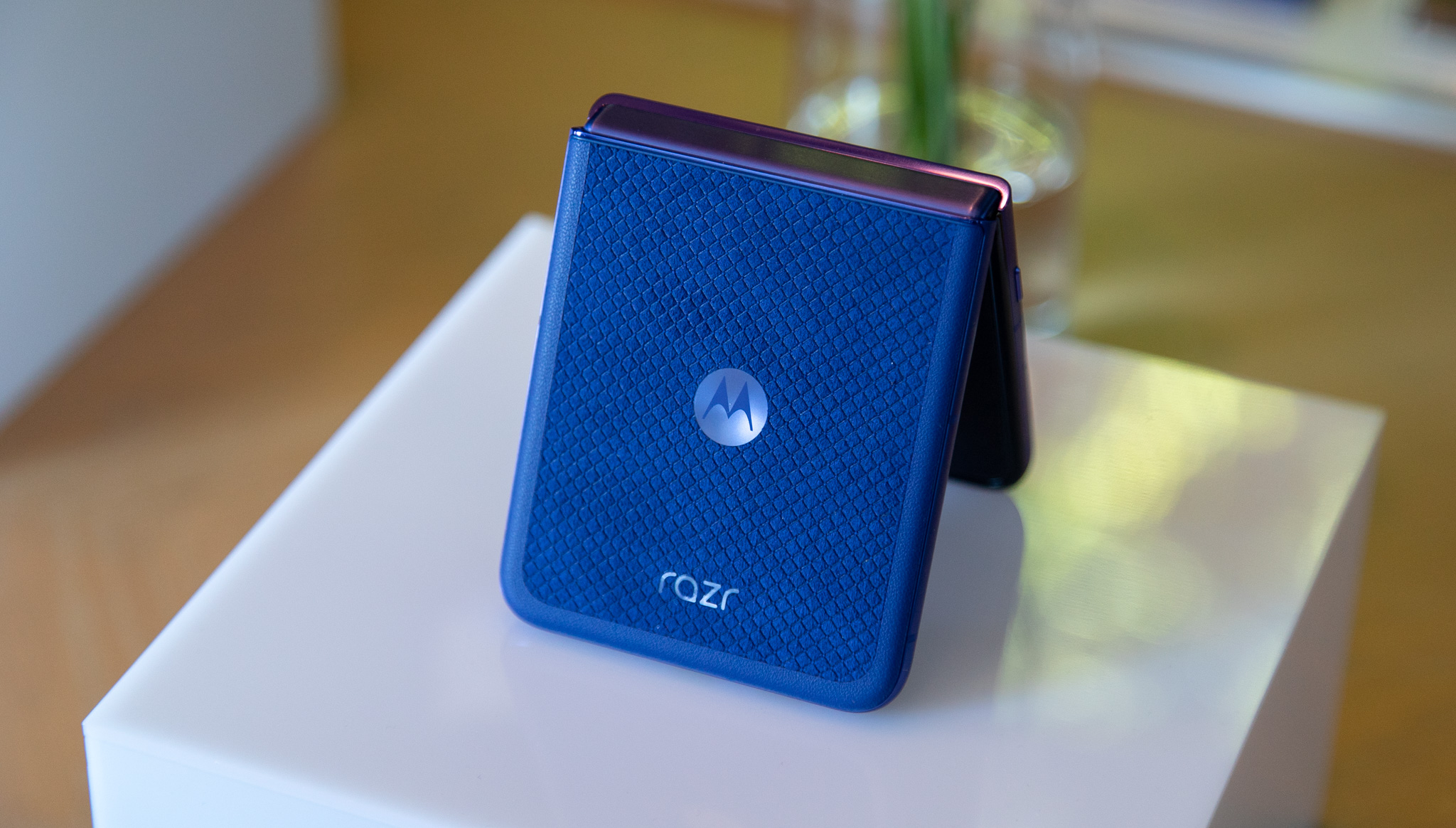
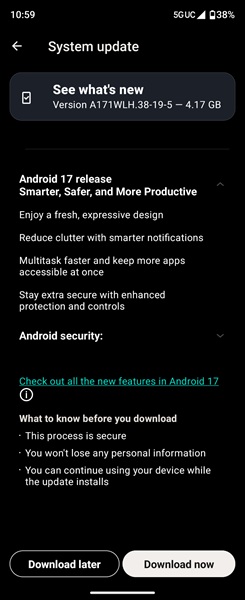
In a significant move for the foldable smartphone market, Motorola has officially begun the rollout of Android 17 to its flagship Razr Ultra 2026. This update, identified by build number vA171WLH.38-19-5, marks a pivotal transition for the company’s software strategy. As the industry grapples with the balance between hardware innovation and software optimization, Motorola is positioning the Razr Ultra 2026 not just as a piece of premium folding hardware, but as a deeply intelligent, user-centric ecosystem.
The update, which weighs in at a substantial 4.1GB, is far more than a routine security patch. It represents a fundamental overhaul of the user interface, incorporating sophisticated AI integrations, refined haptics, and productivity-focused tools designed to compete directly with the heavyweights of the smartphone industry. For U.S. users, this update is the first major step in Motorola’s broader promise to modernize its fleet, signaling a shift toward more expressive, streamlined, and proactive mobile experiences.
Detailed Chronology: The Rollout Timeline
The journey to this release began in August, when Motorola first published its roadmap of devices eligible for the Android 17 upgrade. While the list was extensive—including the Razr Ultra 2025, the Razr 70 Ultra, and the Razr+ 2026—the Razr Ultra 2026 was consistently highlighted as the primary candidate for the initial deployment.
On October 6, reports began surfacing from early adopters and tech enthusiasts that the OTA (over-the-air) package had officially hit U.S. devices. The deployment follows a staggered schedule, typical for major OS upgrades, designed to monitor for critical stability issues before a wider global release. Industry observers have noted that this rollout is remarkably consistent with Motorola’s internal projected timelines, showcasing a newfound agility in the company’s software distribution pipeline.
For users waiting for the notification, the update is being pushed via the standard system settings menu. Once the download initiates, the device requires a reboot, after which users are greeted with a redesigned settings architecture and a revamped notification shade that reflects the "smarter, safer, and more productive" mantra touted in the official documentation.
Technical Deep-Dive: What’s Under the Hood?
The transition to Android 17 introduces several high-impact features that alter how the Razr Ultra 2026 behaves on a daily basis.
1. The AI Key: Customization and Control
One of the most requested features by the power-user community was the ability to remap the dedicated AI button. With this update, the button is no longer a walled garden. Users can now configure a "Double Press" action, assigning it to various functions such as the Digital Assistant, the proprietary Motorola Qira interface, or specific productivity shortcuts. This move toward modularity suggests that Motorola is listening to consumer feedback, moving away from forced ecosystem adoption and toward user-defined workflows.
2. The "Dynamic Island" Inspiration
Perhaps the most visually striking change is the refresh of the Live Updates UI. By adopting a design language reminiscent of Apple’s Dynamic Island, Motorola has streamlined how background tasks—like timers, navigation, or music playback—are displayed on the folding display. This unified notification center reduces visual clutter, allowing for a more seamless transition between the inner folding screen and the outer cover display.
3. Notification Summaries and Productivity
In an era of information overload, Motorola’s new "Notification Summaries" feature aims to reclaim user time. By utilizing on-device AI to synthesize long text threads and group conversations, the phone provides a high-level overview of incoming data. This allows users to stay informed without being tethered to constant pings, a core tenet of the "digital wellbeing" movement.
4. Pause Point: Curbing Digital Distraction
Motorola has introduced "Pause Point," an innovative tool that aims to mitigate doom-scrolling. When a user attempts to open an application identified as a "distraction," the OS introduces a subtle, intentional delay. This momentary pause acts as a psychological buffer, forcing the user to consciously confirm their intent to open the app. It is a bold, controversial, but undeniably effective approach to managing screen time.
Supporting Context: Metrics and User Experience
The sheer size of the 4.1GB update speaks to the depth of the changes. Beyond the surface-level UI tweaks, the update includes significant under-the-hood performance optimizations.
Display and Visual Fidelity
The new HDR display settings are a significant addition for media enthusiasts. By providing an "Intensity" slider, Motorola gives users granular control over the dynamic range of the display. This allows for increased clarity and brightness when viewing HDR content, effectively making the most of the Razr’s high-end OLED panel.
Haptics and Feedback
Users have reported an improved tactile experience across the OS. Drawing parallels to the refined haptic feedback found on Google’s Pixel series, the Razr Ultra 2026 now offers more precise, nuanced vibration patterns when dismissing notifications or interacting with system elements. This subtle improvement significantly boosts the "premium" feel of the hardware, ensuring that the software interaction feels as high-quality as the folding hinge mechanism itself.
Official Statements and Industry Impact
While Motorola has remained tight-lipped regarding the specific technical limitations of the update, the company’s broader narrative remains consistent: focus on "expressive design." By introducing new themed icons and a cleaner, less intrusive settings menu, Motorola is signaling an end to the "bloatware" reputation that has occasionally plagued its past releases.
Industry analysts view this as a crucial move. As the foldable market matures, hardware specifications are beginning to plateau. The differentiator in 2026 and beyond will be the software experience—specifically, how the OS manages the unique form factor of a folding phone. By integrating AI features that are specifically tailored to the Razr’s form factor, Motorola is attempting to carve out a niche where the phone acts as an extension of the user’s cognitive intent rather than just a passive tool.
Future Outlook: What Comes Next?
The arrival of Android 17 on the Razr Ultra 2026 is merely the beginning of a wider modernization effort. The inclusion of features like "Tap to Send" (though currently elusive for many users) and the promise of stackable widgets indicate that Motorola is committed to long-term software support.
The Road to 2027
Looking ahead, the success of this rollout will be the litmus test for Motorola’s future flagship launches. If the stability of vA171WLH.38-19-5 holds, we can expect a rapid deployment to the rest of the Razr and Edge lineups.
Furthermore, the integration of "Qira" and other AI-centric utilities suggests that Motorola is preparing for a future where the OS is heavily augmented by localized machine learning. As we move into the next quarter, the industry will be watching closely to see if other manufacturers adopt similar "distraction-mitigation" features like Pause Point, which could very well become the new standard for flagship Android devices.
For now, Razr Ultra 2026 owners are receiving one of the most comprehensive updates in the company’s recent history. It is an update that prioritizes clarity over clutter, and intelligence over sheer power—a shift that places Motorola in a strong position to reclaim its status as a top-tier innovator in the global smartphone market. As the update spreads across carriers and regions, users are encouraged to ensure their devices are backed up and prepared for the transition, as this is, in every sense of the word, a transformative update.