Executive Overview
The landscape of home entertainment is shifting from passive viewing to interactive, AI-driven experiences. As Google continues to refine its ecosystem, reports have emerged detailing the development of a successor to the current Google TV Streamer. While the current model remains a highly capable piece of hardware, recent industry leaks suggest that Google is not resting on its laurels. The upcoming iteration is expected to push the boundaries of what a set-top box can achieve, moving beyond simple content delivery to become a central hub for smart home automation, ambient intelligence, and high-performance streaming.
By integrating far-field microphones for hands-free voice control, advanced presence-sensing technology, and upgraded internals, Google is positioning its next device to compete more aggressively with the premium end of the streaming market. This article explores the reported technical specifications, the shift toward ambient computing, and what these changes mean for the average consumer.
Detailed Chronology: The Evolution of Google TV
To understand the significance of the upcoming hardware, one must look at the trajectory of Google’s living room strategy.
The Chromecast Era
For over a decade, Google’s strategy was defined by the Chromecast—a series of affordable, dongle-based devices that relied on the user’s phone to act as the primary interface. This "cast-first" philosophy revolutionized how people consumed media, but it lacked the robust, standalone performance that power users demanded.
The Pivot to Google TV
The transition from Android TV to the Google TV interface marked a fundamental change in philosophy. It wasn’t just about casting anymore; it was about content aggregation. With the launch of the Google TV Streamer in 2024, the company officially moved away from the "stick" form factor, opting for a dedicated set-top box that signaled its ambition to be the primary brain of the living room.
The Current Status
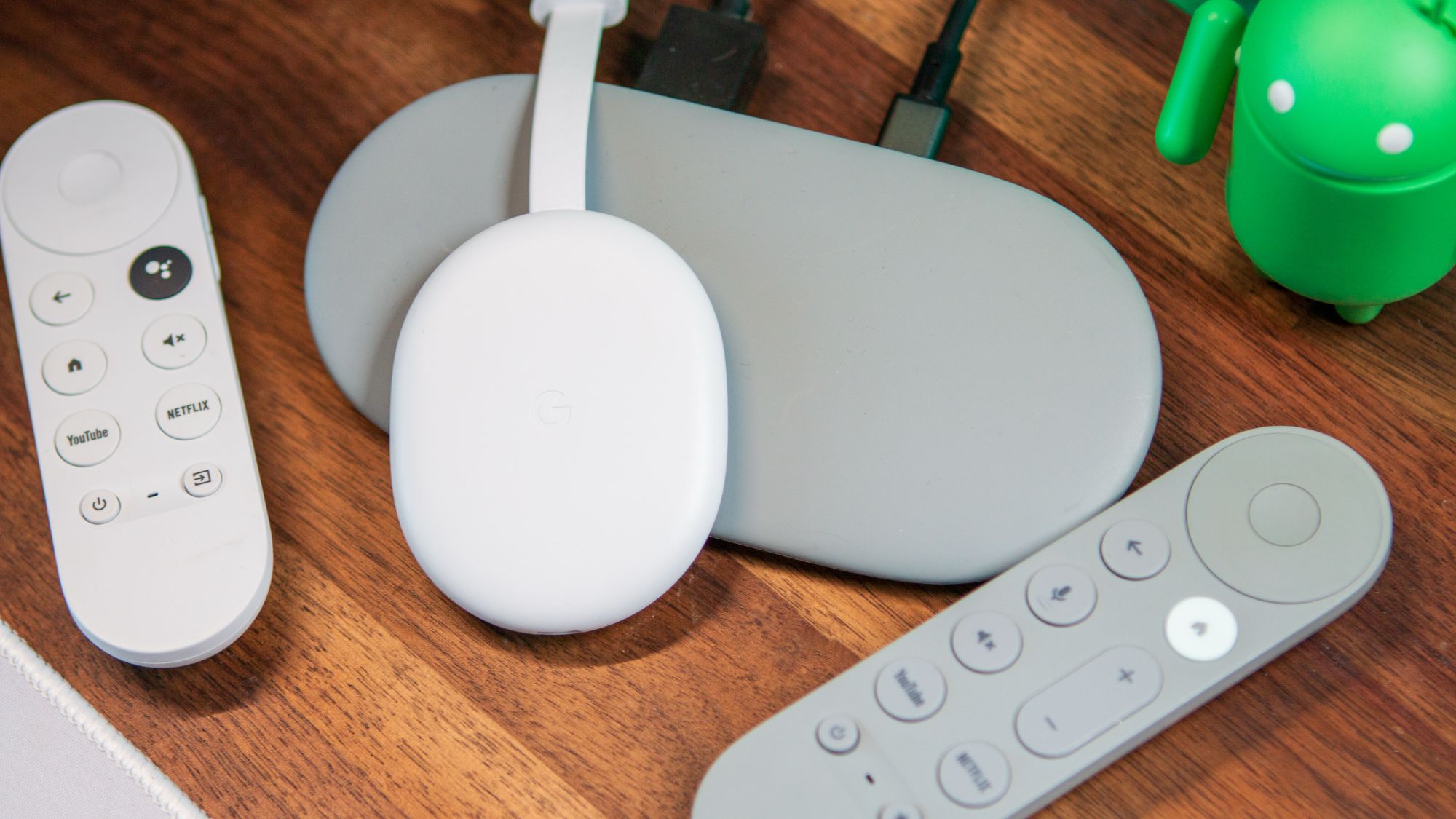
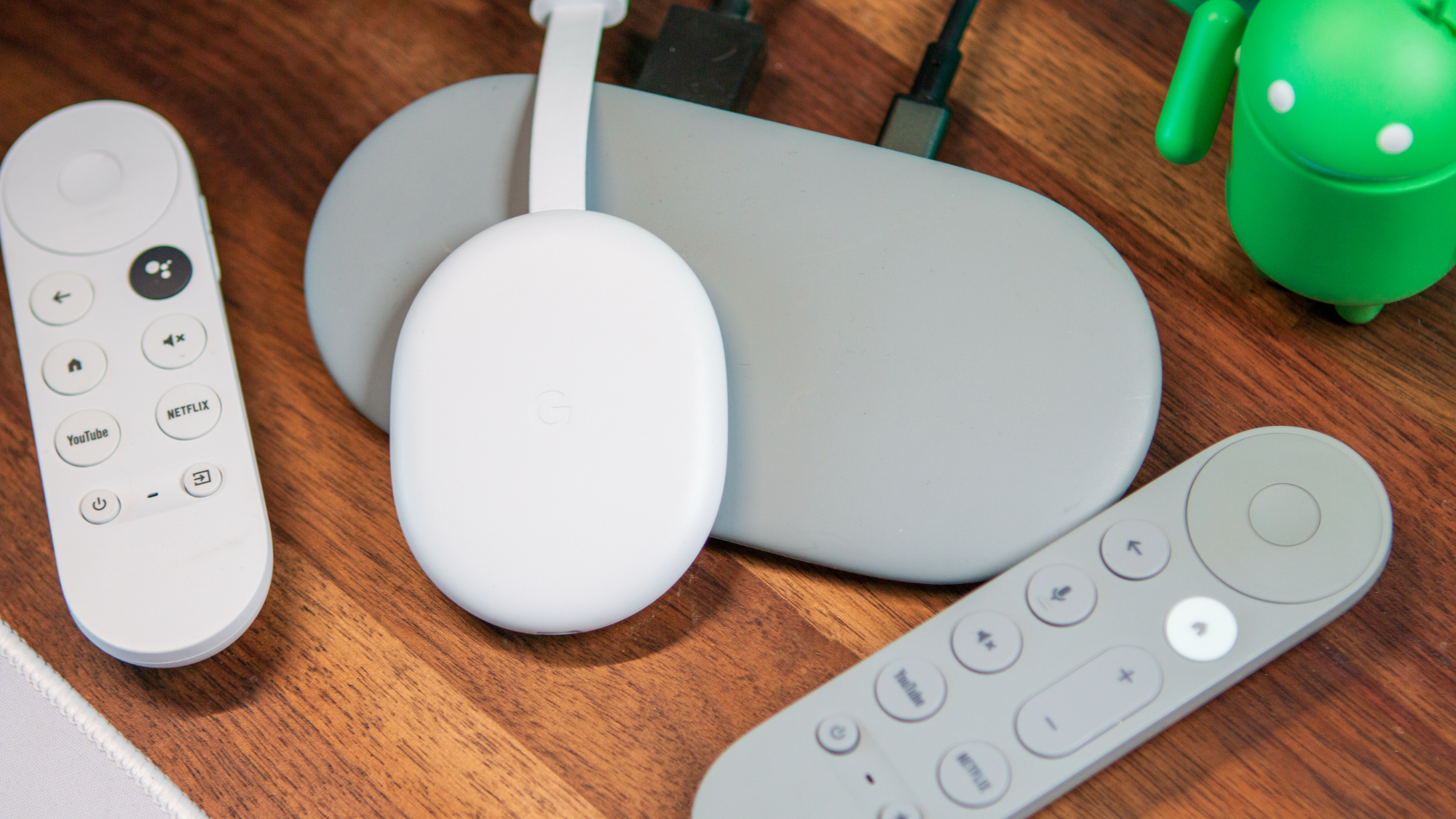
The current Google TV Streamer serves as a benchmark for performance, offering a smooth UI, 4K streaming capabilities, and tight integration with Google’s Nest smart home ecosystem. However, recent price adjustments—marking an increase of $50—have placed the device in a more premium tier. This move, while controversial, indicates that Google is positioning the product line to absorb more sophisticated technology, paving the way for the next-gen hardware currently under development.
Supporting Context & Metrics: The Hardware Leap
According to recent reports, the next-generation device will retain the sleek, horizontal aesthetic of its predecessor but with a refined, narrower footprint. While design is subjective, the hardware under the hood represents a significant leap forward in three key areas:
1. The Death of the Remote?
The most transformative rumor is the inclusion of built-in far-field microphones. Historically, interacting with Google Assistant required the user to physically locate the remote and press a button. By embedding these microphones directly into the chassis of the streamer, Google is moving toward a truly "hands-free" experience. This mirrors the functionality of Nest smart speakers, allowing users to summon Gemini or Assistant from across the room.
2. Presence-Sensing Intelligence
Drawing inspiration from high-end smart TVs, the upcoming streamer is expected to feature advanced presence-sensing capabilities. This technology uses ultrasonic or PIR sensors to detect movement. Imagine walking into your living room and having the TV automatically wake from a deep sleep, transitioning from a black screen to an ambient display showing your Google Photos, weather updates, or calendar notifications before you even touch a remote. This shifts the device from a "tool" to an "environmentally aware companion."
3. Performance and Storage Upgrades
The current 32GB storage limit on the Google TV Streamer is sufficient for most, but it can feel restrictive for power users who hoard apps or use the device as a media server. Leaks suggest an increase in both storage capacity and processing power. A faster chipset will not only improve navigation speed but will also provide the overhead necessary to run Gemini’s more complex AI models locally, reducing latency and reliance on cloud processing.
The Redesigned Controller: Refinement over Reinvention
The remote control is perhaps the most personal part of the streaming experience. Reports indicate that Google is planning a redesign that includes:
- Dedicated Shortcuts: In response to consumer demand, the new remote will likely feature two additional shortcut buttons, presumably for YouTube and Netflix, streamlining the path to the most popular platforms.
- "Find My Remote" Integration: Misplacing the remote is a universal struggle. The new streamer is expected to include a dedicated button on the hardware chassis that triggers an audible chime on the remote, effectively solving a major pain point for users.
Official Statements and Industry Context
While Google has maintained a strict "no comment" policy regarding unannounced hardware, the company’s recent public commitments to AI provide a clear roadmap. During recent developer events, Google executives emphasized that Gemini is "headed to Google TV."
This is not a minor software update; it is a fundamental shift in how the operating system functions. By moving the processing of these AI models to the device-level, Google is creating a moat between its hardware and third-party competitors. While competitors like Roku or Amazon Fire TV offer solid experiences, they lack the deeply integrated generative AI capabilities that Google is currently developing.
Furthermore, the competitive landscape is heating up. With industry rumors suggesting that Apple is preparing a new iteration of the Apple TV 4K, the timing for a refreshed Google TV Streamer is critical. The streaming market is no longer just about 4K resolution and HDR support; it is now about which device provides the most intelligent, seamless, and integrated experience.
Future Outlook: The Smart Home Nexus
What does this mean for the future of your living room? The next-generation Google TV Streamer is not merely an accessory; it is an attempt to turn the television into the primary dashboard for the modern home.
The AI-Powered Living Room
With the integration of Gemini, the TV will move beyond "search and play." Future iterations may allow for complex natural language queries, such as "Find me a movie that I would like that is less than two hours long and features a specific actor," followed by, "Dim the living room lights to 30% and lock the front door." By acting as a Thread border router and a Matter controller, the Streamer becomes the bridge between the internet and your physical home environment.
The Strategic Hurdles
Despite the excitement, Google faces challenges. The price increase of the previous generation suggests that the new device will likely command a premium price tag. In an era where consumers are increasingly budget-conscious, justifying a higher cost requires the device to be truly indispensable. Google will need to demonstrate that the value proposition—AI, presence-sensing, and hardware performance—justifies the cost of admission compared to a $30 streaming stick.
Conclusion: A New Standard
The next-generation Google TV Streamer represents a critical juncture for the company. By prioritizing ambient intelligence and proactive technology, Google is attempting to solve the "engagement gap" that exists when the TV is off.
While we await an official announcement, the current trajectory is clear: the era of the "dumb" streaming box is over. We are entering an era of the intelligent hub—a device that knows who is in the room, understands what you want before you ask, and serves as the command center for your entire digital and physical existence. For tech enthusiasts and casual viewers alike, the upcoming launch will likely set the standard for what to expect from home entertainment for the remainder of the decade.
We will continue to track these developments closely, keeping a vigilant eye on leaks, regulatory filings, and, eventually, the official word from Google. As the market stands on the precipice of a new generation of hardware, one thing is certain: the way we interact with our screens is about to change forever.