Executive Overview: A New Vision for the Living Room
The landscape of home entertainment is undergoing a rapid evolution, shifting from simple media consumption to integrated smart home orchestration. According to recent reports, Google is deep in the development of a successor to its current flagship Google TV Streamer. While the current iteration has solidified its place as a top-tier contender in a crowded market—boasting robust hardware and a refined, feature-rich interface—the company is reportedly aiming to pivot toward a more proactive, ambient computing experience.
The upcoming device promises to bridge the gap between a passive streaming box and an active smart home hub. Key architectural changes include a sleeker, more compact physical footprint, the integration of far-field microphone arrays for hands-free interaction, and the implementation of advanced presence-sensing technology. By shifting away from reliance on handheld remotes, Google intends to position its next streaming device as the intelligent centerpiece of the modern living room. This article examines the leaked specifications, the strategic shift in Google’s hardware philosophy, and what these advancements mean for the average consumer.
Detailed Chronology: The Evolution of Google’s Streaming Ambitions
To understand where Google is headed, we must look at how far it has come. The evolution from the original, inexpensive Chromecast dongles to the current, premium Google TV Streamer signifies a fundamental shift in product strategy.
The Foundation: The Chromecast Era
For years, Google dominated the budget streaming space with the "Cast" protocol. These devices were minimalist, essentially acting as bridges between mobile devices and televisions. However, the market demand eventually shifted toward standalone interfaces—a "lean-back" experience that didn’t require a smartphone.
The Pivot: The Google TV Streamer
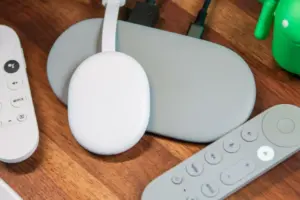
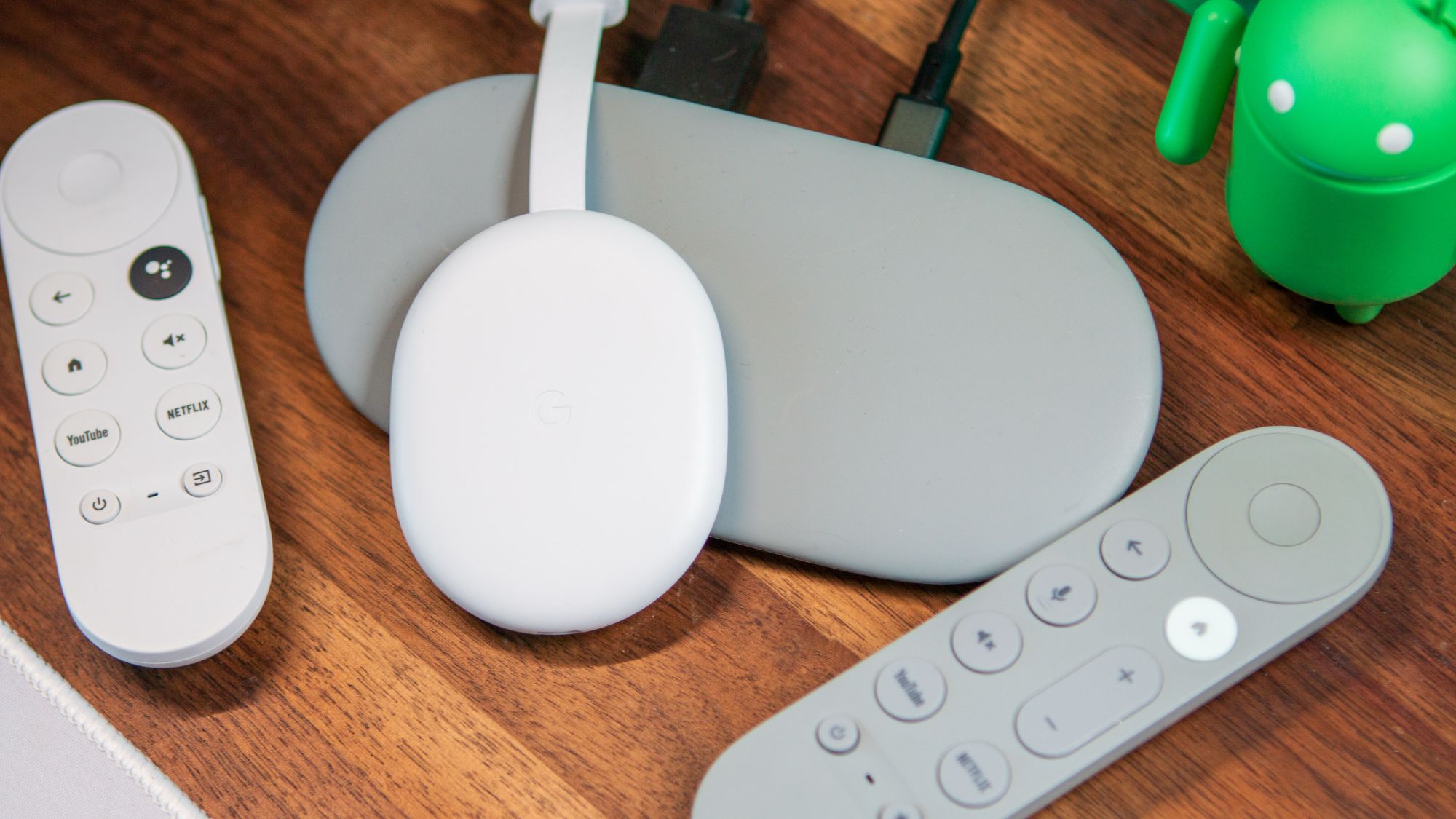
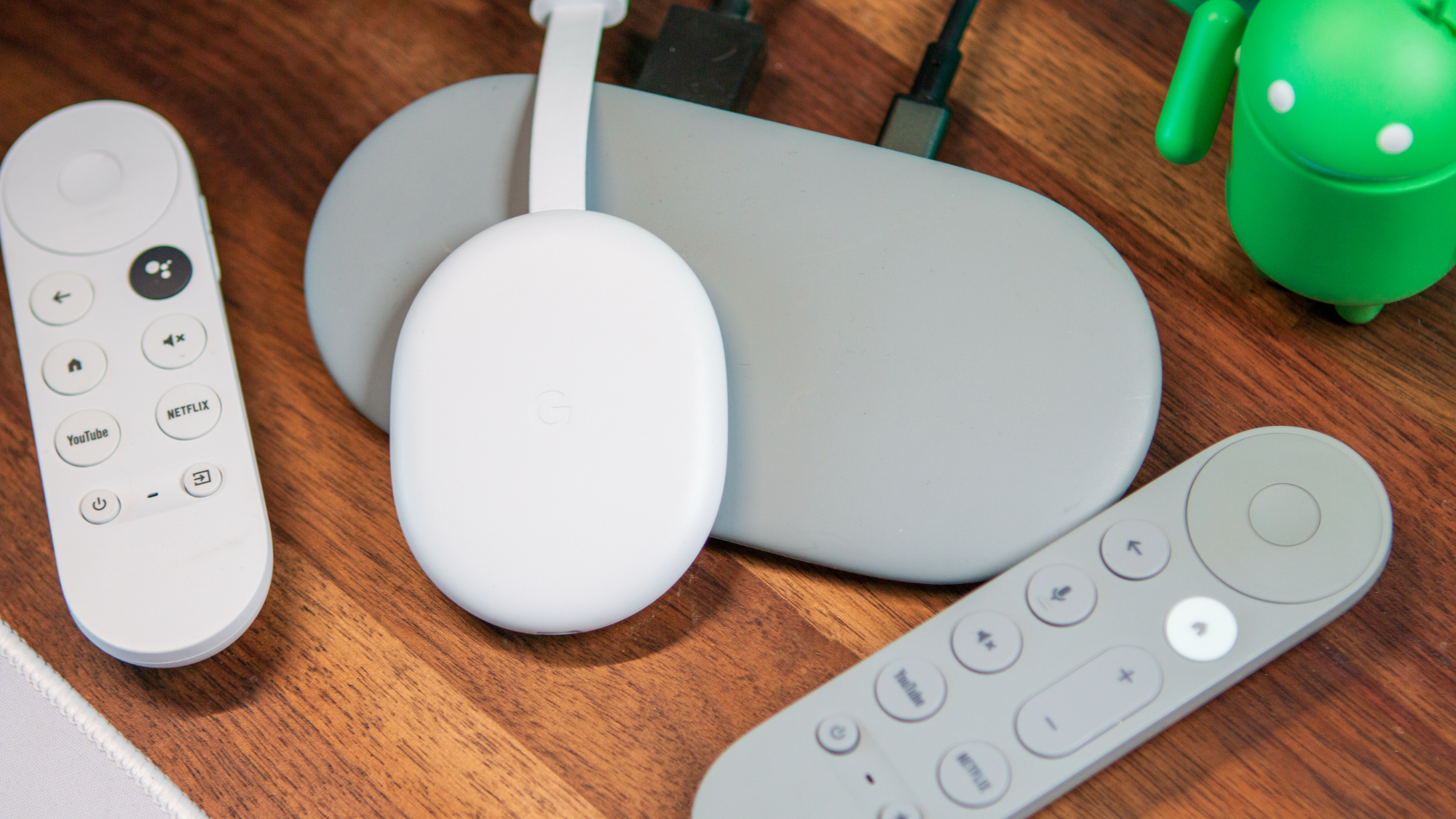
With the release of the current Google TV Streamer, Google moved into direct competition with the Apple TV 4K and Nvidia Shield TV. By incorporating a dedicated processor, increased internal storage (32GB), and a redesigned interface focused on discovery and AI-powered recommendations (Gemini), Google signaled that it was no longer just a peripheral manufacturer; it was a platform provider.
The Future: The Next-Gen Leak
Recent disclosures from 9to5Google have shed light on the development roadmap for the successor. The timeline suggests that development is well underway, with engineers focusing on optimizing the chassis to be "slightly narrower" than the current model. This focus on industrial design suggests that Google is attempting to minimize the device’s physical presence while maximizing its internal utility.
Supporting Context & Metrics: Why These Upgrades Matter
The reported upgrades are not merely incremental; they represent a strategic play to solve the "friction" associated with smart TV usage.
Far-Field Voice Recognition: The Death of the Remote
One of the most persistent frustrations in the current ecosystem is the necessity of locating and holding a remote to trigger voice commands. By integrating far-field microphones directly into the chassis of the next-generation streamer, Google is removing this barrier.
- The Benefit: Users can invoke "Hey Google" to control playback, dim smart lights, or query the weather without needing to pause their current task to reach for a remote.
- The Technology: This mirrors the functionality found in premium smart speakers like the Nest Audio, requiring sophisticated noise-cancellation and signal-processing algorithms to isolate user commands from the ambient audio of the television itself.
Presence-Sensing and Ambient Intelligence
The report also highlights the inclusion of a "presence-sensing" feature. This is a significant leap toward "ambient computing." By detecting when a user enters the room, the TV can transition from a dormant black screen to a functional display.
- Contextual Utility: Imagine walking into your living room and seeing your daily schedule, local traffic conditions, or a curated slideshow of Google Photos automatically displayed on your TV before you even sit down. This transforms the television from a passive appliance into an active information hub.
Performance and Storage
While the current model is no slouch, the next generation is expected to feature a higher-clocked processor. For power users, this is critical. A faster SoC (System on a Chip) ensures that the UI remains fluid even as apps become more resource-intensive, and more importantly, it allows for faster processing of AI-driven features like Gemini. Furthermore, upgrading storage capacity beyond the current 32GB threshold will address the primary criticism from power users who frequently install high-end games or cache large libraries of media.
The Remote Redesign: Balancing Tradition and Utility
While the streamer is moving toward hands-free control, the physical remote remains an essential fallback. According to reports, Google is refining the remote to include:
- Additional Shortcut Buttons: Industry standards suggest a move toward dedicated buttons for YouTube and Netflix, catering to the most popular consumption habits.
- Find My Remote Integration: A dedicated button on the streamer chassis to trigger an audible chime on the remote—a feature that, while simple, addresses one of the most common consumer complaints in home theater setups.
Official Statements and Strategic Silence
As of mid-October 2026, Google has maintained its standard "no comment" stance on unreleased products. However, the company’s recent price hike for the current Google TV Streamer—an increase of $50—is a notable strategic indicator.
Historically, such price adjustments on existing hardware can serve one of two purposes:
- Inventory Clearing: Increasing the price to maintain margins while preparing to cycle out older hardware.
- Market Repositioning: Establishing a higher "perceived value" for the entire product line, making the upcoming, feature-packed successor appear more attractively priced upon its debut.
The industry is watching closely. With Apple rumored to be refreshing its own Apple TV 4K line, the window for a Google announcement is narrowing. A fall release would allow Google to capture the critical holiday shopping season, positioning the new device as the definitive smart home gift.
Future Outlook: The Ecosystem War
The competition for the "Living Room OS" is more intense than ever. Apple, Amazon, and Roku are all vying for the same real estate. Google’s advantage lies in its deep integration with the Android ecosystem, the power of its Gemini AI, and its extensive smart home (Nest) portfolio.
The "Ambient" Living Room
The shift towards devices that know you are present and respond to your voice without prompting is the next frontier of home technology. By integrating these features into the TV—the largest screen in most homes—Google is essentially turning the living room into a giant, intelligent display.
Challenges to Overcome
Despite the excitement, several hurdles remain:
- Privacy Concerns: The inclusion of "always-listening" microphones in a living room device requires a high level of transparency. Google must ensure that users have physical hardware switches to disable these microphones to maintain trust.
- Software Stability: As the device becomes more complex, the risk of software bugs increases. Ensuring that the new presence-sensing features are reliable—and not prone to false triggers—will be essential for user adoption.
Conclusion: The Road Ahead
The next-generation Google TV Streamer is shaping up to be more than just a media player; it is an evolution of the smart home hub concept. By combining faster processing, superior storage, and proactive ambient intelligence, Google is setting a high bar for the competition.
For the consumer, the takeaway is clear: the era of the "dumb" streaming box is coming to an end. The future belongs to devices that can see, hear, and anticipate our needs, turning our televisions into the true brains of our homes. As we await an official announcement, the current leaks paint a picture of a device that is well-positioned to dominate the market for years to come. Whether you are a casual viewer or a dedicated smart home enthusiast, the upcoming evolution of the Google TV Streamer is a development that will define the standard for home entertainment in the coming decade.