Executive Overview
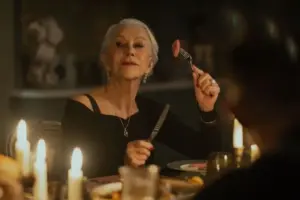
In the landscape of modern television, few genres possess the magnetic pull of the contemporary crime saga. Whether through the lens of a gritty, street-level power struggle or the high-stakes machinations of a multi-generational criminal dynasty, these narratives explore the darkest corners of human ambition, loyalty, and the corrosive nature of power. Paramount+’s MobLand—a visceral, star-studded exploration of the Harrigan crime family—has firmly solidified its status as a cornerstone of this genre. Featuring powerhouse performances from Tom Hardy, Pierce Brosnan, Helen Mirren, and Paddy Considine, MobLand serves as a masterclass in the intersection of familial duty and criminal enterprise.
Following the release of its second season, the series has reignited a broader cultural conversation regarding the "mob drama" archetype. It invites audiences to examine the tension between the "Family" as a social unit and the "Family" as a criminal organization. This investigative report breaks down the thematic DNA of MobLand and curates a comprehensive guide to the essential viewing that mirrors its complex, violent, and deeply compelling world.
The Anatomy of the Modern Crime Drama
To understand why MobLand resonates, one must look at the structural elements that define the current iteration of the genre. Today’s audiences are no longer satisfied with the archetypal "Godfather" tropes of the 20th century. Instead, modern prestige dramas prioritize:
- Systemic Corruption: Moving beyond simple street crime, shows like Mayor of Kingstown and Godfather of Harlem examine how criminal entities embed themselves into the infrastructure of cities and governments.
- The Domestic Battlefield: The most effective dramas frame the crime syndicate as a mirror to the suburban family, highlighting how business disputes become personal betrayals.
- The "Outsider" Catalyst: Protagonists who bridge the gap between two worlds—the law and the underworld—provide a crucial entry point for the audience, often serving as the moral anchor in an otherwise ethically bankrupt setting.
Detailed Chronology: Essential Viewing for the Crime Connoisseur
If you have finished the second season of MobLand and are looking for similar high-stakes tension, these ten series represent the pinnacle of the genre, each offering a distinct flavor of corruption and power.
1. The Gentlemen (2024–Present)
Coming from the kinetic mind of Guy Ritchie, The Gentlemen serves as an ideal follow-up for MobLand fans. When Eddie Horniman (Theo James) inherits the Duke of Halstead title, he finds his family estate inextricably linked to the UK’s illicit drug trade. It is a stylish, sharp, and violent look at class privilege and the criminality that often underpins it.
2. Mayor of Kingstown (2021–Present)
Created by Taylor Sheridan, this series operates as a modern-day Western set within the prison-industrial complex. Jeremy Renner portrays Mike McLusky, a "fixer" who manages the volatile balance between the police, the gangs, and the corrupt officials of a company town. Its upcoming fifth season will mark the conclusion of this intense, systemic investigation.
3. Banshee (2013–2016)
Banshee remains a masterclass in blending high-concept plotting with visceral action. Following a thief who assumes the identity of a small-town sheriff, the show delves into the dangerous intersections of personal revenge and organized crime. It is less about moral nuance and more about the raw, unfiltered consequences of life on the edge.

4. Top Boy (2011–2023)
For those who prefer a grounded, documentary-style approach to crime, Top Boy is essential. Set on a London council estate, it follows the rise and fall of drug dealers Dushane and Sully. Its focus on the community—and the way crime ravages it from the inside out—provides a stark, heartbreaking reality that many other shows fail to capture.
5. Gomorrah (2014–2021)
Based on the investigative work of Roberto Saviano, Gomorrah strips away the glamour often associated with the Mafia. Set in Naples, it portrays the Camorra not as noble outlaws, but as a destructive force that tears through the social fabric of the city. It is brutal, relentless, and arguably the most realistic depiction of organized crime in television history.
6. The Son (2017–2019)
Starring Pierce Brosnan as a ruthless cattle baron in the 1915 American West, The Son mirrors MobLand’s fascination with dynasties. It follows the transformation of Eli McCullough from a captive of a Nʉmʉnʉʉ family to an oil-hungry patriarch desperate to secure his legacy.
7. Taboo (2017)
Tom Hardy’s presence in MobLand invites a look back at his brooding performance in Taboo. Set in 1814, Hardy plays James Delaney, a man returning from Africa to claim his inheritance. It is a gothic, dark, and highly atmospheric drama that explores the intersection of international trade, colonial greed, and familial trauma.
8. Gangs of London (2020–Present)
When the head of London’s most powerful crime family is murdered, a vacuum of power threatens to destroy the city. The series is known for its intense action sequences, but at its heart, it is a Shakespearean tragedy about the struggle to maintain control when the old guard is suddenly removed.
9. Godfather of Harlem (2019–Present)
Forest Whitaker’s portrayal of Bumpy Johnson is a tour de force. By situating the narrative in 1960s Harlem and intertwining it with the civil rights movement and the rise of Malcolm X, the show elevates the "mob boss" trope into a meaningful historical commentary on race and power in America.
10. Vincenzo (2021)
Offering a global perspective, this K-drama follows a Korean-Italian mafia consigliere who flees to Seoul after a betrayal. It blends dark humor, high-octane action, and legal thriller elements to create something entirely unique in the crime landscape.

Supporting Context: The Metrics of Success
Why does the industry continue to invest heavily in the crime drama format? The metrics suggest a high "rewatchability" index. According to industry streaming data, crime dramas consistently rank in the top three most-consumed genres across major platforms like Netflix, Paramount+, and HBO Max. The appeal lies in the "puzzle-solving" nature of these shows—viewers enjoy tracking the hierarchies, the shifting alliances, and the eventual downfall of characters who have overextended their reach.
Furthermore, the involvement of high-caliber talent—Helen Mirren and Pierce Brosnan in MobLand, or Forest Whitaker in Godfather of Harlem—indicates that the prestige of the genre has reached a new peak. Actors are increasingly drawn to the moral ambiguity these roles provide, allowing for performances that are far more nuanced than the traditional "villain" archetype.
Official Statements and Industry Impact
Industry analysts suggest that the success of MobLand serves as a template for future international co-productions. By utilizing creators like Ronan Bennett, whose work spans both the UK (Top Boy) and the US, studios are effectively cross-pollinating regional crime styles.
"We are seeing a convergence of global criminal narratives," says media analyst Sarah Jenkins. "The audience no longer views the ‘mob’ as a strictly Italian-American construct. They are interested in the universal mechanics of power, whether that power is exerted in a council estate in London, a prison in Michigan, or the boardrooms of the Rio Grande Valley."
Future Outlook: Where the Genre Goes From Here
As we look toward 2027, the crime drama genre appears to be moving toward a "finale-centric" model. Major series like Mayor of Kingstown and Godfather of Harlem are reaching their natural conclusions, signaling a shift away from endless procedural cycles toward definitive, serialized storytelling.
Audiences should expect future iterations of the genre to lean further into the geopolitical aspects of organized crime—tracking how digital assets, global supply chains, and emerging technologies are changing the way syndicates operate. However, regardless of the technological setting, the core appeal will remain unchanged: the human drama of the family, the hunger for influence, and the inevitable cost of living outside the law.
Whether you are a devotee of the gritty realism of Gomorrah or the polished, star-studded chaos of MobLand, the golden age of the crime drama is far from over; it is simply evolving into a more complex, global, and psychologically demanding form of television.