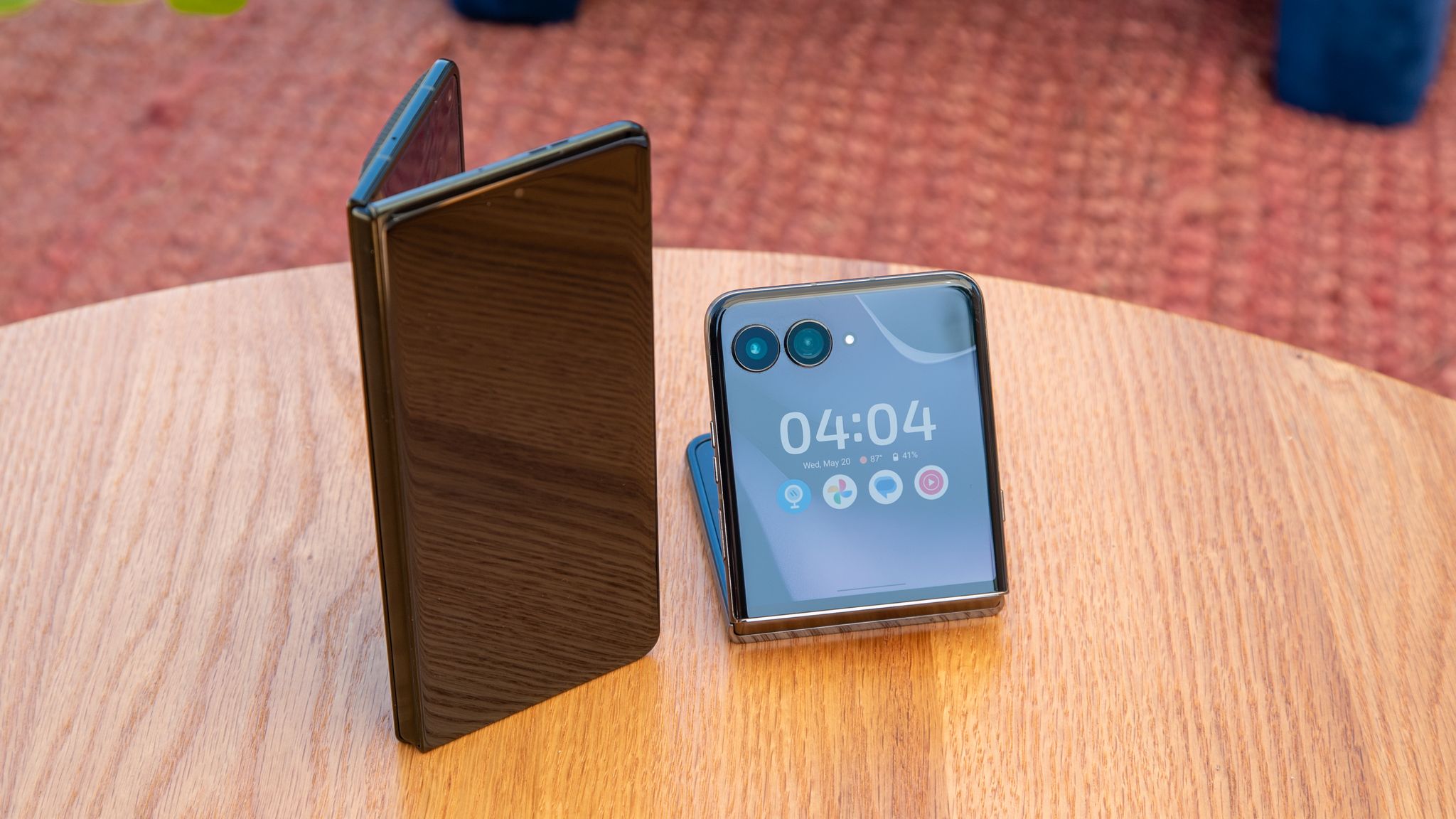
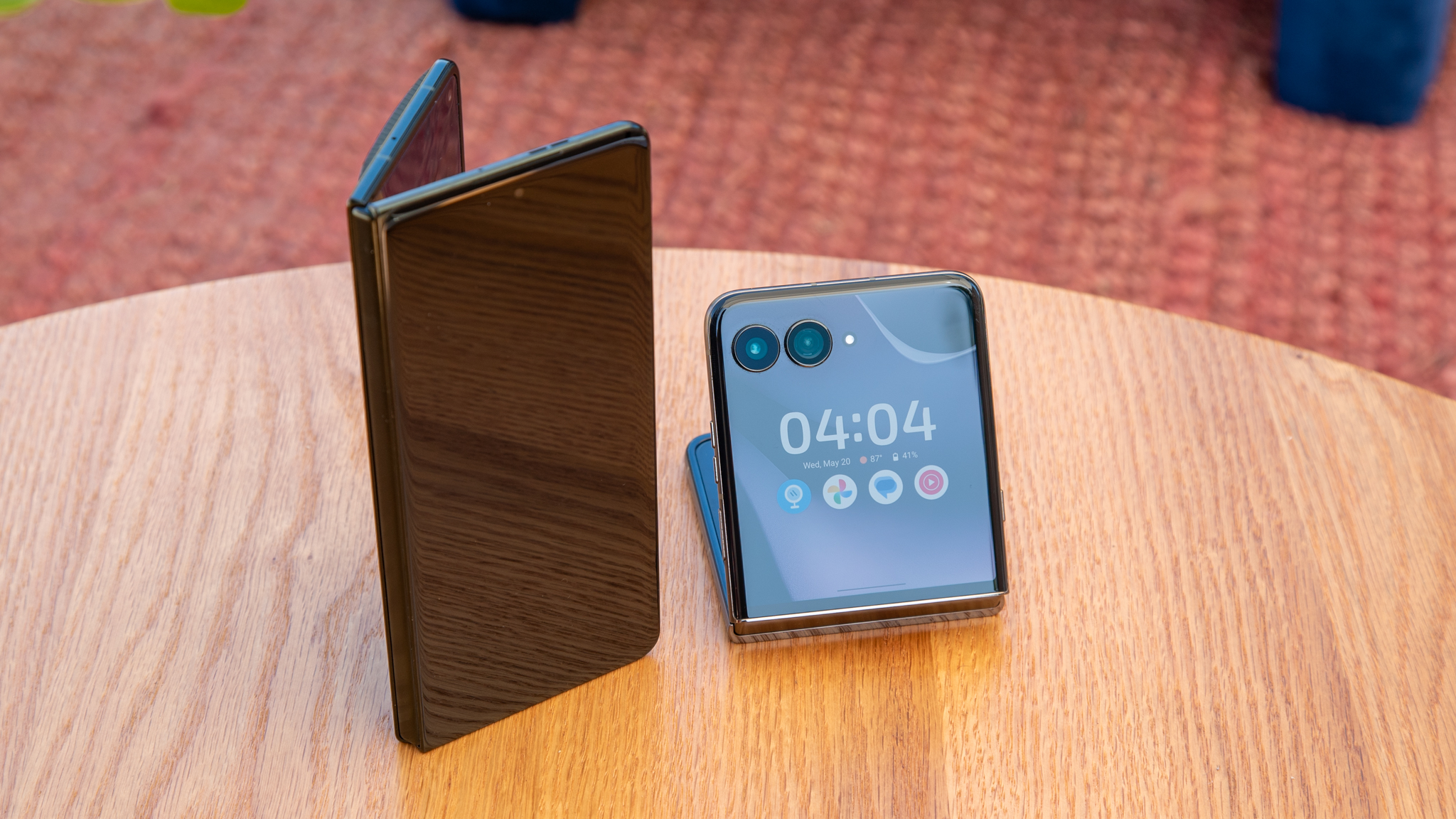
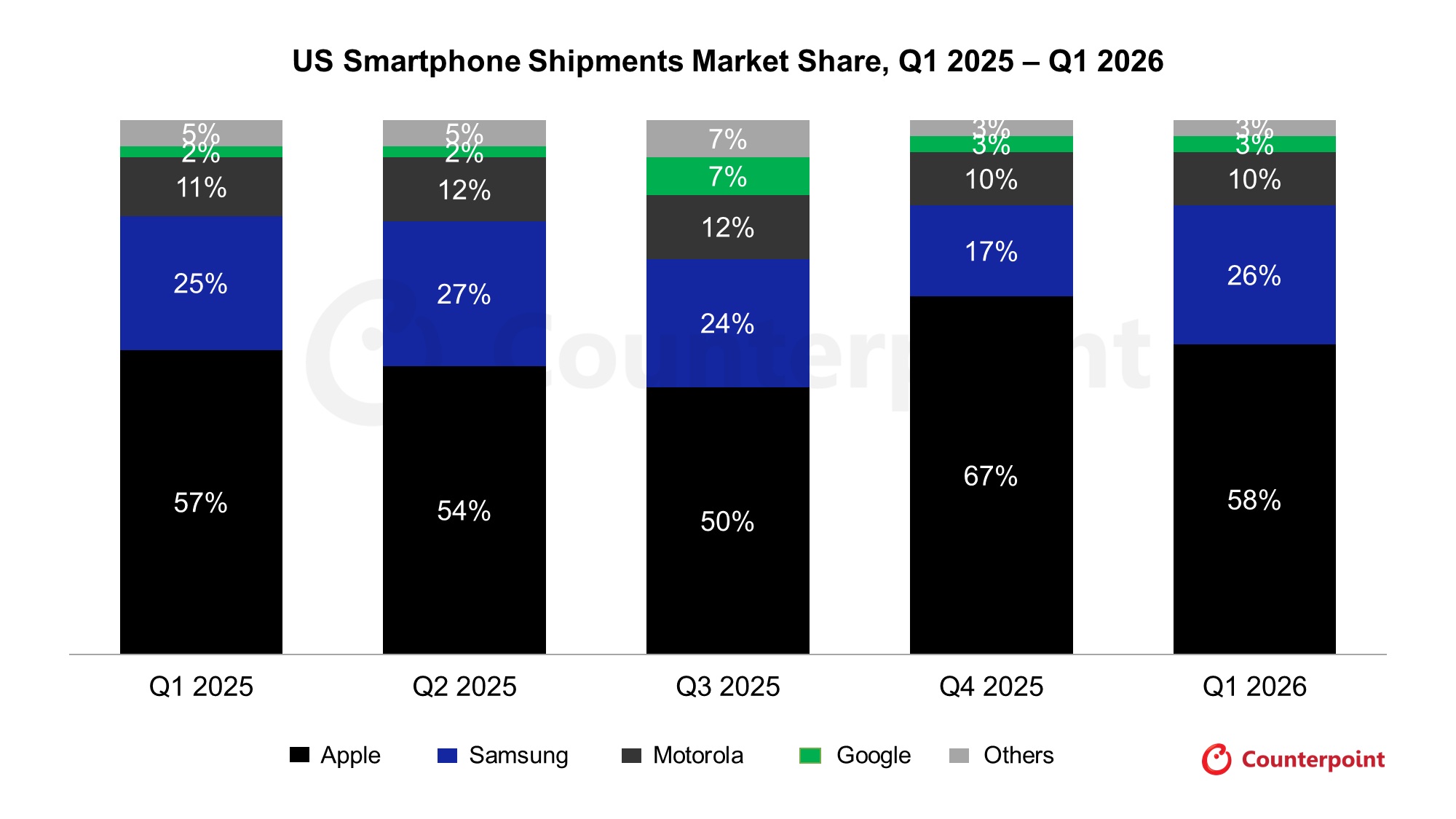
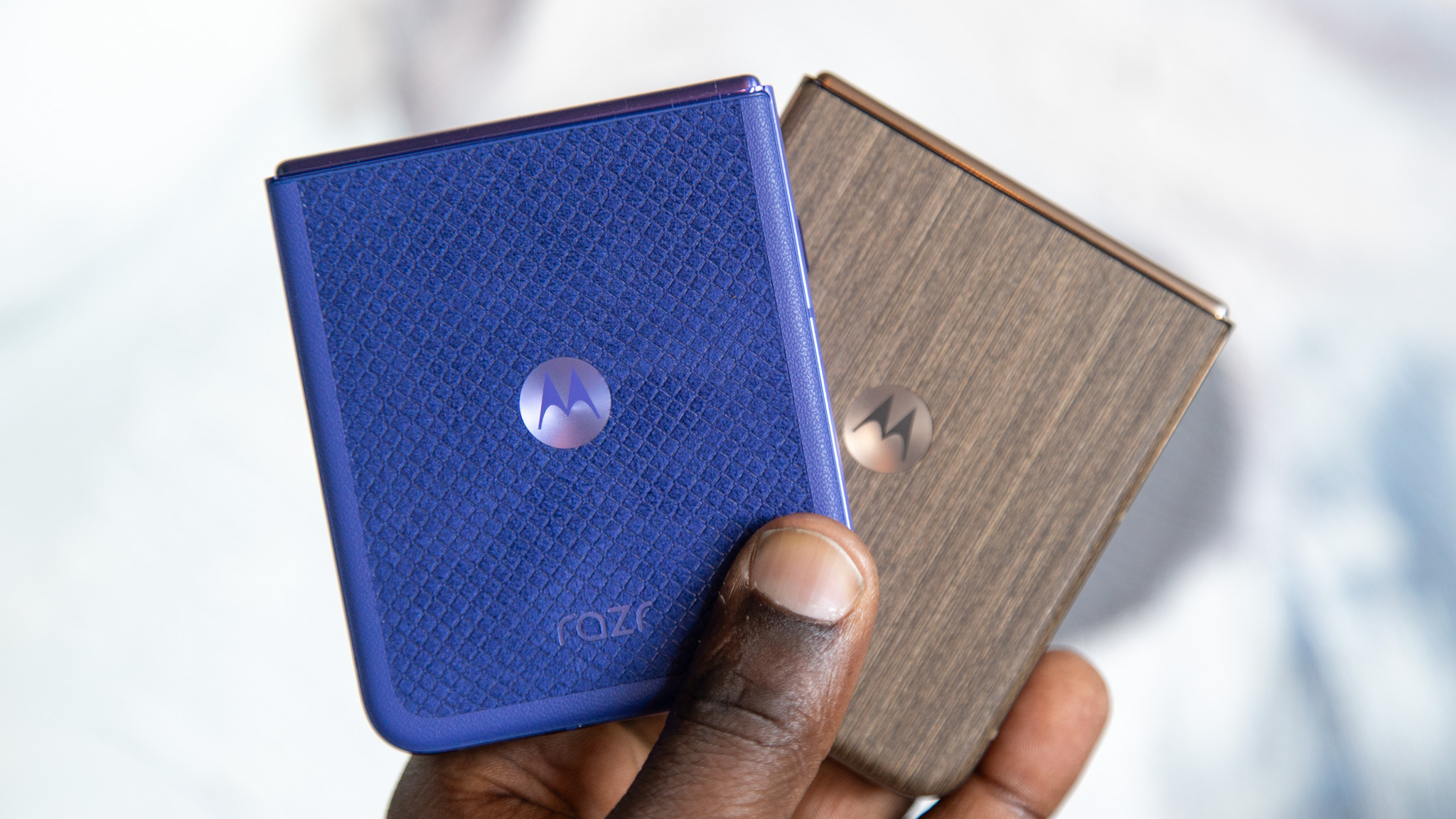
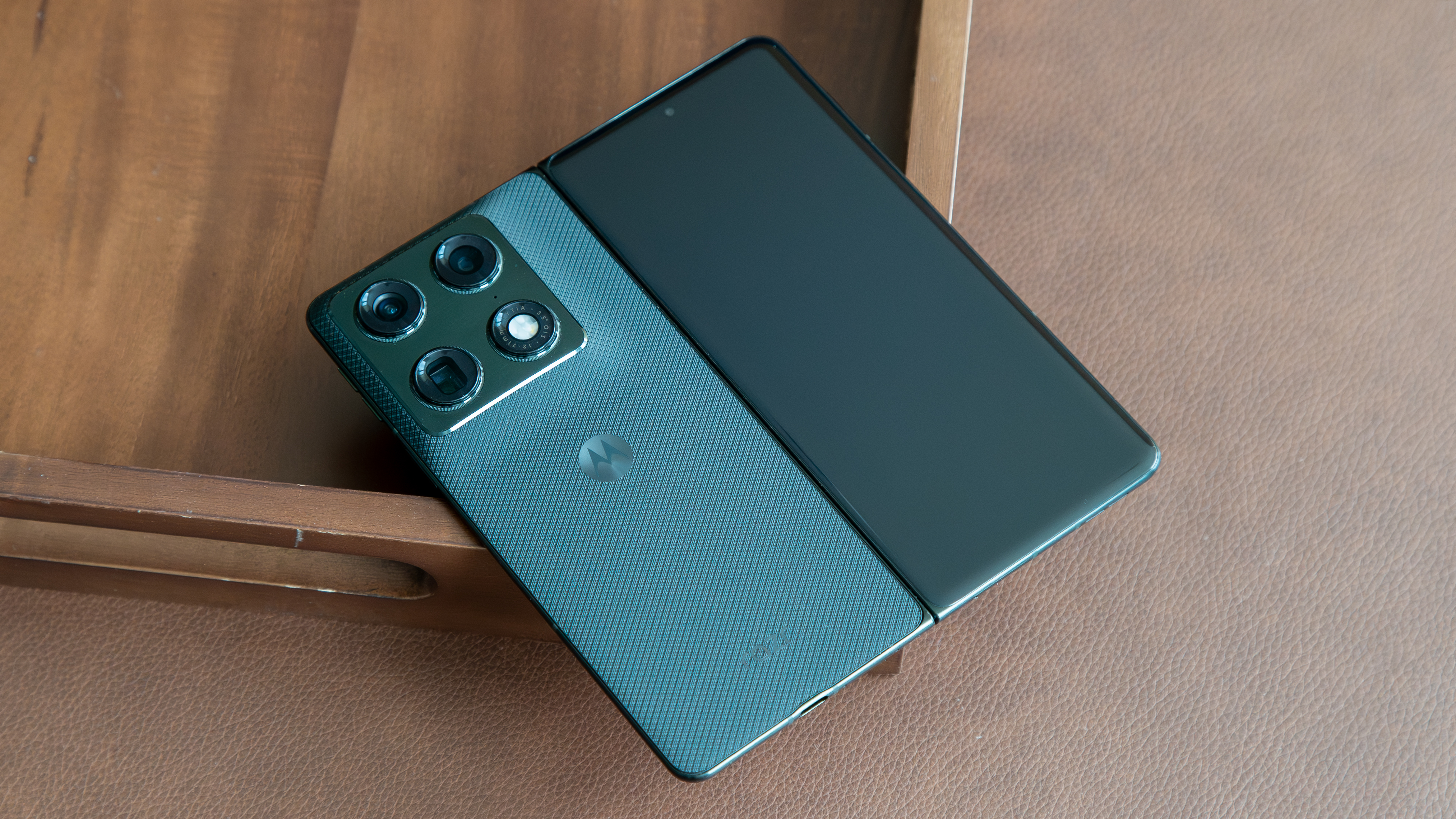
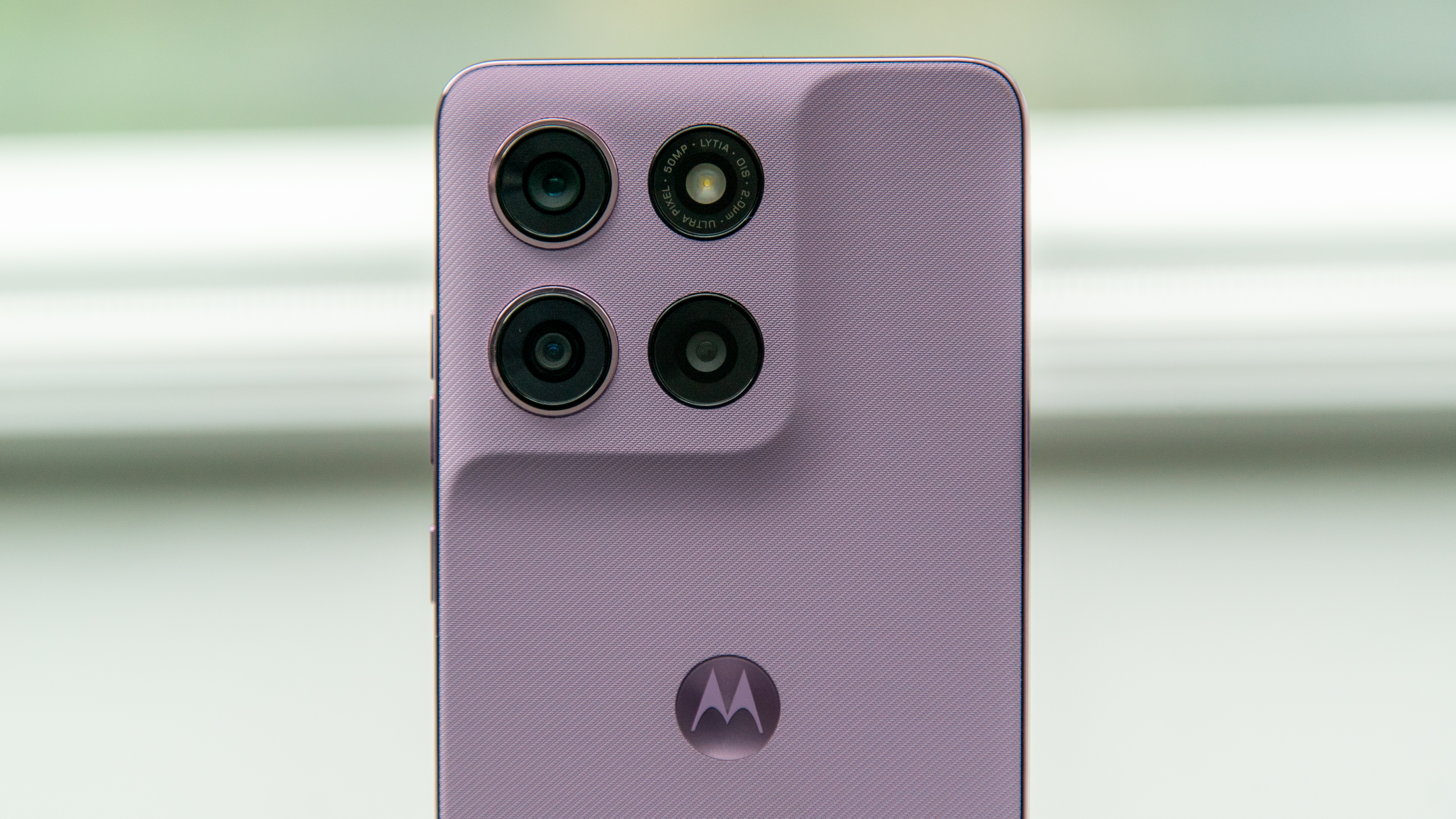
In the highly competitive North American smartphone market, the hierarchy of consumer perception often diverges starkly from actual sales figures. While cultural dominance remains firmly anchored by Apple, Samsung, and Google, recent data from market research powerhouses like Counterpoint Research tells a different, more nuanced story. Motorola has quietly established a commanding presence, consistently capturing a larger total smartphone market share than Google over consecutive quarters while dominating roughly half of the U.S. foldable device sector.
Yet, step into a local electronics retailer or browse an online marketplace, and a glaring discrepancy quickly emerges. A consumer searching for robust protection or personalized aesthetic enhancements for a Google Pixel or Samsung Galaxy device is greeted by an overwhelming sea of options from premier accessory giants like Spigen, OtterBox, CASETiFY, and Dbrand. Conversely, owners of high-end Motorola flagships and foldables—such as the Razr Ultra or the innovative Razr Fold—often find themselves facing a barren marketplace.
This investigative report examines the fundamental paradox plaguing the modern mobile ecosystem: why major third-party case and accessory manufacturers continue to bypass Motorola’s high-end portfolio despite measurable sales success. Through direct insights from leading industry executives, an analysis of manufacturing constraints, and a critical evaluation of Motorola’s corporate partner programs, this article unpacks the systemic barriers preventing Motorola devices from receiving the ecosystem support they deserve.
Detailed Chronology of the Accessory Gap
The widening chasm between Motorola’s hardware shipments and its third-party accessory ecosystem did not happen overnight; it is the culmination of years of shifting industry dynamics, risk mitigation strategies, and misaligned corporate incentives.
The Rise of Motorola’s Foldable Ambitions
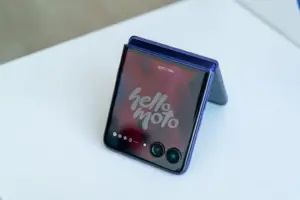
Over the past several years, Motorola aggressively targeted the emerging foldable market, successfully reviving the iconic Razr moniker and transforming it into a mainstream consumer device. By undercutting competitors on price and refining hardware ergonomics, Motorola captured an impressive 50% share of the U.S. foldable market.
Historically, when a brand secures a dominant position in a high-margin product category, accessory developers scramble to capture early-adopter revenue. However, as Motorola rolled out successive generations of its flagship foldables, major case manufacturers remained conspicuously absent.
The Tipping Point: A Retailer’s Dilemma
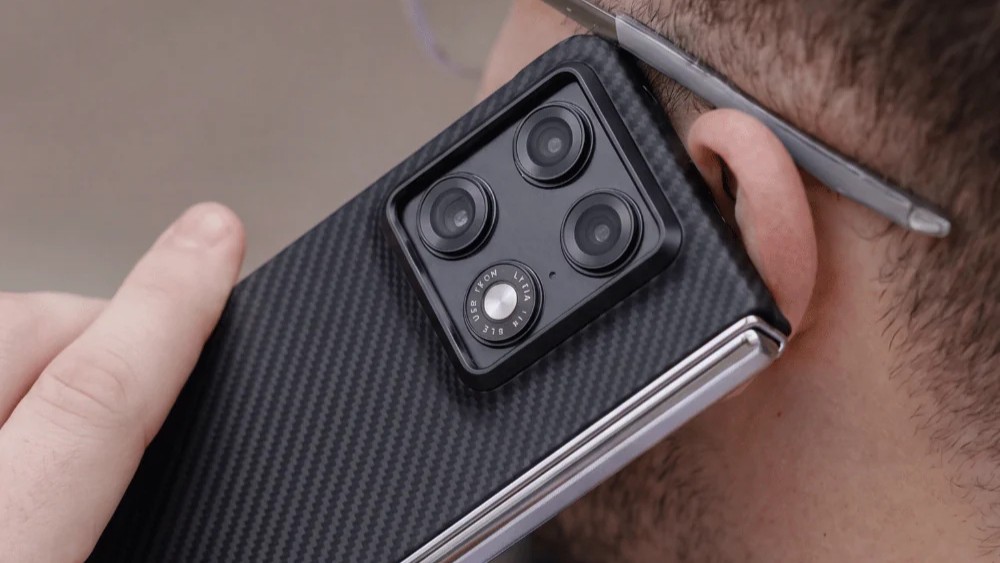
The tipping point for many tech journalists and consumers came during major product rollouts, when high-profile devices hit store shelves completely devoid of mainstream accessory backing. For instance, when specialized boutique brands like Thinborne initially announced—and then briefly scrapped—plans to manufacture a minimalist aramid fiber case for the Motorola Razr Fold due to projected financial shortfalls, it highlighted a systemic industry crisis.
It required direct intervention from tech media professionals to persuade independent manufacturers to shoulder the immense financial risks associated with Motorola’s hardware. This dynamic exposed a troubling reality: without institutional support from the phone manufacturer itself, third-party developers view Motorola devices as high-risk gambles rather than lucrative opportunities.
Supporting Context & Metrics: Market Share vs. Shelf Space
To understand why accessory makers are hesitant to invest in Motorola, one must first examine the hard numbers defining the U.S. smartphone landscape.
[U.S. Smartphone Shipments Market Share - Trend Analysis]
Apple / Samsung  : ██████████████████████████████ (Dominant Tier)
Motorola         : ████████                       (Solid 3rd/4th Position)
Google Pixel     : ██████                         (Trailing Motorola in Shipments)
According to data compiled by Counterpoint Research tracking the North American market, Motorola has consistently outperformed Google in overall smartphone shipments over the past five quarters. While Google benefits immensely from massive brand recognition, deep software integration, and aggressive carrier promotions, Motorola commands a broader and more diverse consumer base spanning budget, mid-range, and premium tiers.
Despite these favorable shipment statistics, consumer demand metrics utilized by accessory brands tell a different story. Major case manufacturers do not base their production pipelines solely on total device shipments; they closely monitor active accessory attach rates—the percentage of device buyers who purchase an additional case, screen protector, or charging accessory within the first thirty days of ownership.
Why Shipment Numbers Mislead
Demographic Disparities: A significant portion of Motorola’s shipment volume is driven by carrier-subsidized pre-paid devices, enterprise deployments, and budget-conscious consumers who historically exhibit lower rates of premium third-party accessory purchases compared to Apple or Samsung users.
Flagship Visibility: While Motorola’s Razr and Edge flagships compete directly with high-end devices from Apple and Samsung, their overall volume within the ultra-premium tier is dwarfed by the sheer ubiquity of the iPhone and Galaxy S series.
Channel Fragmentation: Accessory makers rely on predictable, high-volume demand to offset the exorbitant costs of industrial design, tooling, and inventory management. When a brand’s sales are distributed across a wide portfolio of regional and carrier-specific variants, predicting demand for a single flagship model becomes statistically risky.
Official Statements and Industry Insights
To uncover the precise mechanisms behind this market failure, Android Central reached out to executives across the mobile accessory landscape. While several prominent brands requested anonymity to protect proprietary business strategies, their candid feedback paints a vivid picture of industry priorities.
The Risk-Averse Giants: OtterBox Speaks Out
Major protection brands must carefully allocate capital to maximize return on investment. OtterBox, one of the few industry leaders willing to speak on the record, pointed directly to consumer demand and device adoption metrics as the primary drivers of their portfolio decisions.
"We evaluate our device case portfolio based on customer demand and overall device adoption," an OtterBox representative stated. "While OtterBox has supported Motorola devices in the past, our current focus is on delivering protection for the devices used most widely by our customers."
This sentiment was echoed anonymously by several other mainstream manufacturers. An executive from an up-and-coming high-end case brand elaborated on the pragmatic realities of product lifecycle management:
"From a case maker’s perspective, product coverage decisions are primarily driven by device demand, market scale, and broader ecosystem adoption rather than any individual brand preference. Motorola’s recent foldables and flagships have certainly generated industry interest, but the overall installed base and accessory demand for these devices is still relatively limited at this stage."
The High Cost of Engineering Innovation
Developing accessories for modern smartphones—particularly intricate foldable devices featuring complex hinges, dual screens, and ultra-thin profiles—requires substantial capital expenditure. A representative from a prominent charging and lifestyle accessory brand explained the resource allocation challenge:
"Launching an entirely new phone case lineup requires additional investment in product design, manufacturing, and human resources. Our company may not be fully equipped to support this at the present stage while maintaining our primary focus on Apple and Samsung charging ecosystems."
Even specialized brands with a reputation for engineering excellence prioritize single-ecosystem mastery to refine their manufacturing processes. TORRAS, a brand celebrated for its magnetic cases and power banks, explained its strategic focus on the Samsung Galaxy Z Fold architecture:
"By staying consistent within a single foldable architecture, TORRAS is able to deepen our R&D in a more systematic and iterative way, improving product reliability through continuous optimization over time."
The Missing OEM Bridge: Dbrand Exposes Motorola’s Blind Spot
Perhaps the most damning critique of Motorola’s ecosystem strategy came from Dbrand, a company renowned for its precision-cut skins and device armor. Dbrand pointed out that third-party success relies heavily on proactive collaboration between original equipment manufacturers (OEMs) and accessory developers—a partnership model that Motorola has historically neglected.
"Motorola doesn’t engage third-party consumer accessory manufacturers the way other OEMs do," Dbrand noted. "Google has ‘Made for Google.’ Microsoft has ‘Designed for Xbox.’ Samsung has ‘SMAPP.’ These structured programs give established brands the lead time to be ready at launch. With Motorola, our starting gun for development is when consumer hardware hits shelves. By that point, we’re already too late."
Dbrand highlighted that brand scale is not the sole determining factor; even small, niche device makers have successfully partnered with accessory brands by actively facilitating communication and providing early hardware specifications. Motorola’s failure to establish a robust, transparent third-party developer program leaves manufacturers scrambling to reverse-engineer dimensions post-launch, guaranteeing missed sales opportunities during the critical peak-interest window.
Motorola’s Perspective: A Disconnect in Perception
Faced with mounting evidence of an accessory drought, Android Central sought an official response from Motorola. The inquiry focused on whether the company recognized the third-party accessory gap and what steps were being taken to address developer and consumer concerns.
Motorola’s official response struck a markedly optimistic—if somewhat detached—tone, suggesting that executive leadership may not fully perceive the friction experienced by end-users in the retail market.
"Today, we proudly collaborate with a number of partners to anchor our official licensed cases and accessories initiative," Motorola stated in an official brief. "Through this established program, we co-develop and validate products with trusted third-party accessory makers. This collaborative approach ensures that every product adheres to Motorola’s strict standards for quality, safety, and seamless customer experience. We are continuously expanding this ecosystem and welcome deeper strategic partnerships with leading accessory brands to deliver the premium experience our customers expect."
While Motorola points to internal licensing initiatives, industry insiders argue that these programs remain opaque, overly restrictive, or insufficient to attract major global players like Spigen, CASETiFY, or OtterBox. The stark contrast between Motorola’s internal assessment and the realities reported by accessory developers underscores a fundamental communications breakdown.
Future Outlook: Can Motorola Bridge the Ecosystem Gap?
The current landscape leaves Motorola in a precarious position. The smartphone purchasing journey is holistic; consumers rarely buy a device in a vacuum. The availability of high-end protective cases, magnetic mounts, custom skins, and camera lens protectors plays a pivotal role in consumer confidence. When a prospective buyer discovers that purchasing a Motorola Razr Fold severely limits their ability to customize or protect their investment with premium aftermarket products, it introduces unnecessary friction into the purchasing decision.
Recommended Steps for Motorola’s Ecosystem Growth:
Establish a Transparent Partner Program: Motorola must modernize its developer relations, mirroring the accessibility and structured support found in Google’s Made for Google initiative or Samsung’s SMAPP program. Providing trusted third-party manufacturers with early CAD data and secure prototype access is essential.
Subsidize Early Development Risks: To entice hesitant accessory makers into supporting niche form factors like flip and fold devices, Motorola could offer co-marketing incentives or guaranteed inventory buybacks for initial production runs.
Prioritize Ecosystem Interoperability: Embracing universal standards—such as robust magnetic alignment systems compatible with MagSafe ecosystems—would immediately make Motorola devices more attractive to third-party manufacturers looking to cross-sell accessories.
Until Motorola actively extends an olive branch to the broader accessory community, its flagships and foldables will continue to fight an uphill battle against competitors backed by thriving commercial ecosystems. For consumers, the hope remains that boutique innovators like Thinborne will continue to fill the void, proving that a dedicated market exists for those willing to look beyond the Apple and Samsung duopoly.