Executive Overview
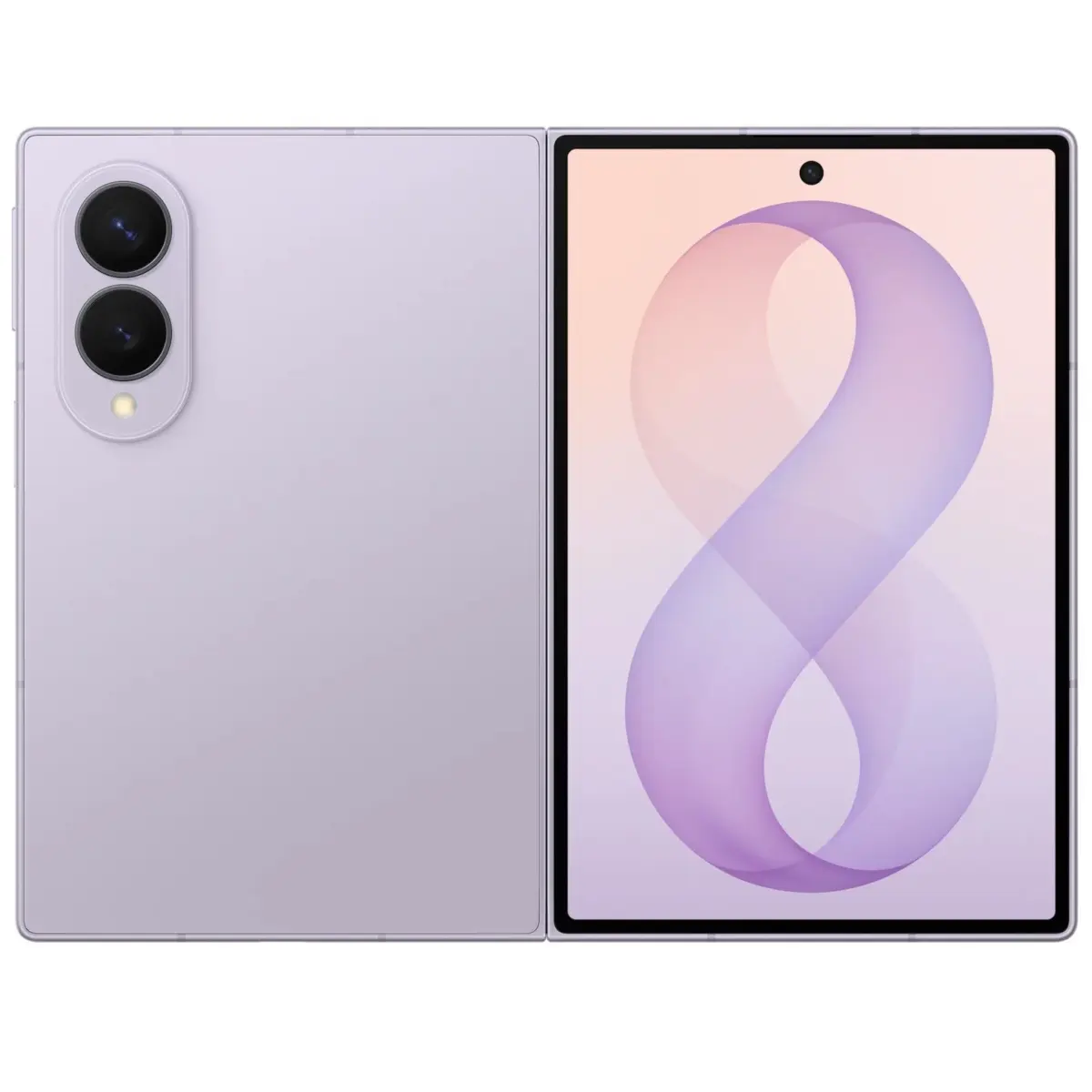
As the official August 7 store-shelf release date rapidly approaches, the countdown for Samsung’s premier preorder promotional window is entering its final hours. Consumers looking to adopt the bleeding edge of mobile technology face a crucial deadline to secure substantial monetary incentives on Samsung’s latest foldable flagship lineup, anchored by the Samsung Galaxy Z Fold 8 and its hyper-premium counterpart, the Galaxy Z Fold 8 Ultra, alongside the clamshell-style Galaxy Z Flip 8.
For smartphone enthusiasts and tech early adopters, navigating the launch landscape of a major foldable release requires a strategic approach. High-end foldables command top-tier pricing, but manufacturers traditionally deploy aggressive incentive structures to jumpstart adoption and incentivize premature upgrades. Samsung’s current direct-to-consumer promotion stands as one of the most aggressive fiscal campaigns in recent mobile hardware history, offering up to $1,200 in trade-in valuation, instant installation credits, and deep ecosystem bundle discounts.
This comprehensive report breaks down the anatomy of the Galaxy Z Fold 8 preorder window, evaluates the mechanics of Samsung’s trade-in tiers, analyzes the broader marketplace dynamics surrounding foldable hardware, and provides prospective buyers with a strategic outlook on whether to jump now or wait out the market lifecycle.
The Anatomy of the Deal: Maximizing Savings on the Galaxy Z Fold 8
The cost of entry for next-generation foldable devices has historically served as a primary friction point for mainstream consumer adoption. While the engineering marvel of an expansive, flexible OLED inner display paired with a refined, highly functional outer cover screen continues to captivate the tech community, standard retail pricing often pushes past the threshold of traditional slab-style flagships.
Samsung has sought to mitigate this sticker shock through an aggressive, multi-layered incentive framework available directly via its official web store and authorized retail channels ahead of the August 7 release.
1. The Flagship Trade-In Valuation: Up to $1,200 Off
The cornerstone of Samsung’s promotional rollout is its enhanced trade-in program. Consumers trading in qualifying legacy hardware can slash up to $1,200 off the retail price of a brand-new Galaxy Z Fold 8 or Z Fold 8 Ultra.
- Device Eligibility: High-tier trade-in values are typically reserved for recent-generation flagship devices, including previous iterations of the Z Fold series, Samsung’s Galaxy S-series flagships, and select competing premium devices in pristine functional and cosmetic condition.
- The "Broken Device" Clause: Notably, Samsung’s promotion extends partial trade-in credits even to users with older or broken hardware. While cracked screens or battery degradation will reduce the maximum possible payout, the flexibility to offload non-mint hardware lowers the psychological barrier to entry for users holding onto deteriorating legacy phones.
2. The Fallback Incentive: The $200 Instant Credit
For buyers who prefer to retain their current devices—whether for sentimental value, as a backup phone, or to pass down to family members—Samsung has integrated a safety net into the preorder phase. Customers who do not utilize a trade-in option are still eligible for a $200 instant accessory or store credit when ordering the Galaxy Z Fold 8 directly through Samsung’s official channels. This credit can be immediately applied toward essential companion hardware, such as fast-charging power adapters, protective high-impact cases, or wireless earbuds.
3. Ecosystem Synergy: Watch and Audio Bundles
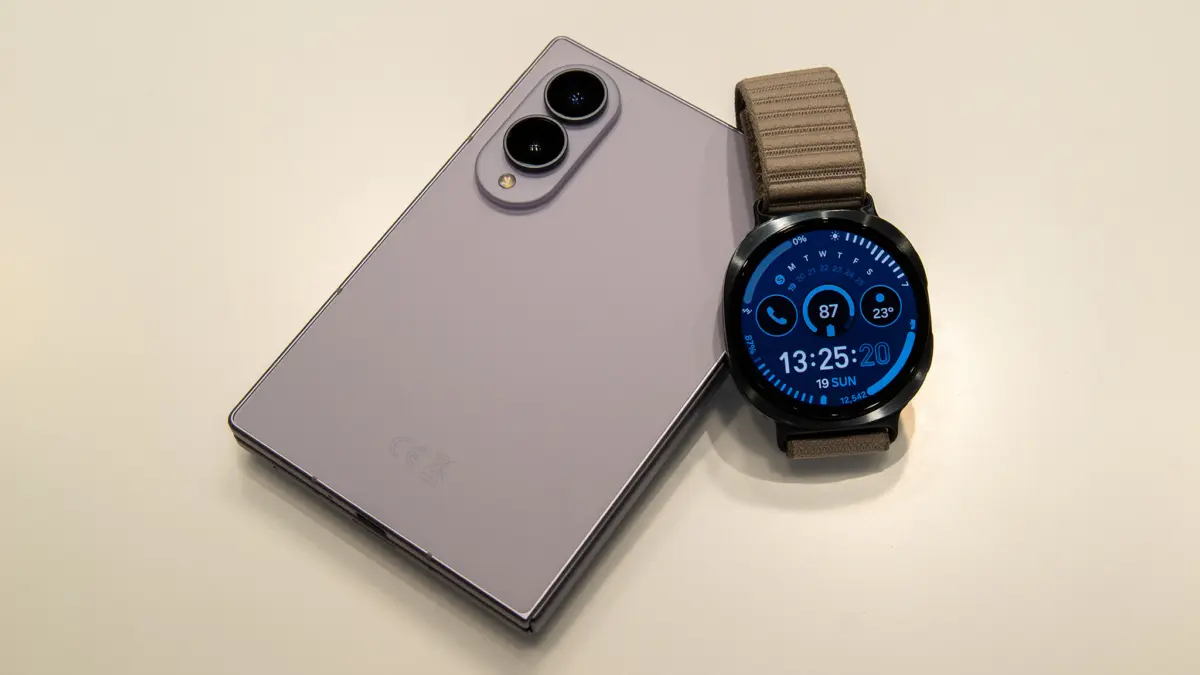
To further entice buyers into deepening their investment in the Samsung ecosystem, the company has introduced synchronized bundle discounts. Preordering a Galaxy Z Fold 8, Z Fold 8 Ultra, or Galaxy Z Flip 8 opens access to discounted pricing on complementary wearables—most notably the latest iterations of the Samsung Galaxy Watch series. By packaging hardware acquisitions, Samsung successfully drives cross-device engagement while providing consumers with a higher overall perceived value for their purchasing dollar.
Detailed Chronology: From Concept to Consumer Shelf
The journey of the Galaxy Z Fold 8 to store shelves represents years of iterative hardware refinement, supply chain stabilization, and software ecosystem maturation. Understanding how the device reached its current market position requires a look back at the critical milestones leading up to this August launch window.
Phase 1: R&D and Structural Redesign (Late 2024 – Mid 2025)
Following the market reception of earlier generations, Samsung’s engineering teams focused heavily on two persistent user grievances: crease visibility and chassis thickness. Throughout late development cycles, leaks and industry insider reports pointed toward a redesigned hinge mechanism utilizing advanced drop-forged titanium alloys and revised multi-angle dampening. This structural pivot aimed to improve structural rigidity while shaving precious millimeters off the folded profile, positioning the Z Fold 8 to compete directly with increasingly aggressive ultrathin foldable competitors emerging from international markets.
Phase 2: The Unpacking Event and Preorder Initiation (Mid-to-Late July 2026)
Samsung officially pulled back the curtain on its next-generation foldable ecosystem during its summer hardware showcase. Alongside technical deep-dives into the enhanced processing capabilities, AI-driven multitasking utilities, and upgraded camera arrays, the company confirmed the critical logistical details: global availability would kick off on August 7, with immediate preorders opening across major online retailers and carrier networks.
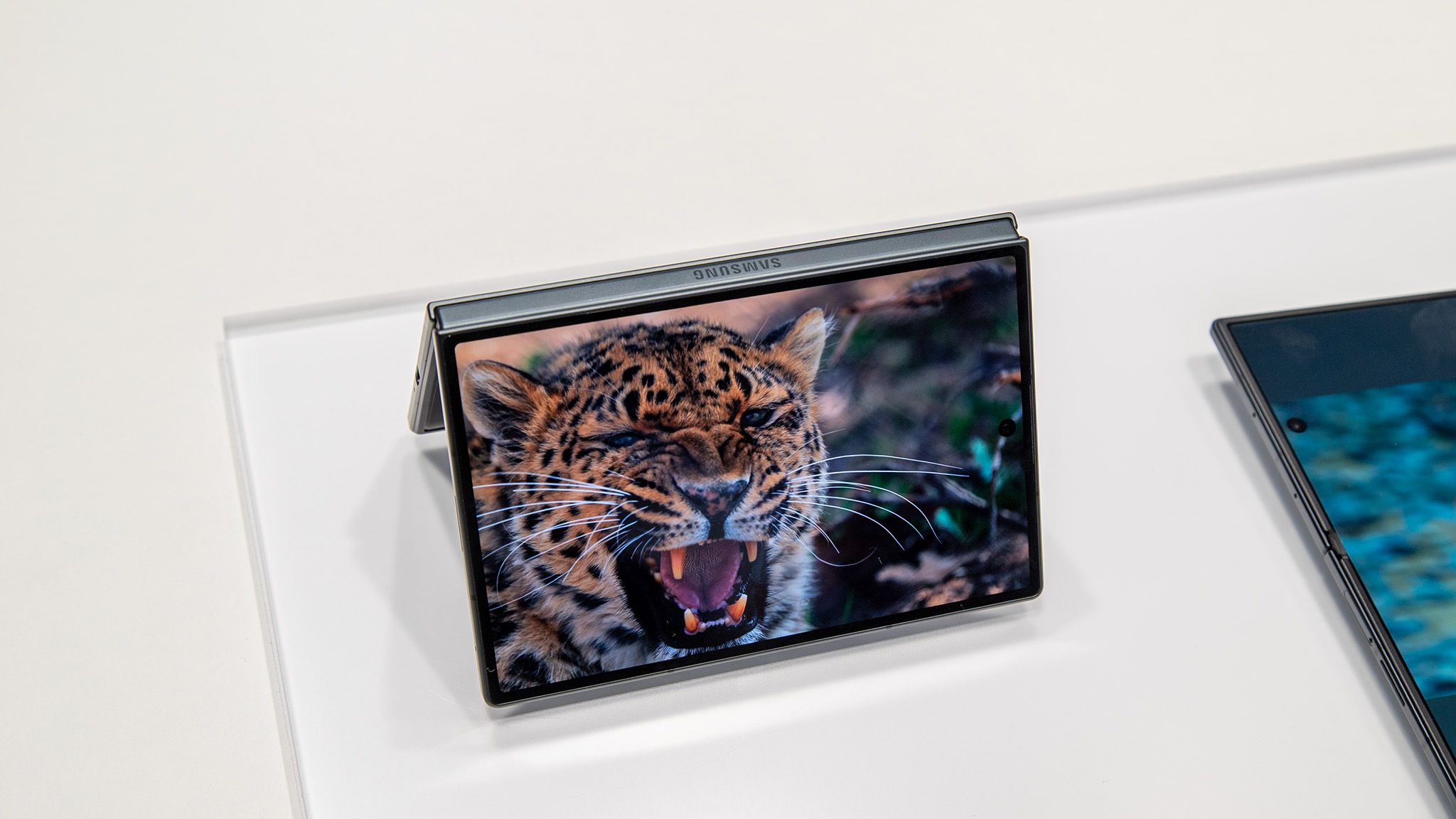
Immediately following the announcement, trade-in values went live, prompting early-bird buyers to lock in their allocations. Analysts noted that the inclusion of the "Ultra" tier within the Fold lineup marked a strategic divergence, segmenting power-users who demand stylus integration and hyper-advanced sensor suites from standard foldable consumers.
Phase 3: The Preorder Cliff and Fulfillment (Early August 2026)
As the August 7 release date approaches, retail channels report a high volume of preorder conversions. The expiration of the primary promotional window places immediate pressure on undecided buyers. Historically, once devices transition from the preorder phase to general retail availability, promotional trade-in values experience a downward adjustment, and instant credits frequently vanish or convert into more restrictive financing offers.
Supporting Context and Industry Metrics
To fully appreciate the significance of the Galaxy Z Fold 8 rollout, one must view it through the lens of the broader global smartphone market and the evolving foldable segment.
The Macro Shift: Foldables Enter the Mainstream
According to quarterly mobile industry data tracked by major market research firms, foldable smartphones have officially graduated from a niche novelty category into a self-sustaining luxury segment. While traditional slab phones continue to dominate total shipment volume due to lower price points and proven durability metrics, year-over-year growth for book-style and clamshell foldables remains robust.
Consumers are increasingly willing to pay a premium for hardware versatility—specifically, the ability to transition seamlessly from a pocketable, single-handed messaging device into a tablet-sized multimedia and productivity canvas.
The Competitive Landscape
Samsung no longer enjoys an uncontested monopoly in Western markets. The arrival of refined international foldables from brands such as Google (with its Pixel Fold ecosystem), OnePlus, and various domestic Chinese manufacturers has forced Samsung to accelerate its hardware innovation cycle.
- Hinge and Durability Metrics: While early foldables suffered from dust ingress vulnerabilities and high failure rates along the crease, current-generation devices boast IP-rated water resistance and independently verified hinge durability exceeding hundreds of thousands of actuation cycles.
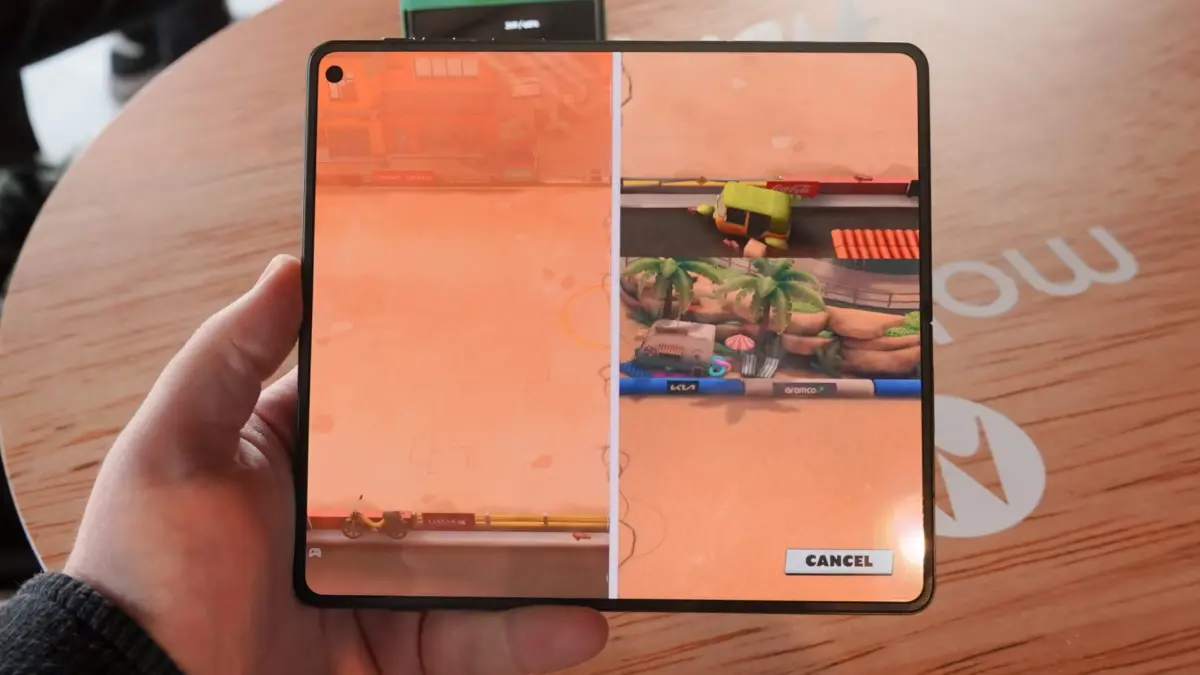
- Software Optimization: Hardware is only half the battle. Google’s ongoing commitment to optimizing Android for large, flexible canvases—paired with Samsung’s proprietary One UI multitasking enhancements—has dramatically improved the software experience. Apps now scale more fluidly, split-screen multitasking is more intuitive, and stylus utilization feels significantly closer to a traditional pen-and-paper experience.
Official Perspectives and Industry Insights
While corporate marketing campaigns often lean heavily on superlatives, independent industry analysts and consumer technology experts have offered nuanced evaluations of Samsung’s latest foldable flagship.
Balancing Innovation with Pricing Realities
Speaking on the current pricing strategy, mobile market analysts note that Samsung’s heavy reliance on trade-in subsidies is a calculated economic necessity.
"When a device starts north of the traditional flagship price ceiling, direct discounts rarely move the needle for everyday consumers," notes a prominent mobile hardware analyst. "By framing the discount around trade-in values up to $1,200, Samsung effectively transforms an expensive one-time purchase into a structured upgrade cycle—much like traditional carrier subsidy models of the past, but executed directly through the manufacturer’s digital storefront."
Retailer and Carrier Dynamics
Beyond Samsung’s proprietary website, major telecommunications carriers have rolled out parallel incentive structures, frequently tying bill-credit promotions to long-term service contracts. However, tech consumer advocates consistently highlight direct-from-manufacturer preorders as the preferred route for users who prioritize unlocked hardware freedom, free from carrier bloatware or mandatory multi-year service lock-ins.
Future Outlook: What’s Next for the Foldable Market?
As the Samsung Galaxy Z Fold 8 and Z Fold 8 Ultra transition from preorder status to active consumer deployment, the ripple effects across the mobile industry will be closely monitored.
- The Trajectory of Pricing: Industry watchers will be looking to see if sustained competition eventually forces baseline foldable pricing downward over the next two to three generations, or if foldables will permanently remain anchored as ultra-premium luxury tiers.
- Durability and Form Factor Evolution: With thickness and weight rapidly approaching parity with traditional non-folding flagships, the next frontier of competition will likely center on battery density improvements and under-display camera invisibility, ensuring that compromises in media consumption are entirely eliminated.
- The Immediate Action Item: For consumers currently weighing their options, the mathematical reality of the current market window is clear. With the official release slated for August 7, prospective buyers have a strictly limited window to leverage maximum trade-in payouts, secure instant credits, and capture bundle savings before retail pricing normalizes.
Disclaimer: Promotional terms, trade-in valuations, and inventory availability are subject to change by Samsung and participating retailers. Prospective buyers are advised to review specific terms, device eligibility lists, and fine print directly on the official purchase portal before completing their transactions.