Executive Overview
The landscape of mobile technology has officially shifted once more as Samsung rolls out its latest generation of book-style foldable devices to store shelves worldwide. Following a closely watched preorder window, the global tech market is now dissecting the real-world viability, engineering triumphs, and financial realities of the newly released Samsung Galaxy Z Fold 8 and its heavier-hitting sibling, the Galaxy Z Fold 8 Ultra.
For years, Samsung has dominated the commercial foldable conversation, setting the industry benchmark for hardware endurance, hinge mechanics, and multi-window software integration. However, the release of this latest generation marks a distinct tactical pivot. Rather than relying on iterative, minor internal updates, Samsung has introduced a bifurcated strategy: the standard Galaxy Z Fold 8 pioneers an entirely fresh form factor reminiscent of a pocket passport, while the Galaxy Z Fold 8 Ultra leans into uncompromising maximum performance, massive battery capacity, and desktop-class multitasking.
Yet, this cutting-edge technological leap comes with a steep price tag. Starting at $1,899.99 for the base model and climbing past the $2,099 mark for the Ultra, these devices arrive during a turbulent period for global hardware manufacturing. Driven heavily by an ongoing, industry-wide RAM supply crisis and elevated component costs, finding ways to mitigate these retail prices has become paramount for consumers. This comprehensive report explores the hardware differences, pricing structures, market pressures, and strategic value propositions defining Samsung’s latest foldable generation.
Detailed Chronology & Device Architecture
To understand how Samsung arrived at its current dual-tier foldable strategy, one must examine the evolution of design constraints and user feedback that shaped the Galaxy Z Fold 8 and Z Fold 8 Ultra.
The Phased Genesis of the Z Fold 8 Lineup
Historically, Samsung’s annual foldable release followed a singular trajectory: refine the hinge, marginally trim the bezels, and lighten the chassis. By the time the Galaxy Z Fold 7 established a remarkably thin profile, critics and enthusiasts alike began questioning how much further the traditional book-style blueprint could stretch without altering the fundamental aspect ratio of the cover display.
Rather than sticking to a single mold, Samsung’s engineering teams split the product roadmap for this generation. The result is a two-pronged attack on the high-end smartphone market:
- The True Successor to the Lineage (Galaxy Z Fold 8 Ultra): Acting as the spiritual heir to last year’s form factor, the Ultra prioritizes maximum screen real estate, top-tier processing power, and battery endurance without expanding the physical footprint.
- The Form Factor Experiment (Galaxy Z Fold 8): Breaking away from tall, narrow cover screens, the standard Z Fold 8 adopts a wider, more ergonomic aspect ratio that transforms the closed device experience.
Architectural Breakdown: Z Fold 8 vs. Z Fold 8 Ultra
| Feature / Specification | Samsung Galaxy Z Fold 8 | Samsung Galaxy Z Fold 8 Ultra |
|---|---|---|
| Starting Price | $1,899.99 (256GB) | $2,099.00 (256GB) |
| Main Display | 7.6-inch AMOLED | Premium Large-Format AMOLED |
| Cover Display | 5.5-inch AMOLED (Passport-style aspect ratio) | Standardized Proportions (matches Fold 7 footprint) |
| Weight | 201 grams | 215 grams |
| Battery Capacity | 4,800mAh | 5,000mAh |
| Processor | Snapdragon 8 Elite Gen 5 | Snapdragon 8 Elite Gen 5 |
| RAM Configuration | Up to 16GB | 12GB (on 256GB/512GB models) |
The Galaxy Z Fold 8 Ultra: Refinement Over Revolution
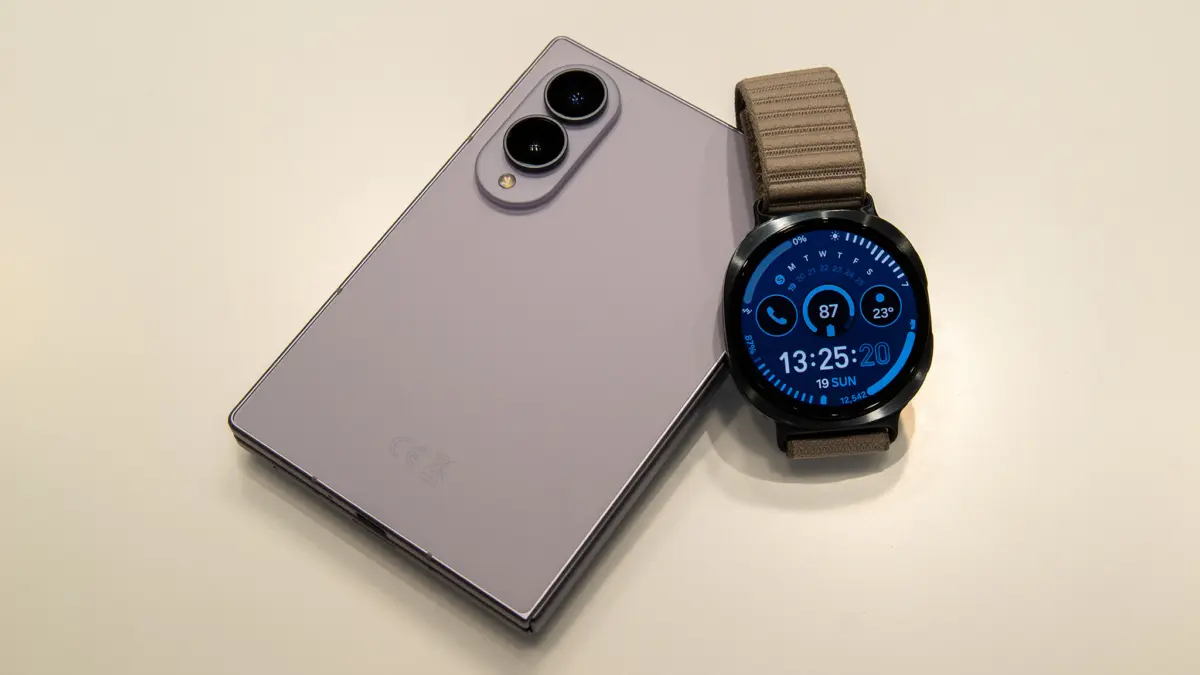
At first glance, users familiar with previous generations might mistake the Galaxy Z Fold 8 Ultra for its predecessor. Clocking in at identical physical dimensions to the previous year’s flagship and maintaining a featherlight 215-gram weight class, the Ultra represents an exercise in internal optimization.
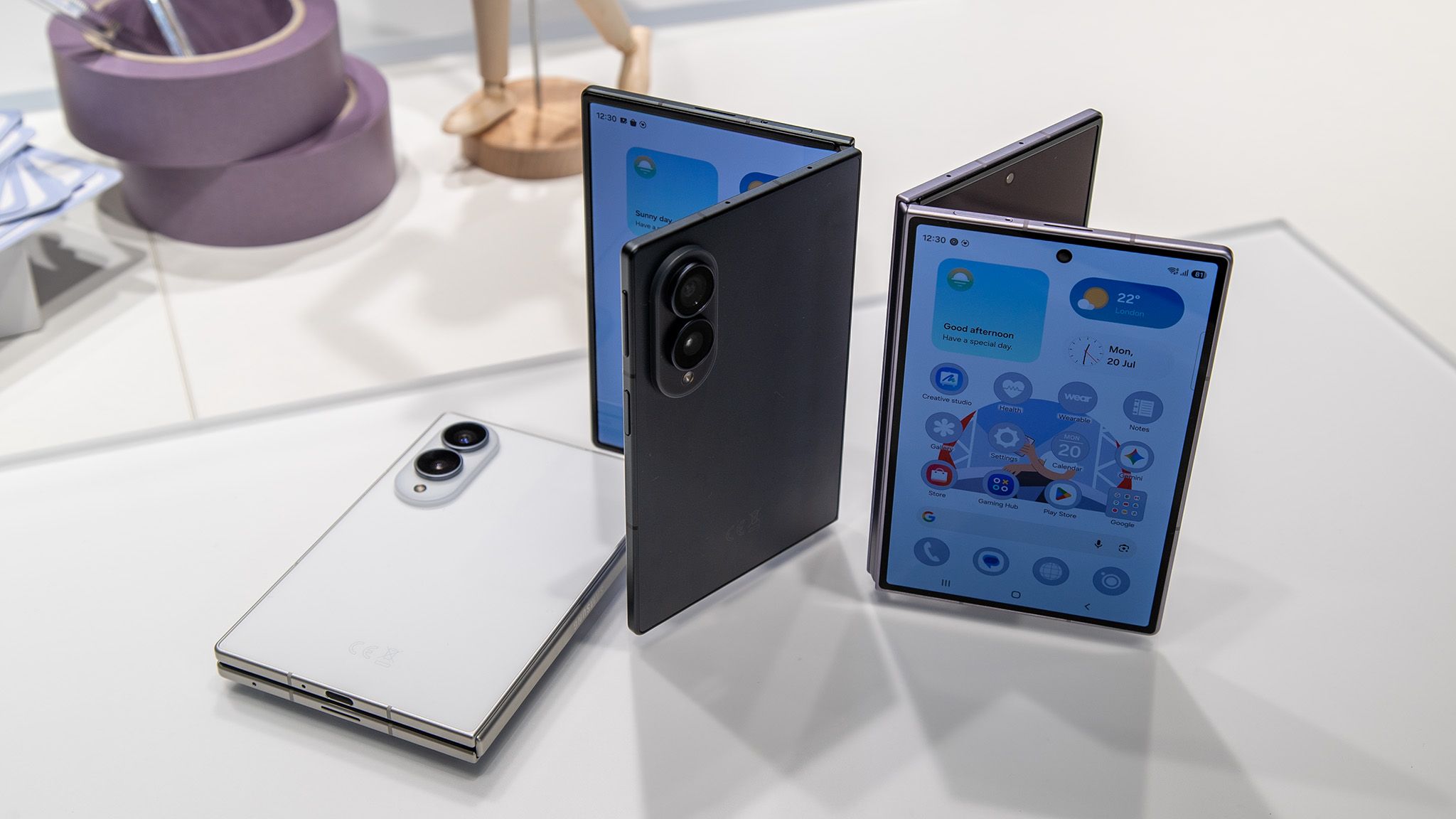
Samsung engineers managed a notable feat of thermal and spatial engineering by packing a larger 5,000mAh battery into the exact same ultra-thin chassis as the prior generation. Powered by the cutting-edge Snapdragon 8 Elite Gen 5 chipset and paired with 12GB of RAM on the entry and mid-tier storage options, the Ultra is built for power users who demand zero compromises in performance, media consumption, or productivity workflows.
The Galaxy Z Fold 8: The "Passport" Paradigm Shift
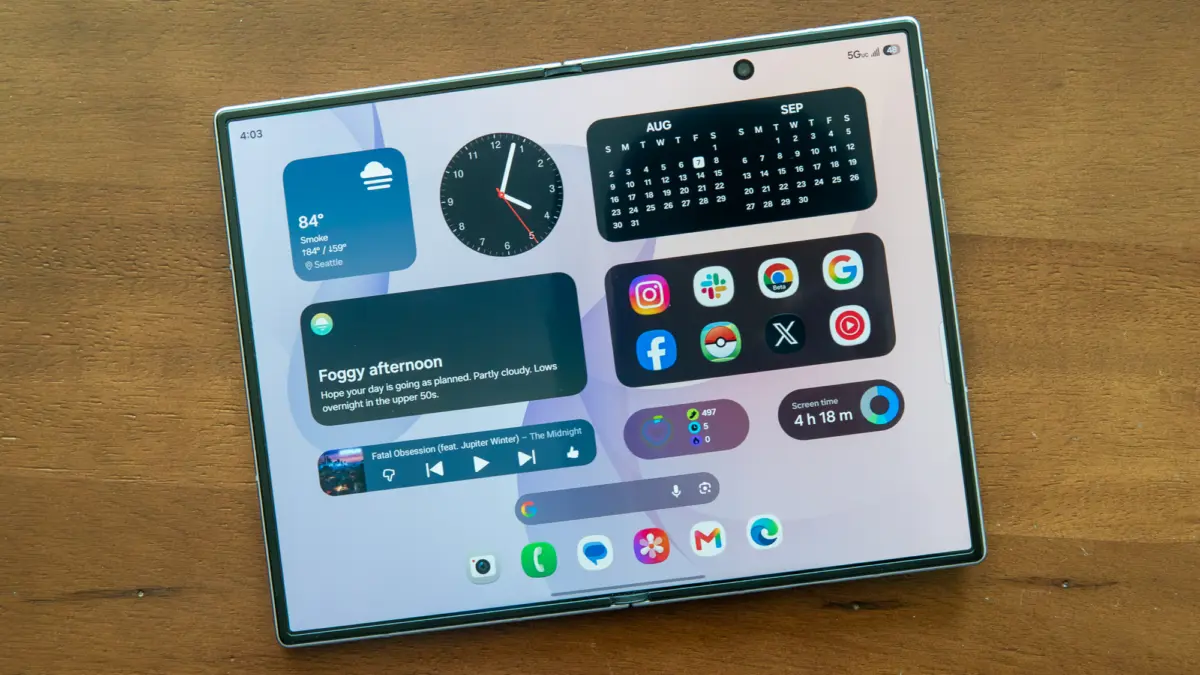
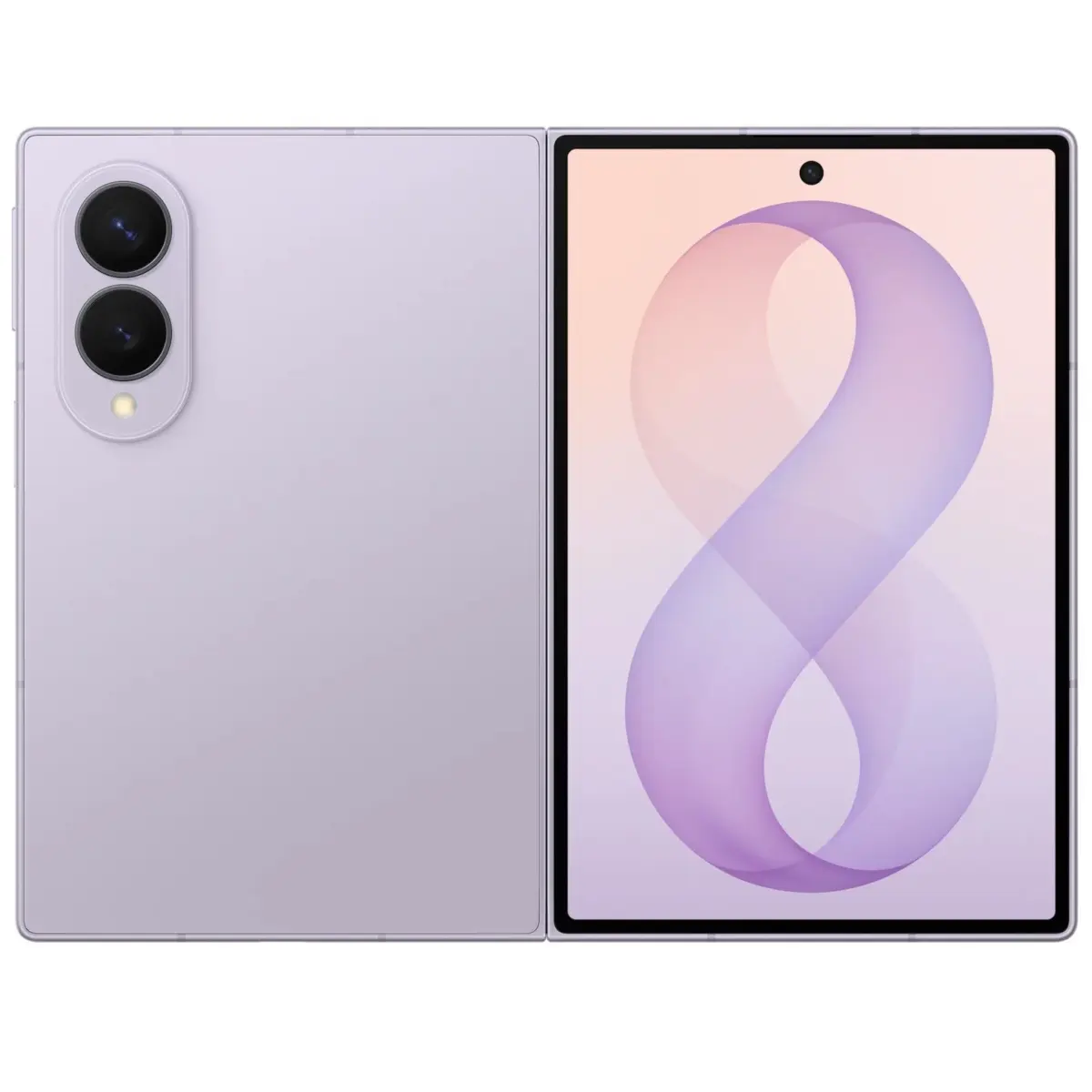
Conversely, the standard Galaxy Z Fold 8 is where Samsung takes bold design risks. Featuring a stunning 7.6-inch main display paired with a completely redesigned 5.5-inch cover screen, the device shifts away from the notoriously cramped, polarizing narrow aspect ratios of older foldables.
The resulting footprint resembles a compact passport book. This adjustment makes typing on the outer display significantly more natural, mitigating the frequent user complaint that folding phones feel awkward or cramped when closed. Weighing in at an impressive 201 grams, the standard Z Fold 8 manages to undercut the Ultra while offering up to 16GB of RAM, matching silicon capabilities, and a robust 4,800mAh battery. Priced at $1,899.99—a full $200 cheaper than its Ultra sibling—it serves as a more accessible entry point into Samsung’s next-generation foldable ecosystem.
Supporting Context & Market Metrics
The Economic Realities of Modern Hardware: The RAM Crisis
Innovating in the foldable space has never been cheap, but macroeconomic factors have exacerbated pricing pressures across the consumer technology sector. The ongoing global RAM crisis has directly influenced component acquisition costs, forcing manufacturers to absorb or pass down significant cost increases.
This financial climate explains why the base price for the standard Galaxy Z Fold 8 sits at $1,899.99, while the Ultra pushes past the psychological $2,100 threshold. Because raw manufacturing inputs have spiked, buying these devices outright without promotional assistance, trade-in credits, or carrier bundles has become a major financial commitment. Consequently, tracking down and leveraging retail deals, launch promotions, and carrier subsidies is no longer just a smart shopping tactic—it is an economic necessity for prospective buyers.
Software Longevity and AI Integration
Hardware form factors are only part of the equation. Both the Z Fold 8 and Z Fold 8 Ultra ship with deeply integrated, AI-boosted software features designed to maximize the utility of their dual-screen layouts. From split-screen multitasking enhancements to context-aware generative AI tools powered by Samsung’s latest UI iterations, the software suite attempts to justify the hardware investment.
Furthermore, Samsung’s commitment to years of guaranteed Operating System (OS) updates ensures that these expensive investments retain relevancy long-term. In an era where smartphone upgrade cycles are lengthening due to marginal annual improvements, software support longevity remains a vital selling point for consumers dropping nearly $2,000 on a single device.
Official Perspectives and Industry Reception
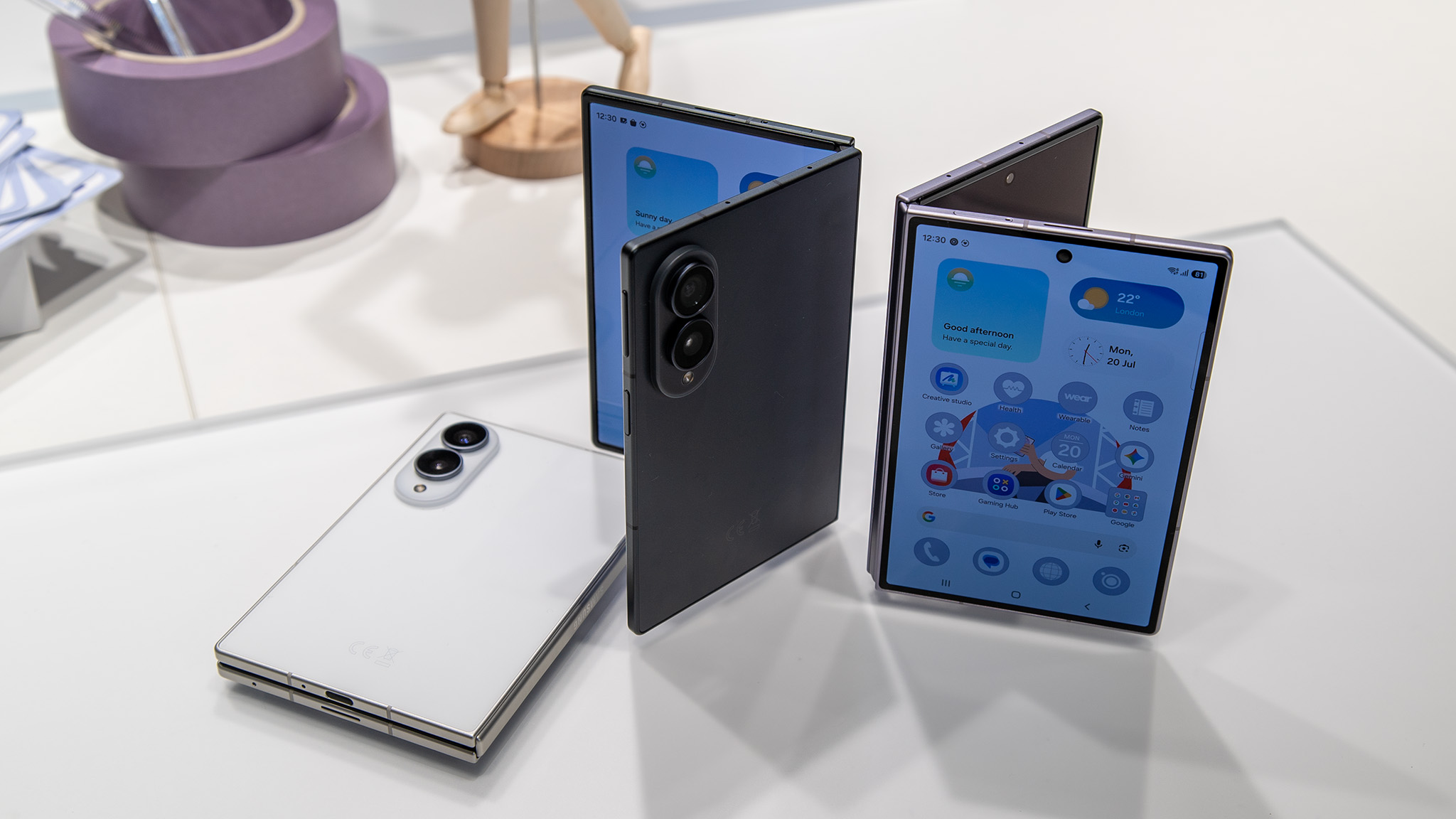
Early hands-on reviews and industry analyst reports paint a nuanced picture of Samsung’s latest strategy. Speaking on the integration of advanced silicon and AI capabilities, mobile tech analysts have praised Samsung’s ability to maintain structural integrity and thin profiles without sacrificing thermal management or battery endurance.
However, consumer reception highlights a classic dilemma in the fast-paced world of mobile tech: upgrade fatigue. Industry experts note that owners of recent hardware iterations—such as the Galaxy Z Fold 7 or competing book-style foldables like the Motorola Razr Fold—face diminishing marginal returns if they rush to buy the Z Fold 8 generation.
As noted in early market breakdowns, companies churn out iterative upgrades annually, making it entirely reasonable (and financially responsible) for consumers to skip a generation or two if their current hardware is functioning optimally. For first-time foldable adopters or those transitioning from traditional slab smartphones, however, the Z Fold 8 lineup represents the most polished, mature execution of foldable technology to date.
Future Outlook
As the dust settles on the initial launch window, the trajectory of the foldable market hinges on how well these devices perform in the hands of everyday consumers.
Several critical questions remain for the coming quarters:
- How will market adoption respond to the higher price floors? With the RAM crisis showing mixed signs of stabilization, original equipment manufacturers (OEMs) will need to rely heavily on aggressive trade-in incentives to maintain sales momentum.
- Will the "Passport" form factor become the new industry standard? If the wider cover display of the standard Galaxy Z Fold 8 proves to be a commercial darling, expect competing Android manufacturers to pivot away from ultra-narrow cover screens in their future hardware cycles.
- What lies ahead for foldable durability and pricing? As manufacturing yields improve and alternative display glass technologies mature, the ultimate goal for the industry remains breaking the psychological $1,500 barrier for mainstream foldables. Until then, devices like the Galaxy Z Fold 8 and Z Fold 8 Ultra will remain ultra-premium luxury goods aimed at productivity enthusiasts, tech early adopters, and power users willing to pay top dollar for cutting-edge engineering.
For those eager to dive into Samsung’s latest hardware ecosystem without paying full retail price, keeping a close eye on ongoing retail promotions, trade-in multipliers, and carrier activations will remain the best strategy in the weeks and months ahead.