
Executive Overview: A Paradigm Shift in Educational Tech
In a move that promises to reshape the landscape of digital education, Google has announced a significant policy pivot regarding its suite of artificial intelligence tools. Starting in 2027, the tech giant will disable access to Gemini, Gemini Notebook, and Gemini Classroom by default for all K-12 student accounts. While ostensibly framed as a move to provide school administrators with greater autonomy over the digital tools integrated into their curricula, the policy carries a controversial caveat: the forced bundling of AI features with Google Search.
For educators, this creates a complex "all-or-nothing" dilemma. Schools that wish to opt out of AI-integrated features—such as AI Overviews and AI Mode—will effectively lose access to the standard Google Search experience for their students. This shift underscores the increasing friction between the rapid, often unilateral integration of generative AI into consumer products and the pedagogical necessity of a controlled, reliable learning environment.
Detailed Chronology: The Road to the 2027 Mandate
To understand the gravity of this announcement, one must look at the meteoric rise of generative AI within the Google ecosystem. Over the past twenty-four months, Google has aggressively integrated its Large Language Model (LLM) technology into everything from Workspace to its flagship search engine.
The Phase-In Period
- Early 2024: Google begins testing "Search Generative Experience" (SGE), which eventually evolved into AI Overviews.
- Late 2024–2025: Schools grapple with the sudden introduction of AI-powered writing assistants and research tools. Concerns regarding academic integrity and data privacy for minors move to the forefront of school board meetings.
- November 2026: Google formally announces the upcoming 2027 policy change, shifting from an "opt-in" or "open-by-default" stance to a "disabled-by-default" model for K-12 institutions.
This timeline reflects a reactive posture from the company. As pressure mounted from privacy advocates, teachers’ unions, and concerned parents, Google’s decision to disable these tools by default serves as a defensive buffer, signaling that the company acknowledges the risks of AI in the classroom. However, the technical architecture of Google’s search platform has evolved so thoroughly that the company claims it is no longer possible to "de-couple" the AI from the engine.
Supporting Context: The Pedagogical Dilemma
The central concern for educators is the impact of generative AI on critical thinking. Critics argue that tools like Gemini, which provide summarized answers, bypass the cognitive struggle necessary for genuine learning. If a student can prompt a model to "explain the causes of the French Revolution" and receive a polished, ready-to-submit paragraph, the developmental process of research, synthesis, and writing is potentially sidelined.
The "Guided Learning" Compromise
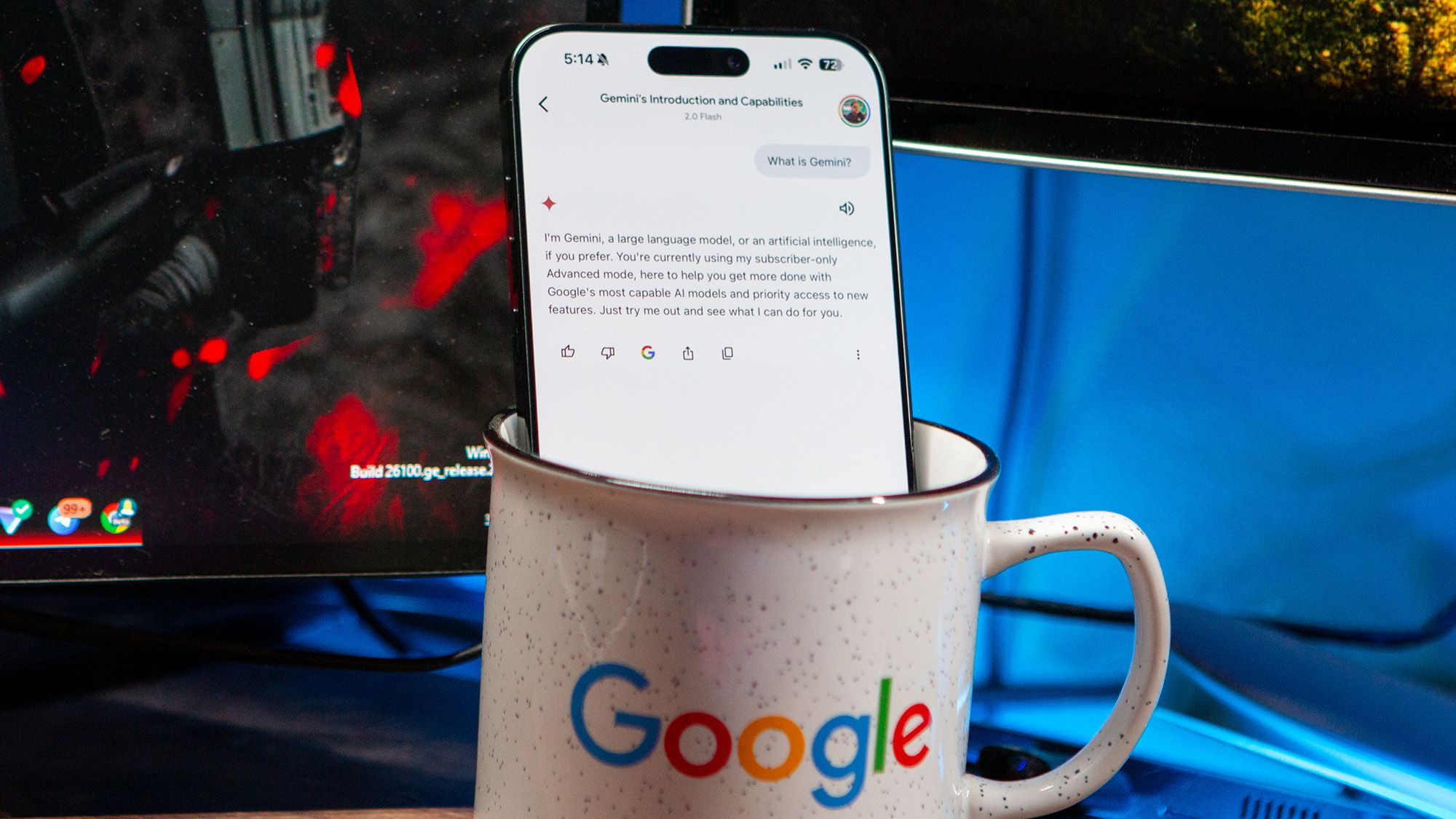
In an effort to mitigate these concerns, Google is simultaneously introducing a "Guided Learning" experience. This feature is intended to act as a digital tutor rather than a ghostwriter. Instead of delivering an immediate answer, the system is designed to provide hints, ask follow-up questions, and lead students through a logical progression toward a conclusion.
Whether this will satisfy school boards remains to be seen. Many districts operate with a "zero-tolerance" policy toward unverified AI interaction, preferring traditional primary sources and curated databases over the stochastic, probabilistic nature of LLMs.
The Infrastructure Trap: Search vs. AI
The most contentious element of this announcement is the technological interdependence of Google Search and AI. Chris Phillips, Google’s vice president of education, has been candid about the company’s internal architecture. He posits that AI is no longer an "add-on" feature but a foundational component of how Google indexes and presents information today.
For an IT administrator at a public school district, the math is stark:
- If they enable AI: They gain access to modern research tools but risk students using them to circumvent assignments.
- If they disable AI: They protect the pedagogical environment but force the entire student body to navigate the internet without Google’s indexing prowess.
This "forced marriage" is drawing heavy criticism from educational technology experts. By making Google Search contingent upon accepting AI, Google is effectively forcing schools to choose between a state-of-the-art research tool and a potentially disruptive AI interface. Many observers argue that this is a strategic move to ensure the ubiquity of Google’s AI products, even in environments where they are not necessarily welcome.
Official Statements and Corporate Strategy
Google’s official messaging emphasizes "choice" and "control." By allowing administrators to toggle these settings, Google suggests it is empowering schools to dictate their own digital hygiene.
"We are committed to providing tools that support the evolving needs of the classroom," a Google representative noted in the wake of the announcement. "By setting these tools to ‘off’ by default, we are giving districts the time and the governance they need to determine if and how these technologies fit into their specific instructional goals."
However, industry analysts see a different narrative. The move is widely interpreted as a way to avoid liability and regulatory scrutiny. By pushing the decision-making power onto the school districts, Google effectively insulates itself from lawsuits or public relations crises regarding student data privacy or the potential for AI to output incorrect or biased information to minors.
Future Outlook: The 2027 Horizon
As the 2027 implementation date approaches, school districts across the globe are faced with a difficult preparation phase.
Potential Impacts
- Diversification of Search Tools: Schools may begin to migrate to alternative search engines, such as DuckDuckGo or specialized academic databases like EBSCO, to avoid the AI-integrated Google experience.
- Increased IT Overhead: School IT departments will be forced to conduct deep audits of their Google Workspace environments, deciding on a policy that balances accessibility with academic integrity.
- The "AI Literacy" Gap: If some schools embrace the "Guided Learning" tools while others shun them entirely, it could exacerbate the divide between tech-forward institutions and traditionalist ones.
The Bigger Picture
The policy shift is a microcosm of the larger, ongoing struggle between the tech industry’s desire for rapid AI deployment and the institutional requirements of the education sector. Google’s decision to bind Search to AI is perhaps the most honest admission yet of how deeply the company is committed to an AI-first future—regardless of whether the classroom is ready for it.
For the next eighteen months, administrators will be in a period of evaluation. They must determine if the "Guided Learning" features are robust enough to justify the risks, or if the loss of traditional search is a price too high to pay. One thing is certain: the relationship between the classroom and the search bar has changed forever, and the 2027 deadline will mark a definitive point of no return for digital learning.
Ultimately, Google’s gamble is that by the time 2027 rolls around, the utility of AI-integrated search will have become so indispensable that schools will choose to enable it, regardless of the initial friction. Whether this proves to be a masterstroke of integration or a tactical overreach remains the primary question for the coming academic year.