Executive Overview: A Paradigm Shift in Mobile Energy
For over a decade, the smartphone industry has faced a frustrating paradox: as screens grew more vibrant and processors more capable, battery technology remained largely stagnant. Consumers were tethered to wall outlets and portable power banks, accepting "daily charging" as an immutable law of mobile life. However, a seismic shift appears to be underway at Honor.
Emerging reports from industry insiders suggest that Honor is currently testing a smartphone prototype featuring a staggering 14,000mAh to 15,000mAh battery. If realized, this development would represent a near-doubling of the current industry standards for flagship handsets, effectively transforming the smartphone from a device that requires constant vigilance to one that operates for a full week on a single charge. By leveraging its proprietary silicon-carbon battery architecture, Honor is not merely iterating on existing hardware; it is attempting to rewrite the fundamental rules of mobile endurance.
Detailed Chronology: From Concept to Industry-Defying Capacity
The trajectory of Honor’s battery development has been nothing short of aggressive. While most manufacturers have focused on "fast charging" to mitigate the anxiety of low battery levels, Honor has pivoted toward capacity, recognizing that true freedom lies in high-density energy storage.
The Foundation of the Magic Series
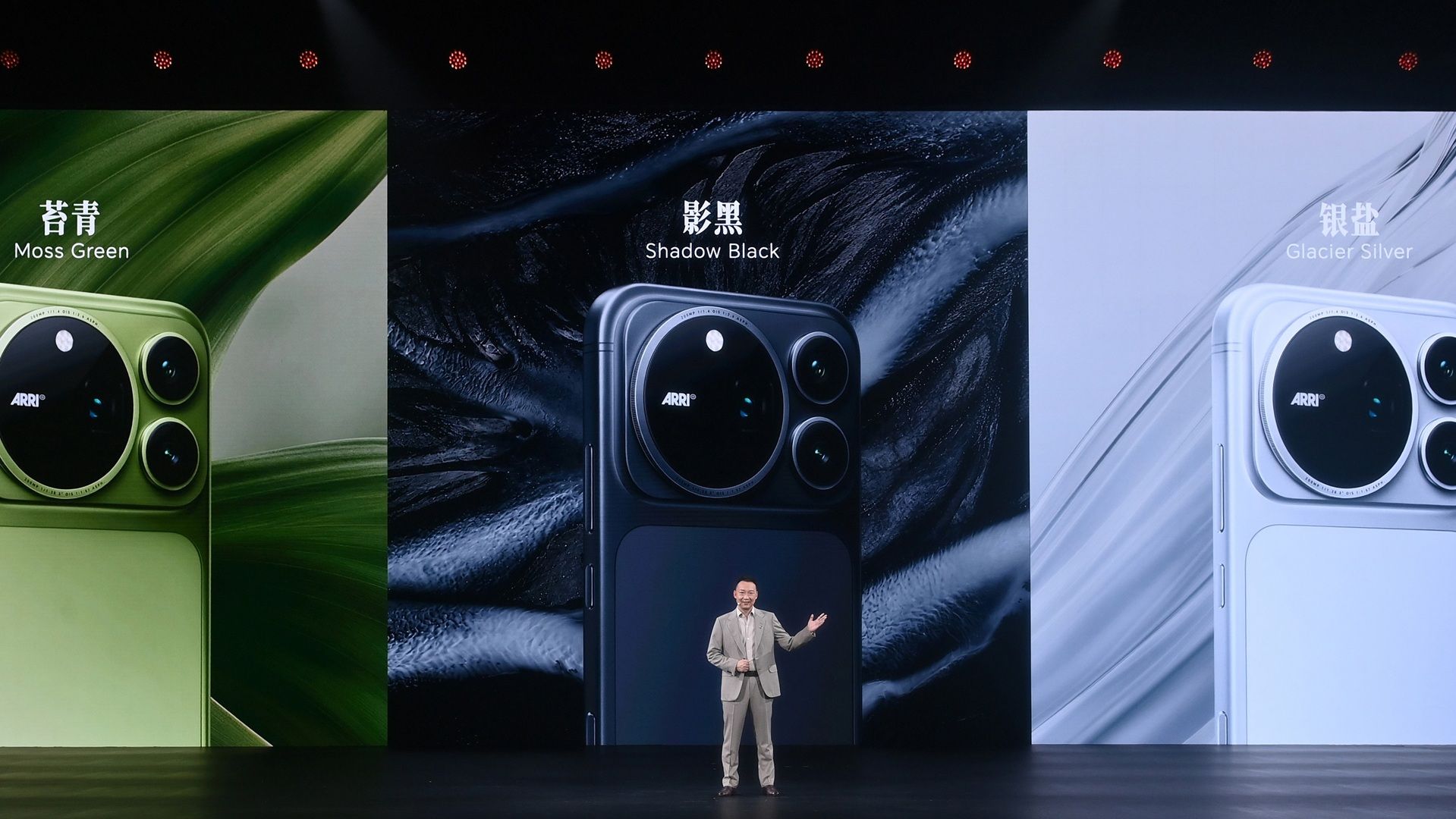
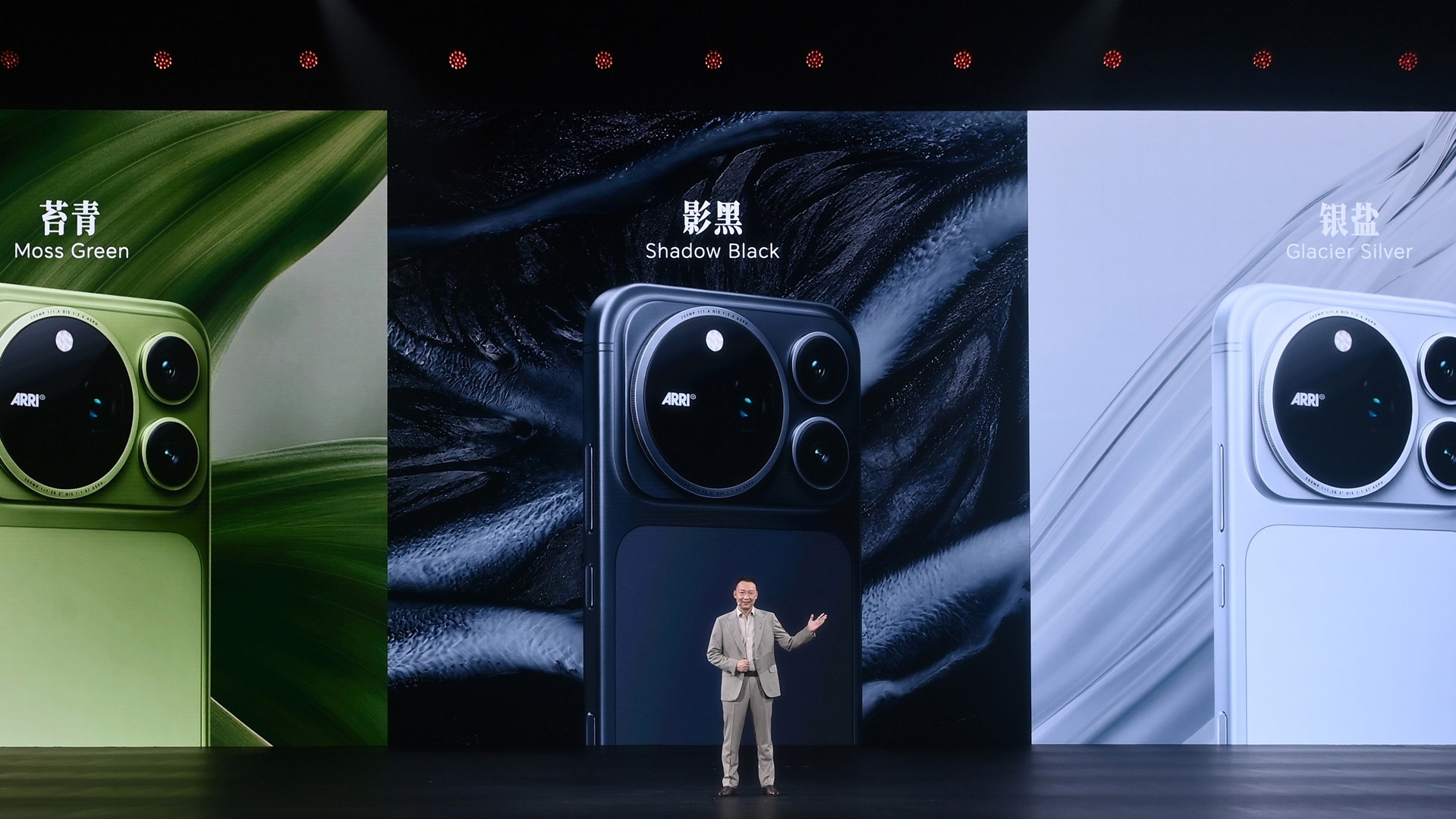
The recent launch of the Honor Magic 9 Pro Max served as a catalyst for this conversation. Debuting at the 83rd Venice International Film Festival, the device signaled a shift toward cinematic-grade photography—partnering with ARRI—but it also quietly showcased an 8,800mAh silicon-carbon battery. At the time, this was considered a feat of engineering, comfortably outperforming the standard 5,000mAh cells found in most flagship competitors.
The Digital Chat Station Leak
Earlier this week, the prolific industry leaker known as "Digital Chat Station" (DCS) ignited speculation by revealing that Honor’s internal testing labs are currently evaluating a battery capacity reaching the 15,000mAh threshold. Unlike previous rumors that often proved to be exaggerated, this information is framed within the context of Honor’s existing, proven silicon-carbon manufacturing process.
The "Week-Long" Ambition
Perhaps the most significant detail to emerge from these reports is the operational goal: a guaranteed seven-day battery life. While this will undoubtedly vary based on usage patterns—ranging from light communication to power-hungry gaming—the internal benchmarking suggests that Honor is designing this device to survive a standard week of moderate use without ever requiring a plug.
Supporting Context: The Science of Silicon-Carbon
To understand how Honor intends to pack 15,000mAh into a device that remains portable, one must look at the transition from traditional lithium-ion to silicon-carbon (Si/C) anodes.
Higher Density, Lower Volume
Traditional lithium-ion batteries hit a physical ceiling in terms of energy density. To increase capacity, manufacturers historically had to increase physical volume, leading to thicker, heavier phones. Honor’s silicon-carbon technology allows for a higher energy density, meaning more electrons can be stored in the same amount of space.
By replacing graphite anodes with silicon-carbon composites, Honor has effectively created a "thinner" energy storage solution. This is the "secret sauce" that allows the company to consider a 15,000mAh battery without turning the handset into an unmanageable brick.
The Precedent: Win RT 2
Critics of the rumor often point to the lack of precedent for such large batteries in mainstream devices. However, specialized hardware has already bridged this gap. The Win RT 2 gaming phone, which features a 12,070mAh battery, serves as a proof-of-concept that high-capacity cells can be integrated into handheld devices. Honor’s current testing, therefore, is not an impossible leap into the dark, but a refinement of existing high-density capabilities.
Metrics and Technical Challenges: The Balance of Power
The pursuit of a 15,000mAh battery is not without significant engineering hurdles. A battery of this size poses challenges in thermal management, charging speed, and structural integrity.
The Charging Paradox
If a battery is 15,000mAh, the traditional 100W wired charging speed—while impressive—would technically take significantly longer to reach a full charge compared to a standard 5,000mAh unit. Honor’s current lineup already utilizes 100W wired and 80W wireless SuperCharging. To make a 15,000mAh battery practical, Honor will likely need to refine its charging protocols or develop higher-wattage power delivery systems to prevent charge times from exceeding two or three hours.
Thermal Efficiency
Larger batteries generate more heat during discharge cycles, particularly under high-performance tasks like video rendering or mobile gaming. Honor’s engineers are reportedly focusing on "efficiency with low user demand," suggesting that the device’s operating system will play a crucial role in throttling background processes to maintain that "one-week" battery target. The integration of advanced AI-driven power management, which monitors app usage and network connectivity, will be essential to ensuring that the extra capacity is not wasted.
Official Statements and Corporate Strategy
Honor’s leadership has been vocal about its intention to lead the industry in "battery health and longevity." In a statement provided at the time of its previous battery roadmap disclosure, the company emphasized that it was prioritizing energy storage as a key differentiator.
"We are no longer competing just on megapixels or screen refresh rates," a company representative noted during a recent briefing. "The true luxury of a smartphone in the modern era is reliability. By moving away from the industry-standard 5,000mAh limit, we are removing the user’s anxiety entirely."
The company’s roadmap, which previously hinted at a progression from 7,000mAh to 8,000mAh and beyond, suggests that this current testing is part of a deliberate, multi-year strategy. Honor is not treating this as a niche "specialty" phone but as the logical next step for its flagship "Magic" series.
Future Outlook: The End of Battery Anxiety?
As we look toward the next generation of mobile hardware, the implications of a 15,000mAh battery extend far beyond simple convenience.
Impact on the Market
Should Honor successfully bring this technology to the mass market, it will force a reckoning among competitors like Samsung, Apple, and Google. If a consumer can choose between a phone that dies every night and one that thrives for a week, the market will inevitably shift toward the latter. We may see a sudden "battery arms race," where manufacturers finally stop chasing thinner dimensions at the expense of functionality and instead prioritize the massive energy requirements of modern AI-driven smartphones.
The Role of Artificial Intelligence
As mobile devices become more deeply integrated with on-device Large Language Models (LLMs) and real-time generative AI, power consumption is only set to increase. A 15,000mAh battery provides the "headroom" necessary to run these advanced features without compromising the phone’s primary function: staying powered.
Conclusion
Honor is currently walking a tightrope between innovation and physical limitation. The transition to a 15,000mAh capacity is a bold move that could redefine the "flagship" standard for the remainder of the decade. While the device is currently in the testing phase, the trajectory is clear: the era of the daily charge is nearing its end. Whether through superior silicon-carbon density or refined thermal efficiency, Honor is poised to deliver a device that gives users back their most precious commodity: time.
As we await further details, one thing remains certain: the mobile industry is finally waking up to the fact that power is the ultimate performance metric. Whether the 15,000mAh beast arrives as a limited-edition powerhouse or the new standard for the next Magic series, the message from Honor is clear—the future of the smartphone is built to last.