Executive Overview: The Dawn of the Ambient Intelligence Era
As the "Techtober" season draws to a close, Amazon has once again reshaped the landscape of consumer electronics. On October 29, the retail and technology titan unveiled a robust, sophisticated expansion of its Echo ecosystem, signaling a definitive shift toward what industry experts describe as "Ambient Intelligence."
The 2026 hardware refresh is not merely a collection of minor iterative updates; it represents a fundamental integration of advanced AI processing, localized smart home control, and sophisticated aesthetic design. From the newly intelligent Echo Dot to the high-performance Echo Show 16 and the artistic integration of the Alexa Photo Frame, Amazon is positioning itself to dominate the living space by making its AI, Alexa, less of a reactive tool and more of a proactive home orchestrator. This report examines the technical specifications, the strategic intent behind these releases, and what this wave of innovation means for the future of the interconnected home.
Detailed Chronology: The 2026 Product Suite
The Evolution of the Echo Dot
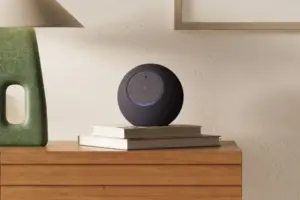
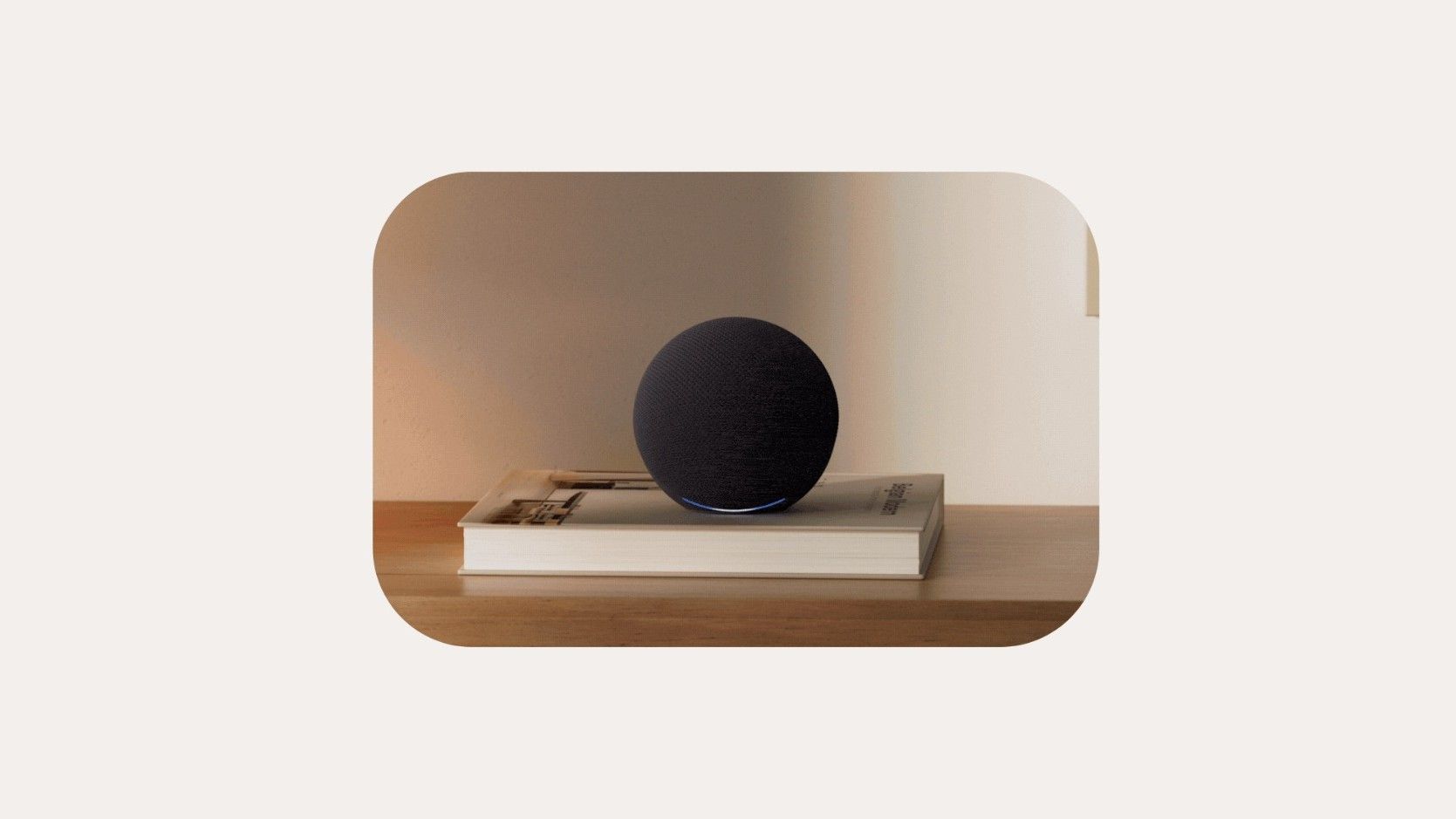
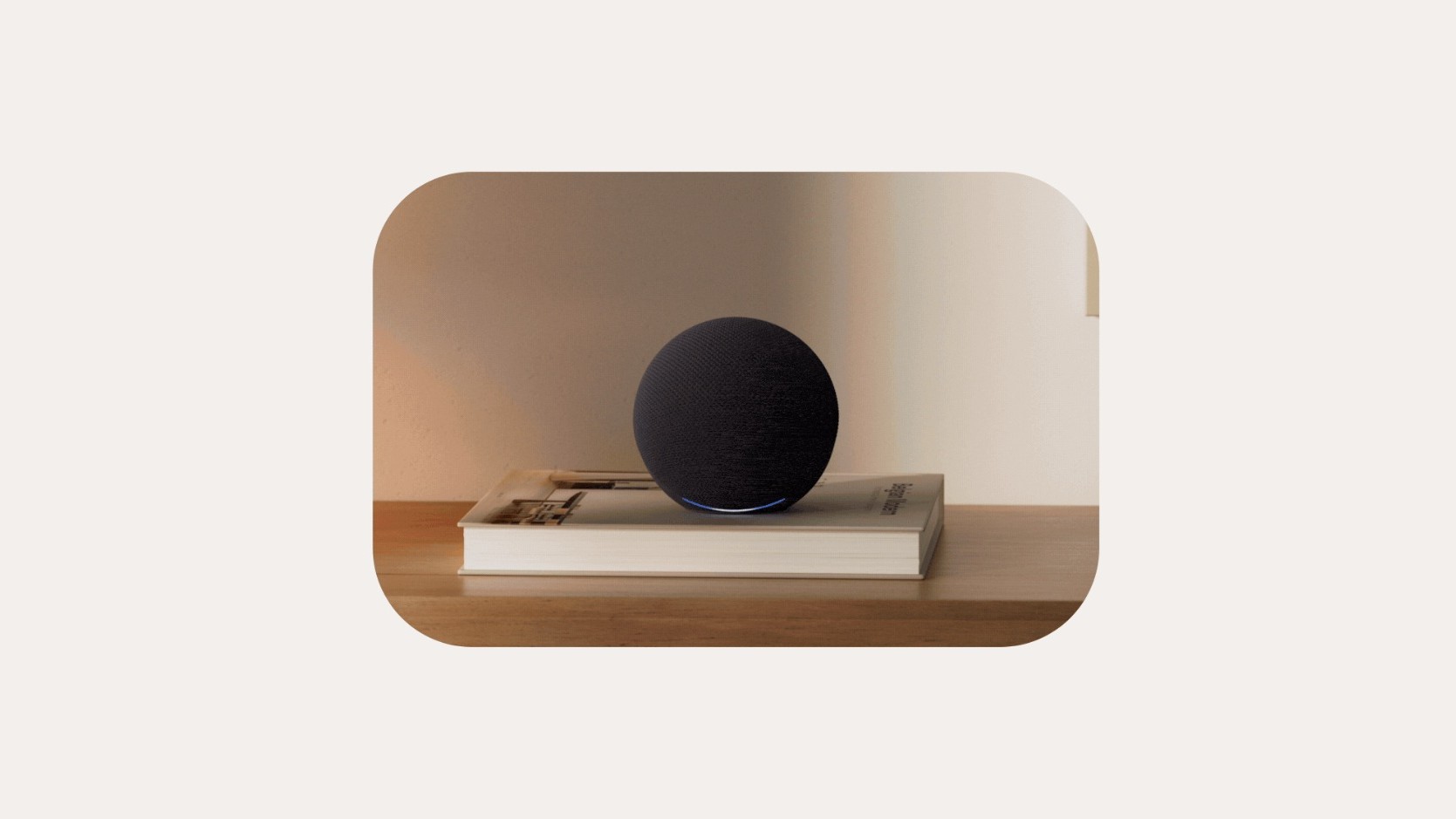
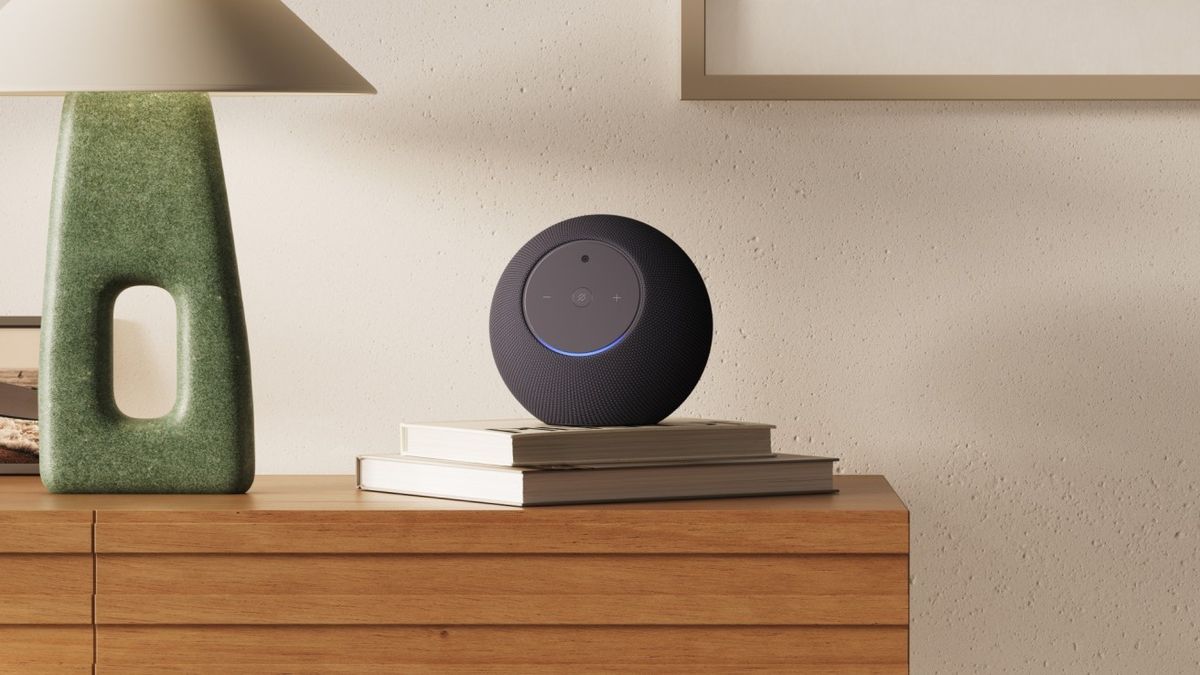
The entry-level cornerstone of Amazon’s lineup, the 2026 Echo Dot, has undergone a radical transformation. For the first time in the series’ history, the device features an integrated smart home hub. This eliminates the need for peripheral bridge devices, allowing the Dot to communicate natively with thousands of Matter-compatible peripherals—from smart lighting to complex security locks.
Beyond connectivity, Amazon has introduced an "AI Accelerator" chip. This dedicated silicon is designed to reduce latency, ensuring that Alexa’s responses are near-instantaneous. Coupled with a 50% increase in bass output and refined vocal clarity, the new Dot aims to bridge the gap between a budget smart speaker and a high-fidelity audio device. The standard model enters the market at $99, with a $109 Kids Edition that includes a one-year subscription to Amazon Kids+.
The Echo Studio: Monitoring and Fidelity
The Echo Studio remains the flagship for audiophiles within the Amazon ecosystem, but the 2026 iteration introduces a controversial yet highly functional addition: the House Camera. By integrating a high-fidelity camera into the speaker’s chassis, Amazon is positioning the Studio as both an entertainment hub and a security sentinel.
Featuring a high-excursion woofer and proprietary Dolby Atmos with Advanced Room Adaptation, the speaker intelligently adjusts its sound profile based on the geometry of the room. The camera allows users to check in on their living space remotely, with Amazon promising that future firmware updates will enable video calling capabilities, effectively turning the speaker into a communication portal. The device is priced at $249 and is currently shipping to consumers.
Echo Time: Precision Sleep Engineering
Amazon has expanded its "Omnisense" sleep-tracking technology to the new Echo Time. Designed as an intelligent bedside companion, the device utilizes non-contact sensors to monitor sleep cycles. The standout feature is its intelligent alarm system, which identifies "lighter sleep" windows to wake the user within a 10-to-60-minute buffer of their target time, theoretically reducing morning grogginess. The aesthetic has also been overhauled, offering a customizable digital clock face that mimics either classic analog timepieces or modern, minimalist interfaces. The Echo Time starts at $199, with the Kids model retailing at $209.
The Echo Show 16: The New Family Command Center
Perhaps the most ambitious device in the collection is the Echo Show 16. Amazon has dubbed this its "most powerful" smart display to date, featuring a 16-inch HD screen that is 40% thinner than its predecessor. The inclusion of a Nanomatte finish variant addresses a common consumer grievance: screen glare.
The software experience has been reimagined with "Screen Styles," allowing the device to serve as a dynamic family planner, meal coordinator, and central dashboard. The "Alexa Home Map" feature provides a visual, real-time representation of all connected devices, mapping them to their physical locations within the home. With an upgraded camera featuring a wider field of view and auto-framing technology, the Echo Show 16 acts as the ultimate hub for the modern, busy household.
Supporting Context & Metrics: Why Now?
The Shift Toward Proactive AI
The inclusion of the "AI Accelerator" in the Echo Dot is a direct response to consumer demands for lower latency. In the past, smart home commands were routed to the cloud, processed, and sent back—a process that often introduced a perceptible lag. By moving more of this processing to the edge (on-device), Amazon is not only improving speed but also enhancing user privacy, as sensitive voice data may require less cloud-side processing.
Strategic Hardware Diversification
The decision to introduce a dedicated Alexa Photo Frame ($199–$229) marks a strategic pivot into the "Lifestyle Tech" market. By focusing on design—offering Birch and Walnut wood finishes—Amazon is attempting to move away from the "gadget" aesthetic toward "home decor" integration. This is a critical metric for long-term adoption; devices that look like furniture are less likely to be unplugged or stored away.
Market Positioning
At $499.99 for the standard Echo Show 16 and $599 for the Nanomatte version, Amazon is clearly targeting a premium segment. However, the $100 pre-order discount suggests an aggressive customer acquisition strategy, aiming to place these high-margin devices in as many homes as possible during the critical holiday quarter.
Official Statements and Industry Impact
Amazon’s official release notes emphasize that these devices are designed to "understand the home" rather than just "respond to the user." By incorporating cameras into speakers (Echo Studio) and sleep-sensing into clocks (Echo Time), Amazon is betting on the idea that consumers are ready to trade a degree of privacy for a more seamless, automated living environment.
Industry analysts note that this rollout puts significant pressure on competitors like Google and Apple. While Google has been struggling with the integration of its Nest and Home divisions, Amazon’s unified "Alexa" ecosystem—now featuring hardware that is more robust and physically integrated into the home—presents a high barrier to entry for any competitor looking to challenge its market share.
Future Outlook: What Lies Ahead?
The 2026 lineup sets the stage for a future where the home itself acts as a single, unified computer. The "Alexa Home Map" is likely just the beginning; we can anticipate future iterations to include more advanced spatial awareness, where the home anticipates the user’s needs based on movement patterns and historical data.
Furthermore, the integration of Fire TV into these devices suggests that Amazon is working toward a "platform-agnostic" approach to entertainment. Whether you are using an Echo Show 16 or a dedicated television, the user interface will soon be uniform, powered by the same underlying AI.
As we look toward 2027 and beyond, the focus will undoubtedly shift toward "Agentic AI"—where the devices do not just wait for a command like "turn off the lights," but instead proactively manage the home’s security, energy consumption, and daily schedules with minimal human intervention. Amazon’s 2026 hardware is the necessary infrastructure for this transition, providing the cameras, sensors, and processing power required to make the "intelligent home" a reality.
The question remains: will the consumer base embrace this level of deep-home integration? If the initial response to the pre-order phase is any indication, the answer is a resounding yes. Amazon is not just selling hardware; it is selling the convenience of a home that finally feels like it is paying attention.