Executive Overview
In the world of consumer technology journalism, product testing usually involves a straightforward routine: unbox a device, wear it for a week or two during a few workouts, and write a review based on subjective impressions and standard metrics. But what happens when standard testing methodologies are thrown out the window in favor of an extreme, multi-device comparative trial?
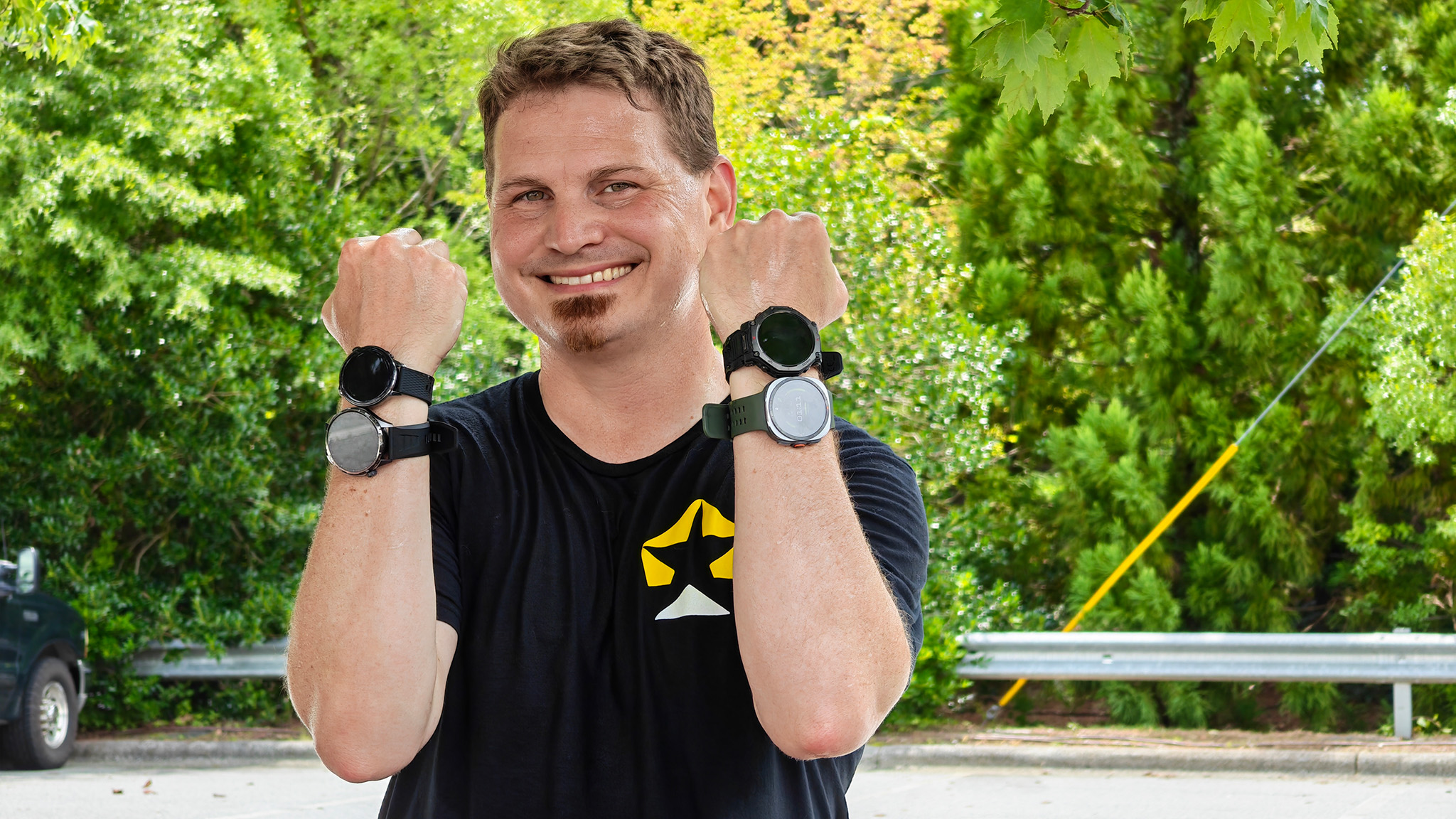
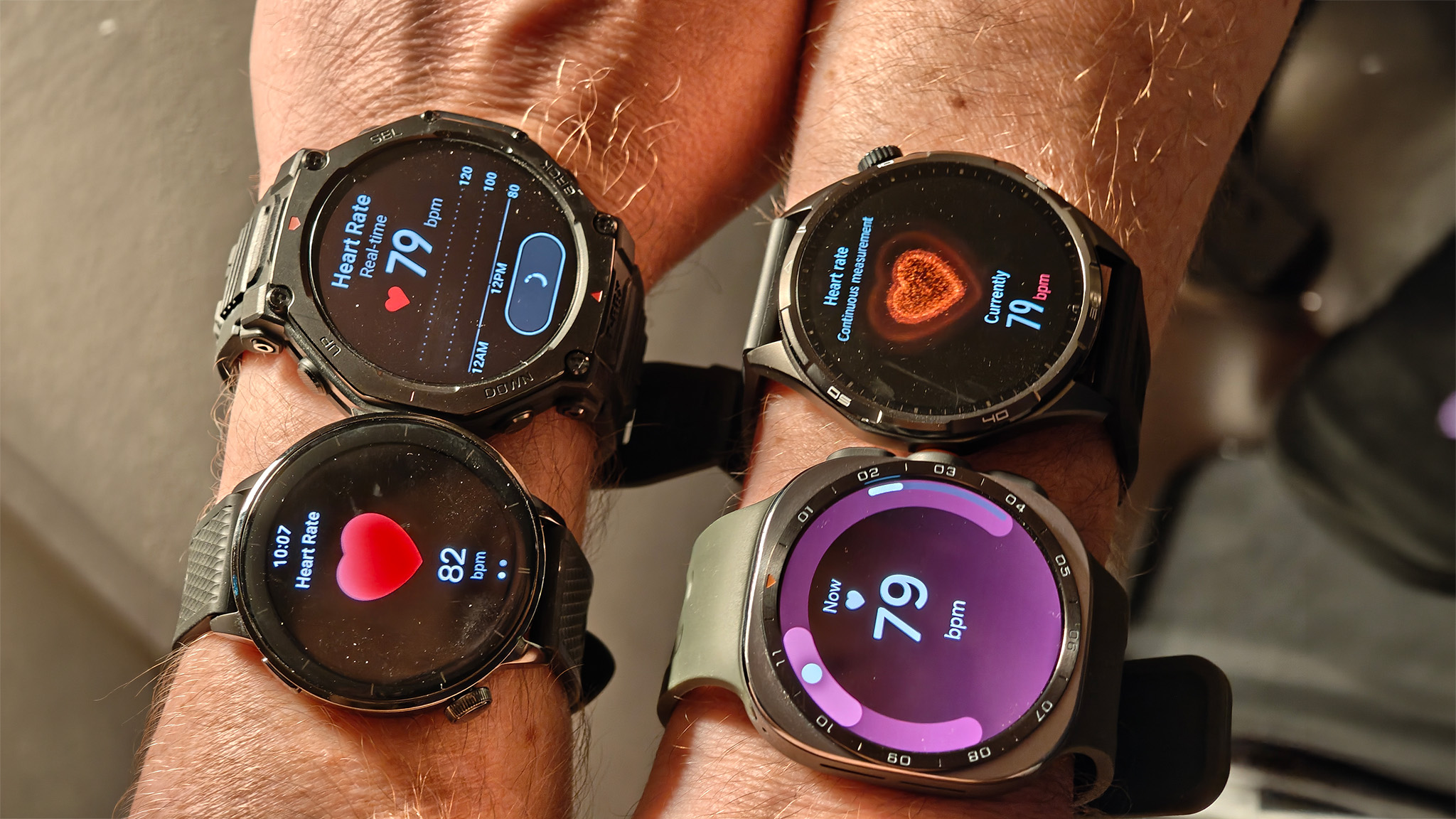
Recently, one intrepid tech reviewer decided to find out. Strapping four contemporary flagship and mid-tier smartwatches to his wrists simultaneously—the Samsung Galaxy Watch Ultra 2, the Amazfit T-Rex 3 Pro, the OnePlus Watch 3 (43mm), and the Honor Watch 6—he embarked on a grueling week-long experiment. The testing regimen was uncompromising, spanning consecutive nights of sleep tracking, daily half-marathon and Spartan training runs, and culminating in a punishing, mud-soaked 5K Spartan Race over the weekend.
The goal of this multi-device cage match was simple: cut through the marketing noise, evaluate the real-world accuracy of modern health and fitness tracking, and determine whether high-end smartwatches genuinely deliver on their complex biometric promises.
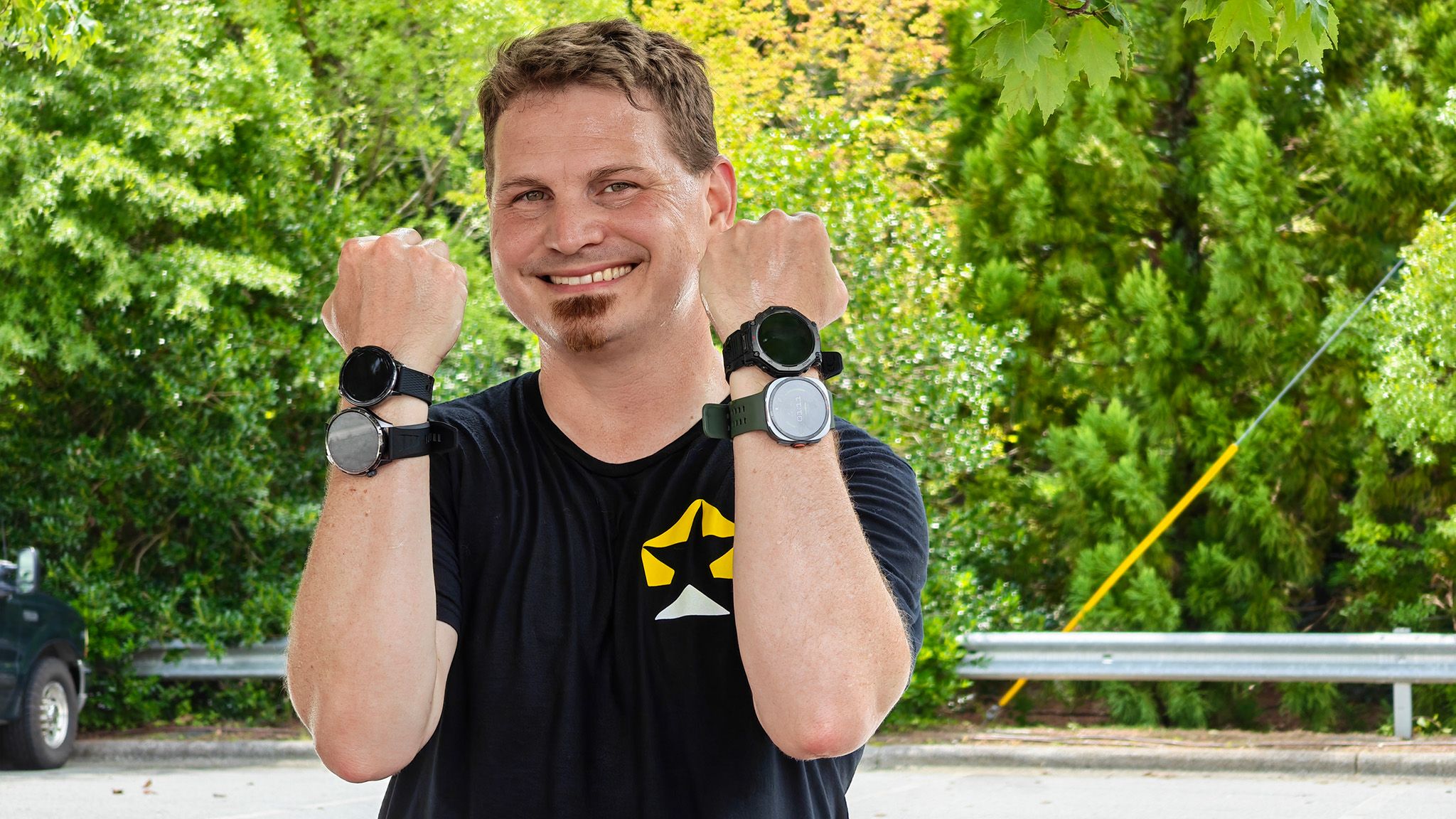
While wearing four smartwatches simultaneously might look absurd to a running coach—eliciting immediate laughter and questions about the occupational hazards of tech journalism—the results of this extreme test provide vital, money-saving insights for anyone in the market for a wearable device. Ultimately, the experiment exposed stark differences in algorithmic sensitivity, GPS mapping precision, and data reliability, crowning a definitive champion while revealing the distinct flaws of its heavyweight competitors.
Detailed Chronology: A Week on Four Wrists
To truly understand how these four devices stack up, the testing period was broken down into three distinct phases: baseline recovery (sleep tracking), structured endurance training, and high-intensity obstacle racing.
Phase 1: The Nightly Recovery Test (Sleep Tracking)
While the reviewer jokingly noted he would never recommend sleeping with a quad-wrist setup on a regular night, enduring a night with four smartwatches attached provided a fascinating side-by-side analysis of sleep science algorithms.
Most modern smartwatches track the same fundamental parameters—total sleep time, REM cycles, deep sleep, and light sleep. However, the interpretation of this data varied wildly across ecosystems:
- Samsung Galaxy Watch Ultra 2: Equipped with advanced sensors, the Samsung wearable monitored skin temperature against a two-week baseline, providing deep environmental and physiological context. However, it proved hyper-sensitive to restless movement, logging an unbelievable 18 periods of wakefulness totaling 52 minutes—a metric that did not align with the tester’s actual subjective memory of the night.
- Honor Watch 6: The Honor wearable offered the most superficial data breakdown. Rather than giving users raw, granular insights to dive into, it grouped metrics into generalized percentages and glanceable "normal," "high," and "low" ranges. While user-friendly for beginners, it lacked depth.
- OnePlus Watch 3 (43mm): Offering a middle-ground approach, the OnePlus device displayed clean data charts but omitted crucial advanced metrics like blood oxygen (SpO2) saturation and detailed breathing quality scores.
- Amazfit T-Rex 3 Pro: Striking the best balance of realism and data depth, the Amazfit device logged 9 wakeful periods (totaling 38 minutes) and assigned a dismal 54 sleep score. Crucially, that low score matched how the tester actually felt upon waking up, proving more accurate than Samsung’s overly generous 72 score.
Phase 2: Structured Training Runs and GPS Discrepancies
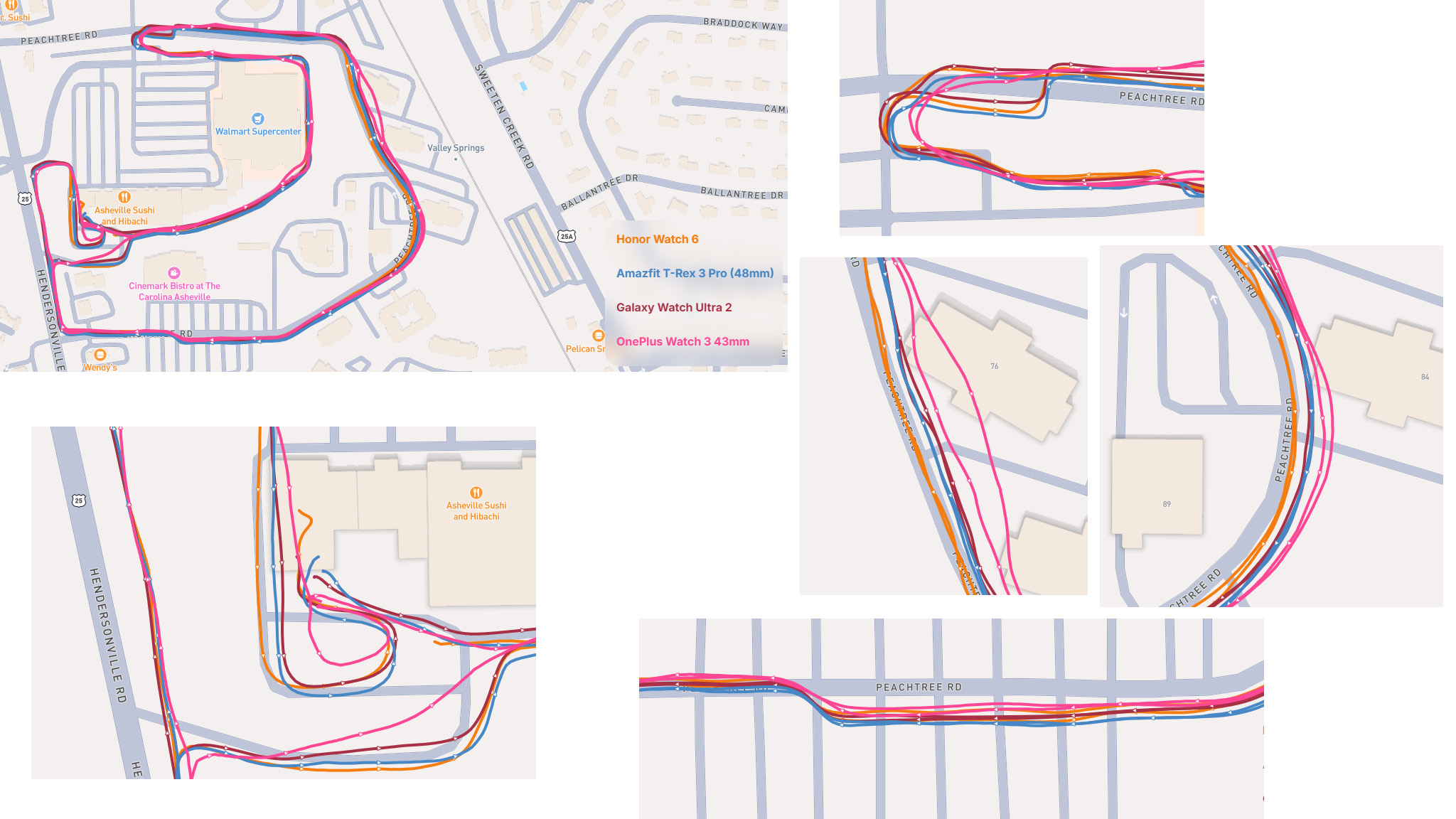
Transitioning from the bedroom to the pavement, the four watches were put through rigorous training sessions leading up to a Spartan Beast preparation program. Utilizing a standard 2.5-mile loop around a commercial park featuring dense tree cover and urban infrastructure, the devices were tested for GPS mapping integrity, pace accuracy, and heart rate tracking.
When viewed from a distance, the GPS maps appeared remarkably similar. But zooming in on specific segments revealed telling discrepancies:
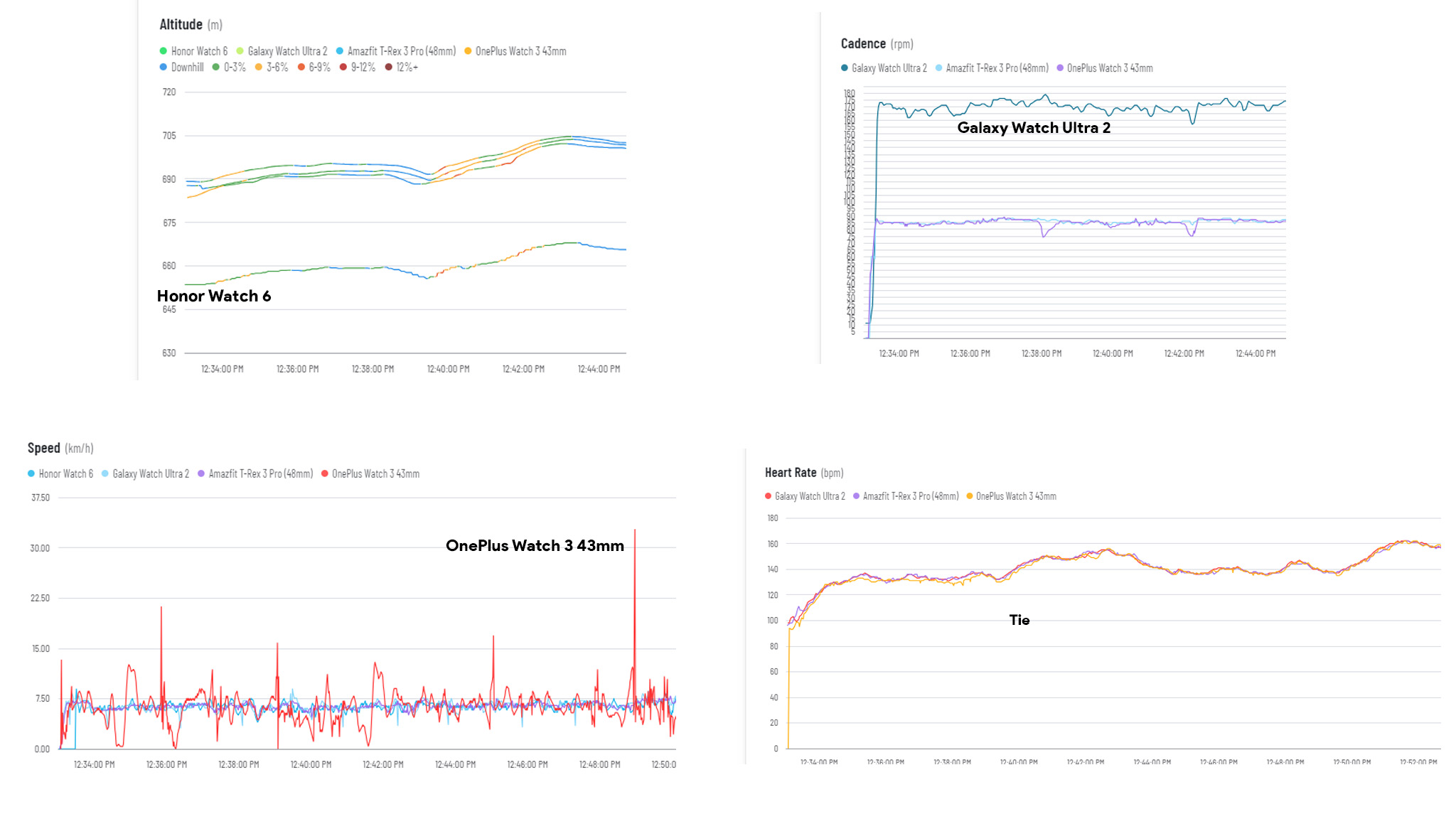
- The OnePlus Watch 3 (43mm) proved to be the least accurate of the group, suffering from unexpected spikes and dips in speed caused by localized GPS drift.
- The Honor Watch 6 performed well overall, but struggled under heavy tree cover, mapping the runner out onto active roadways rather than staying true to the sidewalk.
- The Samsung Galaxy Watch Ultra 2 and Amazfit T-Rex 3 Pro tied for first place in raw GPS precision, tightly hugging the runner’s actual physical path even through environmental bottlenecks.
However, a deeper dive into secondary metrics highlighted recurring algorithmic anomalies. The Honor Watch 6 completely misinterpreted elevation data, while the Samsung Galaxy Watch Ultra 2 fumbled cadence measurements during specific intervals. Meanwhile, the Amazfit T-Rex 3 Pro maintained unblemished consistency, avoiding outlier status across every single biometric category.
Phase 3: The Muddy 5K Spartan Race Finale
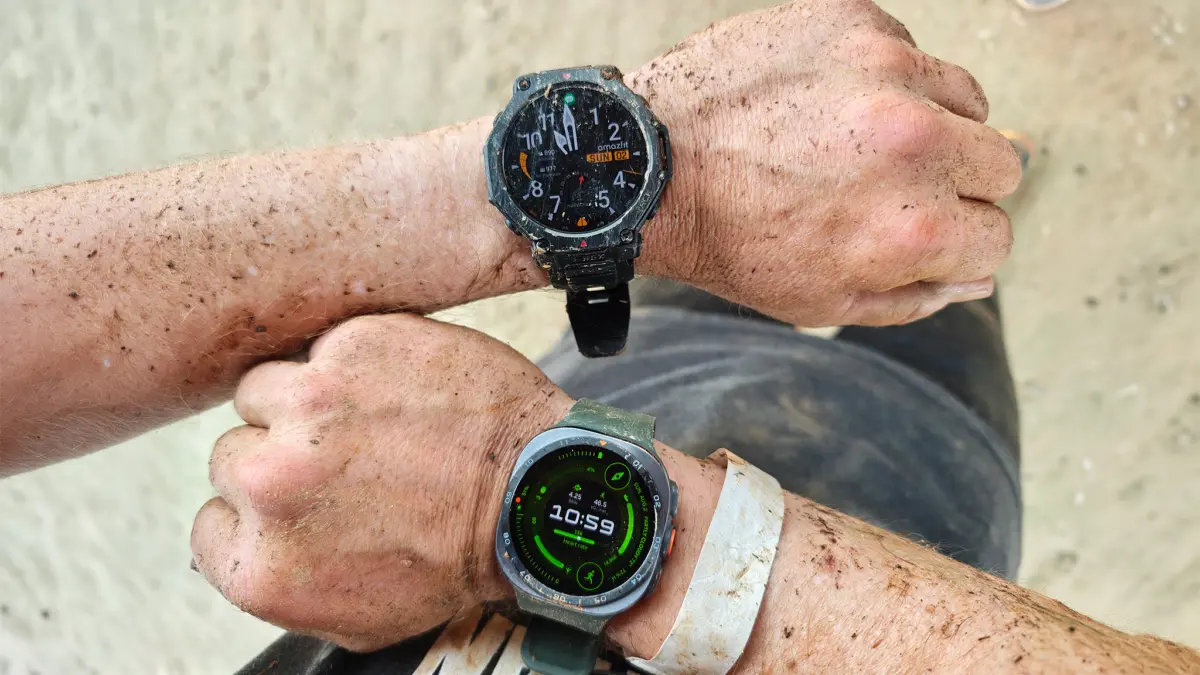
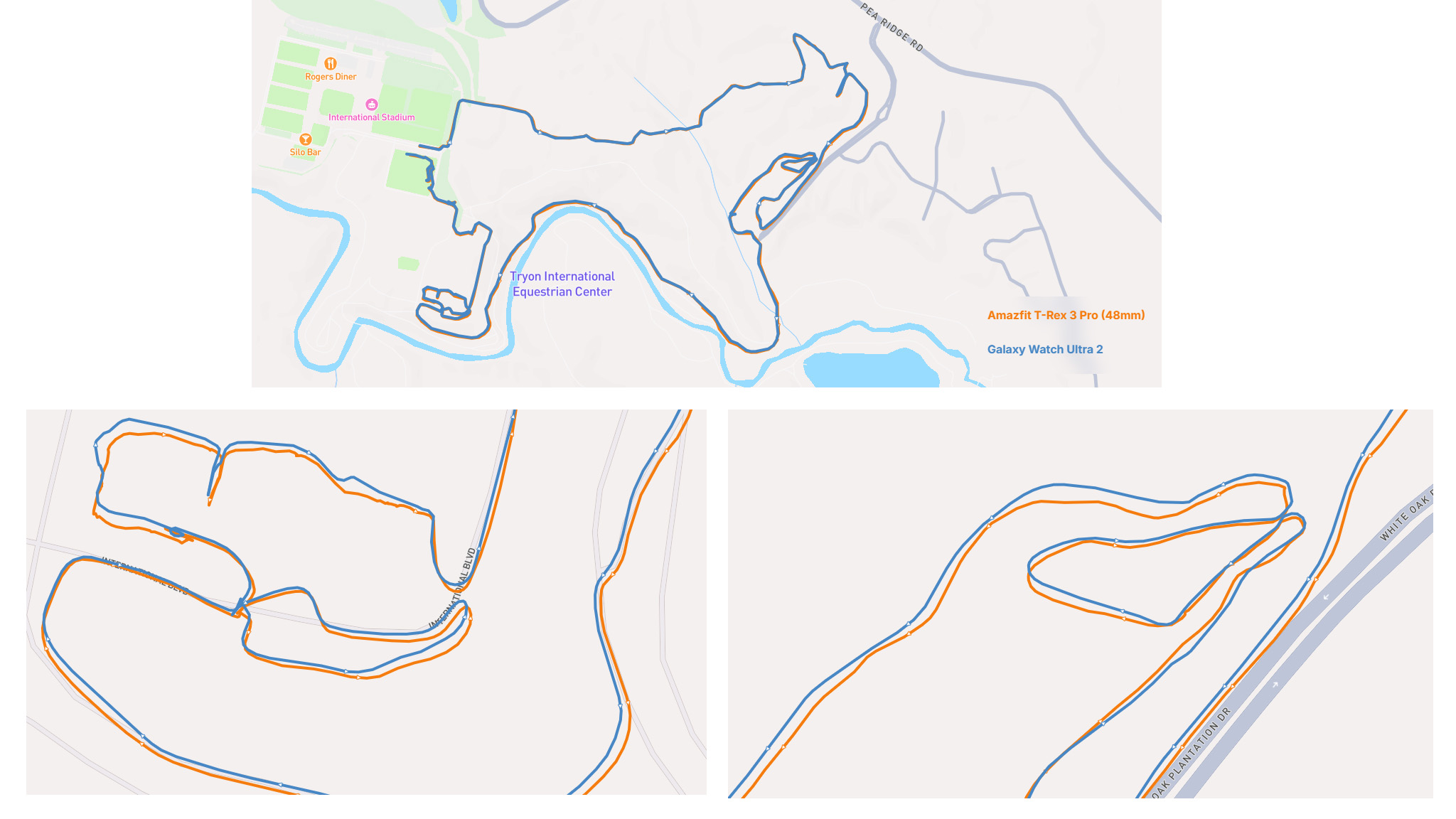
As the weekend arrived, the ultimate test loomed: a chaotic, highly congested, and deeply muddy 5K Spartan Race. Because race regulations required RFID timing bracelets and physical wrist bands, the tester was forced to downsize his wearable arsenal to the top two contenders: the Samsung Galaxy Watch Ultra 2 and the Amazfit T-Rex 3 Pro.
While the GPS tracking across both high-end devices remained neck-and-neck through the rugged trail course, the divergence in workout metrics during obstacle bottlenecks was staggering.
The Spartan Race featured heavy foot traffic and massive mud pits, forcing competitors to wait in line at various obstacles. The Amazfit T-Rex 3 Pro correctly registered periods of zero movement while the wearer stood idle in lines. The Samsung Galaxy Watch Ultra 2, however, failed to recognize these stationary pauses, incorrectly tracking phantom cadence during moments of complete stillness. Furthermore, the Samsung wearable suffered from sudden heart rate drop-outs—registering artificially low pulses at critical moments and completely failing to log data during a multi-minute window between 10:46 and 10:50 AM.
These glaring tracking failures cemented the Amazfit T-Rex 3 Pro as the definitive victor of the weekend showdown.
Supporting Context & Metrics
To provide a comprehensive overview of how these devices compare across clinical and fitness parameters, the following aggregate metrics were recorded during the testing phase:
| Metric Category | Samsung Galaxy Watch Ultra 2 | Honor Watch 6 | Amazfit T-Rex 3 Pro | OnePlus Watch 3 (43mm) |
|---|---|---|---|---|
| Average Sleep Score | 72 (Generous) | 77 (High-level ranges) | 54 (Most realistic) | 70 (Moderate) |
| GPS Tracking Accuracy | Excellent (Tied 1st) | Good (Minor tree-cover drift) | Excellent (Tied 1st) | Fair (Notable speed spikes) |
| Heart Rate Reliability | Subject to occasional drop-outs | Consistent baseline | Flawless tracking | Consistent baseline |
| Cadence & In-Line Tracking | Failed to log stationary wait times | N/A (Not raced) | Accurately logged stationary pauses | N/A (Not raced) |
| Companion App Ecosystem | Rich, but heavily siloed | Basic, limited deep-dives | Exceptional (AI-powered, great UI) | Clean, but feature-light |
The Software Factor: Beyond the Hardware
Hardware sensors are only half the battle in modern wearables; the companion application acts as the neural network interpreting the data.
While Samsung and OnePlus offer robust ecosystems tightly integrated with their respective smartphone lineups, the Zepp app powering the Amazfit ecosystem emerged as an industry standout. Featuring a clean user interface, deep historical analytics, and innovative integrations (such as AI-powered food and fitness logging), it operates smoothly without forcing users into aggressive paywalls unless they explicitly desire hyper-niche AI coaching insights.
Future Outlook: What This Means for Smartwatch Buyers
The results of this extreme four-watch experiment challenge the prevailing industry narrative that simply spending more money guarantees absolute accuracy. While flagship devices like the Samsung Galaxy Watch Ultra 2 offer incredible build quality, bright displays, and advanced micro-sensors (such as skin temperature monitoring), they are still susceptible to algorithmic software hiccups—particularly in extreme environments like obstacle races or during erratic movement patterns.
For casual users who prioritize smart notifications, lifestyle tracking, and basic health overviews, mainstream smartwatches from major smartphone manufacturers remain perfectly viable. However, for endurance athletes, trail runners, and obstacle course racers who demand uncompromising biometric reliability, rugged durability, and precision data handling, specialized sports-focused ecosystems continue to hold a distinct competitive edge.
As wearable manufacturers look toward the future, this test serves as a crucial reminder: raw sensor hardware is only as good as the software algorithms translating movement into data. Until tech giants refine their cadence and rest-interval recognition algorithms, rugged outdoor specialists like Amazfit will continue to lead the pack when the pavement ends and the real test begins.