Executive Overview: A Paradigm Shift in Consumption
The landscape of digital entertainment is undergoing a profound transformation. As streaming services transition from mere content repositories into comprehensive "entertainment platforms," the battle for user attention has intensified. This week, NBCUniversal unveiled its most significant redesign of the Peacock mobile application to date. By integrating vertical short-form video, AI-driven search capabilities, and dedicated community hubs, Peacock is signaling a departure from the traditional, passive "lean-back" viewing experience toward an active, engagement-heavy digital ecosystem.
This strategic pivot reflects a broader industry trend: the "TikTok-ification" of streaming interfaces. As younger demographics prioritize rapid discovery and interactive community features, legacy streamers like Peacock are betting that by mirroring the addictive nature of social media, they can effectively combat churn and increase the daily time users spend within their ecosystem. However, this shift raises critical questions regarding user experience (UX) design, the ethics of algorithmic engagement, and whether these features truly assist discovery or merely facilitate endless, unproductive screen time.
Detailed Chronology: From Static Library to Dynamic Feed
The rollout, announced on November 11, marks the beginning of a phased deployment that is scheduled to continue through 2027. This is not a sudden, overnight update but a calculated, long-term technological roadmap designed to modernize the NBCUniversal streaming stack.
Phase 1: The Integration of Verticality
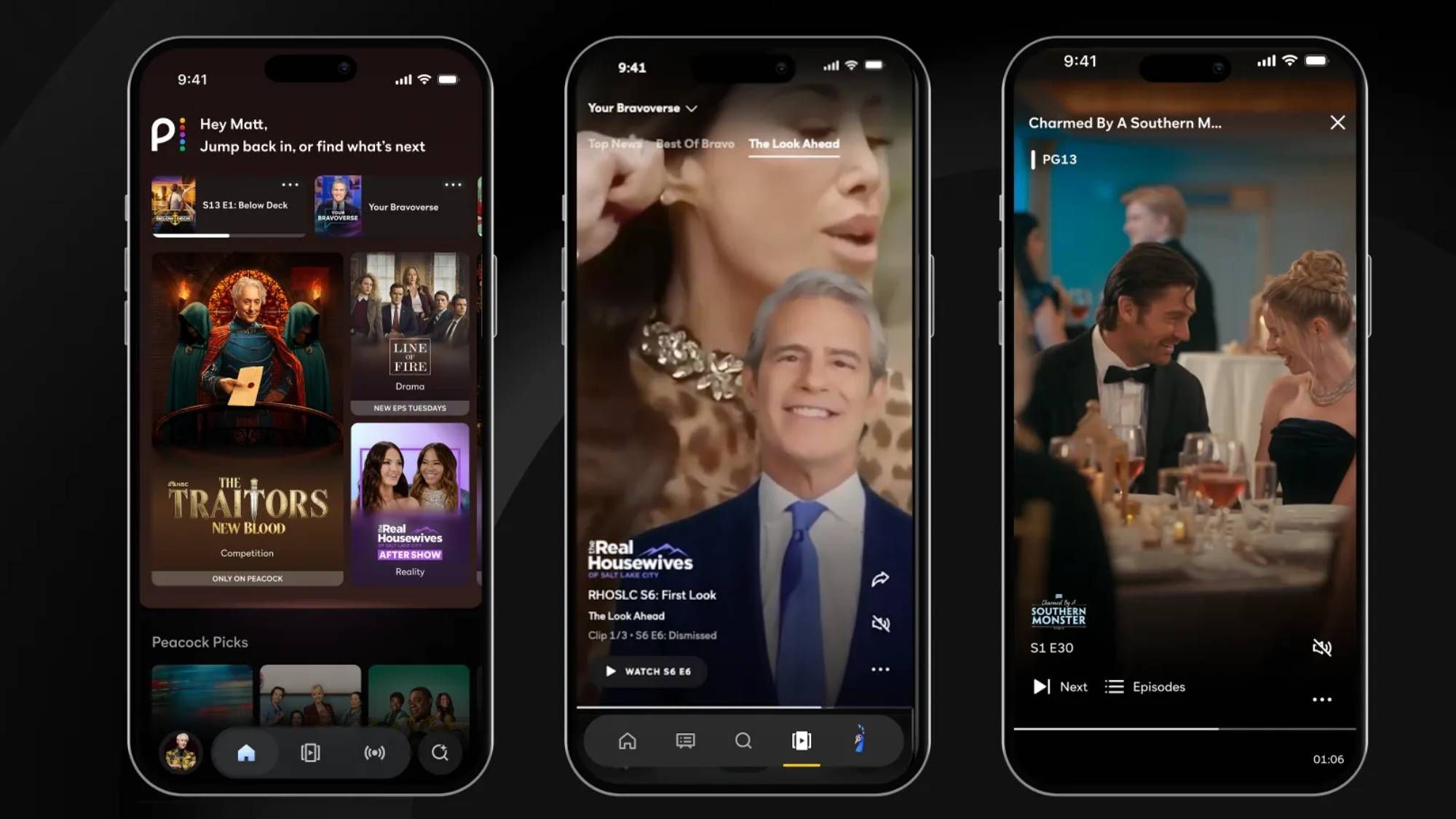
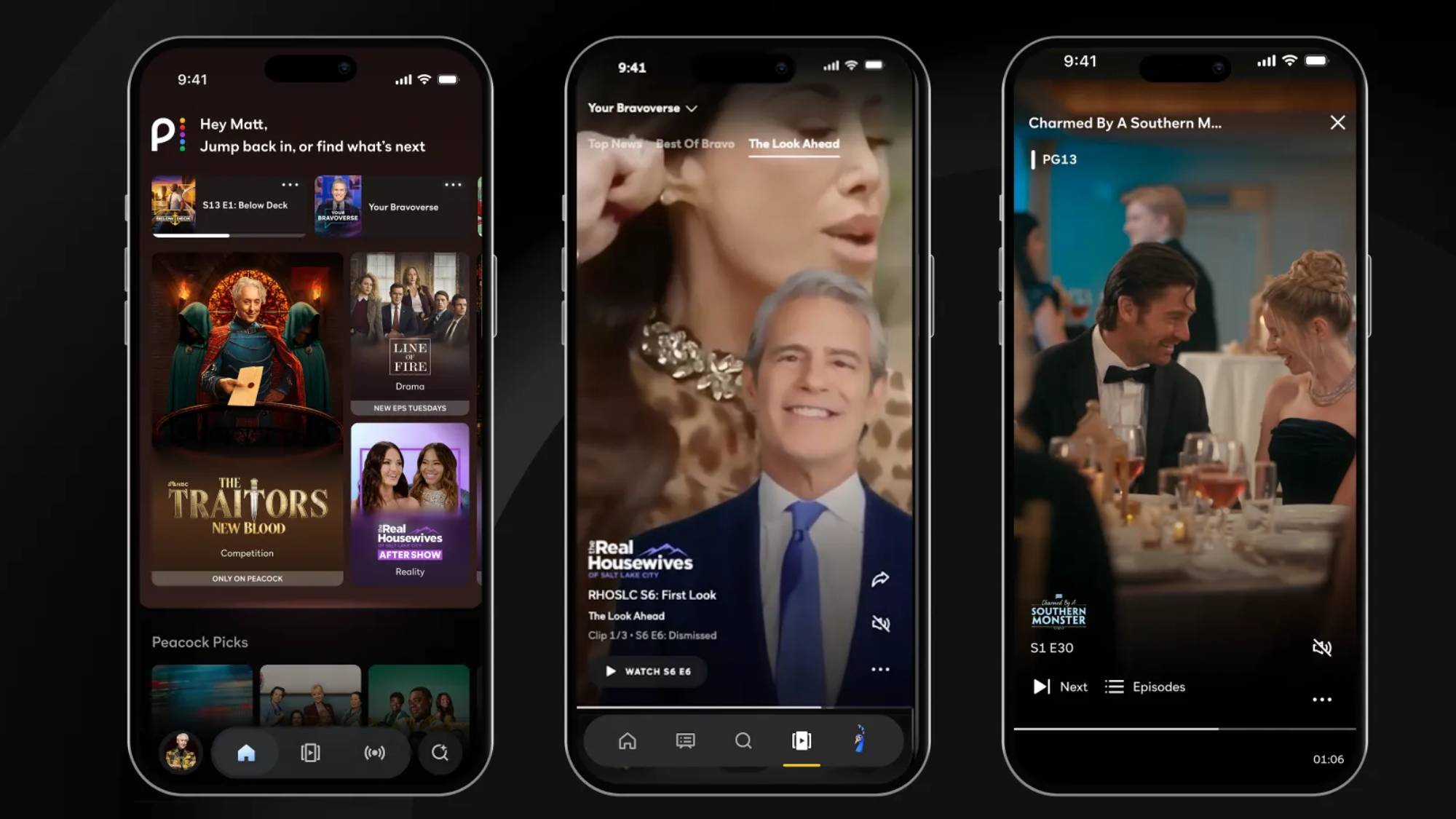
The most immediate change is the introduction of a "Clips Feed." Borrowing a page from the playbook of industry leaders like Netflix and TikTok, Peacock is introducing vertical-video scrolling. Historically, streaming apps were designed for the "ten-foot experience"—the living room TV. By acknowledging that a significant percentage of consumption now occurs on mobile devices, Peacock is decoupling its mobile UI from its television counterpart. This feed is designed to serve as a discovery engine, allowing users to swipe through bite-sized clips of sports highlights, reality show drama, and cinematic trailers, bypassing the often-tedious process of browsing static category rows.
Phase 2: Community and Franchise Hubs
Launching alongside the video feeds are the "Franchise Hubs." These are curated digital spaces dedicated to specific intellectual properties, such as The Traitors, Love Island USA, and the Minions franchise. These hubs function as micro-social networks, offering not just episodes, but podcasts, interactive games, and live updates. This represents a shift from "viewing" to "participating," aiming to transform casual viewers into "superfans" who remain tethered to the app even when they aren’t actively streaming a full-length feature.
Phase 3: The AI Integration
Perhaps the most sophisticated layer of this overhaul is the integration of Conversational AI search. Moving beyond the traditional keyword-based search—which often requires the user to know exactly what they are looking for—Peacock’s new search function acts as a digital concierge. Users can describe their mood, specific themes, or even vague plot points, and the AI will synthesize a list of recommendations, allowing the user to refine the results through natural language conversation.
Supporting Context & Metrics: The "Engagement Economy"
To understand why Peacock is taking this path, one must look at the current state of the "Engagement Economy." Streaming services have reached a saturation point in many markets, making the acquisition of new subscribers more expensive than ever. Consequently, the focus has shifted from subscriber acquisition to "subscriber retention" and "average revenue per user" (ARPU).
The Metrics of Retention
Industry analysts have long noted that "time-in-app" is the primary metric for modern streaming platforms. When a user opens an app, the goal is to prevent them from closing it. Traditional interfaces often leave users paralyzed by choice—the "Paradox of Choice"—leading to exit behavior. By introducing a vertical feed, Peacock is effectively "doing the work" for the user, pushing content directly to them.
Comparing the Ecosystems
Peacock is not operating in a vacuum. The industry is currently divided into two schools of thought:
- The Utility Model: Platforms like Apple TV+ have historically prioritized a clean, minimalist UI, focusing on the content itself without much noise or social-adjacent features.
- The Engagement Model: Platforms like Spotify, Netflix, and now Peacock, are embracing the "feed" as a central component of their architecture.
While the Engagement Model is undeniably effective at increasing session length, critics argue that it prioritizes quantity of time over quality of experience. When social media design patterns are applied to prestige cinema or high-budget sports, there is a risk of commodifying the content, turning a two-hour film into a series of disposable "moments."
Official Statements: The Vision for "Deeper Fandom"
The rationale behind this overhaul, as articulated by NBCUniversal leadership, centers on the concept of "fandom." Jim Denney, Chief Product Officer of Global Streaming & NBCUniversal Media Group, stated:
"Our ambition is for Peacock to be more than a place to watch. With this new mobile experience, we’re evolving Peacock into an entertainment platform that gives fans more ways to discover, participate, and strengthen their connection to their favorite stories, teams, and franchises, turning viewing into deeper engagement and lasting fandom and loyalty."
This statement confirms that the company views the traditional "library" model as obsolete. The goal is to create a sense of community around the IP. If a user is a fan of The Traitors, they shouldn’t have to leave the Peacock app to discuss the episode on Reddit or watch behind-the-scenes clips on YouTube. By keeping the conversation and the supplemental content within the app, Peacock creates a "walled garden" that increases the perceived value of the subscription.
Future Outlook: The Challenges Ahead
As Peacock begins this multi-year rollout, several challenges loom on the horizon.
The UX Dilemma
The biggest risk for Peacock is "feature creep." As apps add more layers—games, clips, social hubs, AI bots—they risk becoming bloated and difficult to navigate. A user who simply wants to watch the next episode of a sitcom may find the new, high-energy interface overwhelming. Success will depend on the company’s ability to maintain a distinction between "discovery" features and "playback" features. If the app becomes too noisy, it may alienate the core demographic that values simplicity and high-quality streaming above all else.
The "Doom-Scrolling" Backlash
There is a growing movement among tech-savvy consumers toward "digital minimalism." Users are increasingly aware of how algorithmic feeds are designed to manipulate their dopamine receptors to keep them glued to their screens. If Peacock’s new interface is perceived as a "doom-scrolling" machine rather than a curated discovery tool, it could face a negative backlash. The company will need to balance its goal of increased engagement with the user’s need for a frictionless, stress-free entertainment experience.
AI Accuracy and Trust
The introduction of conversational AI also carries risks. AI models can hallucinate or offer biased recommendations. To succeed, the search function must be more than a gimmick; it must provide genuinely insightful curation that reflects the user’s taste, rather than simply pushing the latest high-budget original content that the platform is prioritizing for marketing purposes.
Conclusion
Peacock’s mobile overhaul is a bold, albeit polarizing, step into the future of digital media. By betting on the fusion of short-form video, community engagement, and AI-driven discovery, NBCUniversal is positioning Peacock as a comprehensive entertainment destination. Whether this strategy will lead to long-term "fandom and loyalty" or merely result in a cluttered interface remains to be seen. As the rollout continues through 2027, the platform will be closely watched by competitors and consumers alike, serving as a litmus test for whether the "TikTok-ification" of premium streaming is the future of the industry or a temporary fad that will eventually give way to a return to simplicity.
One thing is certain: the era of the passive, static streaming library has come to an end. The new era is loud, interactive, and, for better or worse, always hungry for your attention.