Executive Overview: The Dawn of a Premium-First Era
The smartphone industry stands on the precipice of a significant paradigm shift as Samsung Electronics prepares for its 2027 product cycle. According to recent reports from supply chain insiders, the South Korean tech giant is orchestrating a fundamental overhaul of its flagship strategy. Moving away from the traditional three-tier structure that has defined the Galaxy S-series for years, Samsung is poised to introduce a fourth variant: the Galaxy S27 Pro.
This decision is not merely about adding another SKU to the lineup; it is a calculated bet on the premium smartphone market. By heavily prioritizing the "Pro" and "Ultra" models, Samsung is signaling a departure from volume-chasing in the mid-range and entry-level segments, choosing instead to consolidate its influence at the top of the price ladder. With industry projections suggesting that over 70% of total S27 production will be dedicated to these two high-end devices, the message is clear: Samsung believes the future of the Android ecosystem lies in premium, feature-rich hardware that challenges the dominance of Apple’s iPhone lineup.
Detailed Chronology: How the S27 Lineup Evolved
The trajectory leading to the Galaxy S27 launch has been one of gradual refinement followed by sudden, aggressive expansion. For years, the "Ultra" moniker served as the sole beacon for power users, offering the S Pen, advanced camera arrays, and top-tier silicon. However, consumer demand has shifted. Market data suggests that users are increasingly willing to pay a premium for "Pro" features—such as enhanced display technology and superior processing power—without necessarily requiring the bulky form factor or the stylus integration of an Ultra device.
The Four Pillars of the S27 Series
- Galaxy S27 (Standard): Designed for the mass market, balancing core Samsung DNA with affordability.
- Galaxy S27 Plus: A larger screen alternative for those who don’t need the extreme capabilities of the premium tiers.
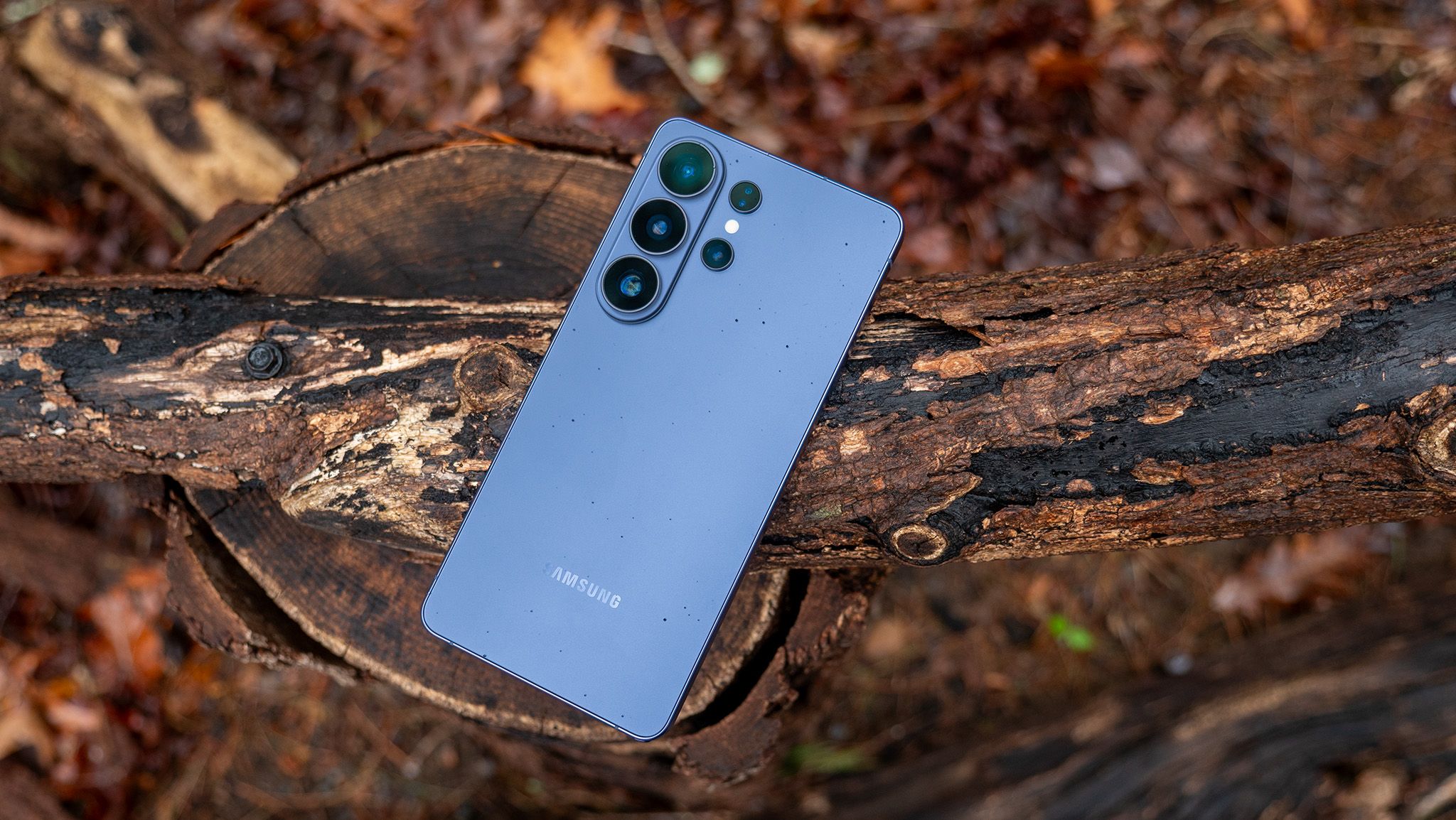
- Galaxy S27 Pro: The newcomer. Positioned as a bridge, it offers a compact, high-performance experience that borrows premium display and camera technology from the Ultra while maintaining a more ergonomic footprint.
- Galaxy S27 Ultra: The undisputed flagship, maintaining the S Pen, industry-leading zoom capabilities, and the most robust internal specifications.
The inclusion of the "Pro" model is the most significant development in this roadmap. By filling the void between the Plus and the Ultra, Samsung is effectively attempting to capture a segment of the market that has felt "left behind"—those who want top-tier performance but dislike the sheer size and cost of the Ultra.
Supporting Context & Metrics: The Mathematics of Ambition
The production numbers revealed by ET News provide a fascinating look into Samsung’s internal forecasting. With a total production target of approximately 35 million units, the distribution of labor and resources is heavily skewed toward the high-end.
Production Breakdown Analysis
- The Ultra Dominance: The Galaxy S27 Ultra is slated for a massive 18 million units. This reflects a continued confidence in the brand’s ability to move high-margin devices, mirroring the performance of the S26 Ultra.
- The Pro Experiment: With 7 to 8 million units planned for the S27 Pro, Samsung is clearly banking on significant consumer adoption. This suggests they expect the Pro to cannibalize sales from the lower-end models, effectively shifting their user base toward more expensive handsets.
- The S27 and S27 Plus Marginalization: The remaining 9 to 10 million units represent a marked decrease in focus on the entry-level flagship experience. This is a strategic retreat from the "affordable flagship" space, potentially leaving that market open to aggressive competition from Chinese OEMs, while Samsung secures the high-profit premium market.
Compared to previous years, where the Ultra accounted for roughly 50% of production, the combined 25-26 million unit allocation for the Pro and Ultra represents a significant "premium pivot." This shift is designed to protect profit margins against a backdrop of rising component costs and a slowing global smartphone replacement cycle.
Examining the Tech: Why the "Pro" Model Matters
The inclusion of features like the "Privacy Display"—a technology previously reserved for the most expensive units—highlights why the S27 Pro is a critical component of this strategy. By trickling down features from the Ultra to the Pro, Samsung creates a more compelling value proposition for the mid-tier buyer.
However, the absence of the S Pen in the Pro model is a deliberate differentiator. It keeps the "Ultra" unique and ensures that the power-user segment remains incentivized to purchase the top-tier device. The design philosophy here is one of "premium compactness." Many users have voiced fatigue regarding the "phablet" trend; the S27 Pro is the direct answer to those complaints.
Official Strategy and Market Positioning
While Samsung has yet to release a formal press statement regarding the internal production ratios of the S27, their recent investor relations briefings have consistently emphasized a "Premiumization Strategy." The success of the Galaxy Z Fold 8 against the iPhone market has emboldened leadership to double down on hardware that offers a distinct "prestige" factor.
Industry analysts note that this shift is essential for Samsung’s long-term health. By focusing on the high-end, they are insulating themselves from the price wars that plague the entry-level market. Furthermore, this focus allows for a more cohesive software experience, as One UI features can be optimized for the most powerful hardware, rather than being watered down to support lower-tier processors.
Future Outlook: The Competitive Landscape
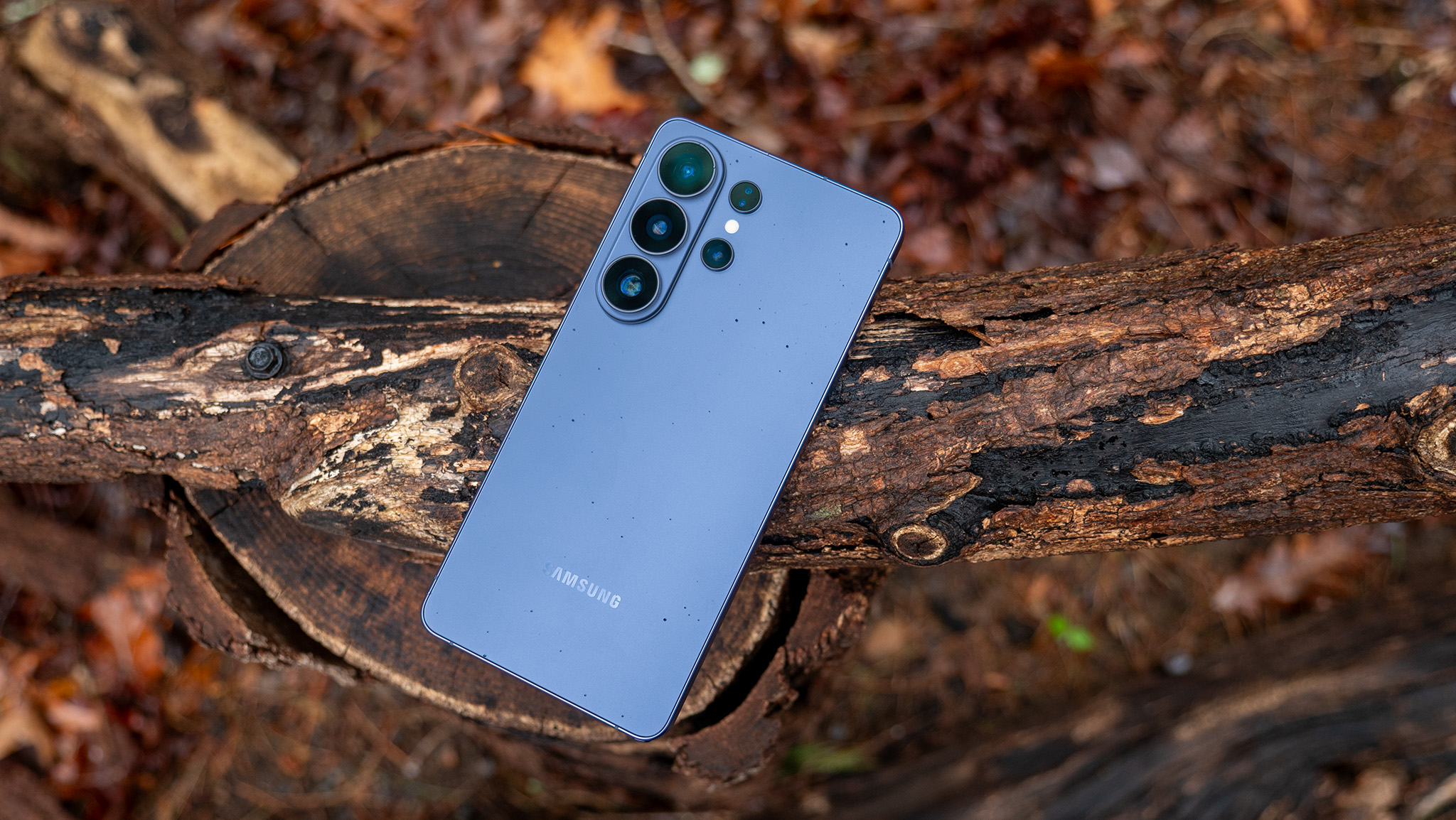
As we look toward 2027, the landscape is shifting. Apple continues to dominate the premium sector with its Pro and Pro Max strategy, and Samsung’s move with the S27 Pro is a direct, mirror-image response to this success.
The primary challenge for Samsung will be marketing. They must clearly delineate why a consumer should choose the S27 Pro over the S27 Plus. If the price delta is too narrow, they risk confusion; if the feature set is too similar to the Ultra, they risk internal competition.
What to Watch For:
- Pricing Strategy: How will the S27 Pro be priced relative to the S27+? A $100–$150 gap is the likely sweet spot.
- Market Adoption: Will the 7-8 million unit production goal be met with actual sales, or will we see inventory gluts by Q3 2027?
- Competitor Response: How will Google’s Pixel and Chinese flagship manufacturers (Xiaomi, Oppo, Vivo) respond to a Samsung lineup that effectively abandons the mid-tier flagship space?
The Galaxy S27 series represents more than just an annual upgrade. It is a fundamental declaration that Samsung is moving away from being a "one-size-fits-all" hardware manufacturer to becoming a luxury-tier tech provider. Whether this 70% bet on high-end hardware pays off will depend on the real-world performance of these devices and the company’s ability to maintain its premium brand image in an increasingly volatile global economy.
As we approach the early 2027 launch window, all eyes will be on the S27 Pro—a device that carries the weight of Samsung’s future expectations on its sleek, premium-finished shoulders. For the consumer, it is an exciting time, as the "Pro" label finally migrates to a more ergonomic, potentially more accessible format. For the industry, it is a wake-up call that the era of the mass-market flagship may be fading, replaced by a new, more exclusive standard of mobile excellence.