Executive Overview
Nearly three decades after the introduction of USB 1.0 in 1996, the consumer electronics landscape remains a fragmented patchwork of connectors, standards, and competing protocols. While the tech industry frequently mocks the "universal" in Universal Serial Bus by spinning off variants faster than Willy Wonka produces candy bars, a definitive consolidation is finally underway. Today, cutting-edge workstations and laptops require users to juggle a mix of USB-A and USB-C ports, alongside complex USB4 cables capable of staggering bandwidth transfers.
Yet, lingering in the shadows of this modern technological baseline is a ghost of consumer tech past: Micro-USB.
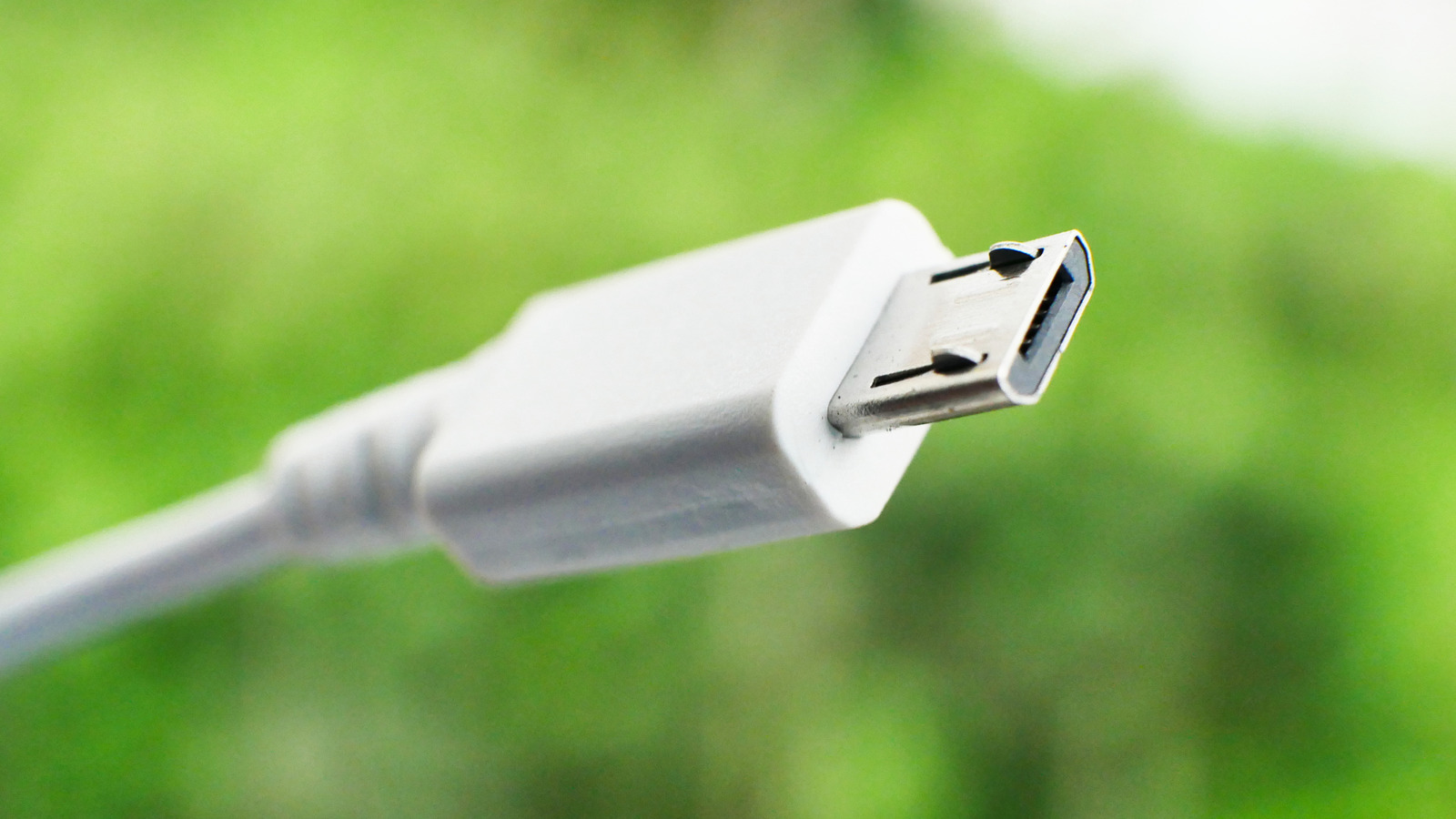
While Micro-USB is not entirely extinct, buying new gadgets outfitted with this aging connection standard is an active mistake. Once celebrated for shrinking the data-transfer and charging benefits of USB down to pocket-sized devices, Micro-USB is now a glaring indicator of a product that is either technologically obsolete or cutting corners on manufacturing costs.
As the global market marches toward the ubiquity of USB-C—accelerated by legislative pushes in regions like the European Union—purchasing new hardware equipped with Micro-USB locks users into substandard performance, slow charging speeds, and unnecessary cable clutter. Although holding onto functioning legacy devices prevents premature electronic waste, consumers must exercise strict purchasing discipline. When given a choice, skipping Micro-USB is no longer just a matter of aesthetic preference or cable consolidation; it is a vital step in safeguarding device performance, power efficiency, and long-term compatibility.
Detailed Chronology: The Rise, Fall, and Persistence of USB Standards
To understand why Micro-USB has become an operational liability, it is helpful to trace the chronological evolution of portable connectivity standards over the last thirty years.
[1996] USB 1.0 Introduced
   │
   ▼
[2000s] Mini-USB Era (Early Digital Cameras, MP3 Players)
   │
   ▼
[2007] Micro-USB Standardized (The iPhone Era & Mobile Boom)
   │
   ▼
[2014] USB-C Released (Reversible, High-Power Architecture)
   │
   ▼
[Present] The USB-C Consolidation & Regulatory Mandates
1. The Genesis of Universal Serial Bus (1996–2000s)
When USB 1.0 debuted in 1996, it promised to replace a chaotic assortment of parallel ports, serial connectors, and proprietary cables with a single, standardized architecture. However, as mobile electronics began to miniaturize in the early 2000s, the original Type-A and Type-B ports proved too bulky for sleek consumer electronics. This led to the interim Mini-USB standard, which quickly found a home in early digital cameras and portable MP3 players.
2. The Micro-USB Revolution (2007)
Introduced in 2007—the exact same year Apple shipped the original iPhone—Micro-USB was engineered to provide a robust, ultra-thin connection standard for a rapidly expanding mobile market. For well over a decade, Micro-USB served as the undisputed workhorse of the tech world. It powered billions of Android smartphones, Bluetooth speakers, e-readers, and power banks. Its widespread adoption made it culturally ubiquitous; almost every household accumulated a tangled drawer full of black Micro-USB cables.
3. The Shift to USB-C (2014–Present)
The technological landscape shifted permanently in 2014 with the formal introduction of USB-C. Designed to be entirely reversible, exceptionally durable, and capable of transmitting high-speed data alongside massive electrical wattages, USB-C began its systematic takeover of the consumer tech ecosystem. Today, USB-C is so omnipresent that even budget-tier accessories—such as cheap desk fans and basic wireless mice—have largely abandoned the Micro-USB form factor in favor of the newer standard.
Regulatory milestones, such as the European Union’s common charger directive, have further cemented USB-C as the mandatory legal standard for handheld electronics, relegating Micro-USB to an officially phasing-out relic of the past.
Supporting Context & Metrics: The Technical Deficits of Micro-USB
The continued inclusion of Micro-USB in modern products is rarely an accidental oversight; rather, it is a deliberate cost-cutting measure by manufacturers looking to clear out obsolete inventory or shave pennies off production budgets. Unfortunately, these savings come at a steep operational cost to the consumer, characterized by severe performance bottlenecks in three major areas: data transfer speeds, power delivery, and structural durability.
1. The Data Speed Bottleneck
Data transmission speeds highlight the stark generational divide between Micro-USB and modern standards.
- Micro-USB: Typically bound to the legacy USB 2.0 specification, transferring data via Micro-USB maxes out at a sluggish 480 Mbps.
- USB 3.0 and Beyond: Transitioning to USB 3.0 immediately bumps speeds up to 5 Gbps, while modern USB4 configurations start at a blistering 40 Gbps.
For casual users transferring tiny configuration files, 480 Mbps may suffice. However, for anyone attempting to back up large photo libraries, transfer 4K video files, or sync heavy local media to a device, Micro-USB introduces an agonizingly slow bottleneck.
2. The Power Delivery Dead End
Perhaps the most punishing drawback of Micro-USB is its inability to keep pace with contemporary charging ecosystems.
┌─────────────────────────┬───────────────────────┬────────────────────────┐
│ Connection Standard     │ Max Typical Wattage   │ Fast Charging Support  │
├─────────────────────────┼───────────────────────┼────────────────────────┤
│ Micro-USB               │ 7.5W (Glacial)        │ No                     │
│ USB-C (Standard)        │ 15W - 60W             │ Variable               │
│ USB-C (USB PD Profile)  │ Up to 100W - 240W     │ Advanced               │
└─────────────────────────┴───────────────────────┴────────────────────────┘
Standard Micro-USB wall chargers are rarely capable of delivering more than 7.5W of power. In an era where modern Android smartphones, tablets, and lightweight laptops utilize USB-C to easily clear 100W using advanced fast-charging protocols—and extreme USB Power Delivery (PD) variants stretch up to 240W—Micro-USB charging feels glacial. Waiting hours for a device to recharge disrupts workflows and shortens the psychological lifespan of the hardware.
3. Structural Vulnerability and Ergonomics
Beyond raw technical specs, everyday usability suffers significantly with Micro-USB:
- The Orientation Puzzle: Unlike USB-C, which features a symmetrical, reversible design, Micro-USB is directional. Users are frequently forced to fumble in the dark or inspect the port orientation to avoid plugging the cable in upside down.
- Mechanical Wear and Tear: The physical architecture of Micro-USB relies on tiny spring-loaded metal retention clips housed inside the male end of the cable. Over time, these delicate pins easily bend, warp, or wear down, causing the cable to fall loosely out of the port or fail to maintain a reliable connection entirely.
Official Industry Perspectives & Economic Realities
While manufacturers of ultra-budget accessories occasionally defend the use of Micro-USB on the grounds of component cost, industry consensus has decisively moved on.
In interviews regarding supply chain logistics and manufacturing overhead, hardware engineers note that while USB-C controller chips and port housings do introduce a slight cost premium over legacy ports, the gap has narrowed to fractions of a cent. Because USB-C components are now manufactured at an unprecedented scale, the financial incentive to use Micro-USB has effectively vanished.
Furthermore, consumer advocacy groups and environmental agencies have increasingly targeted obsolete connectors as contributors to unnecessary electronic waste. When a consumer buys a new gadget equipped with Micro-USB, they are often forced to maintain a fragmented cable ecosystem.
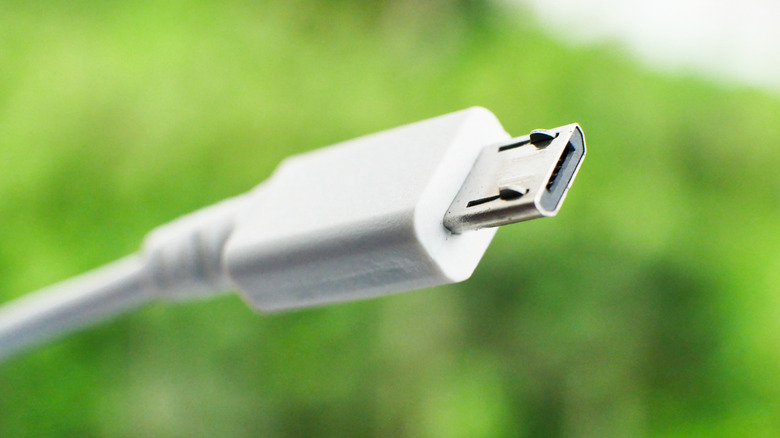
Rather than relying on a single, universal cable to charge a laptop, tablet, phone, headphones, and portable battery, the user must dedicate precious bag space and wall outlet slots to an orphaned standard.
Retail analytics show that major brick-and-mortar electronics retailers are steadily phasing out standalone Micro-USB inventory. Much like trying to source composite video cables for a legacy VCR at a local big-box store, finding high-quality, certified Micro-USB accessories on mainstream shelves is becoming increasingly difficult.
Future Outlook: Navigating the Transition Away from Legacy Ports
Are Micro-USB devices universally unusable? Not entirely. Certain low-power peripheral categories—such as entry-level wireless earbuds or compact smart-home sensors—draw minimal electrical current. Because their internal batteries have modest capacities, even a slow 7.5W trickle charge can top them off adequately. For instance, legacy models like Apple’s Powerbeats3 relied on Micro-USB, yet still achieved respectable rapid-charging bursts, delivering an hour of playback from a five-minute charge.
Moreover, sustainability advocates rightly emphasize that reusing what you already own is the greenest option. There is no ecological or economic sense in discarding a perfectly functional Kindle, flashlight, or game controller simply because it utilizes a Micro-USB port. Keeping a dedicated legacy cable on hand for these functional legacy items is a sensible, waste-reducing practice.
┌────────────────────────────────────────────────────────┐
│                 THE PURCHASING RULEBOOK                │
├────────────────────────────────────────────────────────┤
│ KEEP:    Functional legacy items you already own.      │
│ AVOID:   Any newly manufactured gadgets with Micro-USB.│
│ ADOPT:   Universal USB-C ecosystems for future-proofing│
└────────────────────────────────────────────────────────┘
However, the calculus shifts entirely when purchasing new hardware. Buying newly manufactured gadgets outfitted with Micro-USB is a false economy. Consumers sacrifice data transfer speeds, charging performance, mechanical durability, and future-proofing to save an imperceptible amount of money at checkout.
As the tech ecosystem standardizes around USB-C—witnessed by innovations like the Beats Powerbeats Pro 2, which leverage USB-C charging cases to unlock up to 45 hours of total playback—the limitations of Micro-USB become starkly apparent.
By voting with their wallets and strictly avoiding new hardware shackled to obsolete ports, consumers can accelerate the complete retirement of Micro-USB, paving the way for a truly unified, high-performance connectivity future.