Executive Overview
The global additive manufacturing landscape is undergoing a significant shift, transitioning from a niche hobbyist domain into an accessible, high-performance creative toolset for designers, cosplayers, and makers. At the forefront of this consumer revolution is Anycubic, a manufacturer known for pushing the boundaries of price-to-performance ratios in both Fused Deposition Modeling (FDM) and resin printing.
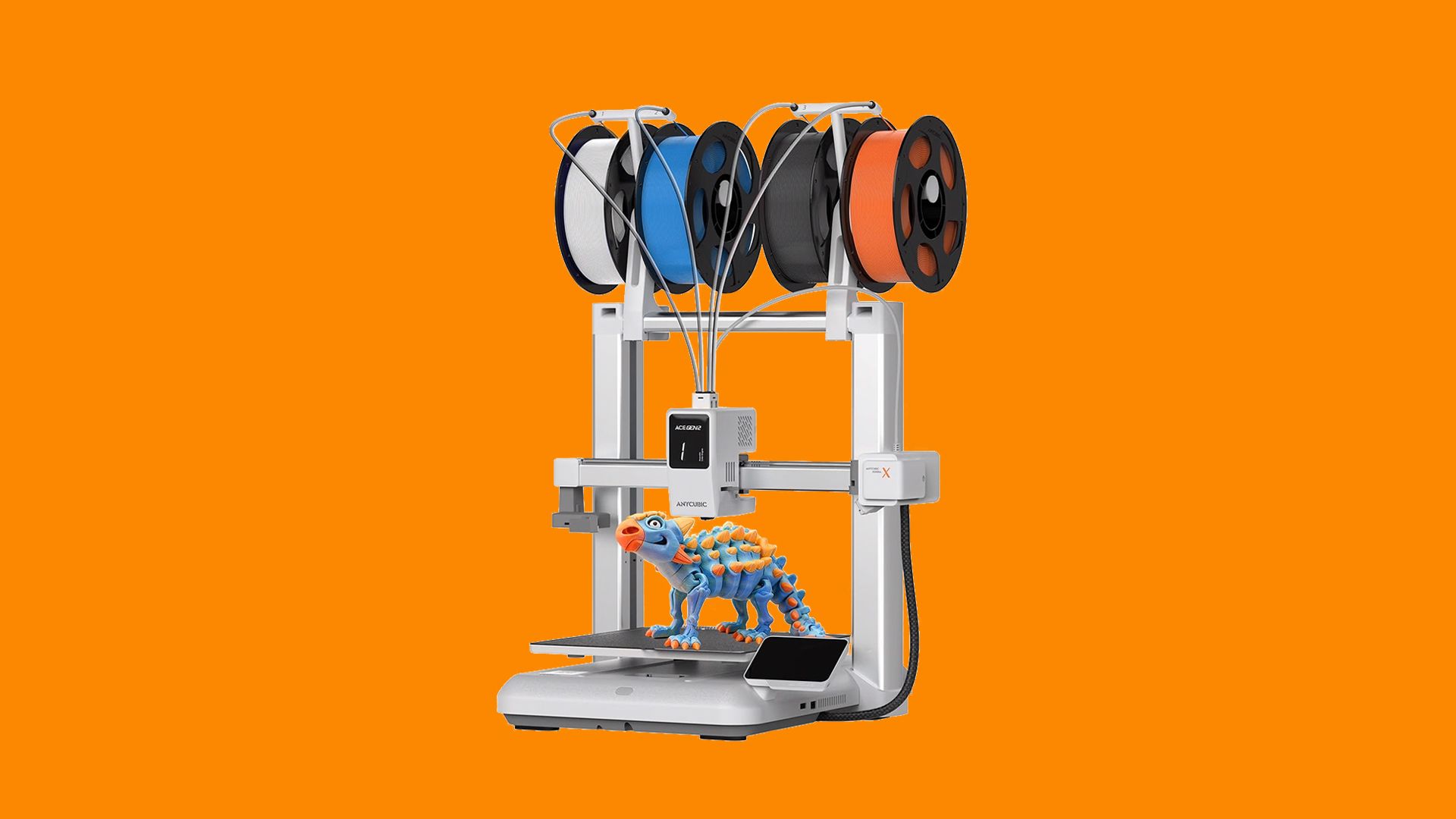
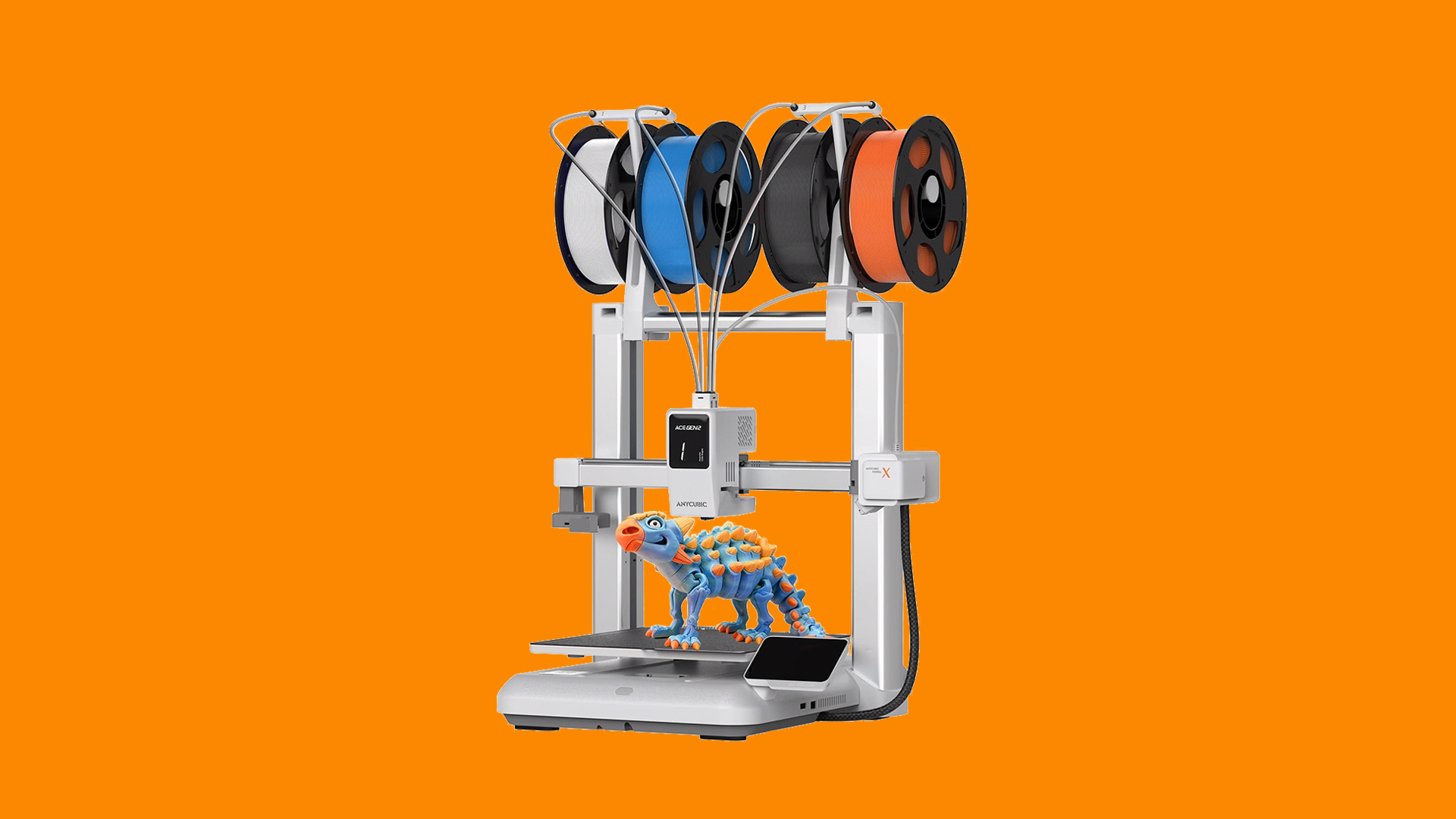
As part of its early global holiday rollout, the official Anycubic Black Friday sale has officially kicked off, headlined by a landmark discount on the company’s versatile mid-range machine: the Anycubic Kobra X.
For a limited time, buyers can secure a $100 discount, dropping the price of the Kobra X from its standard retail baseline of $399 down to $299. This price point marks the lowest historical valuation for the model since its introduction to the market. Industry analysts and equipment reviewers view this promotional push not merely as a seasonal markdown, but as a strategic offensive to capture market share from competitors like Bambu Lab, Creality, and Prusa just as peak holiday shopping momentum begins.
The Kobra X bridges a traditionally difficult gap in the consumer market: it possesses the intuitive, user-friendly automation required by absolute beginners, yet it features the expansive build volume, advanced software integration, and native multi-color capabilities usually reserved for higher-tier professional setups. By cutting the price to under $300, Anycubic has fundamentally altered the value proposition for anyone evaluating their first serious investment in 3D printing hardware.
Detailed Chronology of the Kobra X Release and Sale
From Concept to Market: The Evolution of Accessible Multi-Color FDM
To understand the significance of the current $299 price point, it is necessary to examine the trajectory of consumer FDM 3D printing over the past 24 months. For years, multi-color printing was plagued by technical hurdles, requiring expensive peripheral systems, manual filament swaps, or complex multi-extruder setups that frequently led to nozzle clogs and print failures.
When Anycubic initially conceptualized the Kobra series, the engineering focus was placed squarely on reliability, automated calibration, and speed. However, user feedback consistently pointed to a distinct market void: consumers wanted the seamless, multi-material capabilities seen in premium ecosystems, but without incurring a $600 to $1,000+ expenditure.
The Kobra X was developed to address this exact demographic. Upon its initial launch at $399, it positioned itself firmly in the upper-middle tier of consumer printers. It offered an out-of-the-box solution for creators looking to bypass single-color constraints without diving into experimental open-source modifications.
The Black Friday Rollout: Timing and Strategy
The announcement of the $100 promotional price cut aligns with a broader retail strategy among hardware manufacturers to capture early-bird holiday shoppers. Rather than waiting for the traditional post-Thanksgiving rush, brands have pushed their major promotional windows into early November to mitigate global supply chain strains and capture discretionary spending before seasonal budget allocations tighten.
Industry trackers noted the price drop on Anycubic’s official storefront, confirming that the $299 price tag represents a new floor for the hardware. This aggressive pricing places direct pressure on competing brands—notably Bambu Lab, which has also rolled out targeted holiday discounts across its ecosystem. For consumers tracking the market, this convergence of sales provides a rare window to acquire high-tier hardware at entry-level pricing.
Supporting Context & Metrics: Technical Specifications and Market Positioning
FDM vs. Resin: Why the Kobra X Targets the Right Audience
For newcomers entering the additive manufacturing space, the first major decision is choosing between FDM (Fused Deposition Modeling) and resin (SLA/MSLA) technologies.
- Resin 3D Printers: Utilizing ultraviolet light to cure liquid photopolymer resin layer by layer, these machines excel at hyper-detailed prints. They are the undisputed choice for tabletop gaming miniatures, highly intricate jewelry prototypes, and precision dental models. However, they come with substantial operational friction: toxic materials requiring personal protective equipment (PPE), rigorous post-processing (washing in isopropyl alcohol and secondary UV curing), and costly consumables.
- FDM 3D Printers: Operating by melting and extruding thermoplastic filaments (such as PLA, PETG, and ABS), FDM machines are widely regarded as the safer, cleaner, and more cost-effective choice for the vast majority of users. They require minimal post-processing, feature lower ongoing operational costs, and offer significantly larger build volumes per dollar spent.
The Anycubic Kobra X firmly anchors itself in the FDM camp, making it the ideal recommendation for hobbyists, cosplayers, and practical makers who need structural integrity, larger functional parts, and multi-color visual appeal without the hazardous chemical management associated with resin printing.
Deconstructing the Kobra X: Hardware and Software Ecosystem
While many entry-level 3D printers force users to compromise on build volume or calibration features to hit low price points, the Kobra X avoids these pitfalls. Key technical vectors that justify its valuation include:
- Build Volume and Scalability: The Kobra X offers a generous build envelope, substantially larger than standard ultra-budget machines. This ensures that users printing larger cosplay props, functional mechanical housings, or multi-part architectural models will not quickly outgrow the physical limits of the print bed.
- Multi-Color Capabilities: Out of the box, the machine supports native multi-color printing. Furthermore, the system is engineered to be expandable, allowing advanced users to scale their multi-material setups significantly further depending on project requirements.
- Automation and AI Integration: To lower the barrier to entry, Anycubic has integrated advanced automation suites into the Kobra X. This includes automated bed leveling (eliminating the tedious manual paper-test method), direct app control for remote print management, and AI-powered print monitoring designed to detect "spaghetti failures" and other anomalies before they ruin multi-hour prints.
Comparative Market Value Analysis
To contextualize the $299 price point, one must evaluate it against competing hardware in the current market landscape:
| Printer Model | Standard Price | Promotional/Sale Price | Core Advantage | Primary Target User |
|---|---|---|---|---|
| Anycubic Kobra X | $399 | $299 | Native multi-color expansion, large volume, AI monitoring | Beginners seeking long-term growth potential |
| Standard Entry FDM | $199 – $250 | $150 – $190 | Low initial cost | Absolute novices testing hobby interest |
| Bambu Lab Multi-Color | $600+ | Varies ($480+) | Exceptional speed and closed-source ecosystem polish | Enthusiasts with higher capital budgets |
As illustrated above, the discounted Kobra X occupies a "sweet spot." It is inexpensive enough not to deter cautious beginners, yet powerful enough to satisfy experienced makers who might otherwise find sub-$200 machines too restrictive.
Official Statements and Industry Insights
Perspectives from the Design and Manufacturing Sector
Industry experts and manufacturing analysts have closely monitored Anycubic’s pricing strategy during the current retail cycle. Commenting on the broader trend of feature democratization, product design analysts note that consumer expectations have shifted dramatically over the past two years.
"Consumers no longer view 3D printing as an experimental engineering hobby that requires endless tinkering, calibration, and troubleshooting," notes industrial design consultant Sarah Jenkins. "It is now viewed as an appliance-grade creative tool. When manufacturers like Anycubic drop a feature-rich, multi-color machine with AI monitoring down to the $299 threshold, they are signaling that advanced automation is no longer a luxury—it is the baseline expectation for the modern maker."
Furthermore, community feedback across major additive manufacturing forums (such as Reddit’s r/3Dprinting and specialized creator communities) highlights the importance of hardware longevity. Veteran makers frequently caution newcomers against purchasing ultra-cheap, closed-ecosystem machines that lack upgrade paths. The consensus surrounding the Kobra X deal is that it mitigates the "buyer’s remorse" cycle, offering an architecture robust enough to transition a novice into a proficient intermediate designer.
Future Outlook: The Trajectory of Consumer Additive Manufacturing
What the $299 Price Point Means for the Next Generation of Makers
The aggressive discounting of machines like the Anycubic Kobra X points toward a broader transformation in how physical objects are prototyped, manufactured, and customized at the consumer level. As multi-color printing and AI monitoring become standardized features in the sub-$300 category, the barrier to entry for creative entrepreneurship continues to dissolve.
- Democratization of Cosplay and Custom Prop Building: Historically, producing high-fidelity, multi-colored props required extensive post-processing, hand-painting, and airbrushing skills. Native multi-color FDM printing shifts the labor from manual painting to digital slicing, opening the hobby to individuals with strong digital modeling skills but limited traditional fine-art training.
- Rapid Prototyping in Education and Small Business: Small-scale design agencies, educational institutions, and independent inventors rely on rapid prototyping to iterate physical designs. Access to reliable, automated, large-volume FDM printers at sub-$300 price points allows these entities to deploy multiple machines concurrently without straining capital budgets.
- The Software-Hardware Convergence: As printers become more intelligent—utilizing app-based remote telemetry and AI failure detection—the focus of the industry is shifting toward software ecosystems. The ease with which users can interface with their machines via cloud platforms and mobile apps will dictate brand loyalty in the years to come.
Final Verdict: Is the Kobra X Deal Worth It?
For prospective buyers who have lingered on the sidelines waiting for the right combination of price, capability, and reliability, the current Anycubic Black Friday promotion presents a compelling entry point.
By reducing the Kobra X to $299, Anycubic has removed the financial friction that often deters first-time buyers, while delivering a hardware package robust enough to prevent rapid obsolescence. Whether the goal is crafting intricate home decor, functional mechanical components, or detailed cosplay gear, the Kobra X at this price point stands out as one of the most strategic hardware investments of the current holiday shopping season.