Executive Overview
For nearly two decades, CSS-Tricks has served as the definitive lighthouse for front-end developers navigating the shifting tides of web standards. However, even the most influential platforms are not immune to the accumulation of technical debt. This month, the site marked a significant milestone with the release of the "v20" theme—the first major design and architectural shift in five years.
Contrary to the industry’s trend of "rip-and-replace" redesigns, the v20 rollout represents a deliberate, iterative philosophy. By prioritizing deep-level refactoring over superficial aesthetic changes, the team has managed to modernize the site’s codebase, significantly reduce page weight, and improve core web vitals. This update is not merely a "fresh coat of paint"; it is a systemic excavation of 19 years of legacy code, signaling a move toward a more sustainable, performant, and accessible future for one of the web’s most cherished educational resources.

Detailed Chronology: From Legacy to Modernity
The decision to overhaul the theme was born from necessity. Five years in the web development landscape is an epoch; during that time, CSS-Tricks continued to ship features and content, but the underlying structure grew increasingly fragile.
The Excavation of Technical Ghosts
The primary directive for v20 was "ghost-busting." As the platform evolved, it retained fragments of its past—unused JavaScript remnants from long-defunct newsletter implementations, legacy Flexbox polyfills, and redundant jQuery-based lazy-loaders that have since been superseded by modern WordPress core functionality.
By systematically auditing the global compiled JavaScript, the development team successfully trimmed the bundle from 151.6 KB to 133.8 KB. While these numbers may seem granular to a layperson, they represent a significant reduction in execution overhead for the end user.
Perhaps the most aggressive move was the formal retirement of the CSS-Tricks Forum. Having been in an "archive-only" state since 2018, the forum was consuming 400 MB of database space. Its removal not only streamlined the backend but also allowed for the decommissioning of several custom templates that had been gathering digital dust for over a decade.
Workflow Modernization
The development team acknowledged a long-standing reliance on Gulp—a task runner that, while effective, had become a stagnant fixture of their workflow. By standardizing the build process and removing the "fixed state" that had plagued their terminal environment for years, the team has established a cleaner, more efficient development cycle. This transition to a more modern workflow serves as the bedrock for the v20 release, ensuring that future updates will be less of a surgical operation and more of a routine maintenance task.
Supporting Context & Metrics: The Science of Performance
The transition to v20 was not driven by whimsy, but by a data-informed approach to user experience. The team utilized Google’s Lighthouse metrics to benchmark the transition, providing a rare, transparent look at how a major theme migration affects site performance.
Performance and Accessibility Benchmarking
The results of the v20 migration illustrate the benefits of code consolidation and modern CSS practices:
| Metric | v19 (Legacy) | v20 (Current) |
|---|---|---|
| Performance | 71 | 72 |
| Accessibility | 86 | 91 |
| Best Practices | 75 | 100 |
| Total Page Weight | 2.03 MB | 1.24 MB |
The jump in the "Best Practices" score to a perfect 100 is a testament to the team’s rigorous approach to security and standards compliance. Most notably, the reduction in total page weight from 2.03 MB to 1.24 MB is a massive win for users on limited data plans or slower network connections.

The AI-Assisted Security Audit
In an industry-first move for the platform, the team leveraged AI—specifically Claude—to conduct a holistic security audit. By cross-referencing recent WordPress security release notes against their own codebase, they were able to identify and patch unescaped custom field calls and other vulnerabilities. This approach highlights a pragmatic use of AI: not to replace the developer, but to serve as a high-speed "gopher" for mundane, yet critical, auditing tasks, allowing the lead developers to focus on front-end craftsmanship.
Technical Highlights: Beneath the Surface
The Sass Rewrite and Design Systems
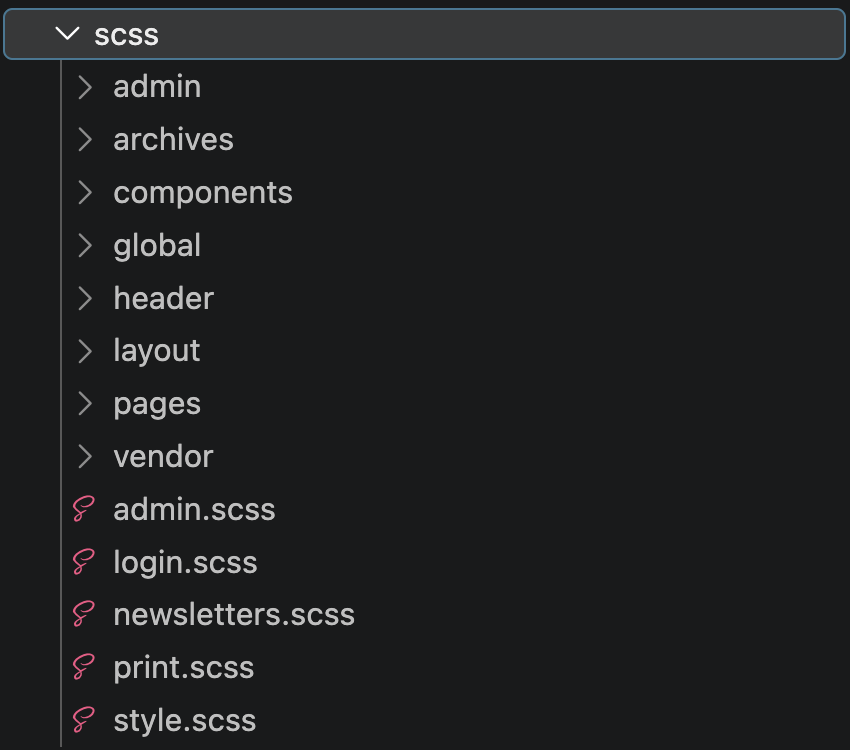
The team maintained their commitment to Sass, recognizing that while vanilla CSS is the ultimate goal, the architectural benefits of partials remain indispensable. The v20 theme implements a new, semantic design token system. By abstracting one-off colors, margin values, and font styles into a centralized, maintainable palette, the team has ensured that future design changes can be applied systemically rather than manually across individual components.
The "Jawbreaker" Aesthetic and Interactive Design
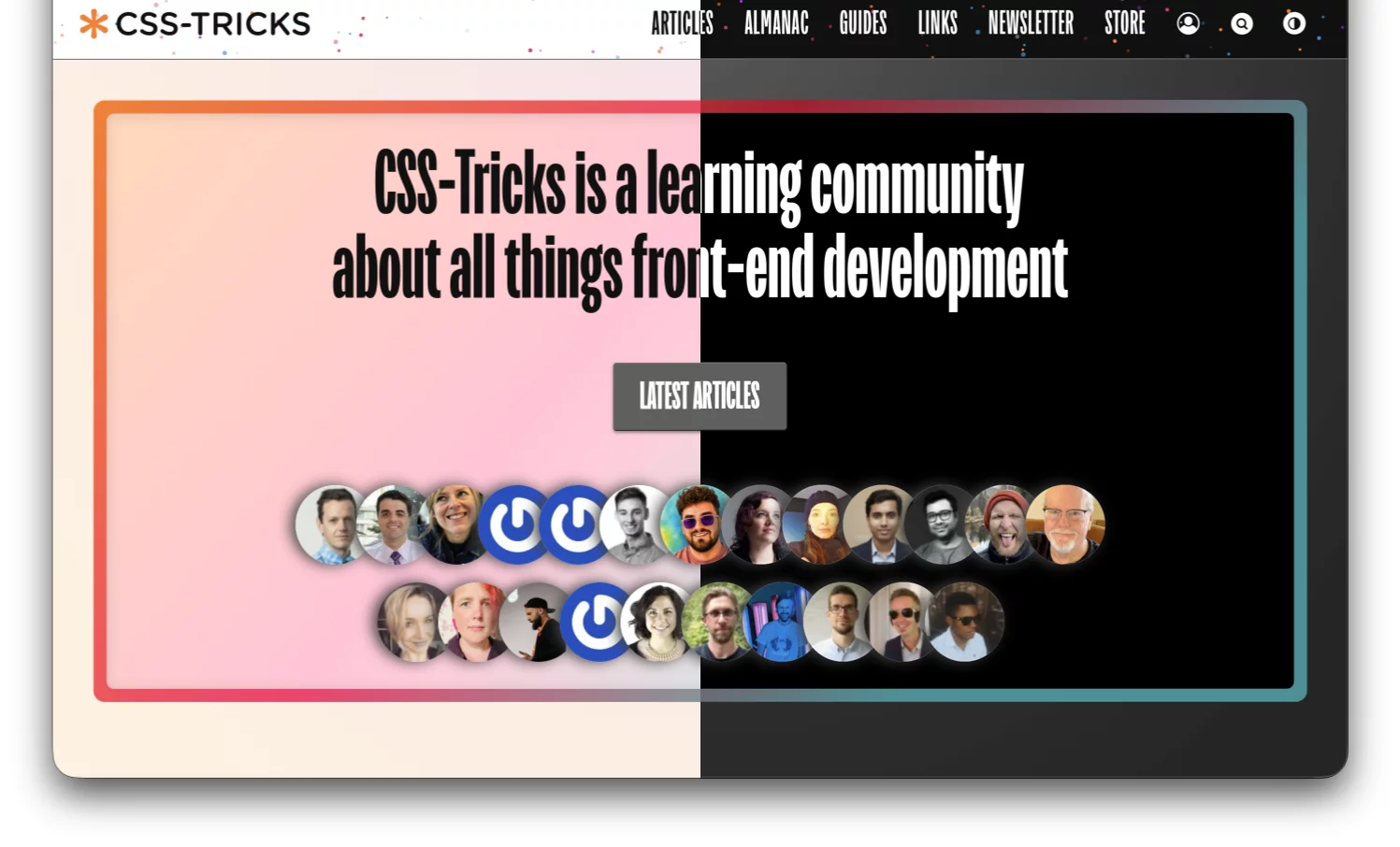
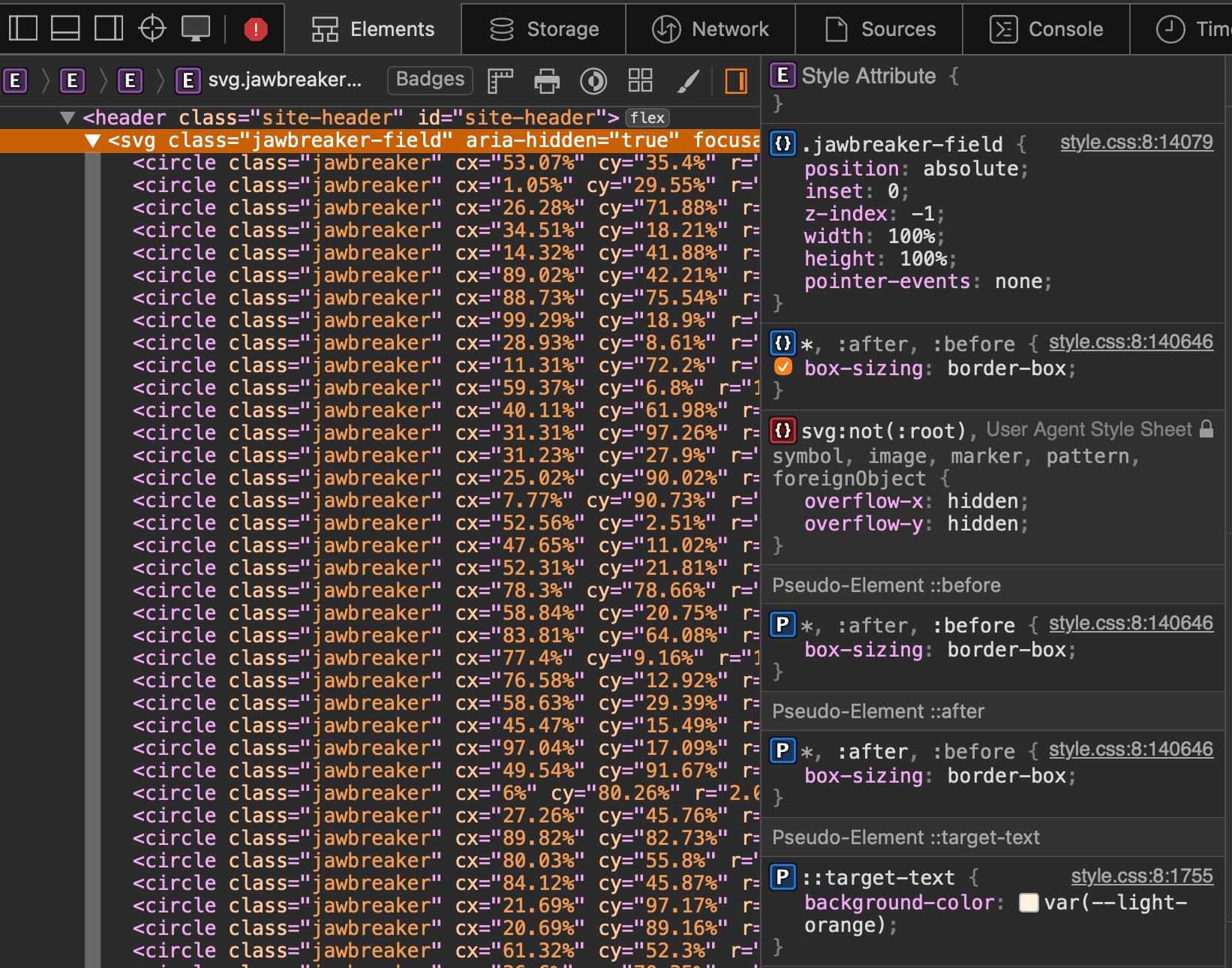
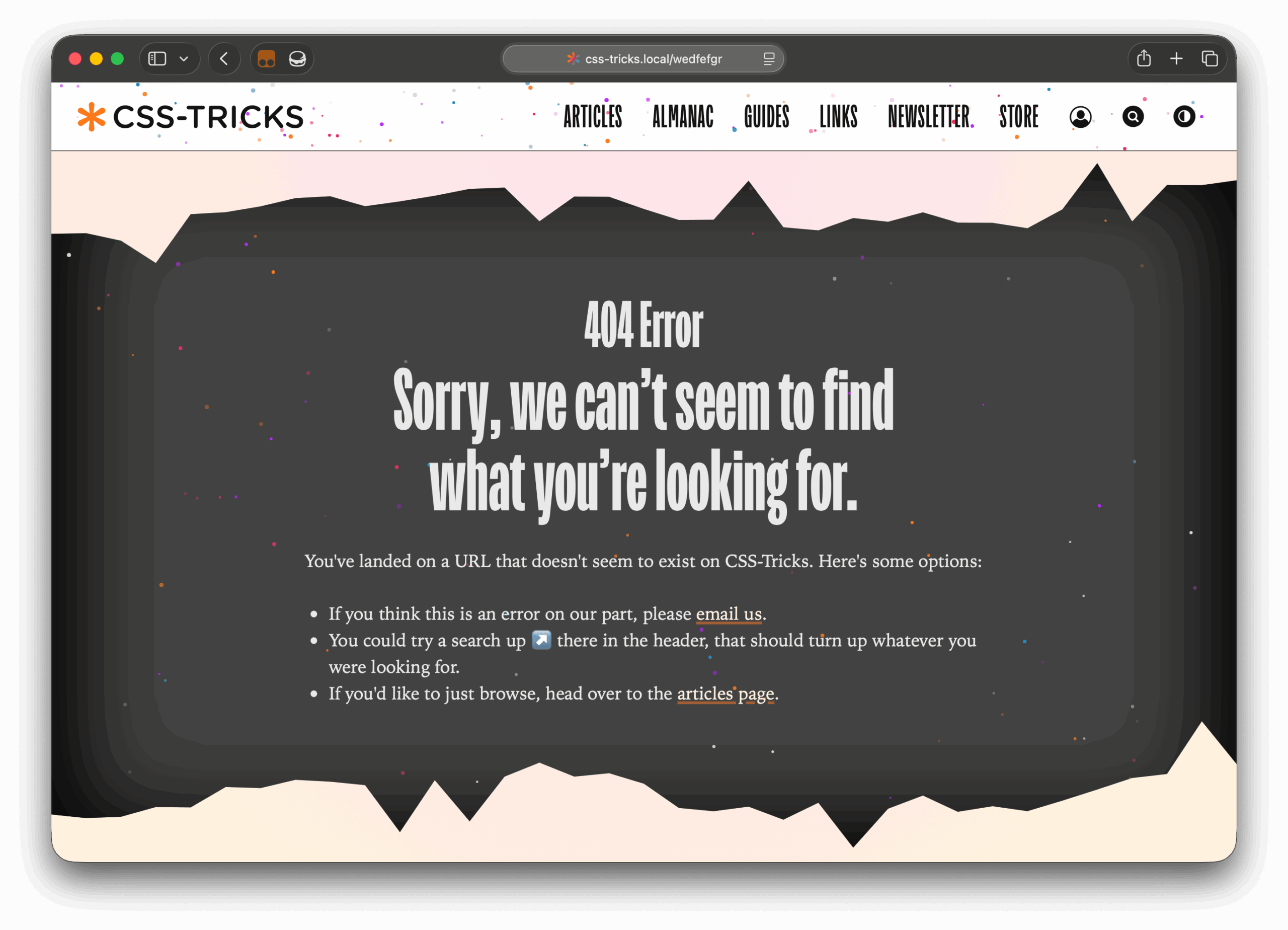
Aesthetically, the site now features a playful, SVG-driven texture in the header and footer, dubbed the "Jawbreaker" texture. This was achieved by dynamically generating circle elements via PHP. While the team expressed a desire to utilize CSS random() functions more extensively, they opted for a balance of server-side generation and client-side animation to ensure cross-browser stability.
Furthermore, the implementation of "blobs"—using the border-shape property and dynamic random() variables—brings a modern, fluid feel to the homepage. This feature serves as a playground for cutting-edge CSS, demonstrating the very techniques that CSS-Tricks has taught its readers for years.
The Theme Toggle Debate
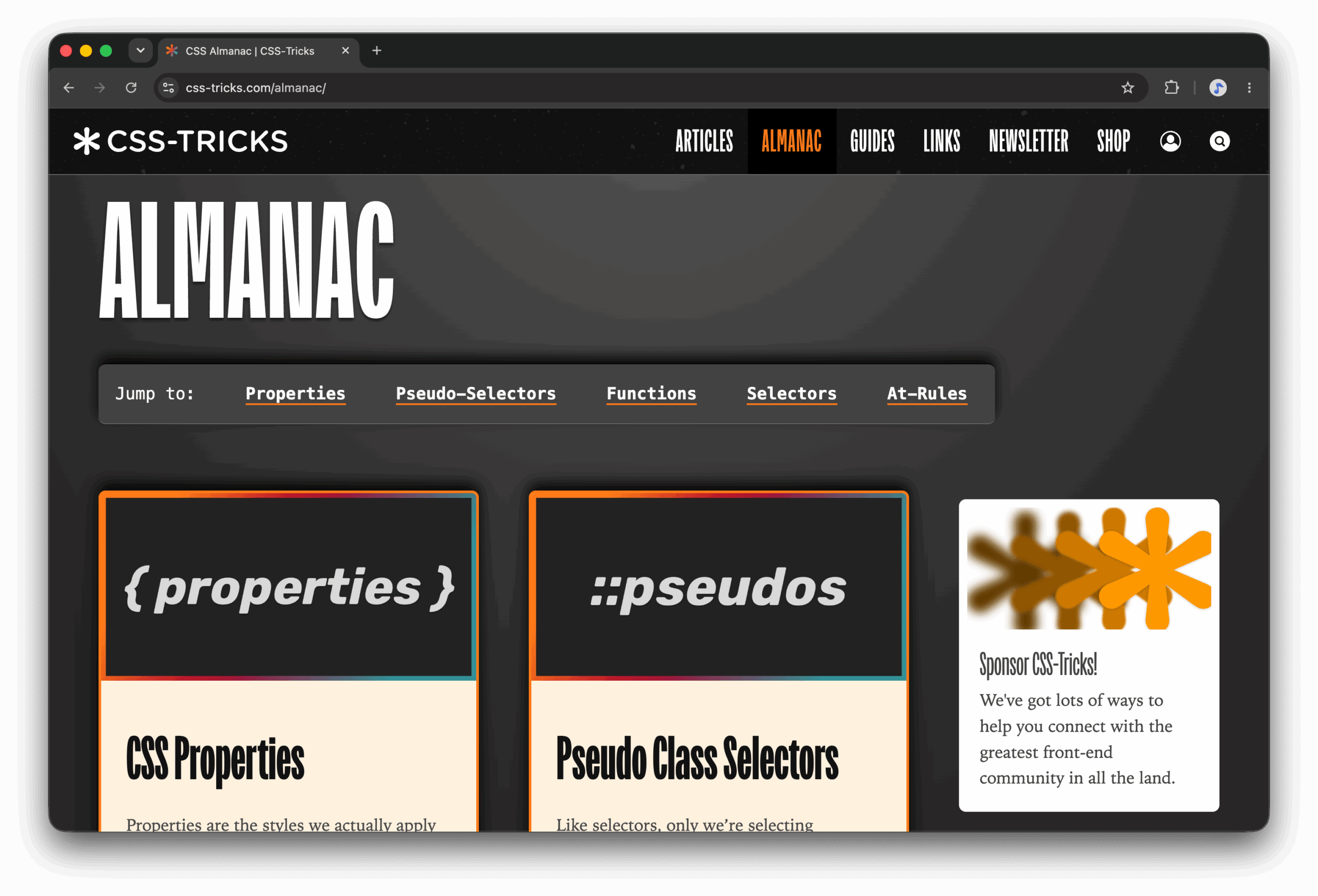
In a move that acknowledges modern user preferences, v20 introduces a sophisticated light/dark mode toggle. Rather than a binary swap, the implementation respects system preferences while offering a manual override. The integration of a "view transition" that slides the theme change into place provides a polished, tactile feel that is increasingly expected from modern web interfaces.
Official Statements and Editorial Philosophy
The editorial stance behind this update is one of humility and transparency. In their release notes, the team explicitly stated that "I’m rarely a fan of complete re-builds and tend to lean into iterative releases." This philosophy permeates every aspect of v20. The goal was never to create a "new" CSS-Tricks, but to ensure that the current iteration is capable of supporting the next decade of web education.
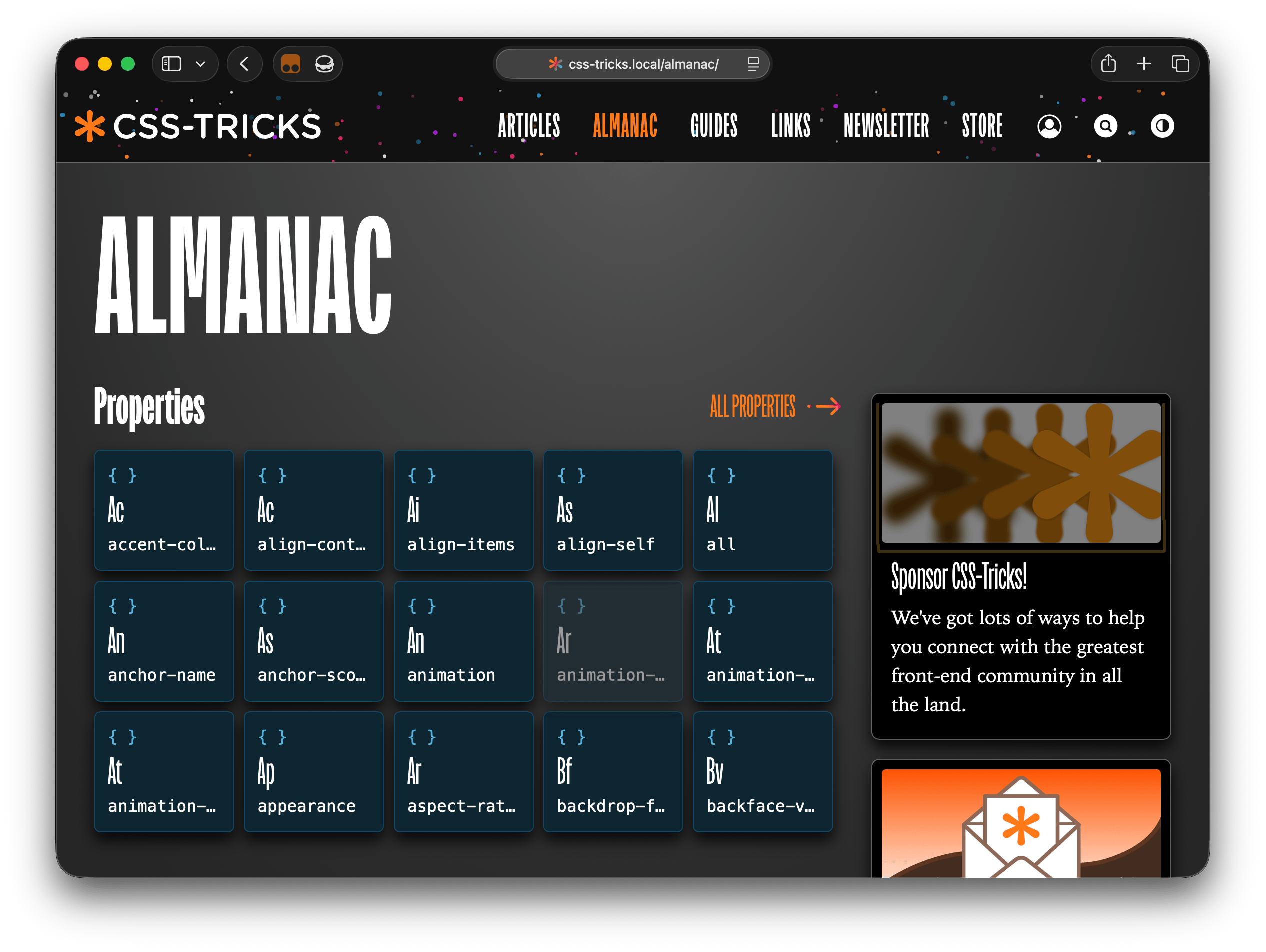
The team has also signaled a departure from the "book-stack" layout for their Guides index, opting for a more functional, categorized grid. This reflects an understanding that as their library of content grows, the UX must shift from a "collection" mindset to an "archival/searchable" mindset.
Future Outlook: The Road Ahead
While v20 is a substantial leap forward, it is not considered the final destination. Several key areas remain on the roadmap, including:
- The Authors Index: A necessary follow-up to the author-page spruce-up, intended to provide better visibility for the site’s contributors.
- Cascade Layers: The team has expressed an interest in implementing a more formal Cascade Layers structure to further refine their CSS architecture.
- Refining the Content Container: While the current white-background content area serves its purpose, the team is actively investigating more nuanced ways to handle the "dark mode" content experience.
The release of v20 serves as a powerful case study for the web development community. It demonstrates that the most effective way to modernize a legacy platform is not to destroy what came before, but to carefully excavate, curate, and optimize. CSS-Tricks has proven that by remaining committed to the fundamentals—accessibility, performance, and clean code—a platform can evolve gracefully, ensuring that its influence remains as relevant today as it was in its inception.