Executive Overview
Horror in AAA video games has long suffered from a persistent timidity. Publishers chasing maximum market penetration frequently sand down the sharpest edges of their intellectual properties, trading genuine transgression for predictable, digestible scares. Into this risk-averse landscape steps Hellraiser: Revival, an uncompromising 18+ survival horror experience developed by Boss Team Games and published by Saber Interactive. Running on Unreal Engine 5 and slated for an October 8 release across PlayStation 5 (reviewed), Xbox Series X/S, Nintendo Switch 2, and PC, Revival refuses to bow to contemporary prudishness.
The game does not completely reinvent the immersive sim template it borrows from luminaries like BioShock and Condemned. Instead, it clothes familiar mechanics in the flesh, hooks, and sadomasochistic iconography of Clive Barker’s seminal universe. Blending a garish, hyper-violent "real world" with a visually arresting, Brutalist-inspired Labyrinth, Revival offers a masterclass in atmospheric dissonance. It is a title that respects The Hellbound Heart and the foundational terror of the first two cinematic outings, wrapping its adult themes in accessible, highly engaging gameplay loops. While its systemic depth occasionally falters and boss encounters can drag, its relentless parade of inventive, one-off set pieces cements it as an authentic, unapologetically extreme horror triumph.

Detailed Chronology and Narrative Setup
Set twenty years after the events of the original cinematic continuum, Hellraiser: Revival takes place in the bleak, fictional town of Clairport, located just north of Detroit. The narrative catalyst arrives when a local resident, Sunny, unlocks the infamous Genesis Configuration—the puzzle box better known as the Lament Configuration. Predictably, her actions summon the Cenobites, meeting a sticky, agonizing end that redefines bodily horror.
Witnessing this horrific spectacle is her lover, Aidan Lynch, who was simply attempting a quiet evening at home when reality unraveled. Bound by tragedy and thrust into an impossible bargain with the Hell Priest—universally known as Pinhead—Aidan enters the shifting, interdimensional architecture of the Labyrinth to free Sunny’s soul and painstakingly rebuild her shattered physical form, piece by visceral piece.

This framing device serves as an effective, video-game-ready narrative engine. Aidan’s quest requires him to hunt down the hearts of three individuals specifically marked by the box:
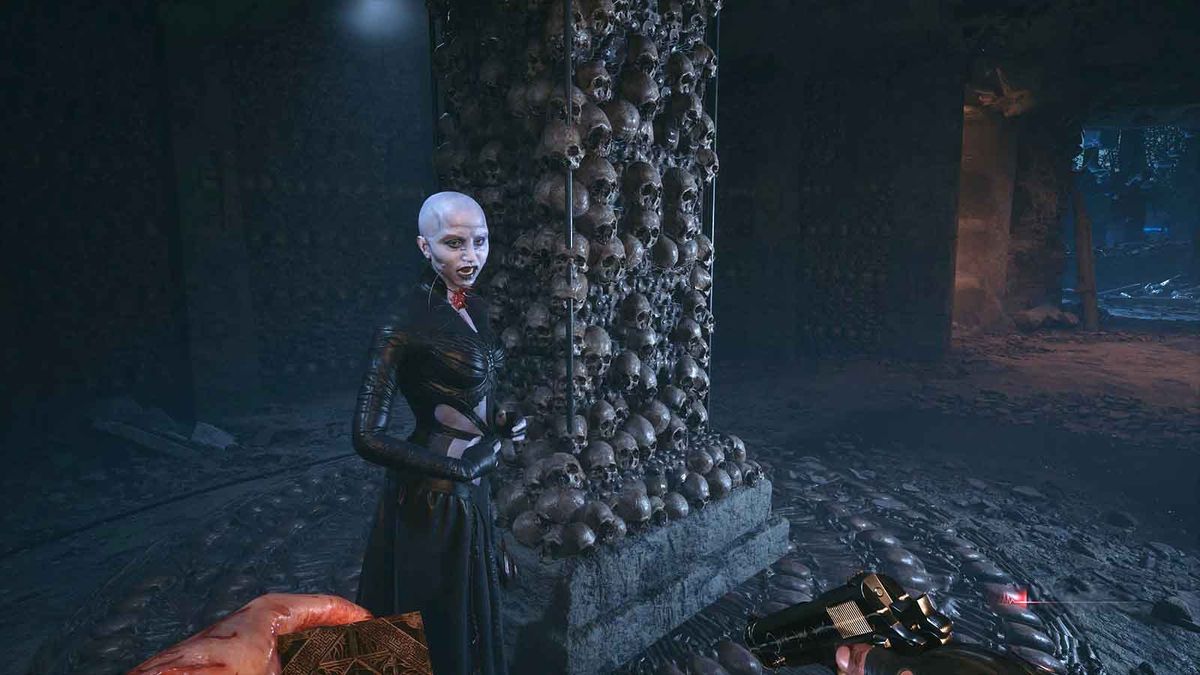
- Charlotte Strauss, an ex-dominatrix widely feared and respected as the "Sister of Mercy."
- Colin Marlowe, the charismatic and unhinged leader of the "Scarlet Church," an underground cult of Leviathan worshippers dead set on engineering new Cenobites on Earth.
What follows is a tale of obsession, toxic bargains, and psychological decay that feels right at home alongside Barker’s original novella. The narrative wastes no time diving headfirst into the grotesque. Machete swings dissect bodies with anatomical precision; severed torsos line examination tables like macabre furniture; and late-game mechanics introduce lethal Hellchains that hook, lash, and pull enemies apart from every direction. It is a spectacle that forces players to look—eliciting a powerful urge to look away, only to be drawn right back into its mesmerizing, horrific ballet.
Gameplay Mechanics and World Design
Structurally, Hellraiser: Revival splits its time between two distinct gameplay philosophies, mirroring the psychological divide of its protagonist.
The "Real" World and Immersive Sim Combat
Outside the Labyrinth—within seedy sex clubs, subterranean cult mansions, and decrepit cemeteries—Revival operates as a lightweight immersive sim. Combat is fluid, systemic, and deeply satisfying. A well-placed shotgun blast can ignite an environmental oil barrel, sending rolling waves of fire across a pack of leather-clad zealots. Alternatively, luring an enemy into a cleverly concealed bear trap can thin out a crowd before they close the distance.
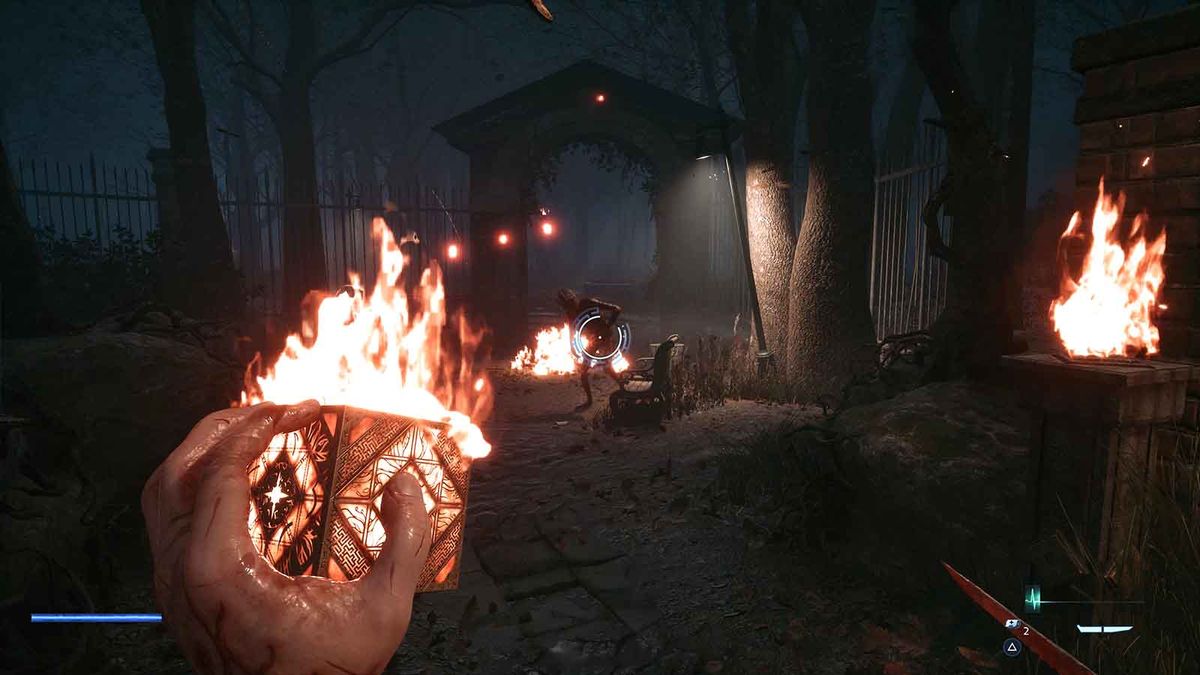
The Genesis Configuration acts as the focal point for Aidan’s supernatural toolkit. Banishing foes via cinematic finishers sends their souls screaming back to the Labyrinth, rewarding the player with "Suffering"—a currency used to unlock and upgrade the box’s powers.
- Telekinesis allows players to snatch sawblades, steel pins, and jagged debris from the environment and hurl them like ballistic projectiles.
- Pyrokinesis lets Aidan siphon open flames from nearby light sources and hurl them at oncoming threats.
A traditional earthly arsenal—comprising a revolver, pistol, SMG, assault rifle, and a degrading collection of melee knives and clubs—complements these supernatural abilities. Ammunition and health must be manually crafted from scavenged junk found in the world, maintaining a tense resource economy.
The Labyrinth: Unreal Engine 5 Photorealism
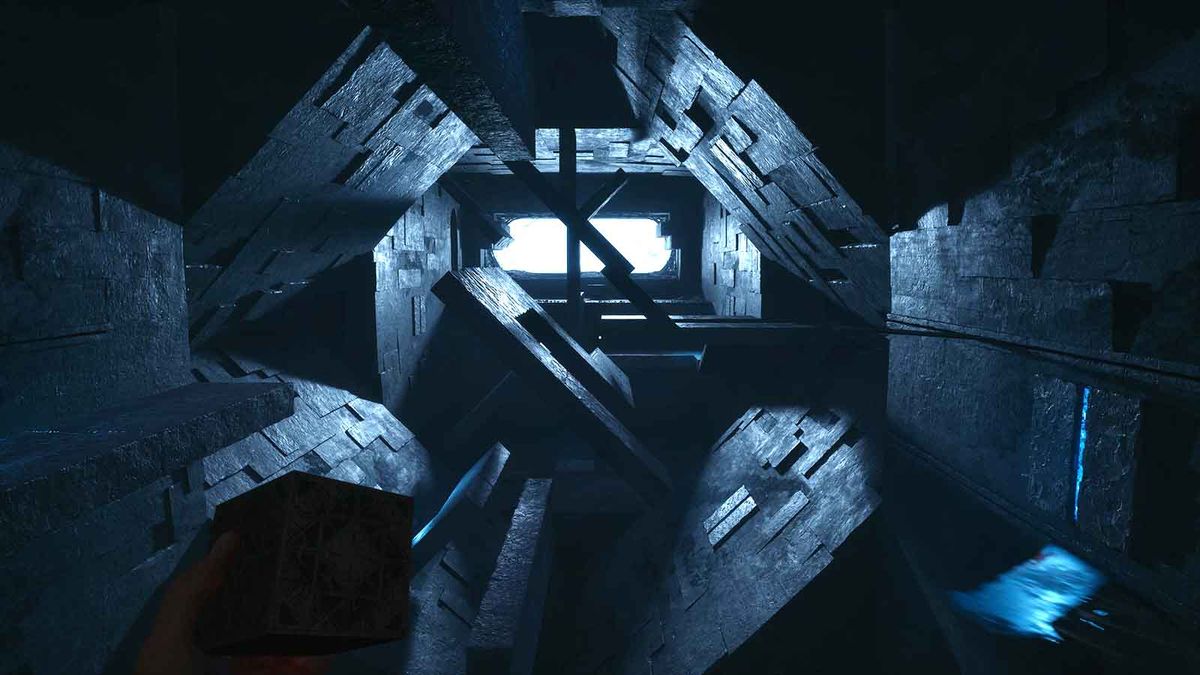
When Aidan steps through a glowing tear in reality into Leviathan’s domain, Unreal Engine 5 sheds the slightly caricatured, bold aesthetic of the real world in favor of stark, unyielding photorealism. This visual divergence serves a brilliant psychological purpose: the nightmare realm of the Cenobites looks and feels terrifyingly real, whereas the mundane world of sex clubs and cultists feels artificially constructed, like a video game.
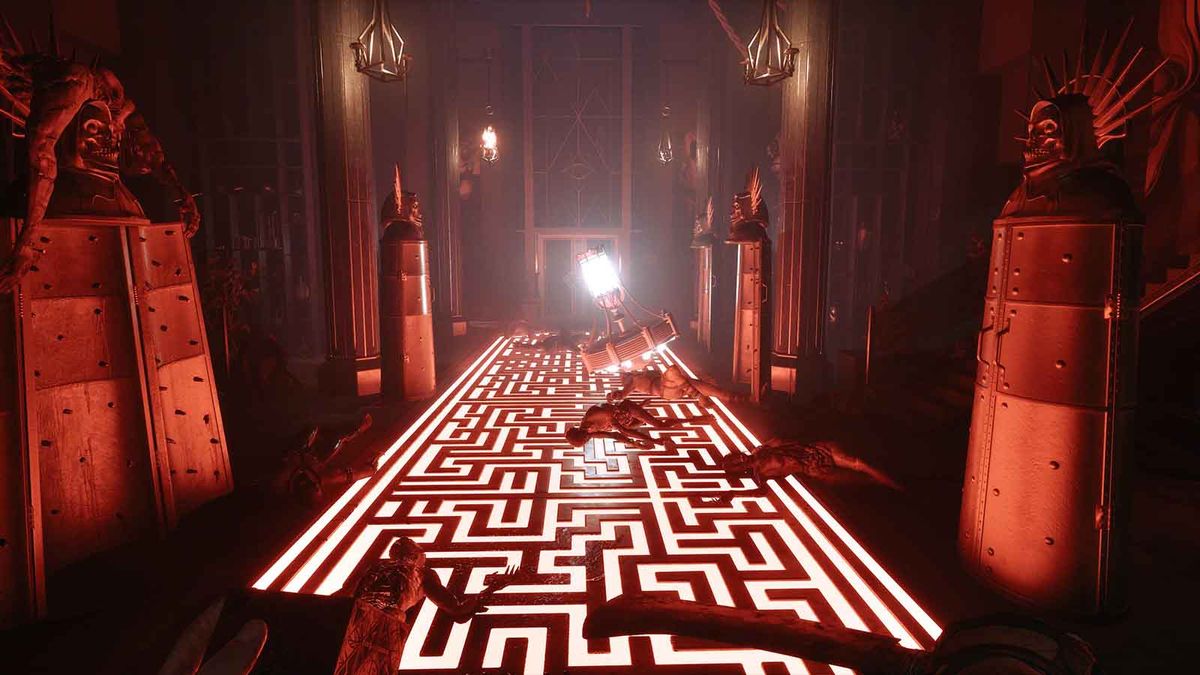
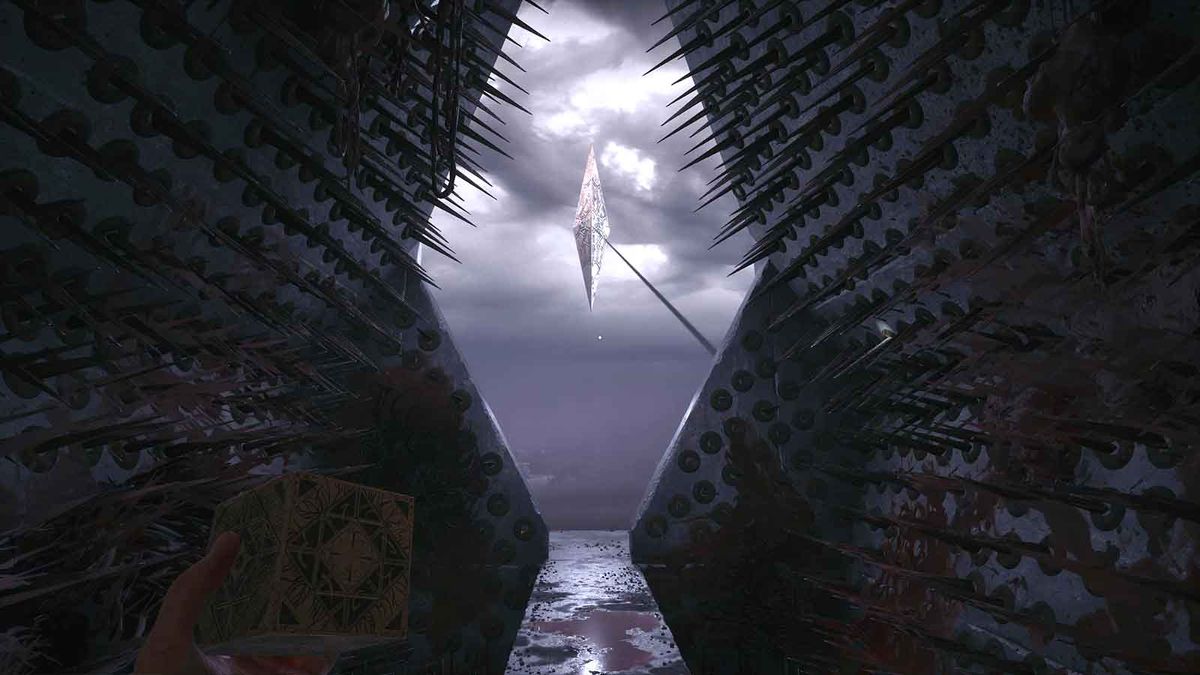
The Labyrinth itself is a maze of brutalist concrete canyons, spinning spiked architecture, and sprouting chains. During escape sequences—particularly when being hunted by the Chatterer (fondly known to fans as the Child)—the game reaches its zenith. Aidan is stripped of his offensive bravado, left utterly vulnerable, panicked, and desperate. These walking-sim-meets-survival-horror segments inject genuine tension and texture into the pacing.
Supporting Context & Metrics
- Publisher: Saber Interactive
- Developer: Boss Team Games
- Engine: Unreal Engine 5
- Release Date: October 8
- Reviewed Platform: PlayStation 5 (Also available on Xbox Series X/S, Nintendo Switch 2, and PC)
- Age Rating: 18+ (Mature themes, graphic violence, sexualized horror, and disturbing imagery)
- Digital Extras: A comprehensive digital art book detailing the conceptualization of the Cenobites and environmental design is included with purchase.
Despite its strengths, Revival is not without mechanical shortcomings. While comparisons to titles like BioShock or Prey are inevitable, the game stops short of true genre reinvention. The Genesis Configuration, for instance, never achieves the deep systemic synergy of BioShock’s Plasmids; it remains a two-power cube primarily used for basic combat utility and occasional narrative puzzle-gating. Furthermore, boss encounters can occasionally outstay their welcome, and controlling Aidan during high-pressure combat situations can occasionally feel rigid and unresponsive.
Future Outlook
Hellraiser: Revival proves that mature, boundary-pushing horror intellectual properties can find a home in modern gaming if developers are granted the creative freedom to lean into their source material without hesitation. By resisting the urge to sanitize its aesthetic, Boss Team Games has delivered a title that respects its fanbase while carving out a distinct mechanical identity.
Looking forward, the success of Revival could signal a vital shift for Saber Interactive and other mid-to-AAA publishers. It demonstrates that players are hungry for narrative-driven, intensely atmospheric single-player horror experiences that utilize modern rendering pipelines—like Unreal Engine 5—to render the unthinkable. Whether Revival will spawn narrative expansions or a direct sequel remains to be seen, but its refusal to settle into a predictable routine ensures it will be remembered as a high-water mark for licensed horror adaptations in the modern gaming era.