

Executive Overview
To modern consumers, the name Nintendo is universally synonymous with family-friendly entertainment, wholesome mascot characters like Mario and Kirby, and accessible gaming hardware designed to bring households together. However, a deep dive into the marketing archives of the late 1990s reveals a startlingly different corporate persona—one that traded pastel colors and whimsical sound effects for edgy subculture appeals, shock value, and the boisterous, unfiltered ethos of the UK’s "lads’ mag" culture.
During an era dominated by lad-centric publications like FHM and Loaded, Nintendo—via powerhouse advertising agency Leo Burnett—attempted to aggressively reposition its iconic Game Boy and Game Boy Pocket line. Rather than leaning exclusively into its traditional demographic of children and teenagers, the brand launched a series of provocative print advertisements featuring bizarre scenarios, suggestive imagery, and dark, subversive humor.
The strategy culminated in a notorious 1997 print advertisement featuring a lingerie-clad woman tied to a bed, accompanied by the flippant tagline, "The new Game Boy Pocket: seriously distracting." While the campaign was ostensibly designed to match the editorial tone of the magazines in which it appeared, it ultimately collided with shifting social standards, resulting in swift regulatory intervention, public backlash, and a permanent retreat into the safe, family-oriented branding that defines Nintendo today. This retrospective examines how one of the world’s most conservative gaming giants temporarily embraced the counterculture, the creative rationale behind the campaign, and why these bizarre relics of 1990s media continue to fascinate design historians and gaming enthusiasts alike.
Detailed Chronology: The Rise and Fall of Nintendo’s Shock-Value Marketing
The Cultural Landscape of 1990s Print Media
To understand why Nintendo approved a campaign featuring bondage, starving dogs, and ferrets hidden inside young men’s trousers, one must examine the British media ecosystem of the mid-to-late 1990s. This was the golden age of the "lads’ mag"—a genre of men’s lifestyle and entertainment magazines characterized by a heady cocktail of football culture, bravado, bawdy humor, and casual misogyny. Publications such as Loaded, FHM, and Maxim achieved astronomical circulation figures by treating young adult men as an underserved demographic that wanted irreverence above all else.
Simultaneously, the video game industry was undergoing a seismic shift. Sony had entered the hardware market with the PlayStation in 1994, expertly aligning its brand with the burgeoning electronic music, clubbing, and rave subcultures. With titles like WipEout and a slick, nocturnal aesthetic, Sony proved that gaming could be perceived as cool, mature, and rebellious.

Faced with a rapidly maturing audience and fierce competition in the portable gaming sector, Nintendo’s European marketing divisions felt compelled to shed their squeakyclean image. The objective was clear: capture the twenty-something demographic that played games on commutes, in pubs, and during downtime, even if it meant abandoning the safety of family-centric marketing.
The Campaign Unfolds: From Bizarre to Provocative
Entrusted with the task of modernizing the Game Boy brand, advertising agency Leo Burnett devised a series of print campaigns that pushed the boundaries of traditional toy and electronics marketing. The creative briefs seemed intent on showcasing the sheer, all-consuming addictiveness of Game Boy titles by depicting scenarios where players became so absorbed in their devices that they suffered catastrophic lapses in attention or judgment.
The resulting print ads featured surreal, often unsettling narratives. One infamous concept depicted a starving dog neglected by an owner entirely transfixed by their handheld screen. Another—equally baffling—featured a young man smuggling a ferret down his trousers, seemingly oblivious to the creature’s presence due to his gaming focus.
However, it was the 1997 campaign rollout targeting the Game Boy Pocket that crossed the Rubicon of public acceptability. The creative execution featured a professional model clad in lingerie, bound tightly to a bed. The accompanying copy delivered the punchline: "The new Game Boy Pocket: seriously distracting." The narrative implication was both juvenile and audacious: the player had become so engrossed in gameplay (presumably titles like Tetris or Pokémon Red and Blue) that they had quite literally forgotten their romantic partner was tied to the bed.
The Backlash and Regulatory Intervention
Unsurprisingly, the "bound woman" advertisement did not go unnoticed by the public or consumer watchdog groups. As complaints flooded in, the Advertising Standards Authority (ASA)—the UK’s independent regulator of advertising across all media—opened an inquiry into the campaign’s suitability.

The ASA deemed the advertisement tasteless, inappropriate, and derogatory, leading to its swift prohibition and removal from print circulation. The ruling marked a rare and humiliating public reprimand for Nintendo, signaling that its flirtation with edginess had overstepped the boundaries of socially acceptable commercial speech, even within the permissive landscape of 1990s lad culture.
Supporting Context & Metrics: The Defense of Edginess
When the Advertising Standards Authority challenged the campaign, Leo Burnett and Nintendo’s marketing executives mounted a vigorous defense, shedding light on the strategic thinking behind the placement of the ads.
Contextual Defenses
Defending the agency’s creative decisions, account director Crispin Reed offered a revealing justification to The Independent newspaper. Reed argued that the ad’s content should not be judged in a vacuum, but rather through the lens of its surrounding environment:
"When you look at [our] ad in the context of the environment it appeared in, it’s exactly in keeping with the editorial pages which, I would say, go further than we did."
This defense highlighted a common industry practice of the era: tailoring ad creative to match or slightly exceed the edginess of the host publication to ensure maximum engagement with readers. In the pages of Loaded and FHM, where articles frequently courted controversy with provocative photo shoots and unfiltered humor, Nintendo believed its bondage ad would simply blend in as playful banter. Instead, it became a lightning rod for criticism about the broader portrayal of women in advertising during the decade.

Comparative Market Realities
To contextualize Nintendo’s strategy, industry analysts often point to the stark contrast between hardware portfolios of the time:
- Sony PlayStation: Positioned as the adult, counter-cultural lifestyle accessory for nocturnal clubbers and young adults.
- Sega Saturn: Leaned into aggressive, attitude-heavy marketing ("Sega does what Nintendon’t") aimed at rebellious teenagers.
- Nintendo Game Boy: Trapped in a paradoxical marketing space—a device loved by adults and commuters, yet historically anchored to children’s entertainment properties like Kirby’s Dream Land and Super Mario Land.
Nintendo’s brief foray into shock-value marketing was an expensive, high-risk attempt to bridge this identity gap. By attempting to manufacture an adult pedigree through controversy, the company inadvertently exposed the limits of applying a one-size-fits-all countercultural strategy to a brand fundamentally built on universal, all-ages appeal.
Official Statements and Industry Reception
The fallout from the 1997 ASA ruling prompted quiet institutional introspection within Nintendo’s global headquarters in Kyoto, Japan, as well as its regional European offices. While executive commentary at the time was carefully managed to minimize brand damage, media critics and advertising historians have extensively analyzed the campaign’s legacy.
Industry observers noted that the campaign represented an uncharacteristic aberration in Nintendo’s corporate history—a period where creative autonomy granted to regional Western advertising agencies briefly overwhelmed the company’s traditionally stringent brand oversight.
Media analysts writing in design publications like Creative Bloq have since reflected on the ads as surreal cultural artifacts:
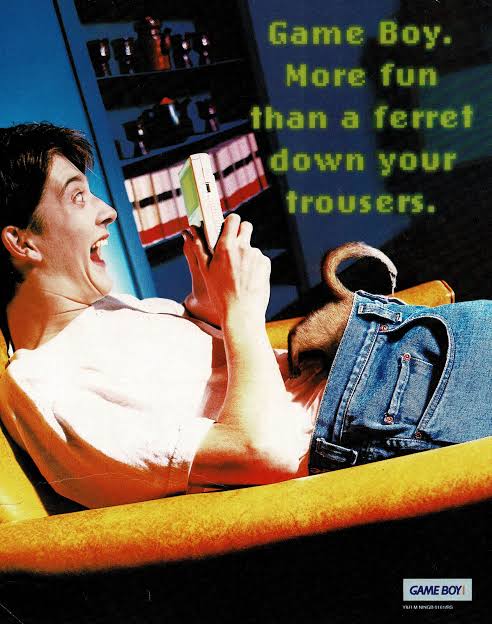
- The Incongruity Factor: Critics frequently highlight the bizarre juxtaposition of wholesome, pixelated puzzle games being marketed via adult themes of neglect, bondage, and bizarre animal antics.
- The Shift in Brand Identity: Following the backlash, Nintendo systematically re-centered its marketing around core values of innovation, multiplayer inclusivity, and family accessibility—a trajectory that paved the way for the phenomenally successful launches of the Nintendo DS, Wii, and Switch.
Future Outlook: Lessons from the Archives
As the video game industry matures into the mid-2020s, looking back at the uninhibited, chaotic marketing strategies of the 1990s offers valuable perspective on how far corporate communications have evolved.
Today’s gaming landscape is characterized by hyper-vigilant brand management, comprehensive inclusivity guidelines, and rigorous pre-market testing designed to prevent public relations crises before they materialize. In an era of instantaneous social media backlash and cancel culture, the prospect of a mainstream family brand running an ad featuring a bound model in a lad’s magazine is virtually unimaginable.
Yet, the 1990s Game Boy print campaigns remain a compelling study in creative risk-taking. They remind design professionals, marketers, and historians of a time when the boundaries of advertising were constantly pushed, sometimes resulting in brilliant cultural commentary, and other times—as in Nintendo’s brief walk on the wild side—leading straight into an embarrassing collision with regulators. Ultimately, the experiment proved that while Sony and Sega could comfortably wear the mantle of the industry rebel, Nintendo’s true superpower was, and always will be, keeping things family-friendly.