Executive Overview
In a significant strategic reversal, Instagram is fundamentally altering its content architecture by embracing long-form, widescreen video. Long known for its vertical-first, short-form Reels ecosystem and curated photographic carousels, the platform is now signaling a pivot toward more immersive, horizontal storytelling.
Meta’s Head of Instagram, Adam Mosseri, recently joined VP of Product Tessa Lyons to unveil "Features," a new initiative designed to house long-form video content on the platform. This move marks a departure from Mosseri’s long-standing skepticism regarding the utility of long-form media within the Instagram ecosystem. As the company looks to compete more directly with platforms like YouTube, it is balancing this expansion with the risk of diluting the "friend connection" that originally defined the app. The initiative, currently in early testing phases, promises to bridge the gap between mobile discovery and living-room consumption, marking a pivotal moment in Instagram’s evolution.
Detailed Chronology: From Stills to Streaming
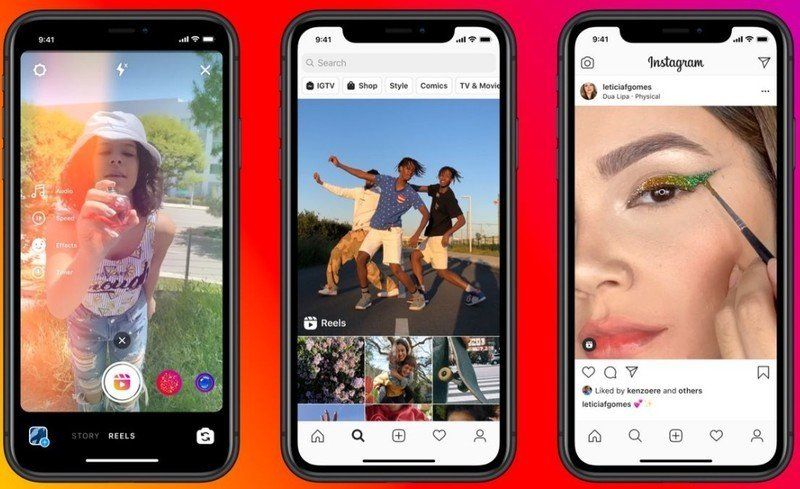
Instagram’s history is defined by a series of radical shifts. Founded as a square-format photo-sharing app, it eventually expanded to rectangular images, then to ephemeral "Stories," and most aggressively, into the short-form vertical video dominance of "Reels."
The Resistance to Long-Form
For years, Adam Mosseri held a firm stance against cluttering the Instagram feed with long-form video. The primary concern was sociological: Instagram’s value proposition was built on intimate, personal connections—users sharing snippets of their lives with friends and family. Long-form video, by contrast, is traditionally a passive, "lean-back" consumption medium associated with television and YouTube, which often isolates the viewer rather than fostering social interaction.
The Turning Point
The internal debate at Meta, however, shifted as creator behaviors evolved. According to Tessa Lyons, the impetus for this change was the realization that "creativity is so much more than just short-form video, or just posts and carousels." Creators were increasingly vocal about their desire to tell deeper, more nuanced stories that simply could not fit into the 60-to-90-second constraints of a standard Reel.
The introduction of "Features" represents the company’s acknowledgement that its user base—and its most valuable creators—are demanding a broader canvas. By embracing widescreen, the platform is essentially conceding that to remain the "home of the creator," it must provide the tools for long-form narrative, effectively attempting to capture the market share currently occupied by YouTube’s mid-to-long-form video ecosystem.
Supporting Context & Metrics: The "Living Room" Paradox
The integration of widescreen content does not happen in a vacuum; it is heavily influenced by the rise of "Instagram for TV."
The Fire TV Collaboration
Late in 2025, a partnership between Meta and Amazon brought Instagram to the Fire TV interface. This move was a strategic experiment in how social media behaves when removed from the handheld, vertical context of a smartphone and placed into the shared space of a living room.
The Metric of "Social Friction"
Interestingly, the data collected from the Fire TV experiment provided a surprising insight into user behavior. Mosseri noted that watching Reels on a television set actually led to a decline in traditional engagement metrics: fewer likes, fewer mentions, and a decrease in sharing behavior.
The reasoning is psychological: when people are gathered in a living room watching content on a large screen, the "sharing" impulse—which is the lifeblood of mobile Instagram—is satisfied by the physical presence of other people. If you are watching a video with your partner or friends on a TV, there is no inherent need to "tag" them or send the link to their device. This has forced Instagram to reconsider how it measures success. If "Features" is to succeed, the platform must determine whether "passive viewing" on a TV is a metric of failure or a new, valid form of engagement that simply requires different monetization and algorithmic strategies.
Official Statements: Balancing Symbiosis
In their joint announcement, both Mosseri and Lyons emphasized that this transition must be "symbiotic" rather than cannibalistic.
The "Features" Philosophy
"Features" is not intended to replace the scroll. Instead, the leadership team views it as a necessary layer of depth. Lyons highlighted that the platform is not moving away from its roots; rather, it is maturing. The goal is for long-form content to sit alongside the short-form Reels and static posts, creating a comprehensive portfolio of content types that cater to the same user but at different stages of their day.
Addressing the "Connection" Concern
Mosseri’s public admission that he was "against this for a long time" serves as a calculated move to reassure legacy users. By acknowledging the friction, he is positioning the company as one that listens to creators while carefully monitoring the health of the social graph. "It’s early," Mosseri stated, "and we’re testing and listening to feedback as we go." This cautious approach is a direct response to the "feature creep" that often plagues major platforms when they attempt to pivot too quickly.
Future Outlook: The Challenges Ahead
The road to a "YouTube-ified" Instagram is fraught with technical and cultural hurdles.
Algorithmic Integration
The primary challenge for Instagram’s engineers is the algorithm. Instagram’s current feed is optimized for high-velocity consumption—rapidly swiping through Reels to find the next dopamine hit. Long-form video, however, requires a different commitment level. If the algorithm pushes a 15-minute video to a user who has only two minutes to scroll, the result is frustration. Instagram must develop a discovery engine that can distinguish between a user’s "quick break" intent and their "deep dive" intent.
The Competition for Attention
By moving into long-form, Instagram is entering a direct, high-stakes battle with YouTube. YouTube has spent nearly two decades building a moat of high-quality, long-form content and a search engine that is second only to Google. For Instagram to succeed, it must convince creators that their long-form content will perform as well on a social platform as it does on a dedicated video-hosting site.
What to Expect in the Coming Months
Over the next month, users should expect a staggered rollout of "Features" in testing environments.
- Beta Testing: Expect to see "widescreen" indicators on specific creator profiles.
- UI Adjustments: The mobile app will likely see subtle interface changes to support horizontal playback without forcing users to constantly rotate their devices.
- TV-Mobile Parity: The "Instagram for TV" experience will likely be updated to reflect the new long-form library, creating a more seamless "living room" experience.
The Final Verdict
Ultimately, the success of this initiative will depend on whether Instagram can maintain its identity as a social network while transforming into a media hub. If they can successfully balance the "friend connection" with the "creator narrative," they may well redefine the future of social media. However, if the platform becomes too focused on passive, long-form consumption, it risks losing the very thing that made it the most essential app on the planet: the feeling that you are part of a conversation, not just an audience.
As the testing phase unfolds, the tech world will be watching to see if Instagram’s pivot is a masterstroke of adaptation or an admission that the short-form well is running dry. Regardless of the outcome, the age of the exclusively "vertical" Instagram is officially coming to a close.