Executive Overview: A Paradigm Shift in Display Technology
The smartphone industry, currently grappling with its most significant contraction in over a decade, is finding an unexpected beacon of resilience in the foldable sector. According to the latest market intelligence report published by Omdia on October 21, 2026, the foldable smartphone segment is poised for a significant rebound. Projections indicate a robust 44% year-over-year growth in LTPO AMOLED foldable display shipments for 2026, driven primarily by a shift in consumer preference toward "wide-screen" foldable form factors.
As the global smartphone market faces a sustained slump—marked by a staggering 20% year-over-year decline in Q3—the high-end foldable segment is emerging as a critical differentiator for OEMs. By pivoting toward wider, more ergonomic display ratios, industry leaders like Samsung are successfully stabilizing their market share even as the broader hardware landscape remains volatile. This report examines the technical trends, supply chain dynamics, and consumer economic factors currently reshaping the foldable ecosystem.
Detailed Chronology: The Evolution of the "Wide Fold"
To understand why the industry is betting big on wider foldables, one must analyze the trajectory of recent hardware releases. For years, early-generation foldables were characterized by narrow, "candy-bar" outer screens that often felt cramped or unnatural for standard keyboard input.
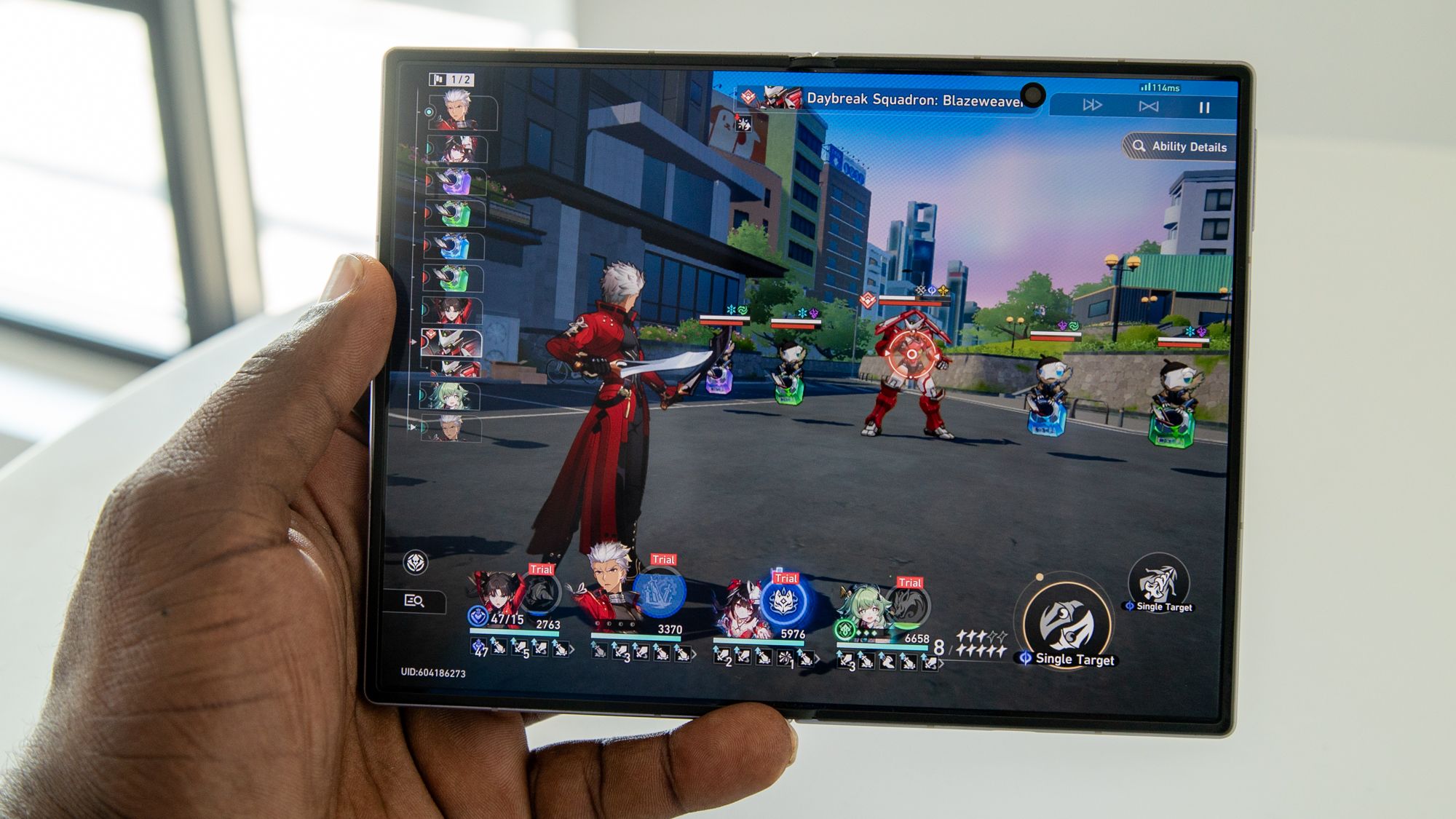
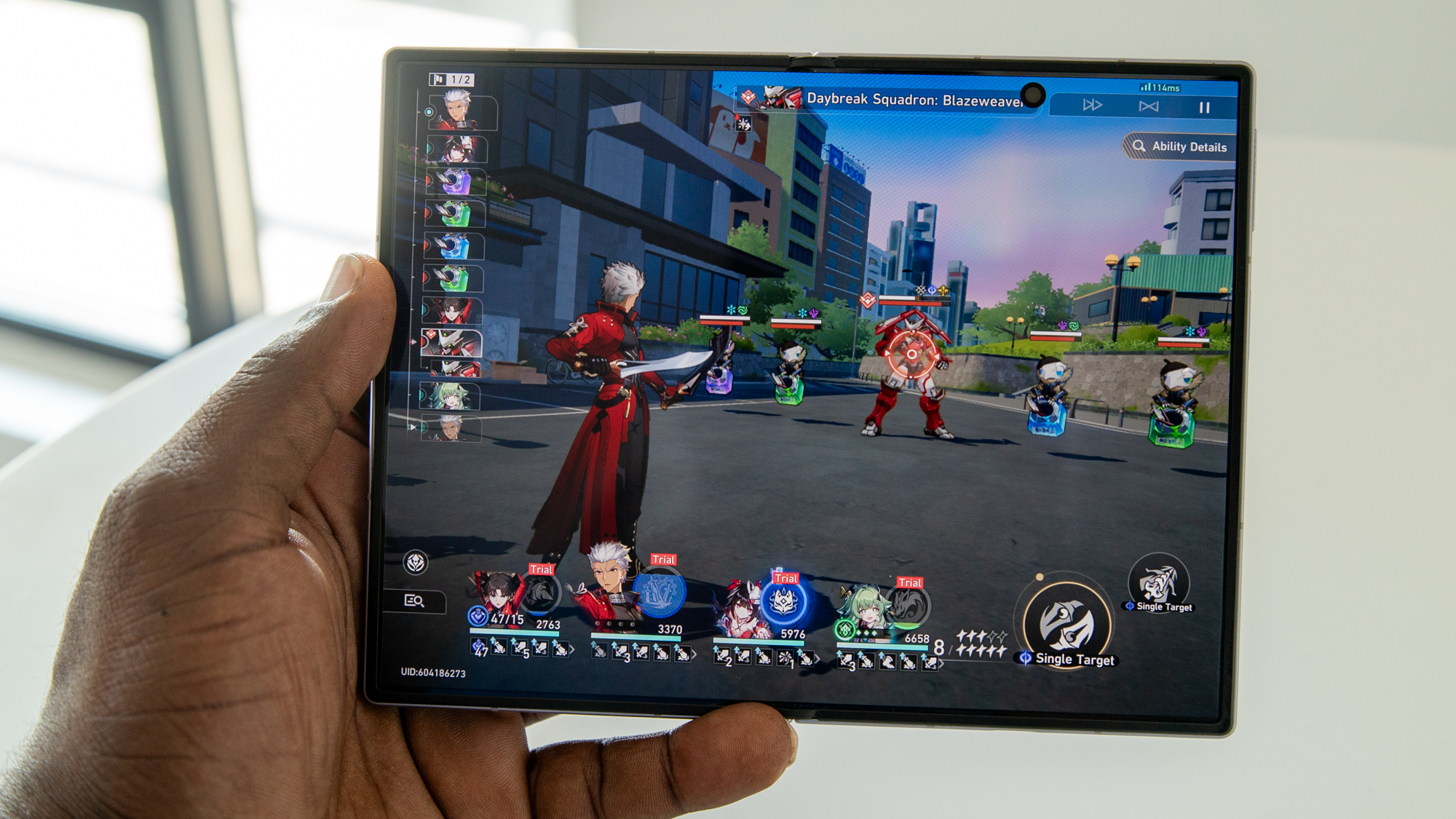
The industry pivot began in earnest with the refinement of the "book-style" foldables. The introduction of the Galaxy Z Fold 8 and the emergence of the iPhone Duo series signaled a definitive change in design philosophy. By expanding the aspect ratio of the cover screen, manufacturers have effectively bridged the gap between a conventional flagship smartphone and a tablet.
- Q1-Q2 2026: Initial skepticism regarding the longevity of the foldable trend was met with a steady increase in panel shipments. Supply chain analysts noted that as manufacturing yields improved, the cost-to-performance ratio of these displays began to favor wider designs.
- Q3 2026: Despite a broader market decline, the "wide-screen" segment saw a surge in adoption. Consumers began viewing these devices not just as luxury novelties, but as legitimate productivity tools.
- Current Forecast (Q4 2026 & Beyond): Omdia’s data suggests that wide-screen foldable displays will account for 44% of total foldable panel shipments by the end of the year, signaling that this design language is no longer an experiment but a core product pillar for premium hardware vendors.
Supporting Context: Metrics and Market Volatility
The optimism surrounding foldable displays stands in stark contrast to the grim reality of the global smartphone market. In Q3 2026, the industry experienced one of its most challenging periods in fourteen years. Research indicates that the market dropped by 20% year-over-year, a decline driven by a confluence of macroeconomic factors, including an "extreme memory shortage" that has inflated component costs.
The Cost-of-Living Impact
Consumers are increasingly critical of their upgrade cycles. With flagship devices breaching new price ceilings, the "why upgrade?" mentality has taken root. When a standard smartphone costs upwards of $1,000, consumers are demanding more value—either in longevity or utility. This is where the foldable category finds its leverage. A device that can function as a phone, a tablet, and a mobile workstation justifies its premium price point more effectively than a marginal incremental update to a standard slab phone.
Samsung’s Strategic Dominance
Samsung remains the primary engine of this growth. By serving as the exclusive display supplier for the flagship "wide-fold" devices—including the Galaxy Z Fold 8 and the iPhone Duo—the company has secured a dominant position in the component supply chain. This vertical integration allows Samsung to maintain a competitive advantage over rivals like BOE, China Star, Tianma, and Visionox, who are still racing to match the consistency and volume of Samsung’s LTPO AMOLED output.
Official Statements and Industry Analysis
Brain Huh, Principal Analyst at Omdia, provided critical insight into the supply chain shift, noting: "Display shipments for wide-screen foldable smartphones are expected to account for 44% of total foldable panel shipments in 2026." This statistic is indicative of a broader industry consensus: the "narrow" foldables of yesteryear are being phased out in favor of designs that mirror the usability of traditional flagship smartphones.
Industry experts suggest that the successful reception of the Fold 8 series serves as a blueprint for the future. By prioritizing a more natural, wider outer display, Samsung has effectively mitigated the "friction of use" that previously deterred mainstream consumers from adopting foldable technology.
Investigative Perspective: Is the Growth Sustainable?
While the 44% growth figure for foldable displays is impressive, it is vital to contextualize these numbers. A growing segment in a shrinking market does not necessarily guarantee an industry-wide recovery. The current "boom" in foldable displays is essentially a flight to quality. Consumers who are still purchasing phones in this difficult economic climate are gravitating toward the most versatile, high-end options available.
The "Missing" Entry-Level
The report also touches upon Apple’s strategy, specifically the absence of a base-model iPhone 18, focusing instead on the 18 Pro and Pro Max tiers. This strategy mirrors the wider industry trend: focusing on high-margin, premium hardware to offset lower overall shipment volumes.
The question remains: can the foldable market expand beyond the "ultra-premium" tier? Current research suggests that as manufacturing efficiencies increase, the cost of wide-screen foldable panels will eventually decrease, potentially opening the door for mid-range foldables by 2027 or 2028. However, for the immediate future, the foldable segment remains a sanctuary for high-end buyers.
Future Outlook: The Road to 2027
Looking ahead, the foldable smartphone landscape appears to be entering a period of consolidation. The "wide-screen" form factor has clearly won the design battle, and the focus will likely shift from hardware geometry to software optimization.
Key Factors to Watch:
- Software Ecosystem: Hardware is only as good as the applications that support it. Expect a renewed push from Google and Apple to further refine the foldable UI experience, ensuring that apps transition seamlessly between cover screens and main displays.
- Component Pricing: The aforementioned "extreme memory shortage" is the primary bottleneck. If component prices stabilize, we may see a more aggressive expansion of foldable devices into the upper-mid-tier market.
- Sustainability of Demand: Can the foldable segment continue to grow at 44% if the global economy remains stagnant? The answer lies in the utility. As these devices become more durable and the software matures, they will likely transition from a niche status symbol to a standard tool for power users.
Conclusion
The trajectory of the foldable market in 2026 is a testament to the power of design-led innovation. Despite the broader industry’s "downward trajectory," the pivot to wide-screen foldables has provided a vital lifeline for display manufacturers and OEMs alike. While the market may be facing its most difficult year in over a decade, the success of the Galaxy Z Fold 8 and its peers proves that there is still significant consumer appetite for hardware that pushes the boundaries of what a phone can do. The "wide fold" is not just a trend; it is the new baseline for the next generation of mobile computing.