Executive Overview: A Paradigm Shift in Personal Health Tracking
In an era where wearable technology has transitioned from a niche hobby to an essential component of personal healthcare, Samsung is doubling down on its commitment to precision and accessibility. As of October 14, the tech giant has officially rolled out a comprehensive update to the Samsung Health platform, focusing on two critical pillars of physical well-being: restorative sleep and athletic performance.
By streamlining the entry requirements for its "Sleep Coach" and expanding the technical capabilities of its "Running Coach," Samsung is moving beyond passive data collection. The company is actively attempting to bridge the gap between raw biometrics and actionable lifestyle changes. This update, which follows a string of significant enhancements throughout 2024, signals a strategic pivot toward personalized, AI-driven health guidance, aimed at making elite-level wellness analytics accessible to the average user.
Detailed Chronology: From Static Data to Dynamic Coaching
For years, users have complained that health apps provide an abundance of data but a dearth of context. Samsung’s latest update directly addresses this friction, particularly within the Sleep Coach module.
The Sleep Coach Revolution
Previously, users were required to provide a full seven days of sleep data within a single month before the algorithm could generate a personalized coaching program. For many, this barrier to entry was high, leading to abandonment before the tracking benefits could even be realized.
With the current update, the threshold has been slashed to just three days of data collected over a two-week period. This aggressive reduction in the "data hurdle" allows new users to begin their journey toward improved sleep hygiene almost immediately after unboxing a new device.
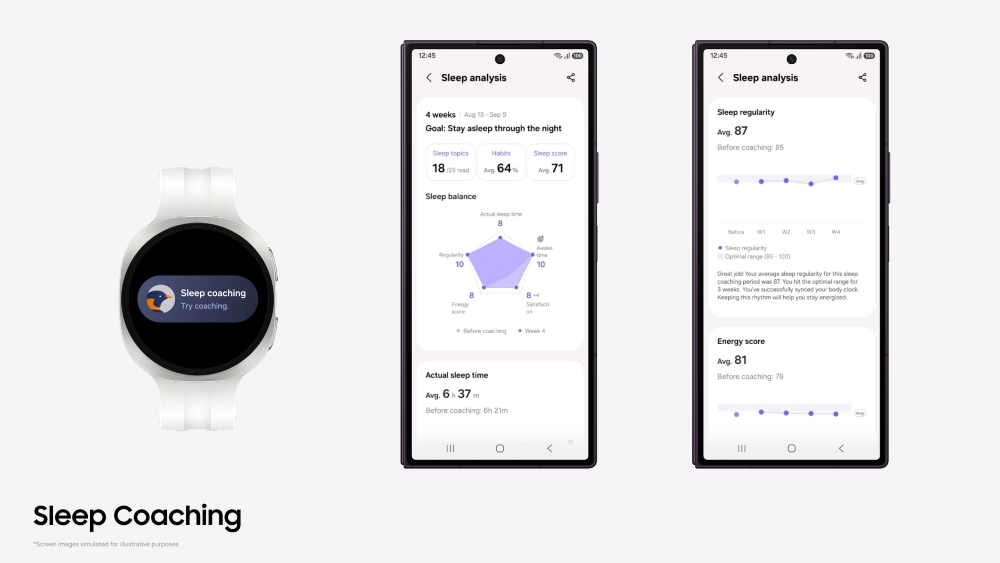
The integration of the new Sleep Balance graph is the logical next step in this evolution. This visual dashboard consolidates disparate data points—including sleep duration, regularity, nocturnal wakefulness, sleep satisfaction, and the proprietary Energy Score—into a singular, glanceable interface. By surfacing these trends, Samsung is empowering users to identify "sleep debt" or lifestyle triggers that were previously buried in menus.
The Running Coach Expansion
On the athletic front, the Running Coach has received a structural upgrade designed to cater to a broader spectrum of fitness enthusiasts. Recognizing that its user base includes both casual joggers and serious marathon trainees, Samsung has expanded its training tiers from 10 to 12. This expansion is not merely cosmetic; it provides higher-intensity benchmarks and more sophisticated progressions for intermediate and advanced runners.
Furthermore, the continued collaboration with Strava remains a cornerstone of the platform. By allowing users to import complex routes directly from Strava into the Samsung Health environment, the company is positioning its app as an interoperable hub rather than a walled garden. This is a critical development for athletes who rely on third-party community data to plan their training cycles.
Supporting Context & Metrics: The Science of Wellness
To understand why these updates matter, one must examine the metrics Samsung is prioritizing. The modern Samsung Health ecosystem is built upon the "Vitals" framework, which aggregates five key indicators:
- Heart Rate: The baseline for cardiovascular exertion.
- Heart Rate Variability (HRV): A primary indicator of stress and recovery.
- Respiratory Rate: Essential for monitoring sleep quality and oxygen efficiency.
- Skin Temperature: A leading metric for early illness detection.
- Blood Oxygen (SpO2): A vital sign for identifying potential sleep apnea or respiratory issues.
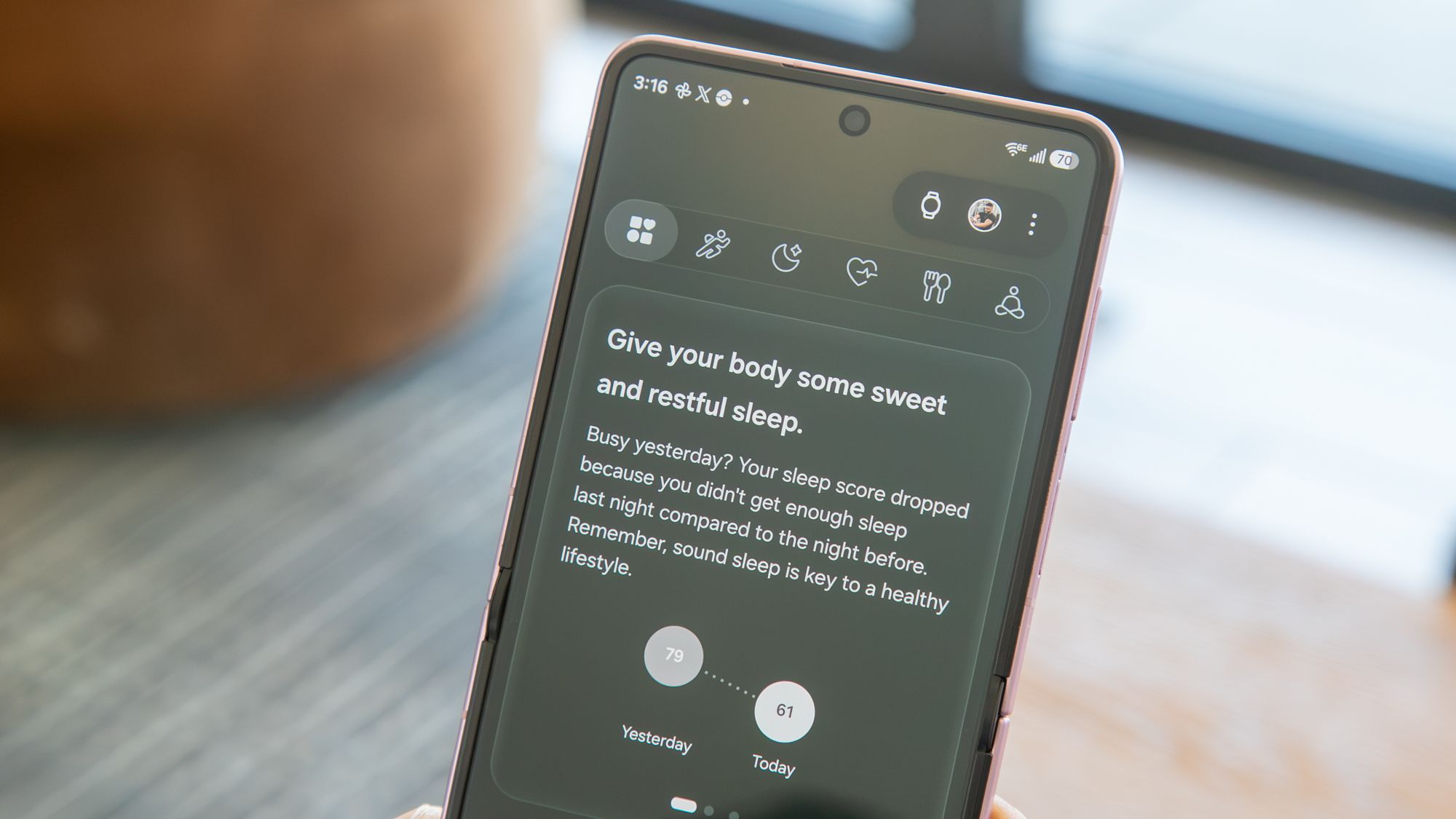
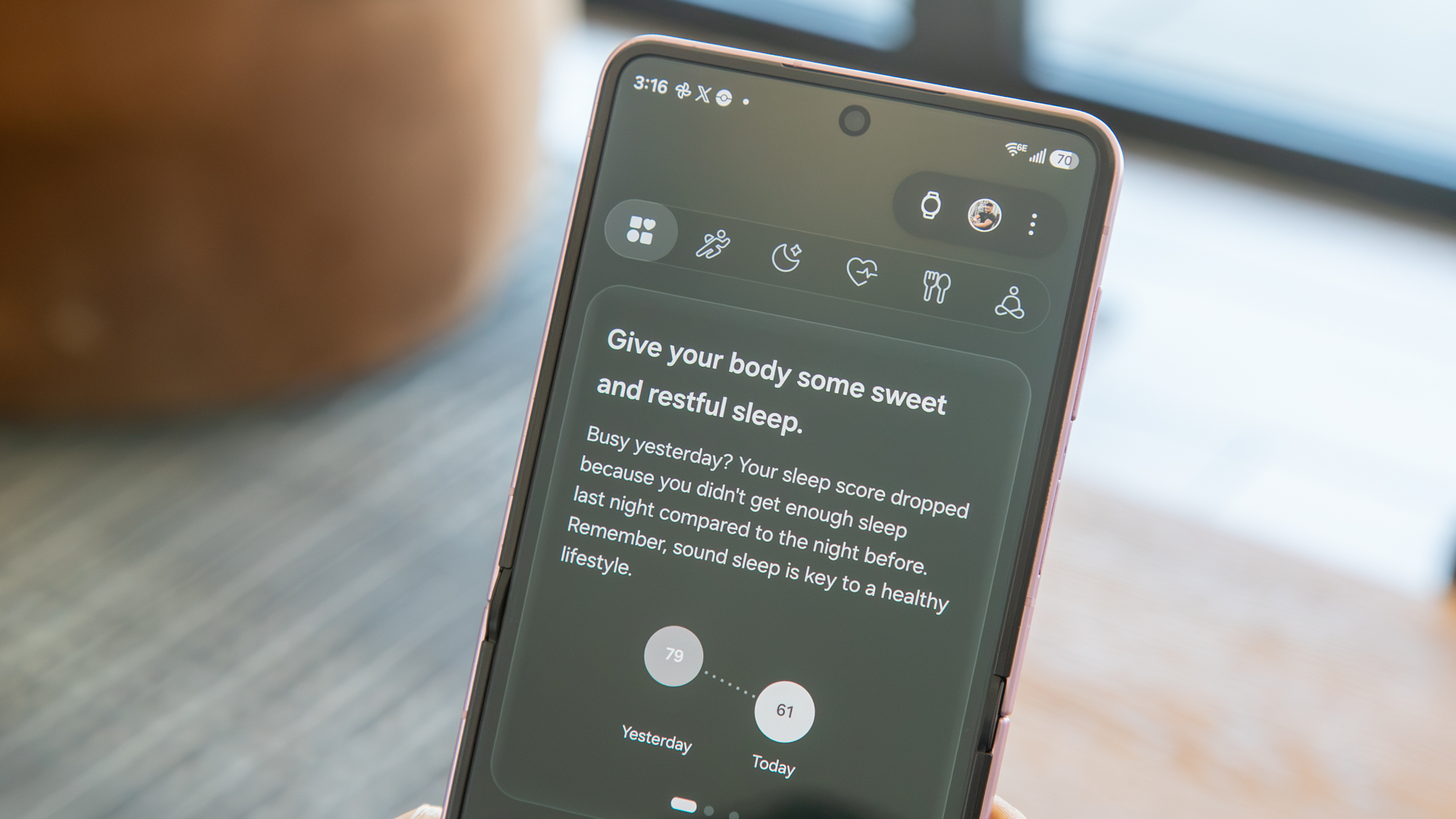
By synthesizing these metrics with the AI-driven Energy Score, Samsung is attempting to provide a holistic "readiness" score. The shift is clear: instead of telling a user they slept for six hours, the app now uses the Sleep Coach to explain why that sleep may have been non-restorative, citing factors like caffeine intake, irregular bedtimes, or high sleep-interruption rates.
The inclusion of the new survey mechanism—which asks users about their specific habits, including coffee consumption and late-night routines—is a masterclass in contextualized AI. By combining subjective self-reporting with objective biometric data, the algorithm generates a "four- to eight-week coaching program" that is arguably more effective than generic advice found in traditional fitness applications.
Official Statements and Technical Rationale
Samsung’s official communications regarding this update emphasize "tailored guidance" and "accessibility." In a recent company Newsroom post, representatives highlighted that the primary motivation for these changes was to lower the "psychological and technical barriers" to consistent health monitoring.
"Sleep tracking tells users how they slept; our mission is to turn that data into daily habits," the company stated. The rationale for the three-day requirement is rooted in clinical feasibility. Samsung’s internal data suggests that the variance in sleep patterns for most adults is detectable within a 72-hour window, rendering the older seven-day requirement redundant for initial assessment.
The expansion of the Running Coach is similarly driven by data. Samsung noted a significant surge in high-intensity workouts logged via the Galaxy Watch series over the past year. By adding two additional tiers to the training program, Samsung is acknowledging that its hardware is being used by an increasingly athletic demographic that demands granular control over their performance metrics.
Future Outlook: The AI-Driven Frontier
Looking ahead, the trajectory of Samsung Health is unmistakably aligned with the broader integration of Large Language Models (LLMs) and predictive analytics.
The Path to Proactive Healthcare
We are entering a phase where the app acts less like a recorder and more like a diagnostic assistant. The "Health Heart Score" is currently the most prominent example of this. By tracking longitudinal heart analytics, the app can now flag deviations that are statistically significant enough to warrant a consultation with a medical professional. This is the "holy grail" of wearable technology: moving from quantified self to quantified wellness.
Integration and Interoperability
The future of Samsung Health likely involves deeper integration with the broader "Galaxy AI" ecosystem. We can expect future updates to feature more natural language processing, where a user could theoretically ask their watch, "Why did my Energy Score drop today?" and receive a response based on the correlation between their late-night coffee consumption, their heart rate variability, and their sleep duration.
Closing Thoughts
The October update is a refinement, not a reinvention, but it is a vital one. In a market crowded with competitors—from Garmin’s rugged, performance-focused tools to the Apple Watch’s lifestyle-centric integration—Samsung has found a sweet spot. By focusing on lowering the barrier to entry for coaching and increasing the complexity for those who want it, Samsung is ensuring that its platform remains relevant to a user base that is becoming increasingly savvy about their own biological data.
As wearables continue to evolve, the challenge for companies like Samsung will be to maintain this balance: providing enough data to be useful, but enough context to prevent "data fatigue." For now, with this latest update, Samsung has successfully hit that mark, setting the stage for a more intelligent, responsive, and supportive health-tracking future.
Summary of Key Updates
| Feature | Old Requirement/Status | New Requirement/Status |
|---|---|---|
| Sleep Coach Activation | 7 days of data in 1 month | 3 days of data in 2 weeks |
| Running Coach Levels | 10 tiers | 12 tiers |
| Data Visualization | Basic logs | New "Sleep Balance" graph |
| Ecosystem Sync | Standard sync | Enhanced Strava Route Import |
For users looking to take advantage of these updates, ensure your Galaxy Watch and Samsung Health app are updated to the latest firmware and software versions available via the Google Play Store or the Galaxy Store.