Executive Overview
In the modern consumer electronics landscape, smartphone accessories have evolved from simple aesthetic add-ons into high-stakes insurance policies. With flagship devices like the Google Pixel 8 commanding retail prices upwards of $699, protecting that investment is paramount. Consumers are constantly bombarded by marketing terminology designed to convey supreme durability: "impact absorption," "heavy-duty defense," and the ubiquitous, highly coveted badge of honor known as "military grade."
However, these terms often blur the line between rigorous engineering standards and hollow marketing hyperbole. Do phrases like "military grade" actually translate to real-world protection when a device slips from your hands onto concrete, or are they simply buzzwords engineered to drive sales?
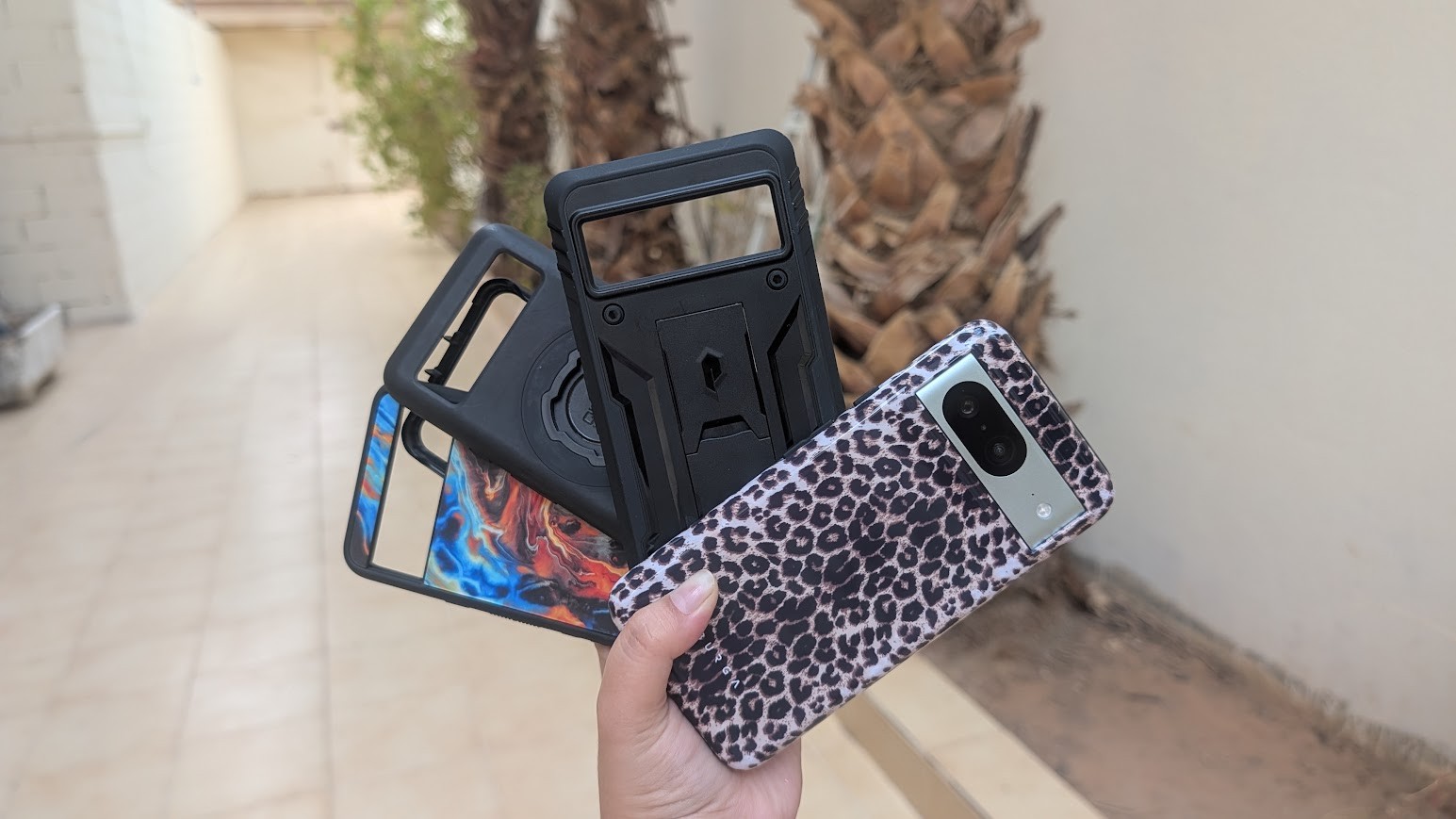
To separate marketing fiction from structural fact, a comprehensive, highly destructive investigative drop test was conducted. Putting a brand-new Google Pixel 8 in the crosshairs, four of the industry’s most reputable accessory lines—Poetic Revolution, Dbrand Grip Case, Quad Lock MAG Case, and BURGA Tough Case—were subjected to punishing trials. From abrasive daily-use simulations to extreme heights and vehicular weight tests conducted under the searing 45°C (113°F) Arabian summer sun, this experiment aimed to uncover just how much abuse a well-engineered phone case can absorb before catastrophic failure.
Detailed Chronology of the Testing Phase
To evaluate these protective shields comprehensively, the testing protocol was divided into three distinct, escalating phases of physical punishment: scratch resistance, standard drop testing, and extreme stress testing.
Phase 1: The Daily Wear Simulation (Scratch Resistance)
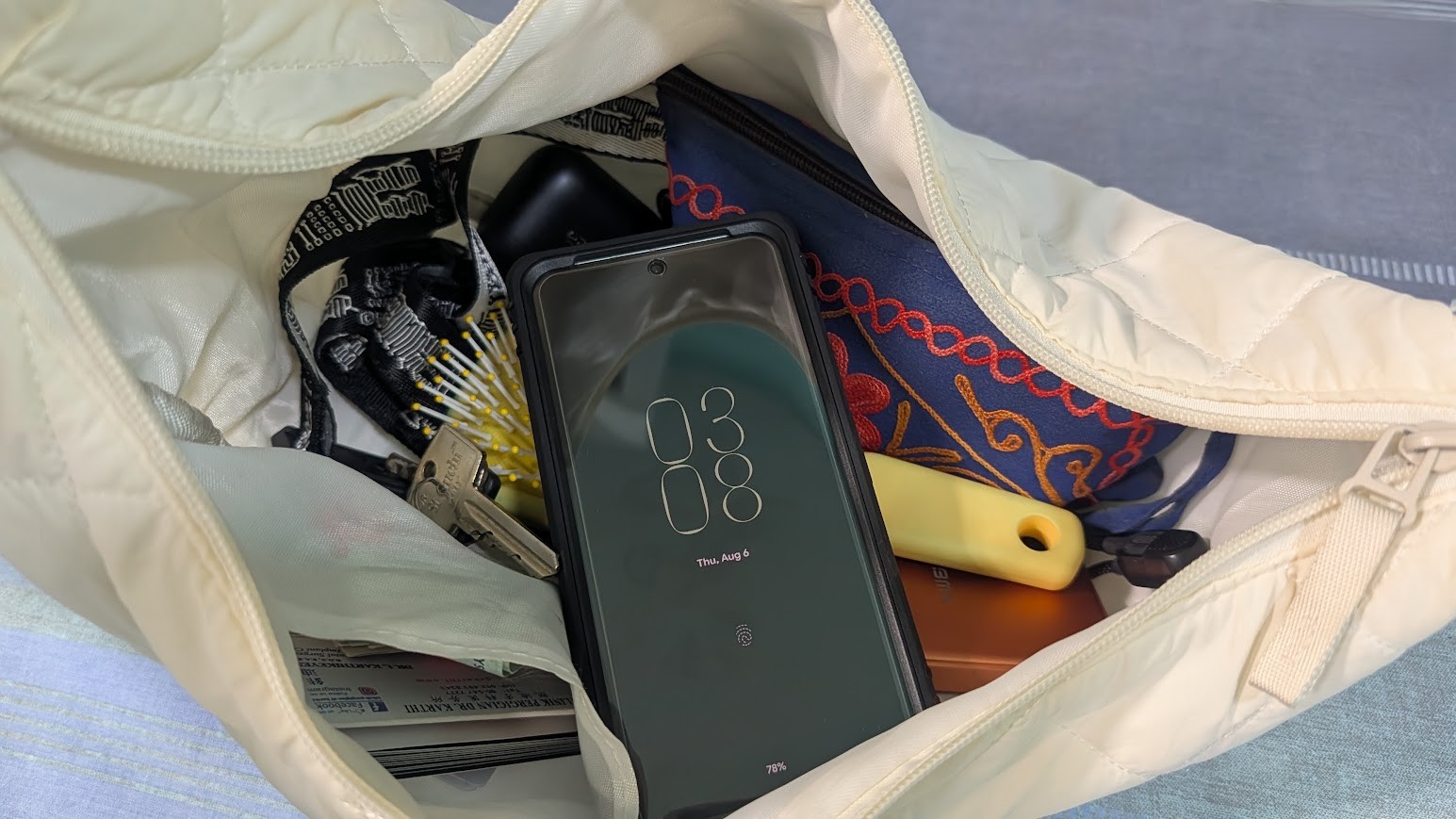
The first challenge was designed to simulate the chaotic environment of a pocket or a handbag. The Google Pixel 8 was placed inside a bag alongside abrasive, dense metallic objects, including a heavy power bank and sharp keys. The bag was shaken aggressively to mimic the rough treatment a phone might endure during a daily commute.
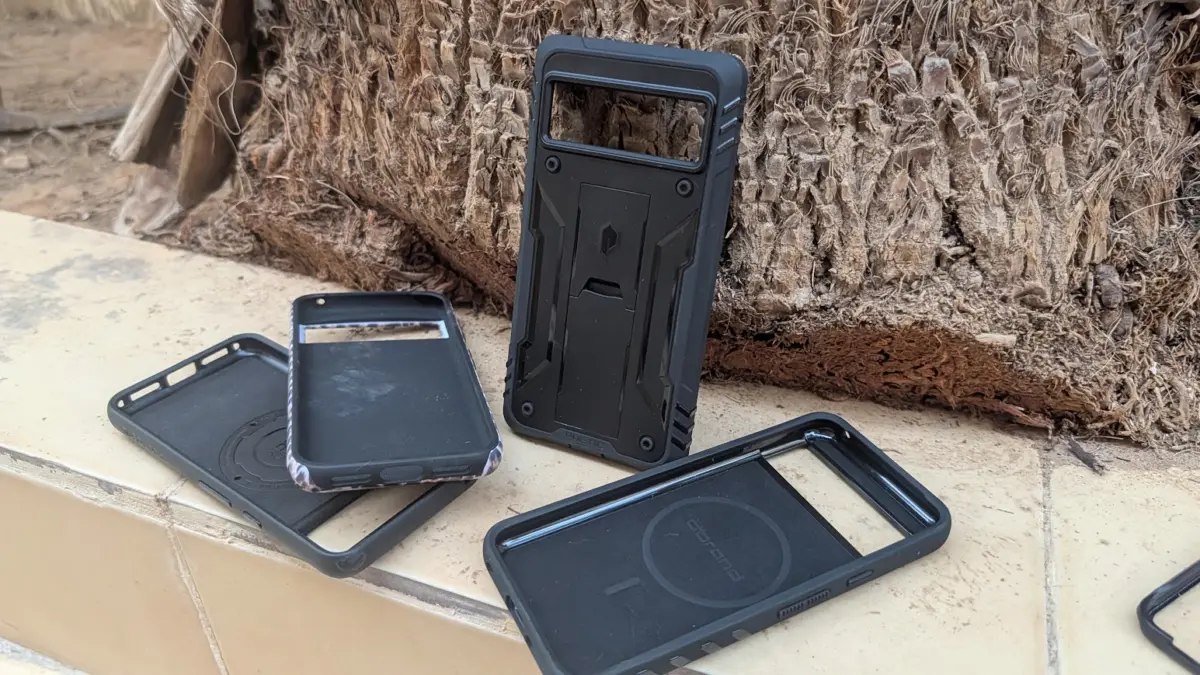
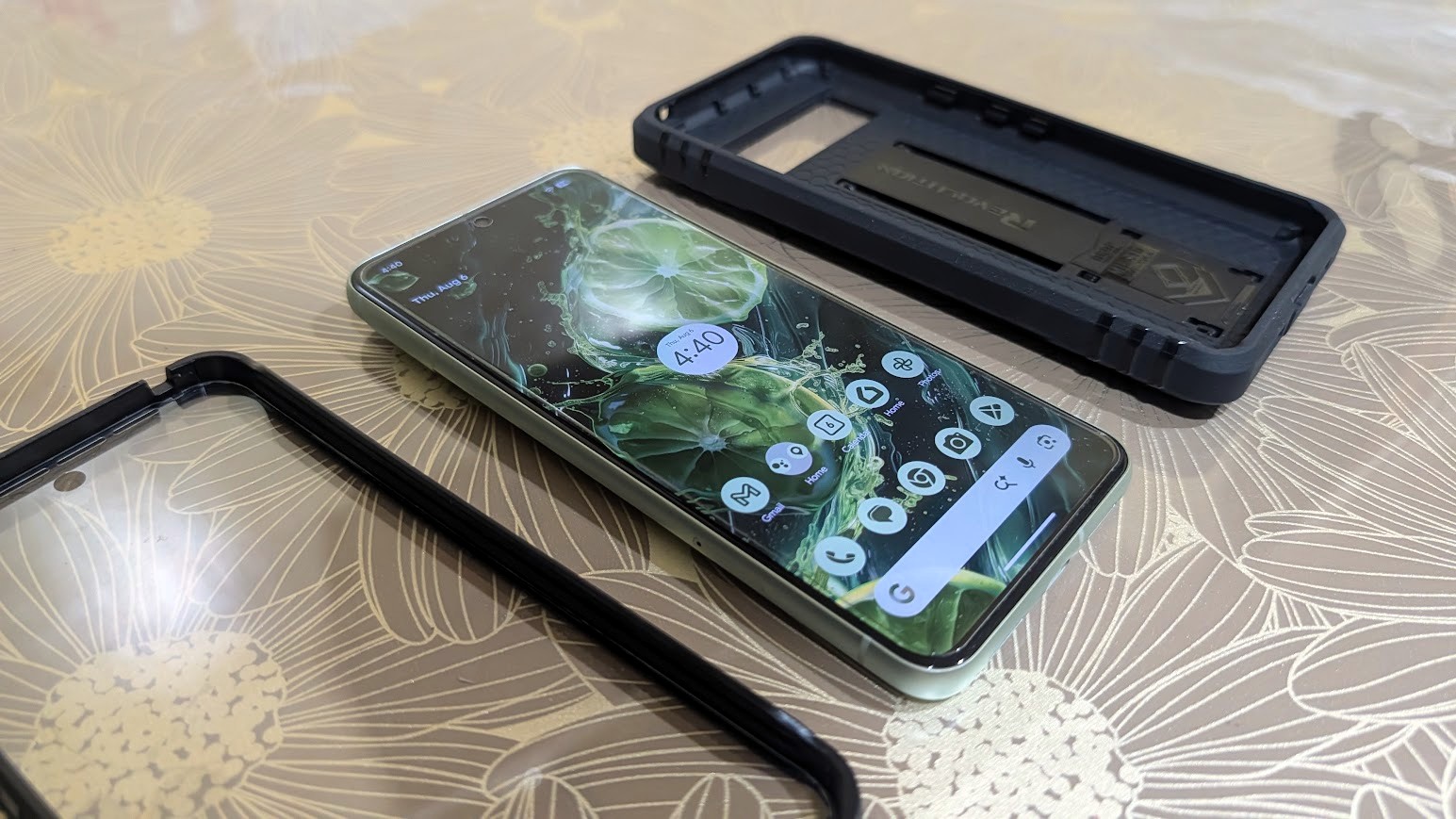
- The Findings: Every case tested—Poetic, Dbrand, Quad Lock, and BURGA—successfully protected the rear panels of the Pixel 8 from scratches. However, standard cases left the front glass exposed. The Poetic Revolution stood out as an exception by including an integrated screen guard. For the other models, users would need a separate tempered glass protector. Removing the heavy-duty cases presented its own minor physical challenge, with the Poetic Revolution proving particularly stubborn, resulting in a cracked fingernail during extraction.
Phase 2: The Five-Foot Tile Drop Test
Moving from passive wear to active kinetic trauma, the everyday-protection contenders (BURGA, Dbrand, and Quad Lock) were subjected to face-down drops from a height of 5 feet directly onto hard tiled flooring. This height exceeds standard baseline tests.
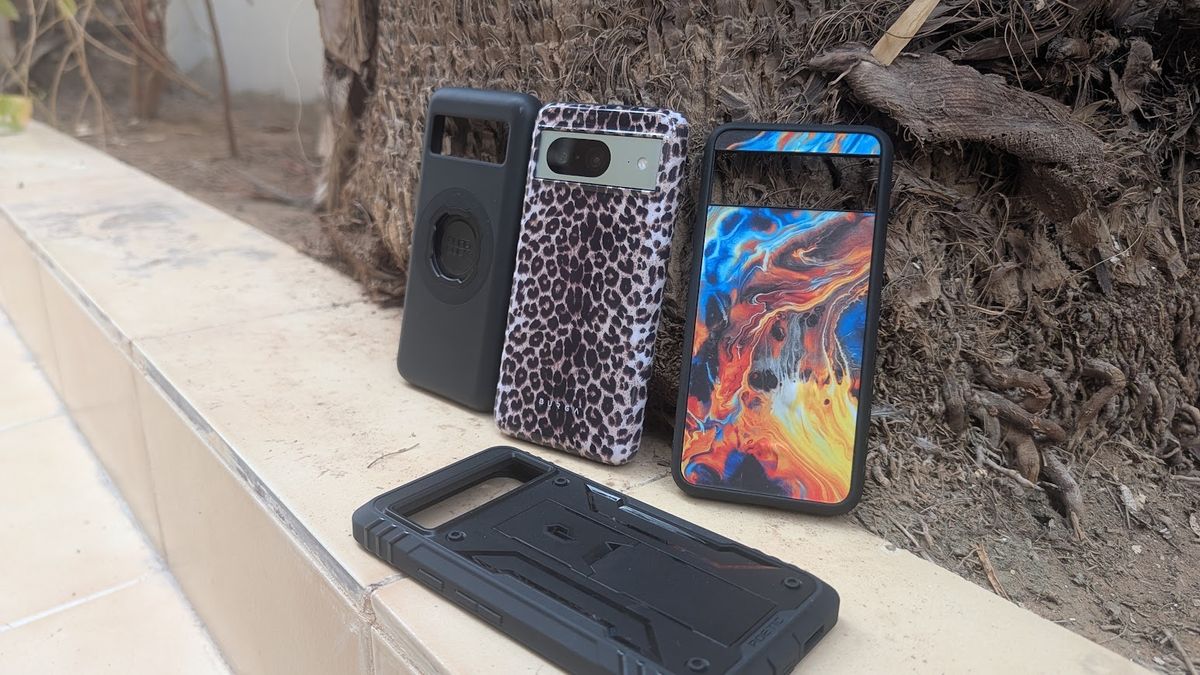
- The Findings: Remarkably, all four cases—including the everyday options—survived the 5-foot tile drops completely unscathed, protecting both the screen and the chassis from internal and external damage.
Phase 3: The Two-Story Extreme Height Drop
Having cleared the baseline standards, the testing moved on to the heavy-duty champion: the Poetic Revolution, which boasts a rating for 20-foot drop resistance (roughly equivalent to falling from the second floor of a residential building).
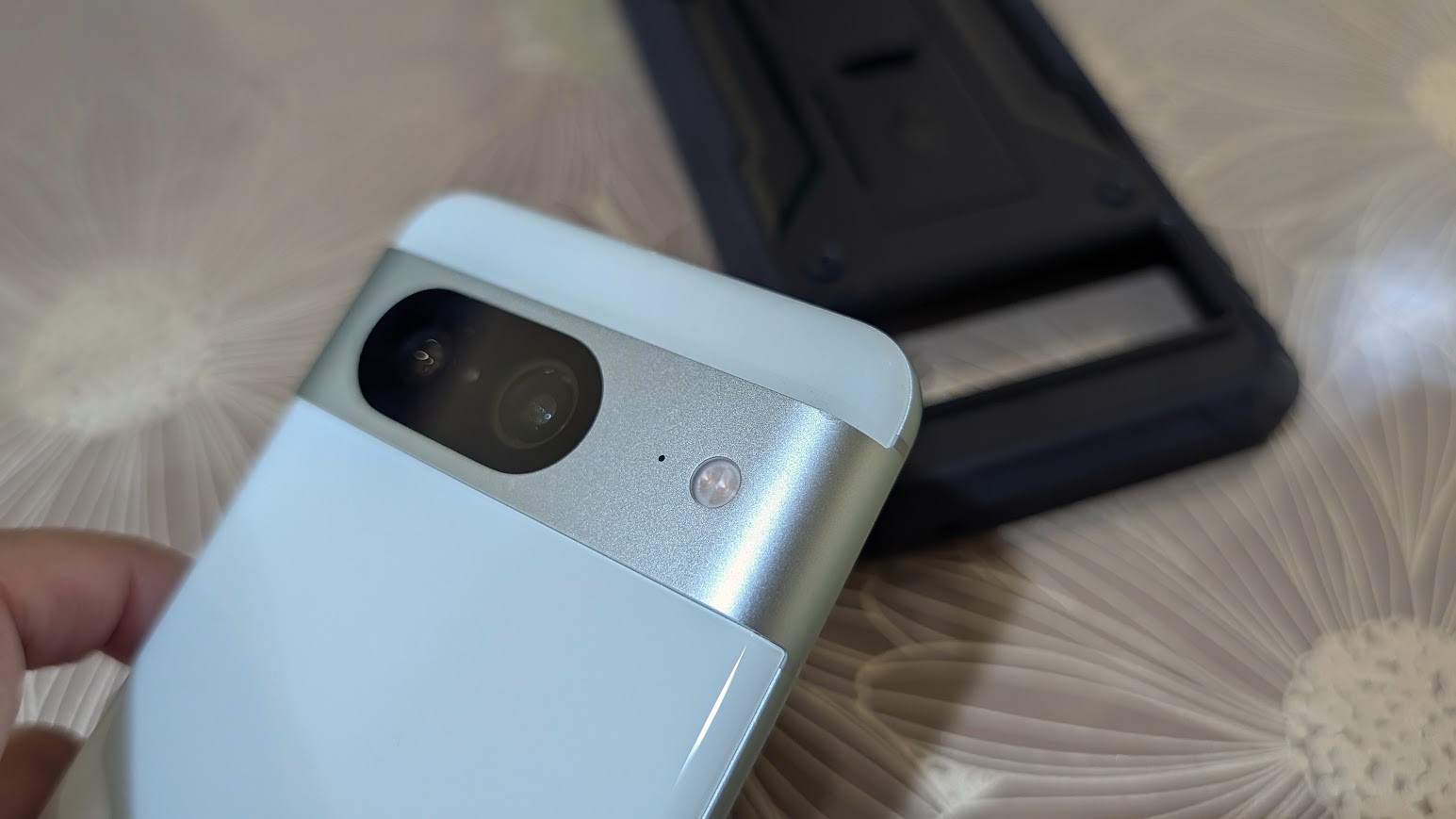
- The Findings: With a powerful heave, the Pixel 8 encased in the Poetic Revolution was hurled from the second-story balcony of a residential home. Upon impact, the kinetic energy caused the outer frame of the case to dislodge from the phone. However, the integrated screen protector remained firmly adhered. Miraculously, the Pixel 8 booted up and functioned flawlessly. There were no shattered lenses, the touchscreen registered inputs accurately, and the only superficial damage was an imperceptible microscopic dent on the front camera bar.
Phase 4: The Vehicular Run-Over Test
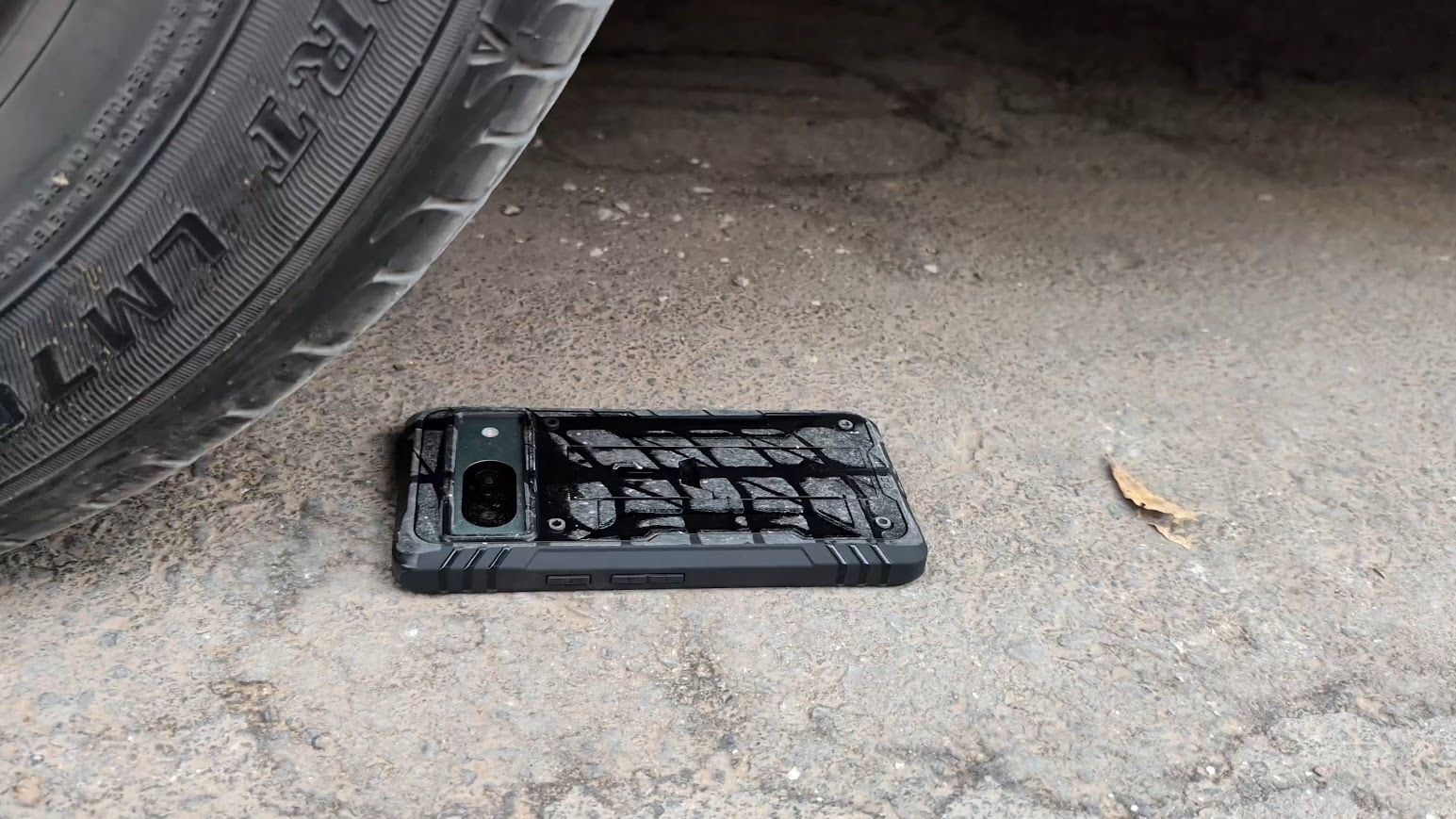
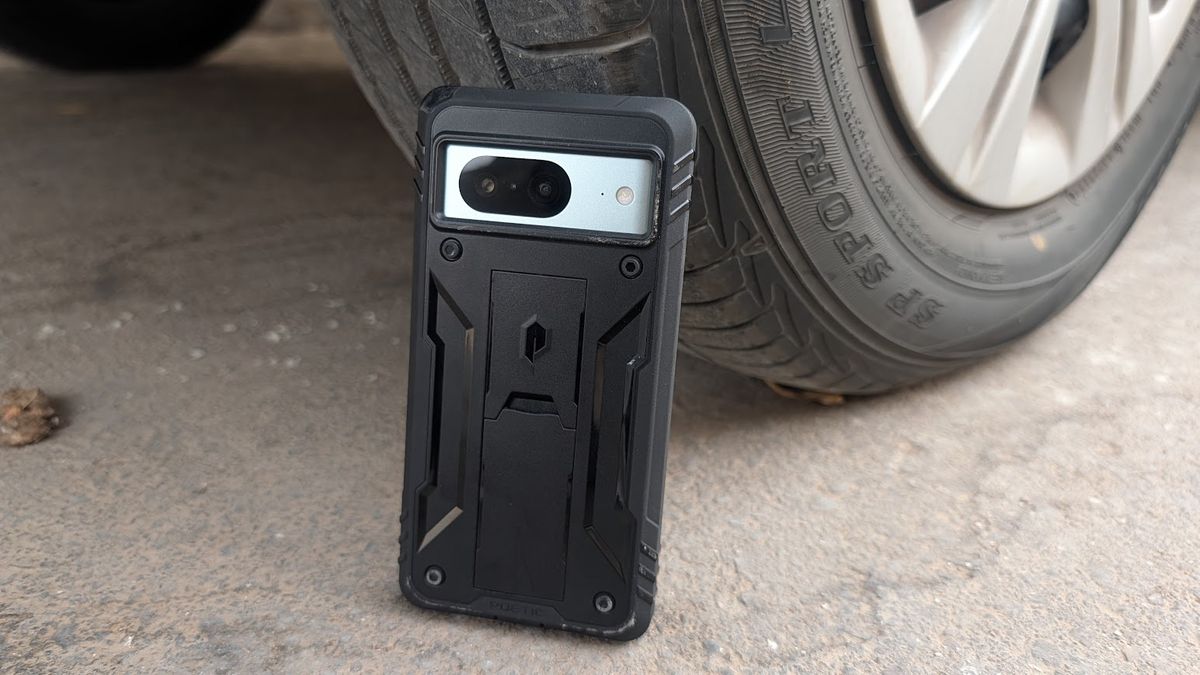
Seeking the absolute breaking point of modern casing engineering, the final, most extreme test involved the Poetic Revolution case and a 7-seater MPV.
- The Findings: As the vehicle rolled directly over the encased device, the mechanical pressure pushed the protective architecture to its absolute physical limits. Surprisingly, the phone survived the initial test: the touchscreen operated, audio streamed cleanly, wireless modules (Wi-Fi and Bluetooth) functioned normally, and calls could be made.
However, removing the case revealed the toll of the experiment. The lower portion of the Pixel 8’s glass back bore spiderweb-like fractures. While the device remained completely operational—even withstanding a subsequent water rinse (a practice strictly not recommended for compromised glass backs)—it proved that even military-grade heavy-duty cases have a finite breaking point.
Supporting Context and Metrics: Understanding "Military Grade"
To contextualize these extreme results, it is vital to understand what terms like "military-grade drop protection" actually mean in an engineering context. According to industry leaders like SUPCASE, true military-grade compliance is rooted in standardized testing frameworks (such as MIL-STD-810G).
Under this standard, a compliant device or case typically undergoes a grueling battery of trials, including 26 consecutive drops from a height of 4 feet onto a dense plywood surface laid over a concrete foundation backed by steel.
The cases selected for this investigation span a wide price and structural spectrum:
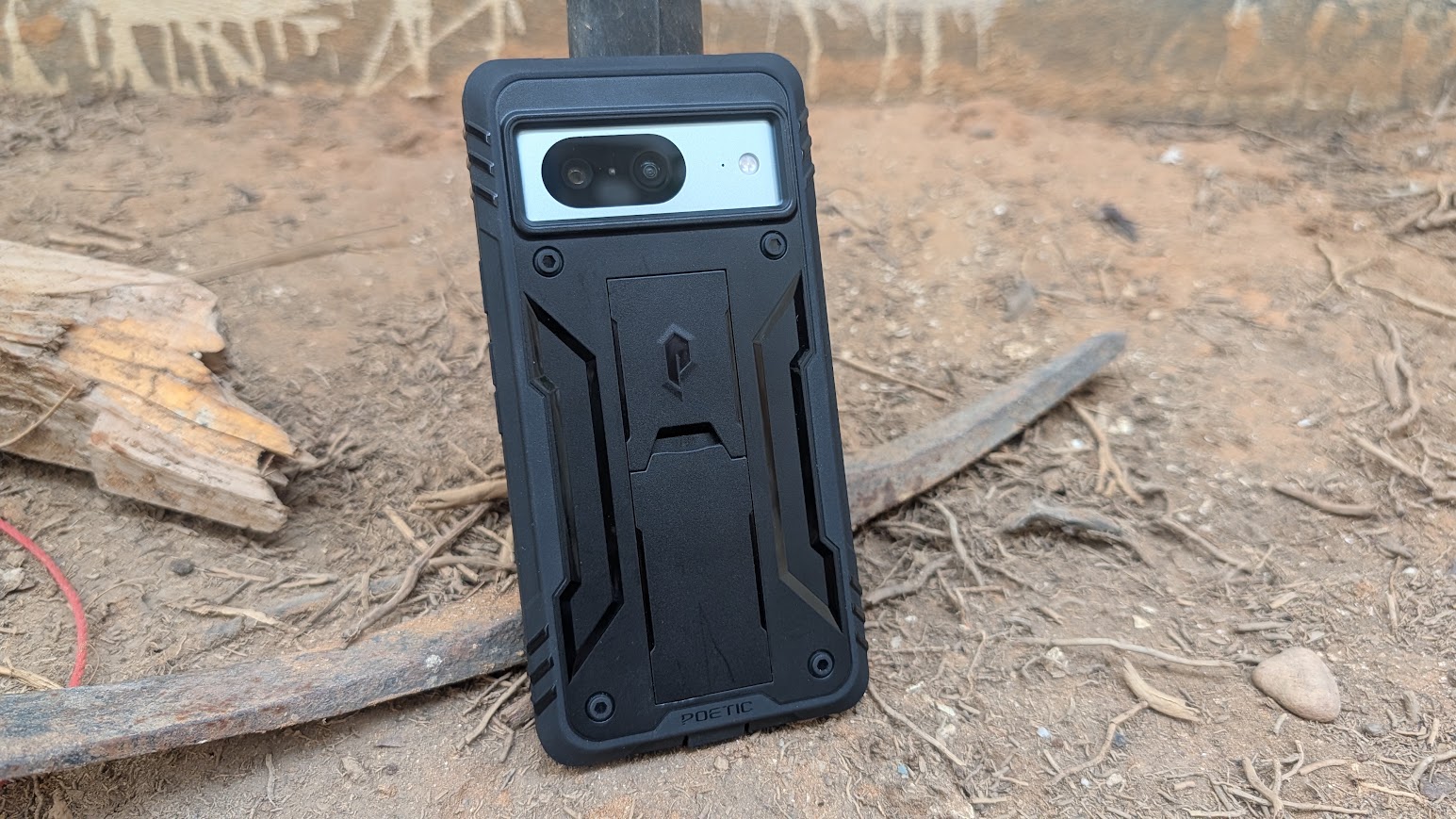
- Poetic Revolution: Positioned as a heavy-duty contender, offering full-body coverage, integrated screen defense, and an advertised 20-foot drop threshold. Mid-range to high value for its defensive capabilities.
- Dbrand Grip Case: Known for its textured ergonomics and certified impact resistance, though it relies on structural geometry rather than quoting explicit drop-height metrics.
- Quad Lock MAG Case: Integrates everyday drop protection with a robust, proprietary magnetic mounting ecosystem for active lifestyles.
- BURGA Tough Case: Balances dual-layer protection with high-fashion aesthetic prints, targeting everyday consumer drop defense.
The testing environment added another layer of severity. Conducting these physical trials under a blistering 45°C (113°F) Arabian summer meant that polymer case materials were subjected to thermal softening, which can alter how plastics absorb and dissipate kinetic impact energy. Despite the thermal stress, the structural integrity of the cases held up remarkably well.
Official Industry Insights and Expert Takeaways
Industry manufacturers consistently emphasize that drop protection is a science of energy dissipation. When a phone hits a hard surface, the kinetic energy must go somewhere. Cheap, unbranded knock-off cases often transfer this shock directly into the device’s internal logic board or glass panels, causing silent internal fractures even if the exterior looks intact.
Reputable brands invest heavily in shock-absorbing TPU (Thermoplastic Polyurethane), reinforced corner bumpers, and multi-layer polycarbonate shells to disperse kinetic forces away from vulnerable points like camera modules and display connectors.
The primary takeaway from this investigative stress test is clear: quality matters. The marketing terminology used by established brands is not merely empty sales jargon; when backed by reputable engineering, these cases serve as robust shock absorbers capable of surviving everything from clumsy pocket fumbles to accidental high-altitude tumbles.
Future Outlook: What Lies Ahead for Smartphone Protection?
As smartphone designs continue to push boundaries—featuring foldable displays, ultra-thin profiles, and expensive ceramic or glass backs—the demand for advanced material science in accessories will only accelerate.
Looking forward, we can expect case manufacturers to adopt aerospace-grade materials, advanced non-Newtonian fluids (which remain flexible until impacted), and smarter energy-scattering geometries that reduce bulk while increasing drop thresholds. Furthermore, as sustainability becomes a priority, the industry faces the challenge of marrying extreme durability with biodegradable or recycled polymers.
For the everyday consumer, the lesson remains definitive: investing in a certified, high-quality protective case from a trusted manufacturer is the single most cost-effective insurance policy you can buy for a modern flagship smartphone.