Executive Overview: A New Vision for Ambient Computing
The landscape of home entertainment is shifting rapidly, moving away from simple "dumb" boxes toward sophisticated, AI-integrated ambient hubs. Recent reports indicate that Google is already deep into the development of a successor to the current Google TV Streamer. While the existing model—which replaced the beloved Chromecast line—has solidified its place as a premium contender in the streaming market, the next iteration promises to fundamentally alter how users interact with their television ecosystem.
By shifting toward a design that prioritizes hands-free control, presence-based automation, and significant internal hardware upgrades, Google is positioning its next streaming device not just as a content delivery system, but as a central node in the modern smart home. This report analyzes the leaked specifications, the strategic implications of these hardware shifts, and what consumers should expect from the next phase of the Google TV experience.
Detailed Chronology: From Chromecast to the Streamer Era
To understand the significance of the upcoming hardware, one must look at the trajectory of Google’s living room strategy.
The Chromecast Legacy
For years, the Chromecast dongle was the gold standard for budget-friendly, simple streaming. However, as user expectations shifted toward robust interfaces and standalone remote control, the "Chromecast with Google TV" was born. It bridged the gap between a simple cast receiver and a full-fledged smart TV platform.
The Rise of the Google TV Streamer
In 2024, Google pivoted again with the launch of the Google TV Streamer. Moving away from the "hidden dongle" form factor, Google introduced a desktop-style console that featured expanded storage and better connectivity. Despite a recent $50 price hike, the device has remained a favorite among enthusiasts for its snappy performance and clean software UI.
The Development Pipeline
According to recent industry leaks, the "Next-Gen" Streamer project is already in an advanced state of development. While the current model is still relatively fresh, the rapid pace of AI integration—specifically the rollout of Gemini for Google TV—has necessitated a hardware refresh to accommodate more complex local processing and environmental sensing.
Supporting Context: Engineering a Smarter Living Room
The rumored upgrades for the next-generation streamer are not merely iterative; they represent a fundamental change in how the device handles user intent and environmental awareness.
1. Hands-Free Voice Integration
The most significant potential shift is the inclusion of built-in far-field microphones. Currently, interacting with Google’s AI, Gemini, requires the user to manually trigger the microphone on the remote control. This creates a point of friction that feels increasingly antiquated in a world of smart speakers.
By embedding far-field microphones directly into the chassis of the streamer, Google is effectively turning the device into a Nest Audio-like presence. Users will be able to invoke "Hey Google" to launch content, adjust smart home settings, or query information without the need to locate a remote. This move puts Google in direct competition with high-end smart displays, potentially allowing the TV to act as the primary interface for the home during idle time.
2. Presence Sensing: The "Ambient TV" Concept
Beyond audio, the report points to the inclusion of presence-sensing technology. Similar to features found on high-end TCL smart TVs, this capability would allow the streamer to detect when a human enters the room. This transforms the television from a black screen into an ambient display.
Imagine walking into your living room and having your TV automatically wake up to display your Google Photos library, the current weather, or a curated dashboard of your smart home’s status. This is the definition of "ambient computing"—technology that is present when you need it and invisible when you don’t, without requiring a manual "on" command.
3. Hardware Under the Hood: Speed and Capacity
While the current streamer is capable, power users have noted limitations in high-bitrate streaming and local app storage. The next-gen model is expected to:
- Upgrade the Processor: A more efficient, faster chipset to handle the increased overhead of AI-driven voice processing and smoother UI navigation.
- Expanded Storage: Moving beyond the current 32GB threshold to accommodate larger gaming libraries and cache-heavy apps, ensuring the device stays relevant for several years.
4. Remote Control Refinements
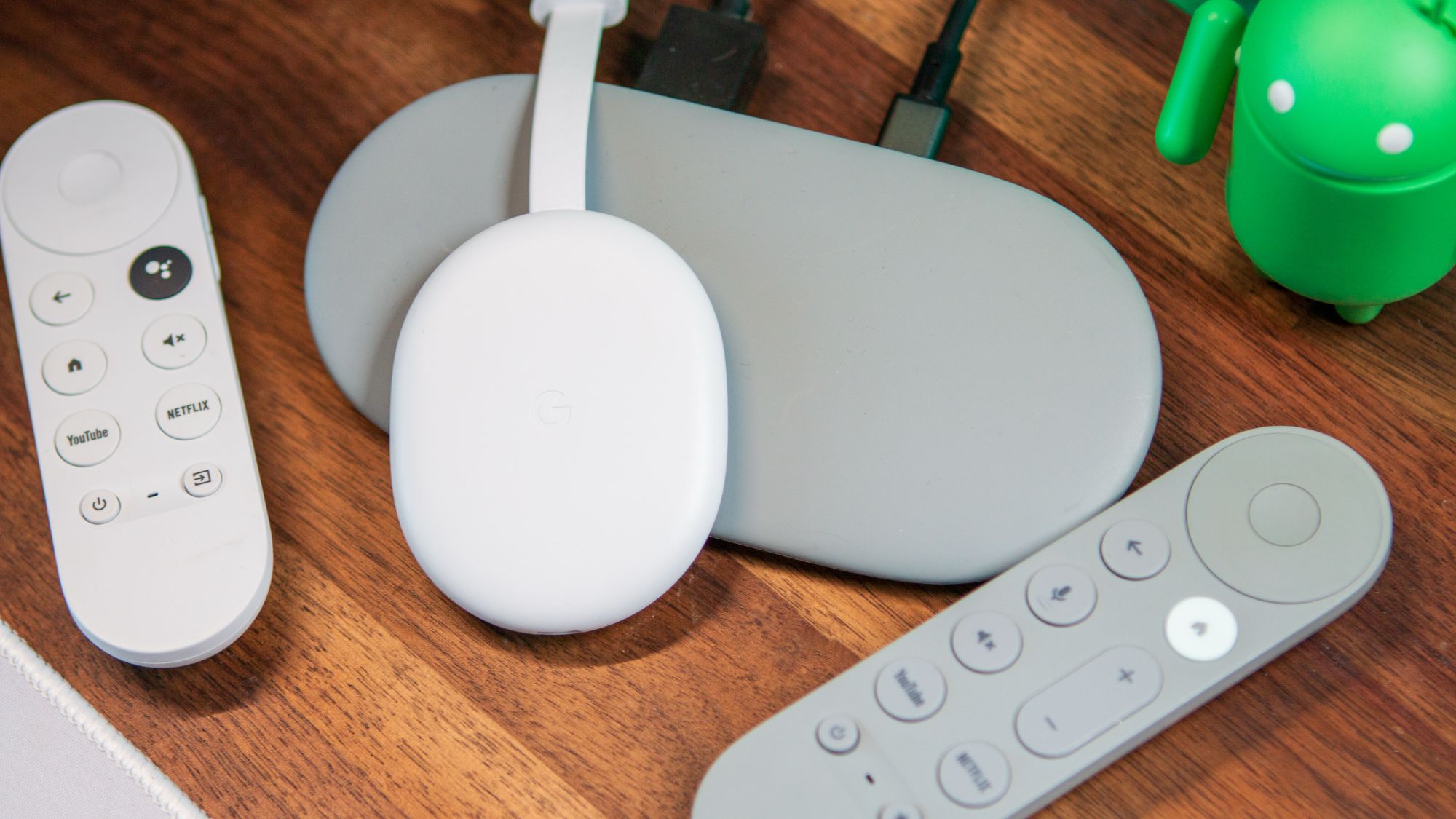
The physical interaction layer is also getting a refresh. The report suggests the inclusion of two additional shortcut buttons for YouTube and Netflix, further streamlining access to the most popular streaming services. Perhaps more importantly, the device is rumored to include a dedicated "Find My Remote" trigger. This addresses one of the most common user pain points in modern home entertainment: the elusive remote.
Strategic Implications and Competitive Metrics
Google’s strategy must be viewed through the lens of a highly competitive market. With Apple reportedly prepping a new version of the Apple TV 4K, the timing of these leaks is strategic.
The War for the Living Room
The streaming device market has become saturated with low-cost options like Roku and Amazon Fire TV. By pushing into the premium, AI-integrated space, Google is attempting to differentiate itself. While Amazon has the Echo Show and Apple has the Apple TV/HomePod ecosystem, Google is attempting to unify the two by turning the streaming box into a smart speaker.
Market Positioning
The recent price increase on the current Google TV Streamer suggests that Google is moving away from the "loss-leader" strategy it used with the original Chromecast. They are now targeting a consumer who views their streaming device as a long-term investment. If the next-gen streamer delivers on the promise of integrated AI and presence sensing, it will justify a higher price point by offering a feature set that simple streaming sticks cannot match.
Future Outlook: When Should You Upgrade?
As of now, there is no official release date. However, industry trends suggest a fall launch cycle is likely.
Should you wait?
- If you are currently using an older Chromecast: The jump to the current Google TV Streamer is already massive. If you are struggling with a slow, lagging interface, there is no need to wait for the next generation; the current model is highly capable.
- If you are an early adopter: If you value the "smart home" integration and the promise of a hands-free "Hey Google" experience, it is worth waiting to see what the next-gen hardware offers. The potential for the device to act as an ambient information hub is a game-changer for smart home enthusiasts.
Final Thoughts
The evolution of the Google TV Streamer is a testament to where the smart home is heading. We are moving toward a future where our devices are proactive rather than reactive. By integrating microphones and presence sensors into the streaming box, Google is betting that the most useful AI is the one that is always listening, always watching, and always ready to serve the user without being prompted by a button press.
While we await official confirmation, one thing is clear: Google is not content with simply streaming your favorite shows. They want to be the intelligence behind the entire living room experience. As we look toward the potential announcement later this year, the competition in the streaming space is about to get much more interesting—and much more intelligent.
Stay tuned to this space for further updates as we continue to track the development of Google’s upcoming streaming hardware. We will provide a comprehensive review and comparative breakdown as soon as official specs and pricing are released.