Executive Overview
Remember the golden rule of childhood dining passed down by generations of parents: "No snacking between meals; it’ll ruin your appetite." For Generation Z, that rule isn’t just outdated—it’s entirely non-existent.
According to a comprehensive new report released by Yum! Brands, younger consumers are fundamentally dismantling the traditional three-square-meals-a-day structure. The data reveals that a staggering 20% of all fast-food visits by customers aged 18 to 24 are strictly for snacking—double the rate of diners aged 25 and older. Furthermore, this demographic’s late-night cravings are driving unprecedented foot traffic
, with Gen Z patrons showing up twice as often during the late-night window between 8:00 PM and 10:00 PM compared to older cohorts.
This behavioral shift is not a passing fad; it is a structural transformation in consumer psychology. As Gen Z ages into primary spending power, quick-service restaurant (QSR) giants are forced to abandon decades-old operational playbooks. No longer can fast-food chains rely solely on traditional lunch and dinner rushes. Instead, they are racing to re-engineer their menus, physical footprints, and marketing strategies to capture "permanent snack mode."
From beverage-forward cafe concepts staffed by specialized "Bellristas" to the strategic resurrection of cult-favorite menu items like the Snack Wrap, the fast-food industry is undergoing its most radical transformation in a generation.
Detailed Chronology: The Evolution of the QSR Snack Economy
To understand how the fast-food industry reached this tipping point, it is necessary to examine how consumer habits and corporate responses have evolved over recent years.
The Pre-Pandemic Baseline: Traditional Dayparts
For decades, fast-food marketing departments built their strategies around rigid dayparts: breakfast (6:00 AM – 10:30 AM), lunch (11:00 AM – 2:00 PM), and dinner (5:00 PM – 8:00 PM). Snacks were largely relegated to low-margin value items—a small fry or a 99-cent ice cream cone—ordered as afterthoughts. Late-night dining was historically served by drive-thrus catering to college students or shift workers, but it lacked dedicated culinary innovation.
The Shift to Flexible Schedules (2020–2023)
The global pandemic accelerated changes in how people work, study, and eat. Remote learning, hybrid work environments, and flexible schedules completely eroded the structured routine of the traditional school or office day. Gen Z, shaped heavily by these formative years, adopted hyper-flexible eating habits. Meals became fluid, grazing-style experiences spread across the waking hours.
The Beverage Wars and Cafe Test Labs (2024–2025)
Recognizing that younger consumers viewed beverages not as meal accompaniments, but as standalone experiential snacks, major chains began testing dedicated beverage concepts. Starbucks had long dominated the lucrative $100 billion specialty beverage market, but QSR giants realized they were missing out on high-margin afternoon and evening traffic. Franchises began pouring capital into complex beverage platforms, testing everything from customized cold brews to fruit-infused refreshers.
The Yum! Brands Findings and Strategic Realignment (Late 2026)
The release of the Yum! Brands Food Trends Report in late 2026 provided hard data confirming what operators had suspected: Gen Z’s relationship with food is fundamentally different. The report served as a clarion call for the industry. Brands under the Yum! umbrella—such as Taco Bell and KFC—alongside legacy competitors like McDonald’s, immediately accelerated their pivot toward snacking architectures, late-night operational hours, and immersive beverage experiences.
Supporting Context & Metrics: The Numbers Behind the Craving
The statistical foundation of this shift highlights why fast-food executives are paying close attention. The data outlines a distinct generational divide in how food is consumed on-the-go.
Key Metrics At a Glance:
- The Snacking Gap: 20% of all fast-food visits by 18-to-24-year-olds are explicitly for snacking purposes.
- The Generational Divide: Gen Z snack frequency is double that of diners aged 25 and older.
- The Late-Night Surge: Younger consumers visit quick-service restaurants at twice the rate of older demographics during the critical 8:00 PM to 10:00 PM window.
- Beverage Adoption: In specialized cafe test formats, up to 1-in-3 transactions include a cafe-exclusive specialty beverage.
- Volume Benchmarks: High-performing test locations are pushing past 900 total drink sales per day, proving that beverages alone can drive substantial brick-and-mortar traffic.
Psychological Drivers of the Snack Economy
Why is Gen Z driving this trend? Industry analysts point to several cultural and lifestyle factors:
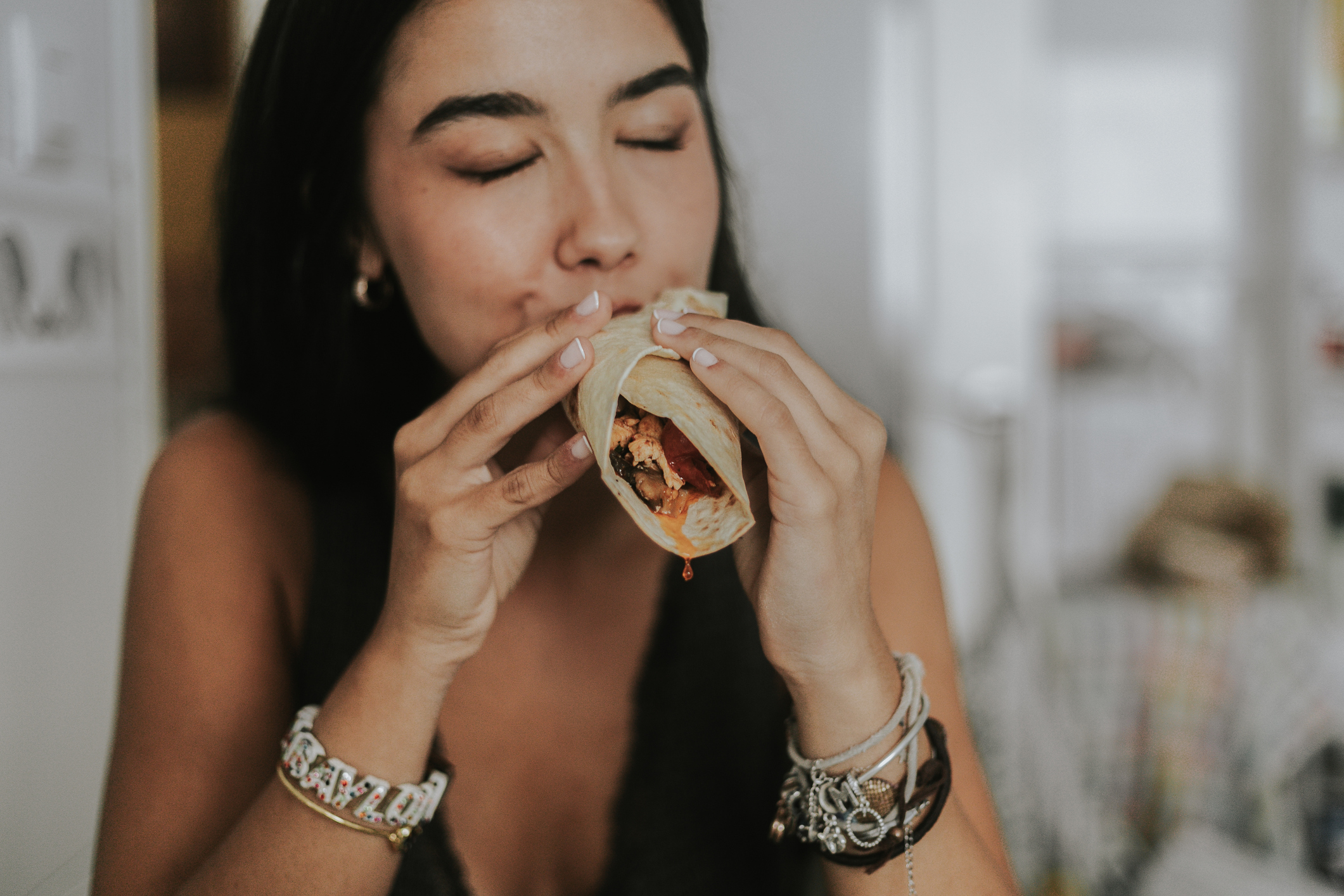
- Economic Realities: Snacking or buying a specialty beverage is often viewed by younger consumers as an affordable luxury or a "micro-treat" when full meals feel financially burdensome or unnecessary.
- Digital and Social Integration: Social media platforms like TikTok and Instagram reward visually appealing, customizable food and drink items. A vibrant, layered beverage or an innovative snack item acts as social currency.
- Pacing and Wellness: Many younger consumers prefer eating smaller, frequent portions throughout the day to manage energy levels, diverging sharply from the heavy, compartmentalized meals of older generations.
Official Statements: Industry Leaders Weigh In
Major industry executives have been vocal about the necessity of adapting to Gen Z’s non-linear lifestyle.
Ken Muench, Chief Marketing Officer at Yum! Brands, encapsulated the shifting philosophy succinctly in a recent statement regarding consumer behavior:
"The next generation isn’t organizing its day around three meals."
This realization has led Yum! Brands to aggressively reimagine its storefronts and product portfolios. Taco Bell, a crown jewel of the Yum! portfolio, is actively scaling its Live Más Café initiative. These drinks-first formats are staffed by specialized team members affectionately dubbed "Bellristas." The operational model prioritizes speed, customization, and aesthetic appeal. For instance, a flagship test location in Irvine, California, has demonstrated remarkable commercial viability, consistently selling more than 900 drinks a day. Crucially, data indicates that one in every three transactions at this location includes a cafe-exclusive beverage, proving that consumers are willing to make special trips just for the drinks menu.
Simultaneously, sister brand KFC is doubling down on its own beverage strategy with the rollout of the KWENCH drink lineup, positioning itself to capture the lucrative afternoon and evening snack crowds that historically gravitated toward coffeehouses rather than chicken joints.
Rival QSR giants are executing parallel strategies. McDonald’s, recognizing the power of the afternoon slump and evening munchies, tested specialty beverage platforms across 500 restaurants. Corporate leadership noted that the vast majority of incremental visits generated by these tests occurred precisely during the afternoon snack and late-night windows. Furthermore, consumer demand for nostalgic, portable comfort items prompted McDonald’s to permanently reinstate its popular $2.99 Snack Wrap, directly targeting the desire for high-value, handheld, between-meal bites.
Future Outlook: What’s Next for the Fast-Food Landscape?
As we look toward the future, the implications of Gen Z’s permanent snack mode will reshape the quick-service restaurant industry in several profound ways:
1. Architectural Redesign of QSR Real Estate
Traditional drive-thru lanes and standardized dining rooms are being re-evaluated. Future fast-food locations will likely feature dual footprints: traditional drive-thrus for volume, coupled with walk-up windows, digital pickup lockers, and cafe-style lounge areas designed to accommodate late-night social gathering and mobile-order snacking.
2. Menu Engineering and Hybrid Innovation
The boundary between "beverage" and "snack" will continue to blur. Expect to see menus featuring hyper-customizable drinks packed with functional ingredients (energy boosters, adaptogens, collagen) paired with bite-sized, shareable, and intensely flavored food items optimized for delivery and on-the-go consumption.
3. Extended Operating Hours and Labor Adaptations
With late-night traffic proving to be a high-growth frontier, chains will invest heavily in secure, automated, or streamlined late-night operations. Staffing models will shift to accommodate peak demand windows that stretch deep into the night, supported by AI-driven drive-thrus and automated kitchen equipment to maintain margins during off-peak hours.
4. The Death of the Fixed-Daypart Strategy
Marketing will no longer rely on rigid temporal schedules. Instead, digital loyalty programs and geofenced push notifications will target consumers dynamically—pinging a Gen Z user with a localized snack or beverage promotion precisely when their app usage or historical behavior suggests a late-night craving is about to strike.
Ultimately, the brands that thrive in this new era will be those that accept a fundamental truth: Mom’s rulebook is gone. In its place is a dynamic, 24/7 snacking economy where adaptability, speed, and indulgence rule the day—and the night.