Executive Overview
The landscape of mobile operating systems is quietly undergoing a seismic shift. For over a decade, consumers seeking a smartphone experience centered strictly on user privacy and elite cryptographic security have faced a severe hardware bottleneck. Historically, running privacy-hardened, alternative mobile operating systems—most notably GrapheneOS—meant tethering oneself exclusively to Google’s Pixel hardware ecosystem. While Pixel devices have long offered the open-source hardware-root-of-trust necessary for GrapheneOS to thrive, the monopoly of choice left privacy advocates and enterprise security experts longing for alternative hardware avenues.
That paradigm is officially slated to change. Following initial teaser announcements made during Mobile World Congress (MWC) 2026, fresh details have emerged outlining a major collaborative milestone: Motorola, in close coordination with its parent company Lenovo and the open-source developers behind GrapheneOS, has officially confirmed native software support for its upcoming 2027 flagship device lineups.
According to exhaustive technical disclosures shared via GrapheneOS’s official communication channels, the partnership is not merely a superficial branding exercise or a casual nod to the open-source community. Instead, it represents a deep, foundational software-engineering integration. Motorola is actively contributing a substantial portion of the heavy lifting required to port GrapheneOS securely onto its future hardware architectures.
While current-generation Motorola hardware lacks the necessary foundational architecture to meet the uncompromising security requirements of the GrapheneOS project, the upcoming 2027 generation of non-folding flagships—and eventually foldable devices—will bridge the gap. Bolstered by upcoming Qualcomm hardware advancements and Lenovo’s enterprise-grade ThinkShield security solutions, this collaboration promises to break Google’s virtual monopoly over ultra-secure Android alternatives, offering enterprise users, journalists, activists, and privacy-conscious consumers a fresh, robust hardware alternative by 2027.
Detailed Chronology: From MWC Teasers to the 2027 Roadmap
To understand the weight of this announcement, one must trace the timeline of how Motorola and the GrapheneOS development team arrived at this strategic convergence.
The Seeds Planted at MWC 2026
The initial whispers of a partnership began making waves during Mobile World Congress (MWC) 2026. During the global trade show, Motorola unveiled a multifaceted corporate and design pivot, highlighted by the introduction of its striking "House of Moto Indigo" global brand color. Amidst discussions of refined hardware aesthetics, foldable innovation, and long-term ecosystem depth, Motorola dropped a quiet bombshell: an official collaborative venture with GrapheneOS.
At the time, executives framed the partnership around a synergy of Motorola’s device engineering expertise, real-world consumer behavioral insights, and Lenovo’s robust enterprise security frameworks—specifically leveraging the company’s enterprise-tested ThinkShield security solutions. Motorola announced that it was launching a joint research and development initiative with the GrapheneOS project, laying the groundwork for a future where mainstream consumer hardware could natively honor advanced open-source privacy parameters. However, exact release timelines, device targets, and technical prerequisites were left largely under wraps, leaving the tech community speculating on when—or if—fruit would bear from this union.
The Mastodon Revelations
Months of relative silence followed the MWC disclosure, prompting privacy enthusiasts to wonder whether the initiative had stalled behind closed doors. That speculation was put to rest this week when the GrapheneOS project published a comprehensive, highly technical thread on Mastodon.
The social media disclosures provided much-needed clarity. Rather than rushing a half-baked compatibility layer onto existing phones, both entities adopted a methodical, long-term engineering approach. GrapheneOS explicitly clarified that current-generation Motorola hardware does not meet the project’s rigorous security requirements, effectively eliminating any possibility of a retrofitted software update for existing Razr or Moto Signature models.
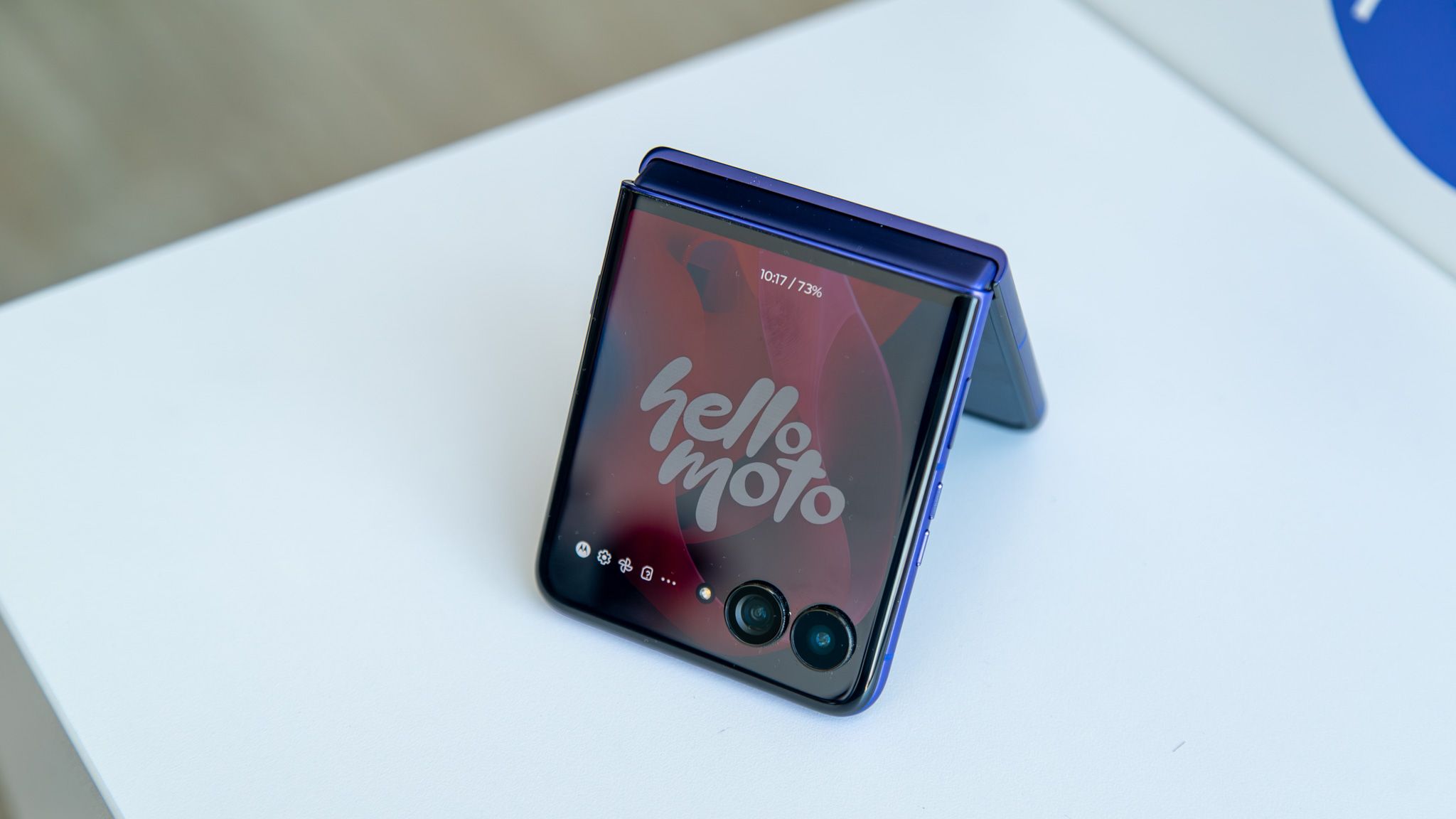
Instead, the roadmap is firmly fixed on the horizon: 2027 flagship launches.
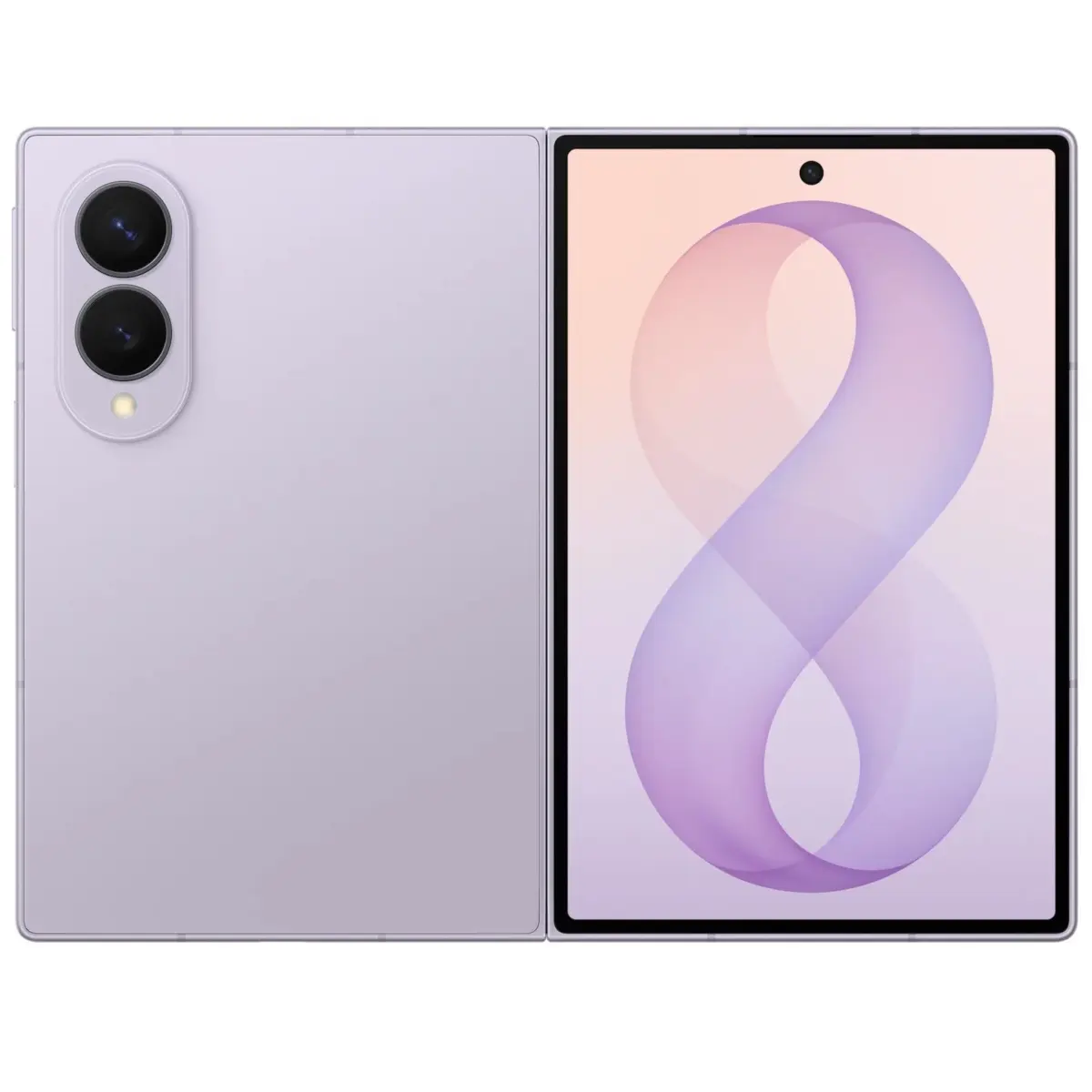
According to the Mastodon updates, Motorola is shouldering a significant portion of the core engineering workload required to port the operating system cleanly onto its future device architecture. The initiative will initially prioritize traditional, non-folding candy-bar flagships to establish a stable, secure baseline. Once the foundational codebases are optimized for these standard form factors, the engineering pipeline will pivot to tackle the unique structural and display challenges inherent in foldable hardware, including future iterations of the Motorola Razr Fold and Razr Ultra series.
Supporting Context & Metrics: Why Current Hardware Falls Short
To appreciate why GrapheneOS cannot simply be flashed onto a phone straight out of a retail box today, one must examine the extreme security paradigms under which the operating system operates.
GrapheneOS is not a standard custom ROM like LineageOS or Pixel Experience, which typically prioritize feature sets, user customization, and broad hardware compatibility over ironclad security. GrapheneOS is fundamentally an adversarial security hardening project. It strips away traditional attack surfaces, heavily sandboxes application processes, enforces strict exploit mitigations, and leverages advanced hardware-backed security features to protect users against sophisticated, state-sponsored cyberespionage tools and zero-click exploits.
For an operating system like GrapheneOS to function correctly, the underlying hardware must support advanced cryptographic and memory safety features.
The Silicon Catalyst: Qualcomm’s Next-Generation SoCs
A critical catalyst enabling this partnership is the evolution of silicon architecture—specifically upcoming high-end processors from Qualcomm. GrapheneOS highlighted that upcoming Qualcomm Snapdragon System-on-Chips (SoCs) feature critically important architectural upgrades:
- Mature Support for MTE (Memory Tagging Extension): Memory corruption vulnerabilities—such as buffer overflows and use-after-free errors—have historically accounted for the vast majority of critical software exploits. ARM’s Memory Tagging Extension (MTE) allows hardware to detect memory safety violations in real-time at the silicon level. While early implementations of MTE have faced performance hurdles or limited software integration, upcoming Qualcomm chips feature vastly more mature, hardware-level MTE support that GrapheneOS relies upon to neutralize entire classes of memory exploitation.
- Advanced Secure Element Support: Hardware-isolated secure elements are vital for protecting cryptographic keys, biometric data, and encryption credentials away from the main operating system environment. Enhanced, dedicated secure element architectures on upcoming silicon allow GrapheneOS to maintain a bulletproof hardware root-of-trust.
By aligning their 2027 hardware release schedules with these advanced Qualcomm silicon pipelines, Motorola and GrapheneOS are ensuring that the resulting devices will not merely be "privacy-friendly" in marketing terms, but architecturally capable of standing shoulder-to-shoulder with Google’s gold-standard Pixel lineup.
Official Statements and Industry Implications
The announcement has sent ripples through the mobile technology and cybersecurity sectors. For years, the open-source security community has operated under a de facto hardware monopoly. If a security researcher, corporate executive, or privacy advocate wanted to run GrapheneOS, buying a Google Pixel device was practically the only viable path forward.
While Google’s Pixel series—powered by its custom Tensor chips and Titan M security co-processors—has proven exceptionally capable of hosting secure alternative operating systems, relying on a single hardware vendor introduces systemic vulnerability. Supply chain disruptions, controversial hardware design choices, or shifts in corporate policy by a single tech giant could disproportionately impact the entire mobile privacy community.
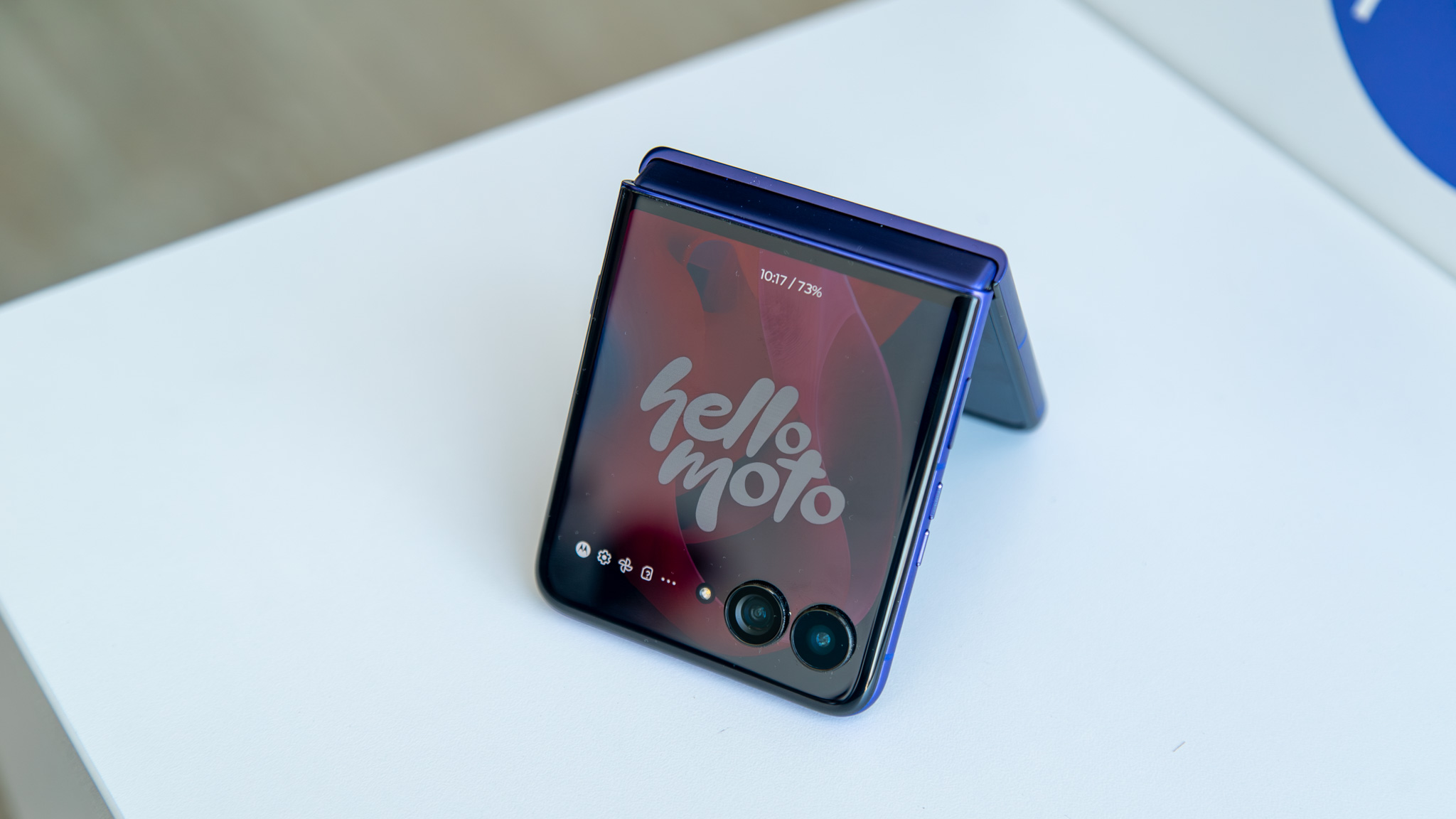
Lenovo and ThinkShield: Bridging Consumer and Enterprise
Motorola’s integration into this space introduces a powerful corporate ally. As a subsidiary of Lenovo, Motorola possesses deep ties to the enterprise sector through Lenovo’s globally respected ThinkShield security portfolio.
ThinkShield has long provided end-to-end hardware, software, and supply-chain security solutions for enterprise business clients. By combining Lenovo’s enterprise-grade security oversight with GrapheneOS’s consumer-and-privacy-first architecture, the partnership bridges a historical gap between enterprise-level device management and open-source personal privacy.
Industry analysts suggest this move could allow Motorola to capture a lucrative niche market: government contractors, financial institutions, investigative journalists, and privacy-conscious enterprise organizations that require enterprise-backed warranty and hardware support, but refuse to compromise on software-level data sovereignty.
Simultaneously, the GrapheneOS team dropped a brief yet significant note confirming that development and support pipelines remain firmly on track for Google’s future Pixel 11 series, reassuring existing users that the project’s commitment to its historical hardware partner remains uncompromised even as it expands its horizons.
Future Outlook: What to Expect Heading into 2027
As the technology industry looks ahead to the 2027 product cycles, all eyes will be on Motorola’s engineering laboratories and Qualcomm’s silicon fabs. The coming months will likely see trickle-truth disclosures, developer previews, and beta testing frameworks as the groundwork laid during MWC 2026 materializes into tangible code.
Several key milestones will define the success of this partnership over the next 12 to 18 months:
- Hardware Finalization: Motorola’s upcoming flagship devices—including future iterations of the Moto Signature series, Razr Fold, and Razr Ultra—must successfully integrate the required Qualcomm chipsets featuring mature MTE and secure element support.
- Upstream Code Contributions: Because Motorola is committing to a large portion of the porting work, the transparency and frequency of its open-source contributions will be heavily scrutinized by the developer community. A successful hardware-software bridge requires sustained collaboration rather than a one-off software drop.
- Enterprise Validation: How Lenovo positions these devices within its ThinkShield enterprise ecosystem will dictate whether corporate and governmental buyers adopt GrapheneOS-powered Motorola hardware en masse.
Conclusion
The convergence of Motorola’s hardware ambitions and GrapheneOS’s uncompromising security philosophy marks a watershed moment for the mobile industry. By breaking Google’s long-standing hardware monopoly over advanced privacy operating systems, the 2027 Motorola flagships promise to expand consumer choice, elevate industry security standards, and prove that mainstream smartphone manufacturers can successfully collaborate with the open-source community to build a safer, more private digital future.