Executive Overview
In the fast-paced digital era, the social contract of remembering birthdays has become increasingly difficult to uphold. As personal and professional networks expand, the cognitive load required to track anniversaries, milestones, and birthdays has prompted a shift toward automated digital solutions. Samsung, the global leader in smartphone hardware, appears to be addressing this modern pain point directly.
According to recent technical analysis, Samsung is currently architecting a robust, native birthday management suite set to debut within the Contacts application in the upcoming One UI 9.5 iteration. This feature represents more than a simple calendar integration; it is a sophisticated data-management layer designed to consolidate fragmented information into a proactive notification system. By categorizing events into “Past,” “Today,” and “Upcoming,” Samsung aims to move beyond static contact details and toward an interactive social-management ecosystem. This report explores the implications of this development, the underlying technology, and how it positions Samsung to better integrate its AI-driven features into the daily lives of its users.
Detailed Chronology of the Discovery
The revelation of this feature stems from a meticulous APK teardown conducted by the researchers at Android Authority. By decompiling the latest internal builds of Samsung’s proprietary software, analysts identified specific code strings and UI layouts that confirm the existence of a dedicated birthday-tracking dashboard.
The Technical Foundation
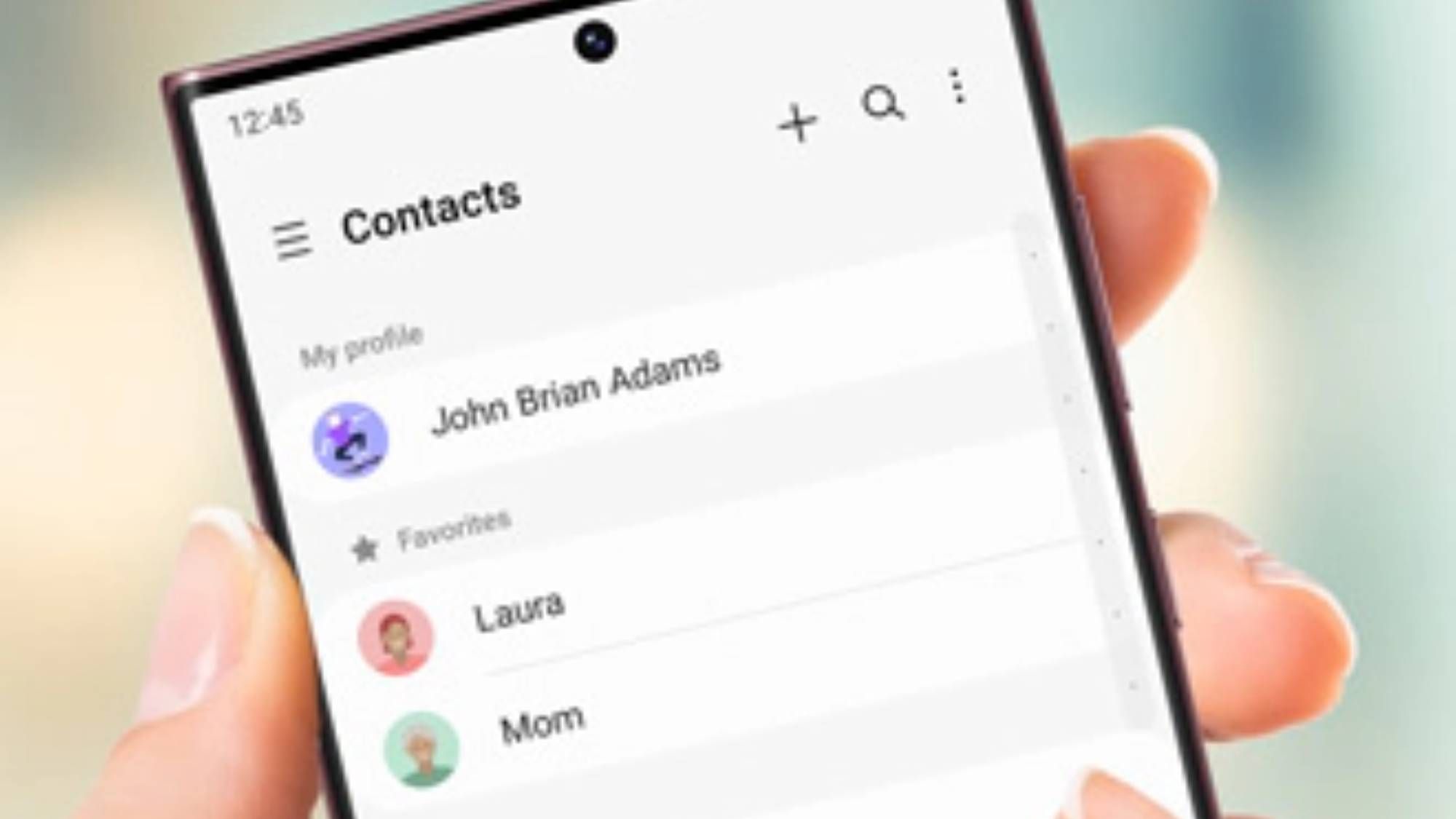
The teardown uncovered a shift in how the Contacts app interprets date-of-birth data. Previously, the "Birthday" field in a contact’s profile served as a static metadata entry—a piece of information that sat dormant unless a user manually navigated to the contact card.
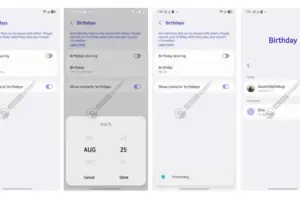
The new framework introduces a logic-based sorting mechanism. Upon the activation of One UI 9.5, the Contacts app will likely parse these fields to create a dynamic feed. The code indicates that the application will automatically populate a dedicated interface with three distinct headers:
- Past: A log of recent birthdays that have already occurred within the current calendar year.
- Today: A high-priority dashboard for immediate recognition.
- Upcoming: A forward-looking list designed to facilitate planning and gift-giving.
The "Shareability" Protocol
Beyond mere sorting, the teardown revealed a novel permission-based sharing system. Code strings explicitly referencing the ability to "Set a birthday that can be shared with others" suggest a decentralized social graph. By toggling a “Birthday Sharing” option, users grant their device permission to broadcast their date of birth to mutual contacts. This move effectively transforms the Contacts app from a private Rolodex into a semi-social synchronization tool, ensuring that birthdays are updated across the ecosystem without the need for constant manual refreshing.
Supporting Context: The Evolution of One UI
To understand the significance of this update, one must view it within the broader trajectory of Samsung’s One UI development. Samsung has long prioritized the "integration of life" as a design philosophy for its software suite.
From Static Data to Proactive AI
The inclusion of this feature is not an isolated experiment but a logical extension of the "Now Brief" capabilities introduced in One UI 8. Now Brief, which enables the generation of AI-assisted, personalized birthday cards, provided the content for celebration. However, it lacked the trigger—the notification system that alerts the user when it is actually time to send that card.
By combining the proactive tracking of One UI 9.5 with the generative AI capabilities of previous versions, Samsung is building a "closed-loop" social experience. Users will no longer have to jump between the Calendar app, the Contacts app, and their messaging platform. The workflow is becoming streamlined:
- The Trigger: A notification from the Contacts app regarding an upcoming birthday.
- The Creation: An AI-generated greeting or gift suggestion via the Now Brief framework.
- The Delivery: Direct integration with messaging platforms for seamless execution.
The Psychology of Social Maintenance
Data suggests that "social fatigue" is a growing phenomenon among smartphone users. As the average user manages hundreds of digital connections across multiple platforms, the effort required to maintain relationships often feels like a chore. By automating the tracking of personal milestones, Samsung is essentially offering a "digital assistant" service. This lowers the barrier to entry for maintaining social bonds, potentially reducing the social friction that often leads to strained relationships when a significant date is forgotten.
Official Statements and Industry Impact
While Samsung has not issued a formal press release detailing the release schedule for One UI 9.5, the technical evidence is considered highly reliable by industry experts.
The strategy reflects a broader industry trend toward "contextual computing." Companies like Google, Apple, and Samsung are all racing to ensure their OS is not just a platform for apps, but an intelligent layer that understands the context of the user’s life. If Samsung successfully implements this, it may force competitors to rethink how their own contact management systems interact with social calendars.
Industry Analyst Perspective:
"Samsung is shifting from being a hardware manufacturer to a ‘lifestyle curator.’ The birthday management feature is a masterclass in adding value through software. It addresses a universal human anxiety—the fear of forgetting someone important—and solves it with a few lines of code. When you combine this with the existing AI card-generation tools, Samsung is essentially automating the ‘thoughtfulness’ process for its users."
Future Outlook: The Role of AI in Personal CRM
The trajectory of this technology suggests that in the coming years, our mobile devices will act as "Personal CRM" (Customer Relationship Management) tools for our real-world lives.
Predictive Gift-Giving
Looking ahead, one can speculate that Samsung will integrate its AI—likely under the Galaxy AI branding—to provide gift recommendations based on the user’s browsing history, purchasing behavior, or even previous conversations. If the device knows it is a friend’s birthday next week and recognizes that you have been searching for "hiking gear" or "bookstores," it could proactively suggest a relevant gift, further cementing the phone as an indispensable tool for social maintenance.
Privacy Considerations
As with any feature that involves sharing personal data like birth dates, privacy remains a paramount concern. The inclusion of a toggle to enable or disable birthday sharing is a critical privacy safeguard. It ensures that the user remains the owner of their data, allowing them to opt-out of the social-sharing layer while still benefiting from the internal, local-only tracking features of the app. As Samsung continues to refine its privacy dashboard in One UI, it is expected that this birthday feature will be heavily integrated with the company’s "Security and Privacy" center, allowing users to granularly control who can see their birth date.
The "No-Excuses" Era
Ultimately, this update serves as both a convenience and a high-stakes challenge for the end user. As the software becomes increasingly capable of reminding us of our social obligations, the "I forgot" excuse becomes obsolete. For the forgetful, this is a salvation; for the social butterfly, it is a productivity tool.
As we await the official rollout of One UI 9.5, the tech community remains focused on how Samsung will handle the edge cases. How will the system manage time zones? Will it support recurring reminders for anniversaries beyond just birthdays? How will it integrate with third-party platforms like WhatsApp or Facebook?
The answers to these questions will determine the ultimate utility of the feature. However, one thing is certain: Samsung is betting that by helping its users remember the people who matter most, it can secure its place as the central hub of their daily lives. Whether through proactive notifications, AI-generated greetings, or seamless gift-giving shortcuts, the future of the smartphone is becoming increasingly focused on the human element. The era of the "smart" contact list has arrived, and it promises to make the business of being a friend, family member, or colleague significantly more manageable.