Executive Overview
In a significant strategic pivot aimed at maximizing creator efficiency and platform engagement, YouTube has officially expanded its native "Video Clips" tool within YouTube Studio to include the direct creation of Shorts. This update, announced formally by TeamYouTube on November 12, 2026, marks a major milestone in the platform’s effort to bridge the gap between long-form content—such as exhaustive podcast episodes and educational webinars—and the high-velocity, vertical consumption habits of the Shorts ecosystem.
By enabling creators to slice, reformat, and publish segments of their own long-form videos as vertical Shorts directly within the Studio interface, YouTube is effectively reducing the technical friction that has historically hindered creators from repurposing their existing assets. Perhaps most critically, the tool introduces an automated "Related Video" linking system. This feature creates a seamless bridge between a 60-second vertical highlight and the full-length original content, offering a potent discovery funnel for creators looking to boost their long-form view counts through the massive reach of the Shorts feed.
Detailed Chronology: The Evolution of Clipping
The integration of Shorts creation into the native toolset did not happen overnight; it represents the culmination of a deliberate, multi-phase rollout strategy.
The Roadmap to Integration
Early indicators of this shift appeared as early as April 2026, when YouTube first teased the "rolling out Video Clips to Shorts" initiative in a community update. While the feature was initially limited in scope, documentation captured by the Internet Archive as early as September 10, 2026, confirmed that YouTube had already begun formalizing the help pages for the new Shorts workflow.
The November Launch
The November 12 announcement served as the final confirmation that the feature had reached a state of general availability for a broad segment of the creator community. For podcast creators, this was a long-awaited solution to the "discovery paradox": how to get new audiences to commit to a two-hour podcast episode without first seeing a bite-sized, high-impact segment.
The Workflow: A Three-Step Transformation
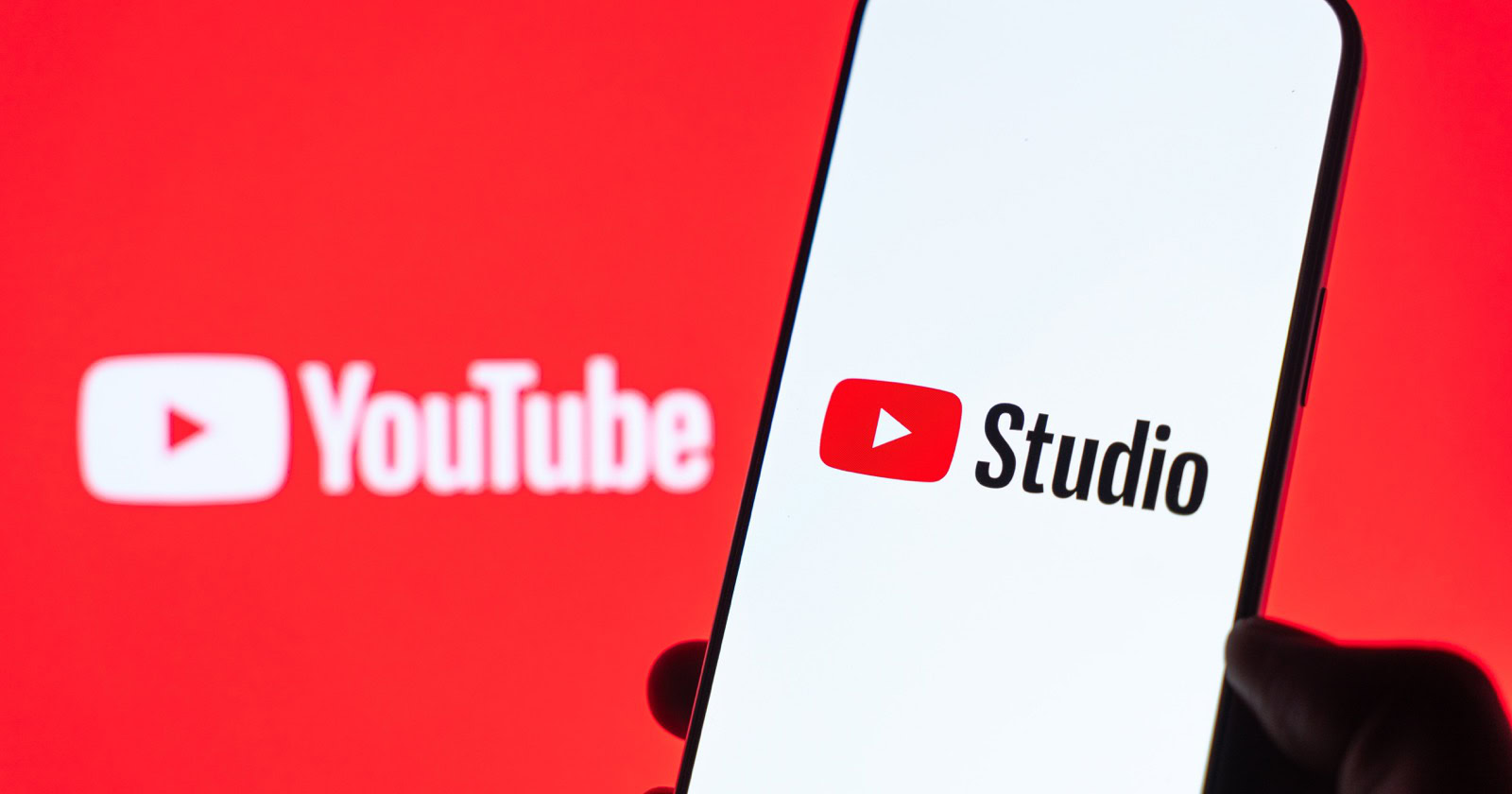
The technical implementation within YouTube Studio is designed for simplicity. Creators navigate to their pre-existing long-form videos and select the "Clips and Shorts" module. From there, the process diverges into two distinct pathways:
- Manual Selection: Creators can use the timeline editor to specify exact timestamps for their desired segment.
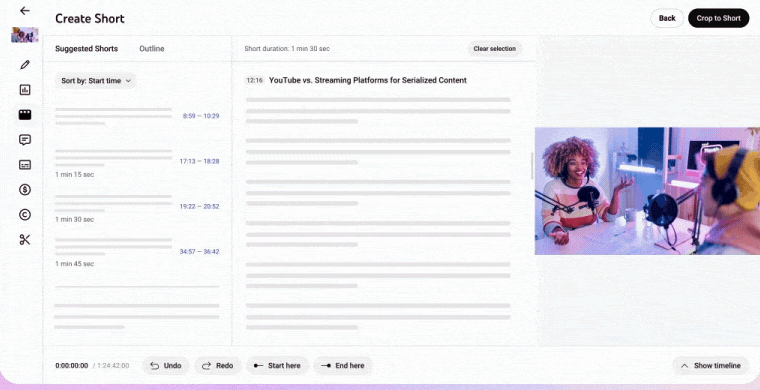
- Transcript-Based Selection: Perhaps the most innovative aspect of the tool is its reliance on AI-generated transcripts. Creators can simply highlight text within the transcript, and the tool will automatically align the video frames to match that specific dialogue.
Once the segment is chosen, the system automatically performs a "verticalization" process, keeping the core subject matter centered in a 9:16 aspect ratio. The inclusion of auto-generated, customizable captions—which allow for adjustments in font, color, and positioning—rounds out a suite of tools that previously required expensive third-party editing software.
Supporting Context & Metrics: AI and Global Reach
The efficacy of this tool relies heavily on YouTube’s sophisticated AI, which scans long-form content to identify "moments that can be watched independently."
The Geographic and Linguistic Footprint
As of November 2026, the AI-powered suggestion system is available in a targeted list of regions, including Brazil, Canada, France, Germany, India, Mexico, South Korea, Spain, the U.K., and the U.S. Supported languages mirror this international focus, encompassing English, French, German, Hindi, Korean, Portuguese, and Spanish.
This is a marked expansion from the initial pilot phase in April 2026, which restricted suggestions to English-language videos specifically contained within podcast playlists in the U.S. and Canada. The removal of the "playlist-only" requirement signals that YouTube’s algorithm has become significantly more adept at identifying high-value snippets across a wider variety of content categories, from educational tutorials to complex video essays.
The "Related Video" Ecosystem
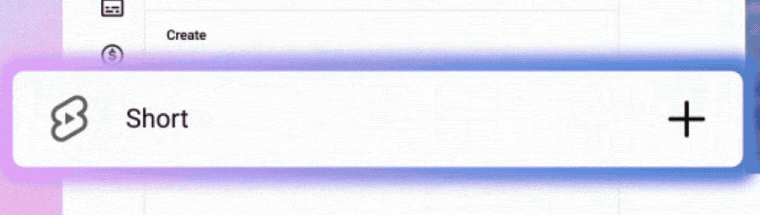
The most consequential feature for channel growth is the automatic link. When a creator uses the Studio tool to generate a Short, the system automatically embeds a clickable link to the source video directly beneath the channel handle.
Crucially, this automation is subject to specific safety and quality constraints. If a video is marked as "Made for Kids," or if the original source is set to "Private" or "Unlisted," the link will not be attached. This ensures that the user experience remains consistent with platform safety guidelines. For the creator, this creates a closed-loop system: a viewer discovers a compelling 30-second hook on their Shorts feed, clicks the link, and is immediately transported to the full, high-fidelity experience of the original video.
Official Statements and Policy Clarifications
A primary concern for many creators has always been the risk of "reused content" penalties. YouTube has addressed these fears with explicit language on their help pages: "You won’t be penalized for using your own content in a video clip or Short."
Navigating Monetization and Penalties
This assurance is vital, especially given the backdrop of the October 1, 2026, policy update, which saw YouTube reduce the reach of channels that aggregate or re-upload content without adding "significant value."
The distinction here is clear: the new YouTube Studio tool is a "first-party" solution. By using the official tool to transform long-form content into vertical segments, creators are signaling to the platform that they are the original rights holders. Unlike third-party clipping services, which might trigger the platform’s "reused content" filters, the official tool provides a "verified" pathway for content repurposing. While the policy regarding aggregated content remains strict, YouTube has effectively carved out a safe harbor for creators to syndicate their own work across different formats.
Future Outlook: The Next Phase of AI Integration
While the current tool is robust, it is clearly a foundational release. YouTube has signaled that they are actively working to expand the AI-powered suggestion system to more creators and across more territories in the near future.
Challenges and Opportunities
Despite the excitement, questions remain regarding the limitations of the current tool. Currently, the tool does not provide specific timeframes for the next wave of feature expansions, nor does it detail how it will handle complex, multi-speaker environments or highly stylized edits that might confuse a standard AI model.
For creators operating outside of the currently supported ten countries, the strategy remains one of manual curation. However, the trajectory is clear: YouTube is moving toward a "content-agnostic" model where the distinction between long-form and short-form becomes a matter of user preference rather than creator effort.
Strategic Recommendations for Creators
As we look toward 2027, creators should consider the following:
- Transcript Optimization: Since the tool relies heavily on transcript analysis, ensuring that your long-form videos have clean, accurate, and descriptive dialogue will make the AI’s job of finding "standalone moments" significantly easier.
- The "Hook" Architecture: When filming long-form content, start incorporating "Shorts-first" thinking. Dedicate specific segments of your podcast or video to high-energy, summary-style explanations that serve as natural, self-contained clips.
- Monitor Analytics: Use the "Related Video" click-through data to see which topics resonate most. If a specific podcast segment drives 500% more traffic to the long-form version than others, that is a data-driven signal to prioritize that topic in future full-length episodes.
In conclusion, YouTube’s expansion of the clipping tool is not just a UI update; it is a fundamental shift in the economics of video production. By lowering the barrier to entry for cross-platform content syndication, YouTube is empowering creators to do more with less, ultimately fostering a richer, more interconnected ecosystem of content. As the AI becomes more sophisticated, the "clip-to-full-length" funnel will likely become the standard operating procedure for every successful creator on the platform.