Executive Overview
The intersection of media representation and social cohesion has reached a critical juncture in Northern Ireland. In the wake of civil unrest that shook the region, veteran journalists, community leaders, and media ethics advocates are confronting an uncomfortable reality: how the press covers migration, refugees, and ethnic minorities directly impacts societal stability.
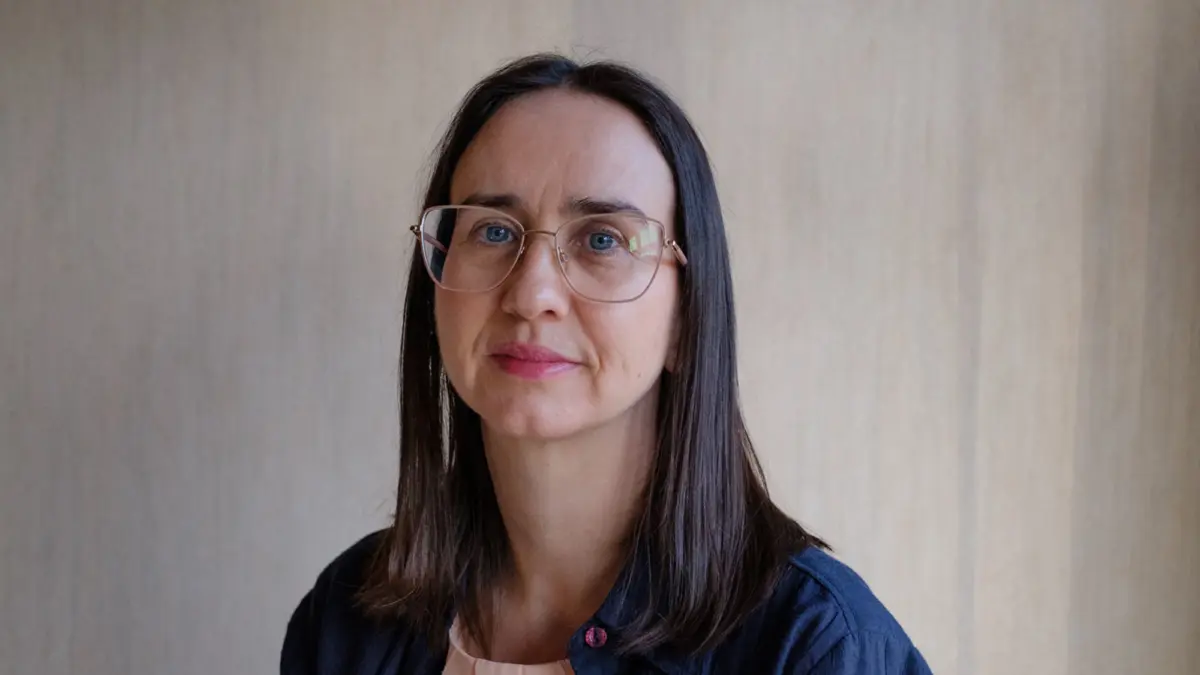
When violent riots broke out across Northern Ireland, the shockwaves resonated deeply within its media landscape. For Maeve Connolly, a journalism veteran with 25 years of experience, the unrest did not feel like a distant international news event; it felt alarmingly close to home. Despite not occurring on her immediate doorstep, the interconnected nature of Northern Ireland’s socio-political fabric meant the violence was experienced as a collective trauma.
That sense of professional and civic responsibility served as the catalyst for Raised Voices CIC, a media advocacy organization where Connolly serves as co-director. Recognizing that traditional reporting methodologies often exacerbate societal fractures, Connolly and her colleagues spearheaded the development of a groundbreaking, practical set of reporting guidelines. Designed specifically for journalists covering asylum seekers, refugees, and migration, these protocols depart from conventional editorial frameworks.
Crucially, these guidelines were not drafted in an isolated newsroom brainstorming session. Instead, they were co-produced with ethnic minority, refugee, and asylum-seeking communities. Through a series of intensive group listening sessions and one-on-one interviews, the advice was shaped directly by individuals with lived experience. The resulting framework addresses the core priorities these communities have long expressed to a detached media establishment.
At the heart of the initiative is a plea to abandon the journalistic habit of "othering"—the practice of framing minority populations as permanent outsiders rather than integral members of the social fabric. By challenging newsrooms to audit their output, diversify their sourcing, and normalize the presence of minority voices in everyday reporting, the Raised Voices initiative offers a roadmap for a more ethical, accurate, and inclusive press. This report examines the genesis of these guidelines, the methodology behind their creation, the structural challenges facing modern newsrooms, and the future outlook for media representation in Northern Ireland and beyond.
Detailed Chronology: From Summer Unrest to the Birth of Raised Voices
To understand the urgency driving the Raised Voices reporting guidelines, one must examine the specific timeline of events that precipitated their creation, alongside the methodical development of the project itself.
The Summer Tipping Point (June)
The immediate catalyst for the initiative occurred in June, when violent civil unrest erupted in various parts of Northern Ireland. The disturbances brought underlying racial tensions, xenophobic rhetoric, and anti-immigration sentiment into sharp focus. For journalists operating within the region, the crisis created an immediate professional dilemma: how to report on rapidly unfolding violence without inadvertently amplifying hate speech, stereotyping vulnerable communities, or fueling further unrest.
In newsrooms across Belfast and beyond, editors scrambled to deploy reporters to flashpoints. However, the reactive nature of this coverage laid bare long-standing structural deficiencies in how the media engages with minority populations. Too often, ethnic minority, refugee, and asylum-seeking communities were approached by reporters only when crisis struck, or only when the news cycle demanded a commentary on immigration policy, crime, or social integration.
The Realization and Mobilization
For Maeve Connolly, watching the events unfold from her vantage point as a 25-year industry veteran, the coverage felt intensely personal. "When violence broke out… it felt close to home, even though it wasn’t on my doorstep," Connolly reflects. "Northern Ireland is like one big community. You feel it deeply. It’s happening in your home."
This profound sense of professional accountability drove Connolly and her colleagues at Raised Voices CIC to move beyond passive critique. Rather than simply lamenting the quality of reporting during the June riots, they resolved to build a practical, constructive tool that newsrooms could implement immediately. The objective was clear: bridge the chasm between media institutions and the communities they so frequently misrepresent or overlook.
Co-Production and Community Consultation
Recognizing that editorial guidelines written exclusively by journalists often fail to address the lived realities of marginalized groups, Raised Voices committed to a radical co-production model. The development phase of the guidelines involved a rigorous outreach program:
- Group Listening Sessions: Facilitated discussions were held across diverse community settings, allowing individuals from ethnic minority, refugee, and asylum-seeking backgrounds to articulate their grievances, fears, and aspirations regarding media coverage.
- In-Depth Interviews: Researchers conducted one-on-one interviews to capture nuanced perspectives that might be missed in larger group settings.
- Iterative Drafting: Feedback from these sessions was systematically analyzed and translated into actionable journalistic principles.
This collaborative process ensured that the final guidelines were not an academic exercise imposed from above, but a direct reflection of what marginalized communities themselves demanded from the Fourth Estate.
The Launch of the Guidelines
The culmination of this extensive consultation process was the official release of the Raised Voices reporting guidelines. Published as an accessible, practical online resource, the guidelines provide concrete recommendations for reporters, editors, and producers striving to cover migration and minority issues with nuance, accuracy, and empathy. The framework emphasizes that ethical reporting is not merely about avoiding harm during a crisis, but about fundamentally transforming daily editorial routines.
Supporting Context & Metrics: The Anatomy of "Othering"
To appreciate the significance of the Raised Voices initiative, one must analyze the systemic flaws that characterize modern migration and minority reporting. The guidelines target a deeply ingrained journalistic habit: the construction of the "other."
The Mechanics of "Othering" in the Newsroom
In academic and media studies literature, "othering" refers to the process by which a dominant group defines itself by marginalizing an-group, often through the use of homogenization, stereotyping, and cultural distancing. In the context of news reporting, this manifests in several distinct ways:
- Crisis-Only Visibility: Minority communities are effectively invisible during periods of social calm. They enter the news cycle almost exclusively through the lens of conflict, crime, controversy, or victimhood.
- Monolithic Representation: Complex, multi-layered populations are frequently reduced to a single defining characteristic—their legal status, ethnicity, or nationality.
- Geographic and Social Alienation: Headlines and copy often frame migrants and refugees as interlopers who have arrived in a community, rather than as active participants of that community.
As Connolly articulates, synthesizing the feedback from the listening sessions:
"What came through clearly from the discussions was the request that the media not ‘other’ them: treat people as members of the community they live in, rather than separate to it. Don’t only come to them in times of crisis or to speak on immigration status, ethnicity or nationality. They can contribute fully. You can speak to them about anything."
The Impact of Skewed Representation
The psychological and social toll of this skewed representation is profound. When news consumers are repeatedly fed a diet of crisis-driven, fear-based reporting regarding immigration and minority populations, public perception hardens. Xenophobia is normalized, integration efforts are stymied, and vulnerable individuals are subjected to heightened hostility in their daily lives.
Furthermore, this narrow framing starves the public of rich, multifaceted journalism. By ignoring the ordinary, day-to-day contributions of ethnic minorities—their entrepreneurial ventures, artistic achievements, civic engagements, and routine neighborly interactions—the media presents an incomplete and distorted picture of society.
Official Statements and Practical Guidelines
The core strength of the Raised Voices initiative lies in its transition from abstract ethical philosophy to concrete, actionable newsroom practice. The guidelines provide editors and reporters with clear directives on how to audit their past performance and reshape their future output.
Core Principles of the Raised Voices Framework
- Integration Over Isolation: Journalists must explicitly recognize refugees, asylum seekers, and ethnic minorities as permanent or embedded members of local communities. Stories should reflect their presence in schools, workplaces, cultural institutions, and neighborhood associations without treating them as transient anomalies.
- Universal Sourcing: Sourcing strategies must be diversified. Ethnic minority individuals should be consulted not just as spokespeople on immigration policy or victims of racial abuse, but as subject-matter experts, local business owners, artists, scientists, and everyday citizens commenting on universal issues like healthcare, education, and the economy.
- Language and Framing: The guidelines urge newsrooms to scrutinize their terminology. Dehumanizing metaphors (such as "floods," "swarms," or "waves" of migrants) must be purged in favor of precise, human-centric language that respects individual dignity.
The Newsroom Audit: A Practical Diagnostic Tool
To assist media organizations in evaluating their own performance, the Raised Voices guidelines introduce a vital diagnostic exercise. The primary practical tip offered to newsrooms is deceptively simple yet profoundly challenging:
Look back at your own newsroom’s stories over the last 12 months.
Editors and reporters are encouraged to conduct a systematic content audit by asking two critical questions:
- Do our archives show that we only surface these voices in times of conflict, controversy, or crisis?
- Where are the stories of aspiration, community-building, contribution, and ordinary daily life?
By conducting this audit, newsrooms are forced to confront their blind spots. If a year’s worth of reporting reveals that minority sources appear almost exclusively in crime reports, immigration debates, or protest coverage, the audit serves as an undeniable mandate for change. It transforms a vague commitment to "diversity" into a measurable editorial target.
Future Outlook: Transforming Media Ethics in Northern Ireland and Beyond
As the media landscape continues to evolve under the pressures of digital transformation, polarization, and shifting demographics, initiatives like Raised Voices offer a beacon of hope. However, the path toward sustained, systemic reform is fraught with challenges.
Overcoming Structural and Economic Pressures
Modern newsrooms operate under unprecedented economic strain. Reduced newsroom staff, shortened production cycles, and the relentless demand for click-driven engagement often push reporters toward sensationalism and reliance on established, lazy tropes. In this environment, deep, community-embedded journalism requires a deliberate investment of time and resources.
Yet, advocates argue that ethical reporting is not a luxury to be discarded during financial downturns; it is a prerequisite for credibility and audience trust. By building genuine, long-term relationships with marginalized communities, newsrooms can unlock rich, untold stories that resonate deeply with a broader readership, ultimately enhancing audience loyalty and engagement.
Scaling the Guidelines Across Regional and National Media
While the Raised Voices initiative was born out of the specific socio-political context of Northern Ireland, its principles have universal applicability. Media organizations across the United Kingdom, Ireland, and the broader European Union face identical challenges in covering migration and minority populations responsibly.
The future success of these guidelines depends on their widespread adoption across legacy print, broadcast, and digital-native platforms. Journalism schools and professional training bodies must integrate these co-produced methodologies into their curricula, ensuring that the next generation of reporters enters the industry equipped with the tools to dismantle, rather than reinforce, societal divisions.
Conclusion: A Call to Action for the Fourth Estate
The experience of Maeve Connolly and Raised Voices CIC demonstrates that change often begins with a willingness to listen. By centering the voices of those who have historically been talked about rather than talked to, the media can begin to heal the fractures that have scarred communities in Northern Ireland and beyond.
The directive is clear: newsrooms must move past the reactive cycle of crisis reporting. They must commit to a continuous, reflective practice that honors the full humanity of all community members. Only through such a fundamental transformation can journalism fulfill its highest calling: to reflect society accurately, foster genuine understanding, and give voice to every segment of the community it serves.